The head of the International Atomic Energy Agency (IAEA) called for maximum military restraint and full adherence to the localized ceasefire on Friday, after Russian personnel were reportedly injured near the Zaporizhzhia Nuclear Power Plant (NPP).
The IAEA said it has been informed that some Russian military personnel were injured during Friday's de-mining phase of the agreed localized ceasefire between Russia and Ukraine.
Earlier on Friday, the IAEA announced the start of a localized ceasefire it brokered on the front line near the Zaporizhzhia NPP, enabling repairs to the plant's crucial power line.
IAEA Director General Rafael Grossi said the restoration of the off-site power line would be an important and positive step for nuclear safety, which is in everybody's vital interest.
"Today, we have been able to agree on the sixth ceasefire, localized ceasefire brokered by us, the IAEA, with Ukraine and the Russian Federation. This will allow experts and technicians from both sides to start very crucial repairs of the Dniprovska line. It's the 750-kilowatt line, the main line that is still standing there," Grossi noted.
The line has been disconnected for more than two months. The Zaporizhzhia NPP had to rely on emergency diesel generators for the electricity it needed to cool its six shutdown reactors in the event of a power outage during military conflicts.
The Zaporizhzhia plant, one of Europe's largest nuclear power facilities, has been under Russian control since March 2022.
Alexey Likhachev, director general of Russia's state nuclear corporation Rosatom, reported Ukrainian drone strikes on the Zaporizhzhia NPP on Friday afternoon. "Three of our engineers were injured, two of them are in serious condition," Likhachev was quoted as saying by Russian news agency Interfax.
According to the IAEA, the incident is currently being investigated, and the Ukrainian side said it remains committed to the ceasefire.
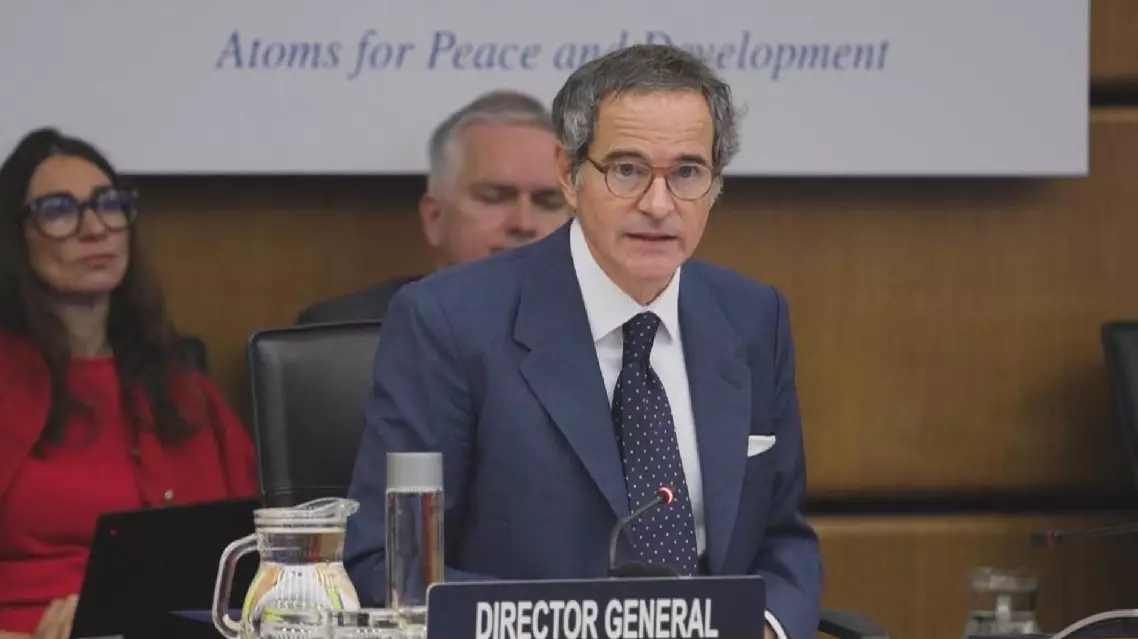
IAEA chief calls for restraint, adherence to ceasefire near Zaporizhzhia
Australia is seeing a surge in the use of rooftop solar and home battery storage, driven by a combination of generous government subsidies and a decline in technology costs.
Marjan, a local resident, is part of a rapidly growing trend in Australia.
When Marjan put solar panels on her Sydney home six years ago, she decided against including a battery storage system.
"They're too expensive. They're not good enough yet," said Marjan.
That changed about six months ago when she heard about government rebates and improvements in the technology.
"Go for it. Just have it done. It's quite a bit of learning, but I think it's very worth it," Marjan said.
According to industry figures, Australia has installed more than 420,000 home battery systems, making it one of the world's fastest-growing household battery markets.
The pace of adoption has been stark. Just a year ago, one in every 500 Australian households had home battery storage systems. Today, that figure has skyrocketed to one in every eight households.
The growth is significant in a country where one-third of the households already generate electricity from rooftop solar panels.
"There's two factors at play, I think. Firstly, a government subsidy scheme. That's a relatively generous government subsidy scheme, trying to drive this. Secondly, I have to pay tribute, I think, to Chinese innovation and investment that has driven down the cost of batteries significantly over the last few years," said David McElrea, chief executive officer of the Smart Energy Council of Australia.
Australia has long relied on coal-fired power generation, giving it one of the highest per-capita emission rates in the developed world.
The solar boom is lowering the country's emissions, without relying on large-scale renewable energy projects.
"A small system on a house requires two people with relatively low skills to install the solar and battery system, and they do it in one day, with no need for planning, no one getting upset in a board or community, no need for upgrades of huge power lines," said Tristan Edis, director of Green Energy Markets.
The impact is becoming increasingly visible. Renewables now account for about half of Australia's electricity generation, driven largely by rooftop solar.
For many consumers, the appeal is about saving money.
"I don't use the grid at all. I use my solar, my battery, the free electricity I get," said Marjan.
"It's now by far and way the cheapest form of energy, which is why people embrace it, and is why it's a model that, I think, we are rolling out in Australia. And I think the rest of the world should look to," said McElrea.
As countries worldwide grapple with the twin challenges of lowering carbon emissions and keeping power bills affordable, analysts say Australia's rooftop-led model offers a proven blueprint for the global energy transition.
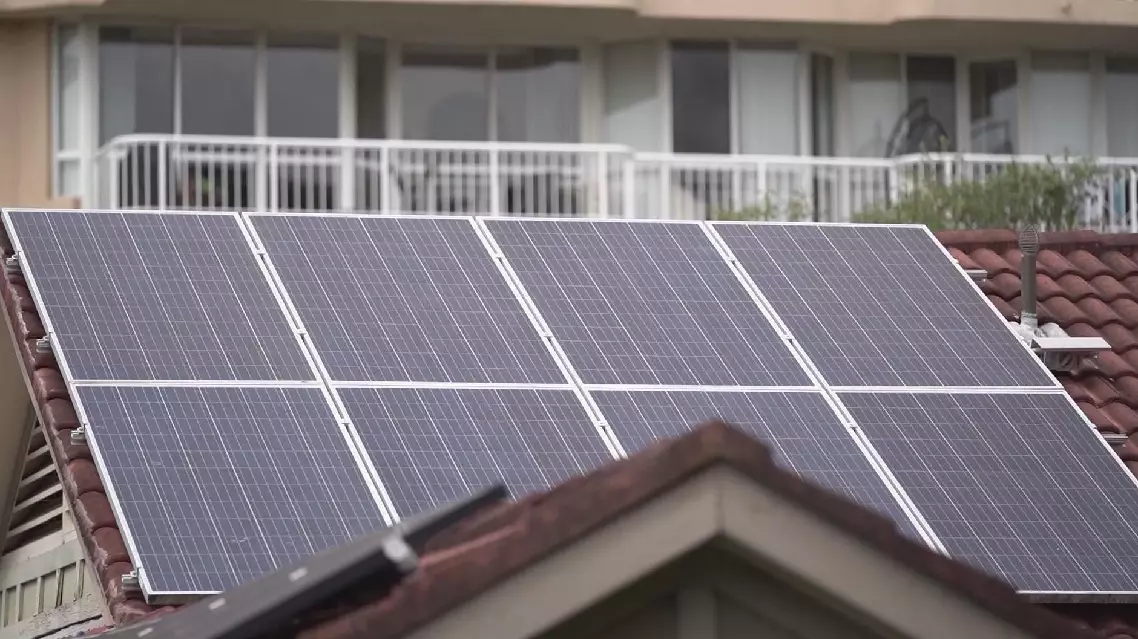
Australia sees surge in use of rooftop solar