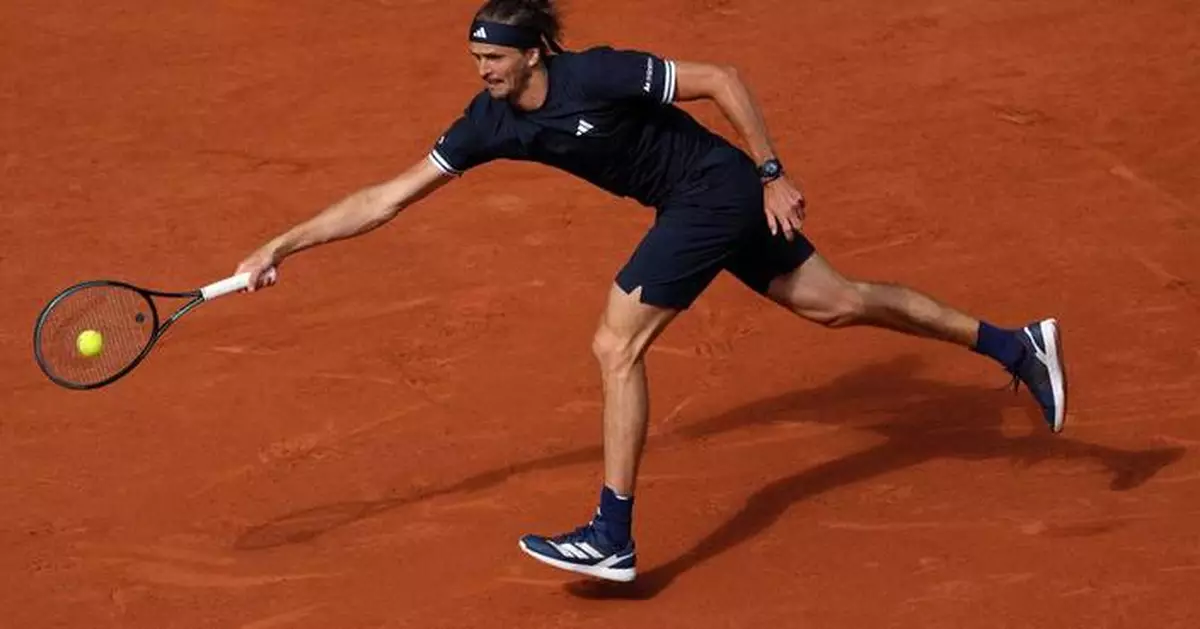
PARIS (AP) — It all came rushing back to Alexander Zverev when he was lying on his back on the French Open's center court, his hands covering his face, and sobbing on Sunday as he realized that he had — finally — become a Grand Slam champion.
It was the same court where he twisted his right ankle and crumpled to the ground, wailing in agony before being pushed off on a wheelchair during a semifinal match against Rafael Nadal in 2022.
Click to Gallery
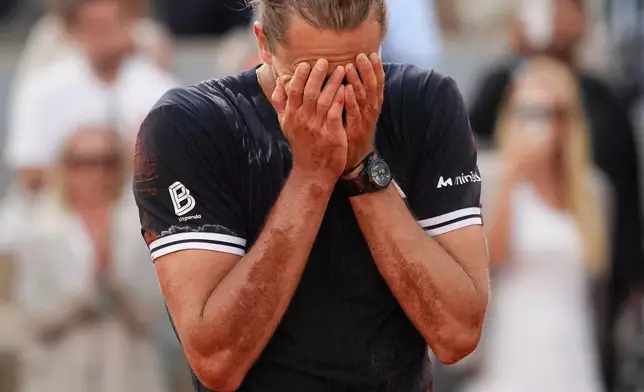
Alexander Zverev of Germany celebrates after winning the men's final match against Flavio Cobolli of Italy at the French Open tennis tournament in Paris, Sunday, June 7, 2026. (AP Photo/Christophe Ena)
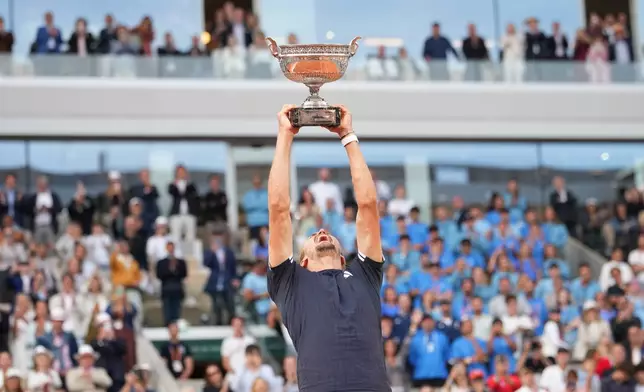
Alexander Zverev of Germany lifts the trophy after winning the men's final match against Flavio Cobolli of Italy at the French Open tennis tournament in Paris, Sunday, June 7, 2026. (AP Photo/Christophe Ena)
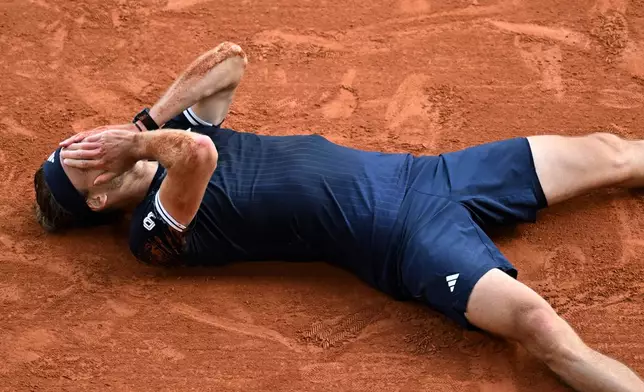
Germany's Alexander Zverev reacts after winning the final tennis match against Italy's Flavio Cobolli at the French Open in Paris, Sunday, June 7, 2026. (AP Photo/Emma Da Silva)
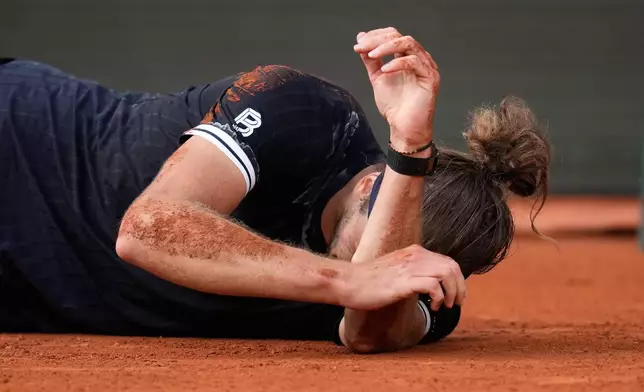
Alexander Zverev of Germany reacts after winning the men's final match against Flavio Cobolli of Italy at the French Open tennis tournament in Paris, Sunday, June 7, 2026. (AP Photo/Christophe Ena)
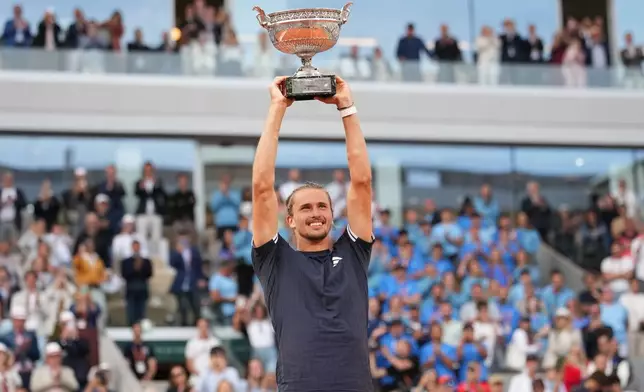
Alexander Zverev of Germany lifts the trophy after winning the men's final match against Flavio Cobolli of Italy at the French Open tennis tournament in Paris, Sunday, June 7, 2026. (AP Photo/Christophe Ena)
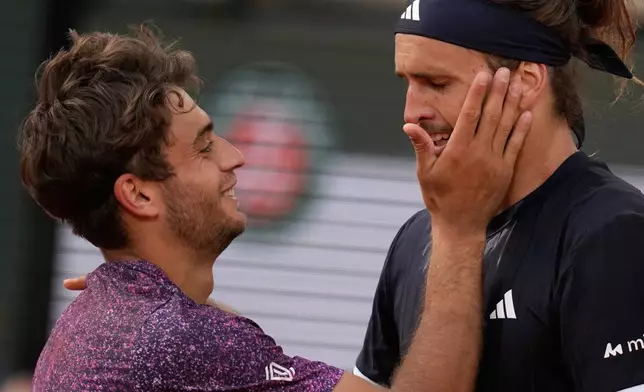
Second placed Flavio Cobolli of Italy, left, greets winner Alexander Zverev of Germany after their men's final match at the French Open tennis tournament in Paris, Sunday, June 7, 2026. (AP Photo/Christophe Ena)
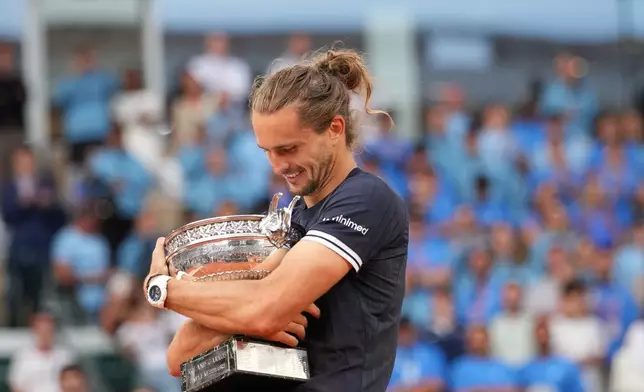
Alexander Zverev of Germany hugs the trophy after winning the men's final match against Flavio Cobolli of Italy at the French Open tennis tournament in Paris, Sunday, June 7, 2026. (AP Photo/Christophe Ena)
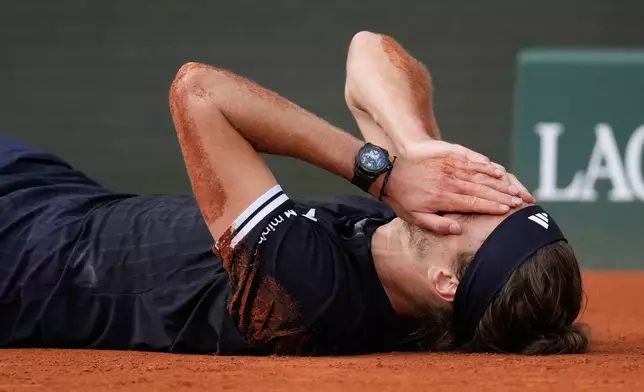
Alexander Zverev of Germany celebrates after winning the men's final match against Flavio Cobolli of Italy at the French Open tennis tournament in Paris, Sunday, June 7, 2026. (AP Photo/Christophe Ena)
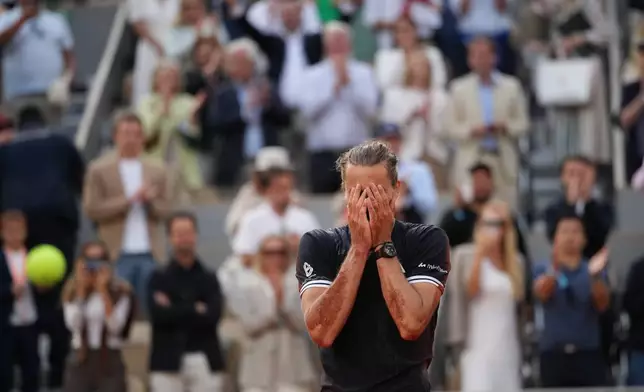
Alexander Zverev of Germany celebrates after winning the men's final match against Flavio Cobolli of Italy at the French Open tennis tournament in Paris, Sunday, June 7, 2026. (AP Photo/Christophe Ena)
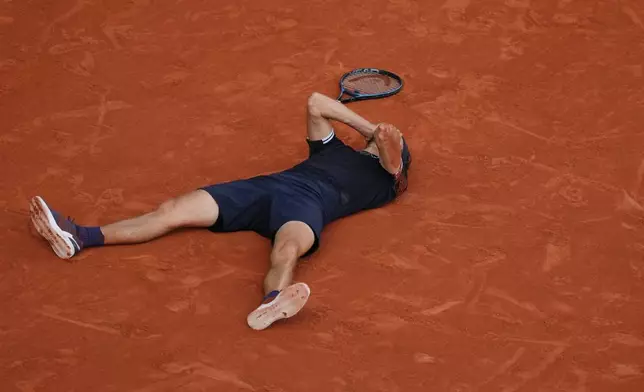
Alexander Zverev of Germany reacts after winning the men's final match against Flavio Cobolli of Italy at the French Open tennis tournament in Paris, Sunday, June 7, 2026. (AP Photo/Aurelien Morissard)
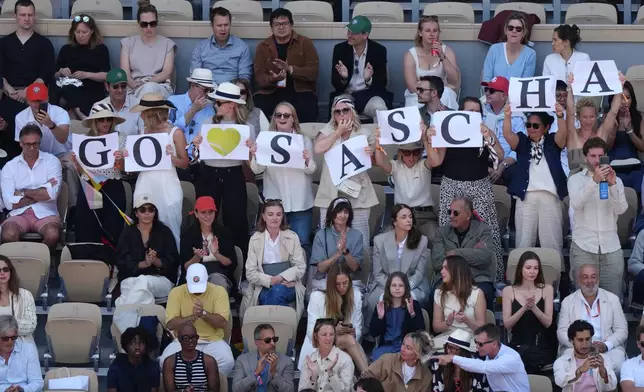
Fans of Alexander Zverev of Germany support him before the men's final match against Flavio Cobolli of Italy at the French Open tennis tournament in Paris, Sunday, June 7, 2026. (AP Photo/Aurelien Morissard)
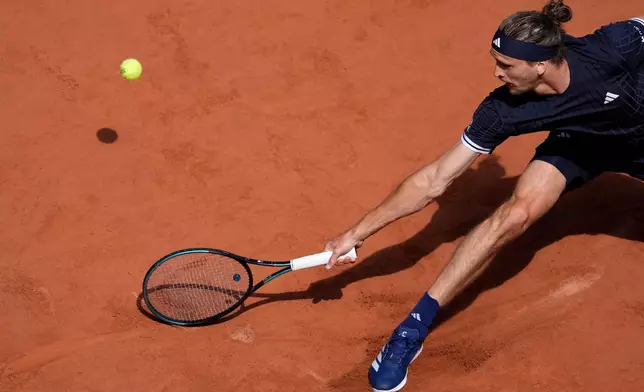
Alexander Zverev of Germany returns to Flavio Cobolli of Italy during their men's final match at the French Open tennis tournament in Paris, Sunday, June 7, 2026. (AP Photo/Christophe Ena)
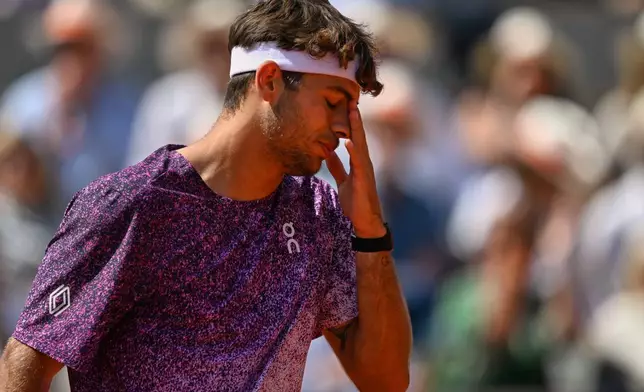
Italy's Flavio Cobolli reacts during the final tennis match against Germany's Alexander Zverev at the French Open in Paris, Sunday, June 7, 2026. (AP Photo/Emma Da Silva)
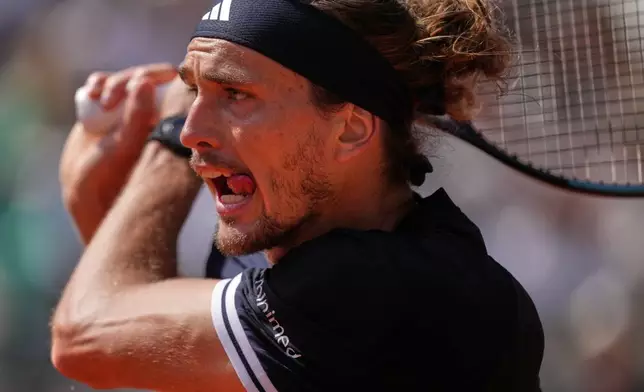
Germany's Alexander Zverev returns during the final tennis match against Italy's Flavio Cobolli at the French Open in Paris, Sunday, June 7, 2026. (AP Photo/Thibault Camus)
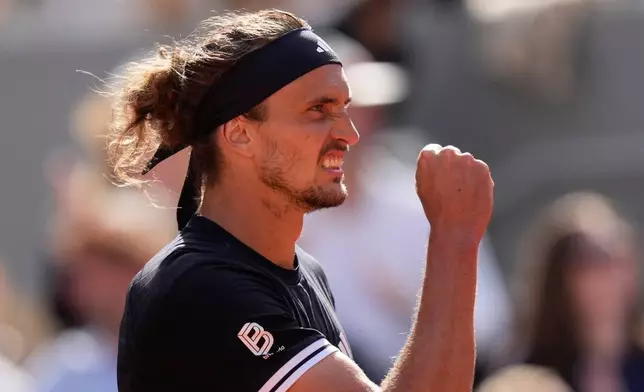
Alexander Zverev of Germany reacts as he plays against Flavio Cobolli of Italy during their men's final match at the French Open tennis tournament in Paris, Sunday, June 7, 2026. (AP Photo/Christophe Ena)
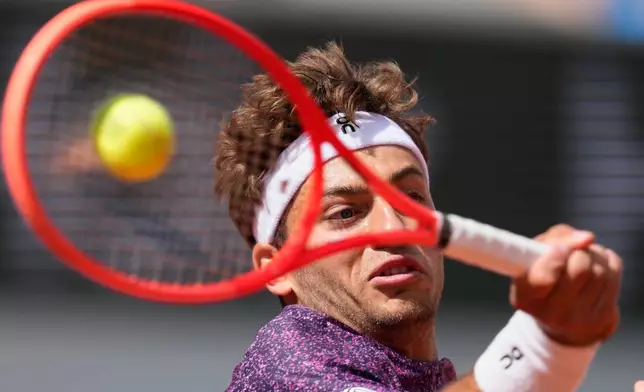
Italy's Flavio Cobolli returns to Zachary Svajda of the United States during the fourth-round tennis match at the French Open in Paris, Monday, June 1, 2026. (AP Photo/Christophe Ena)
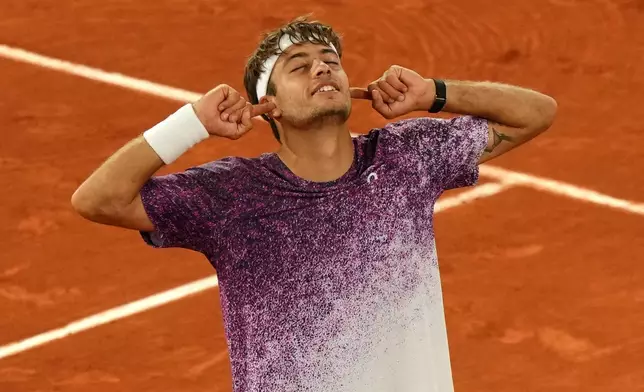
Italy's Flavio Cobolli reacts after winning the quarterfinal tennis match against Canada's Felix Auger-Aliassime at the French Open in Paris, Wednesday, June 3, 2026. (AP Photo/Aurelien Morissard)
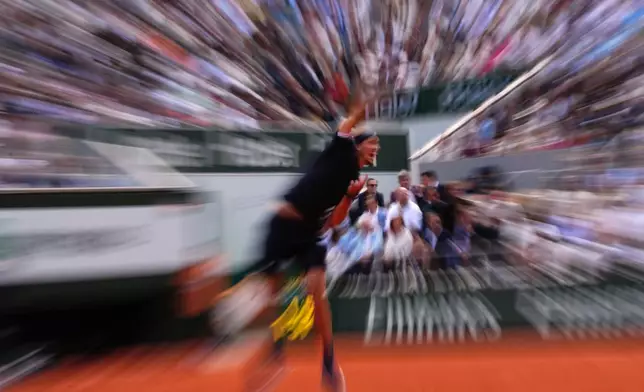
Germany's Alexander Zverev serves to Czech Republic's Jakub Mensik during the semifinal tennis match at the French Open in Paris, Friday, June 5, 2026. (AP Photo/Christophe Ena)
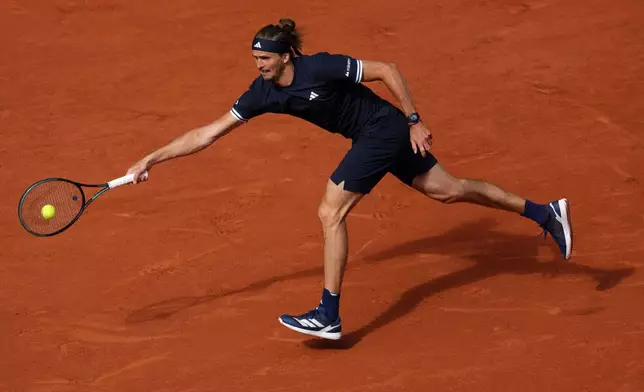
Germany's Alexander Zverev returns to Czech Republic's Jakub Mensik during the semifinal tennis match at the French Open in Paris, Friday, June 5, 2026. (AP Photo/Aurelien Morissard)
The same court where he wasted a lead of two sets to one against Carlos Alcaraz in the 2024 championship match.
“All the emotions came out, because this court is very, very special to me. It’s special in a very positive way, but also special on the negative way, because I had some of the toughest moments of my life here," Zverev said.
"I was laying on this court with an injury that I didn’t know if I would ever come back from. I lost a Grand Slam final here, so all of those memories for me, they’re not wiped out. They're still with me, but this one will beat all of them.”
After so many missed opportunities, Zverev is no longer one of the best players never to win a major title.
In his fourth major final, Zverev beat Flavio Cobolli 6-1, 4-6, 6-4, 6-7 (5), 6-1 for the French Open title.
It was a unique opportunity for Zverev without Jannik Sinner or Alcaraz across the net and the third-ranked German took full advantage on the red clay of Roland Garros.
When Cobolli missed an overhead on the second championship point after more than four hours of the five-set encounter, Zverev joined an elite group of players that captured their first major in their fourth final: Eight-time major champion Andre Agassi, 2001 Wimbledon winner Goran Ivanisevic and 2020 U.S. Open champion Dominic Thiem.
Then when Zverev finally got his hands on the Coupe des Mousquetaires trophy, he turned it upside down, held it between his legs and then hoisted it above his head with both arms as he let out a loud roar.
“This trophy for me is very important because if I would have lost this one, this self-belief would have gone down a lot,” Zverev said. “But now that I’ve won it, I feel like I can do it again.”
Zverev had been an overwhelming favorite for the title ever since the top-ranked Sinner struggled in the first week’s heat wave and wasted a two set and 5-1 lead against Juan Manuel Cerundolo in the second round. A day later, 24-time Grand Slam champion Novak Djokovic was also eliminated.
Alcaraz, the two-time reigning champion, withdrew before the tournament with an injured right wrist.
Zverev also lost a lead of two sets to none in the 2020 U.S. Open final to Thiem and was beaten in straight sets by Sinner in the 2025 Australian Open final.
It was the 25th title of Zverev’s career.
The 14th-ranked Cobolli had never been past a Grand Slam quarterfinal until this week. He was attempting to become the first Italian man to raise the singles trophy at Roland Garros since Adriano Panatta 50 years ago.
Cobolli comes from the same tennis club in Rome as Panatta did and Panatta was asked by tournament organizers to present the trophy to celebrate the anniversary of his 1976 triumph.
The honors, however, went to Zverev.
Russian teenager Mirra Andreeva won the women’s singles trophy on Saturday.
The match was played in perfect conditions and Zverev’s game was almost flawless at the start as Cobolli appeared nervous.
A group of women in the stands held up letters to form Zverev’s nickname: “Sascha.”
Cobolli likes to stand way over near the corner of the court and hit big kick serves out wide into the ad court. Zverev knew what was coming and returned one such kick serve early in the first set with a backhand that he wrapped around the outside of the net post. Cobolli ended up winning the point, but it was a message from Zverev that he knew how to handle his opponent’s tactics.
The next time Zverev hit a wrap-around-the-net-post return, Cobolli couldn’t handle it and Zverev won the point.
Cobolli’s supporters in his box were all dressed in blue, the color of Italy’s national teams, and as Cobolli worked his way back into the match, there were chants of “Ole, Ole, Ole; Flavio, Flavio.”
Both players were treated by a trainer as the match wore on and Cobolli appeared to run out of energy in the fifth.
“He deserved it more than me at the end of the match,” Cobolli said, adding that he was slowed by cramps.
Zverev said his cramps "were more mental.
“I actually think that the cramp helped me in a way, that I let go, I kind of hit my shots a bit more and just let go,” he added.
Moments after Zverev’s previous Grand Slam final in Australia in 2025, a person in the stadium yelled out the names of two of his ex-girlfriends who accused him of physical abuse.
One case was resolved following an agreement between German prosecutors, lawyers for Zverev and his former partner. The ATP Tour investigated another case and concluded there was insufficient evidence.
AP Sports Writers Samuel Petrequin and Jerome Pugmire contributed to this report.
AP tennis: https://apnews.com/hub/tennis
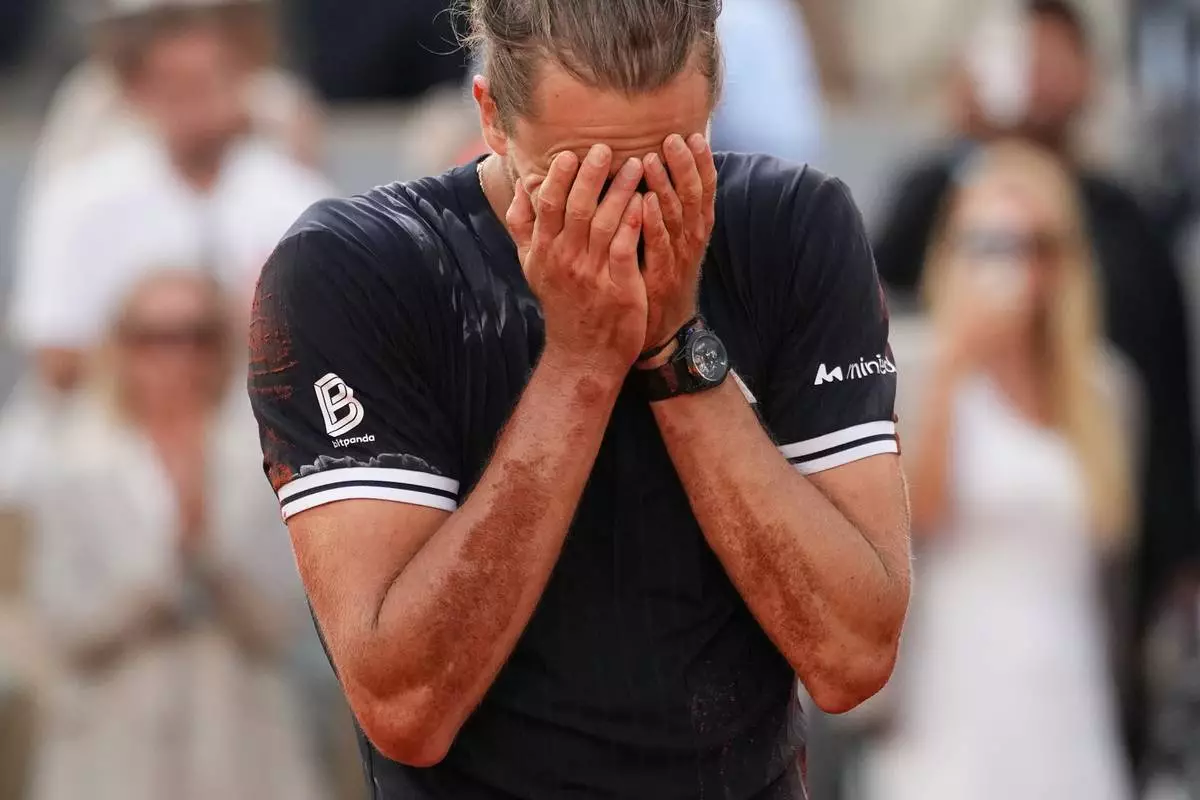
Alexander Zverev of Germany celebrates after winning the men's final match against Flavio Cobolli of Italy at the French Open tennis tournament in Paris, Sunday, June 7, 2026. (AP Photo/Christophe Ena)
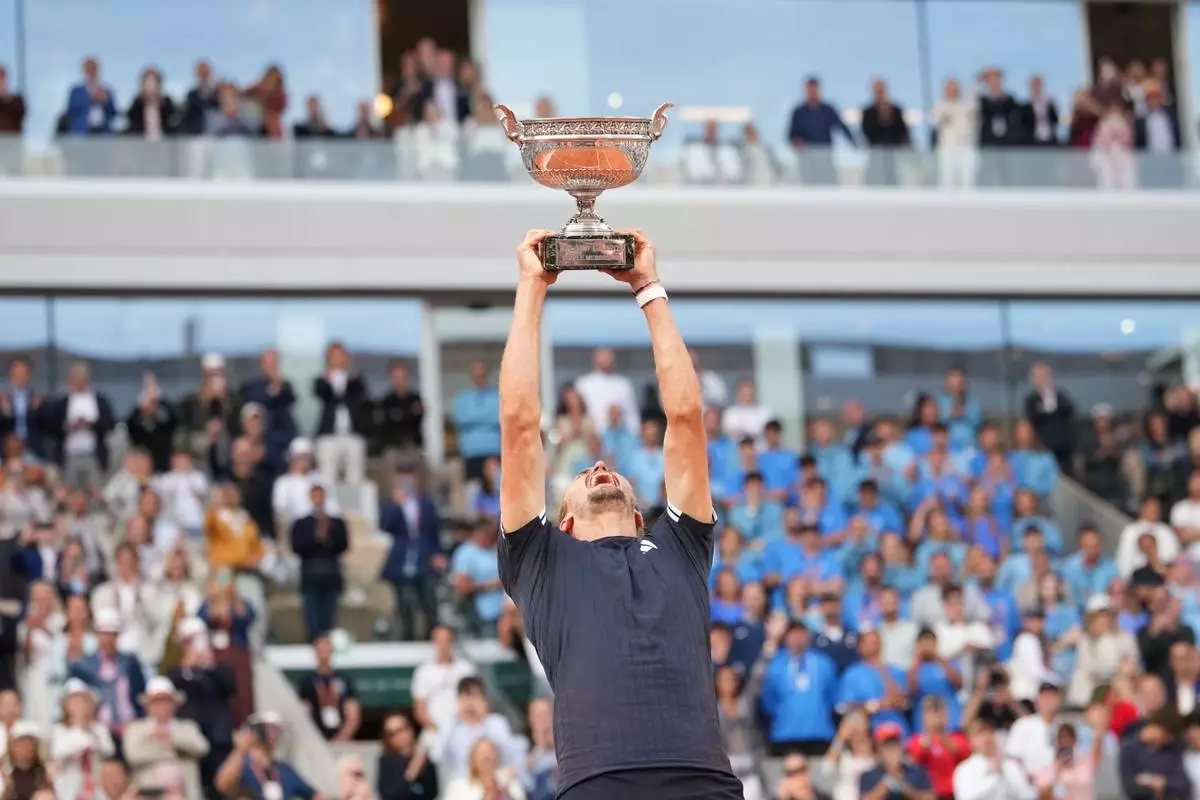
Alexander Zverev of Germany lifts the trophy after winning the men's final match against Flavio Cobolli of Italy at the French Open tennis tournament in Paris, Sunday, June 7, 2026. (AP Photo/Christophe Ena)
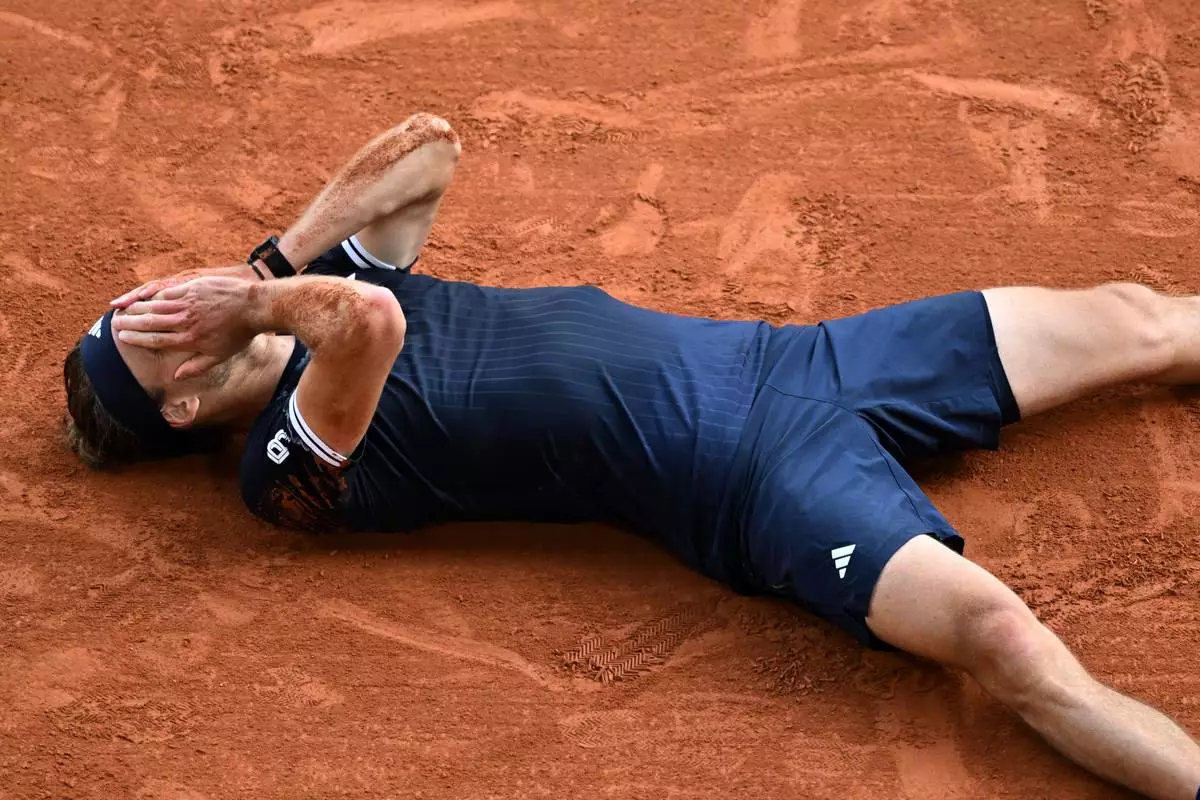
Germany's Alexander Zverev reacts after winning the final tennis match against Italy's Flavio Cobolli at the French Open in Paris, Sunday, June 7, 2026. (AP Photo/Emma Da Silva)
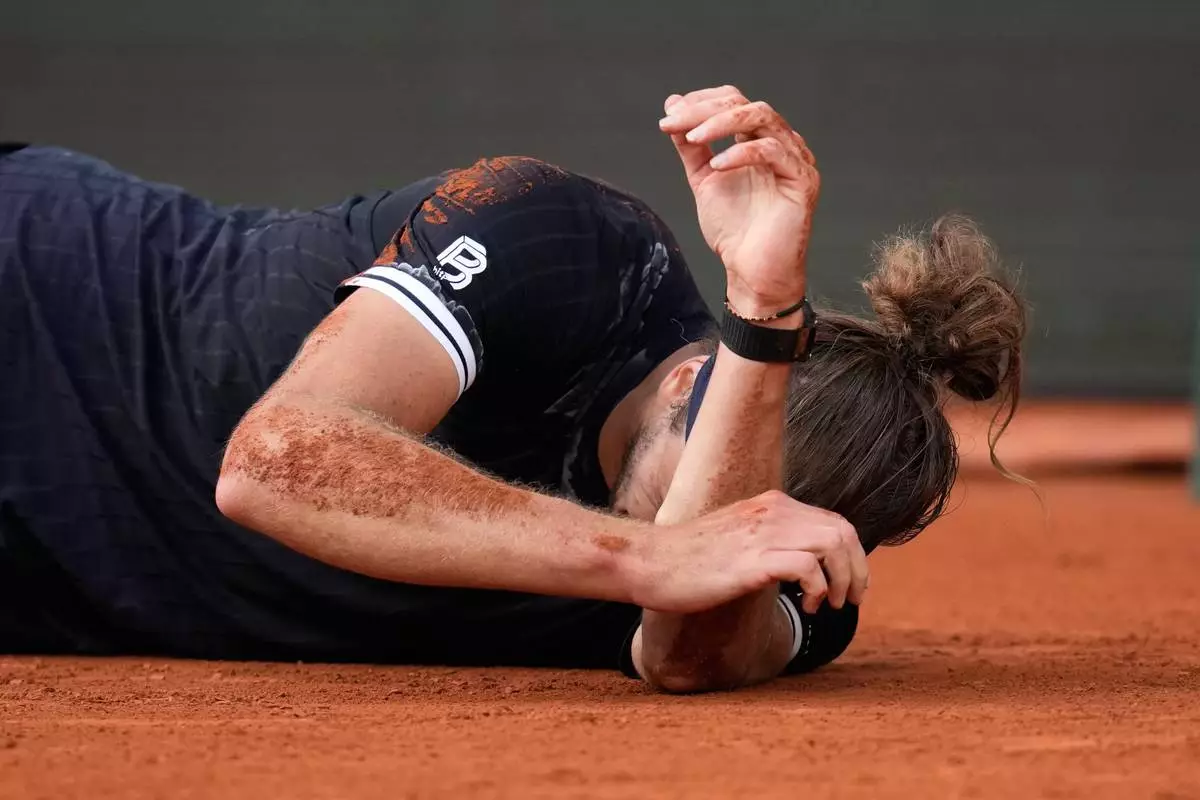
Alexander Zverev of Germany reacts after winning the men's final match against Flavio Cobolli of Italy at the French Open tennis tournament in Paris, Sunday, June 7, 2026. (AP Photo/Christophe Ena)
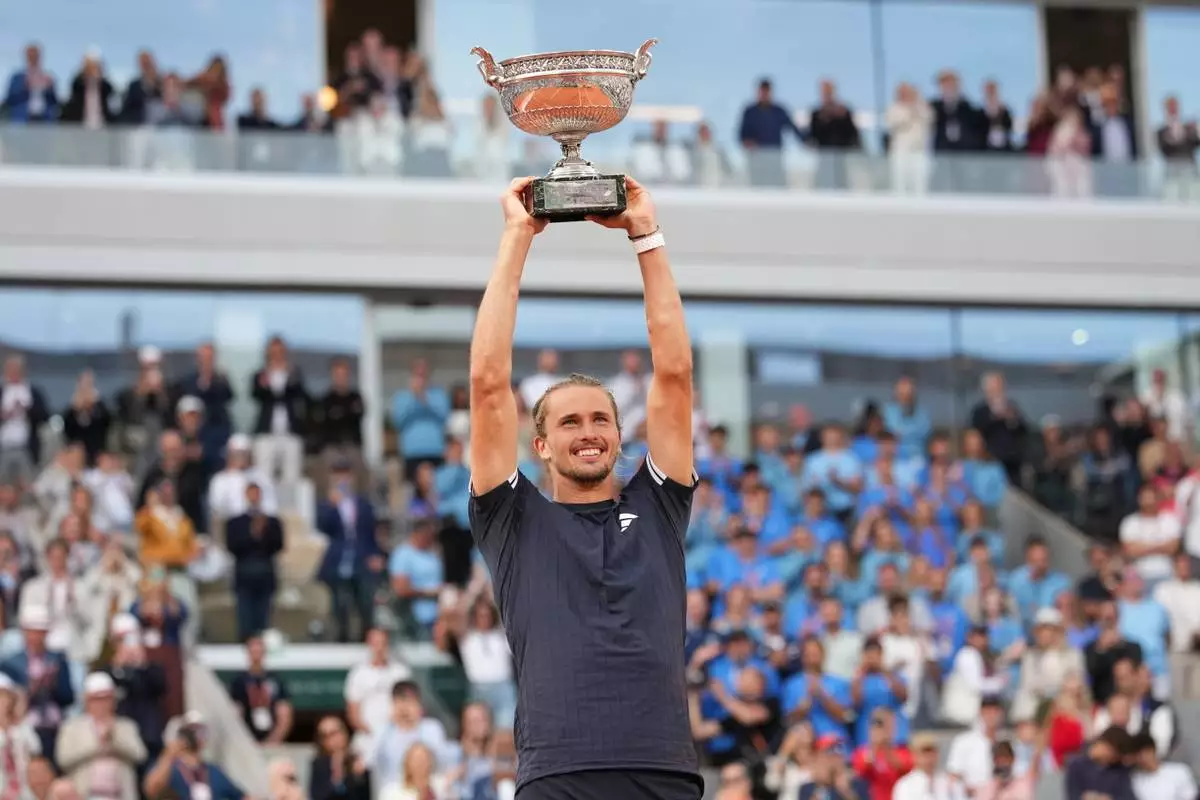
Alexander Zverev of Germany lifts the trophy after winning the men's final match against Flavio Cobolli of Italy at the French Open tennis tournament in Paris, Sunday, June 7, 2026. (AP Photo/Christophe Ena)
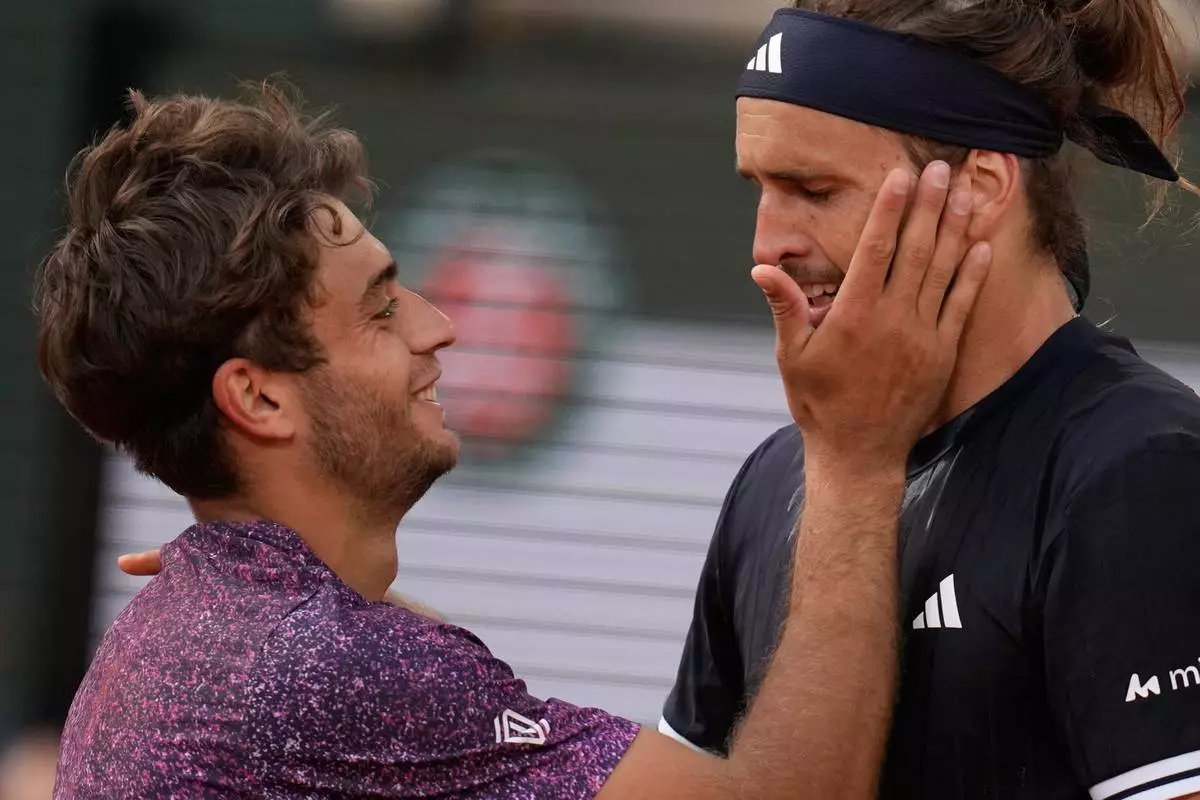
Second placed Flavio Cobolli of Italy, left, greets winner Alexander Zverev of Germany after their men's final match at the French Open tennis tournament in Paris, Sunday, June 7, 2026. (AP Photo/Christophe Ena)
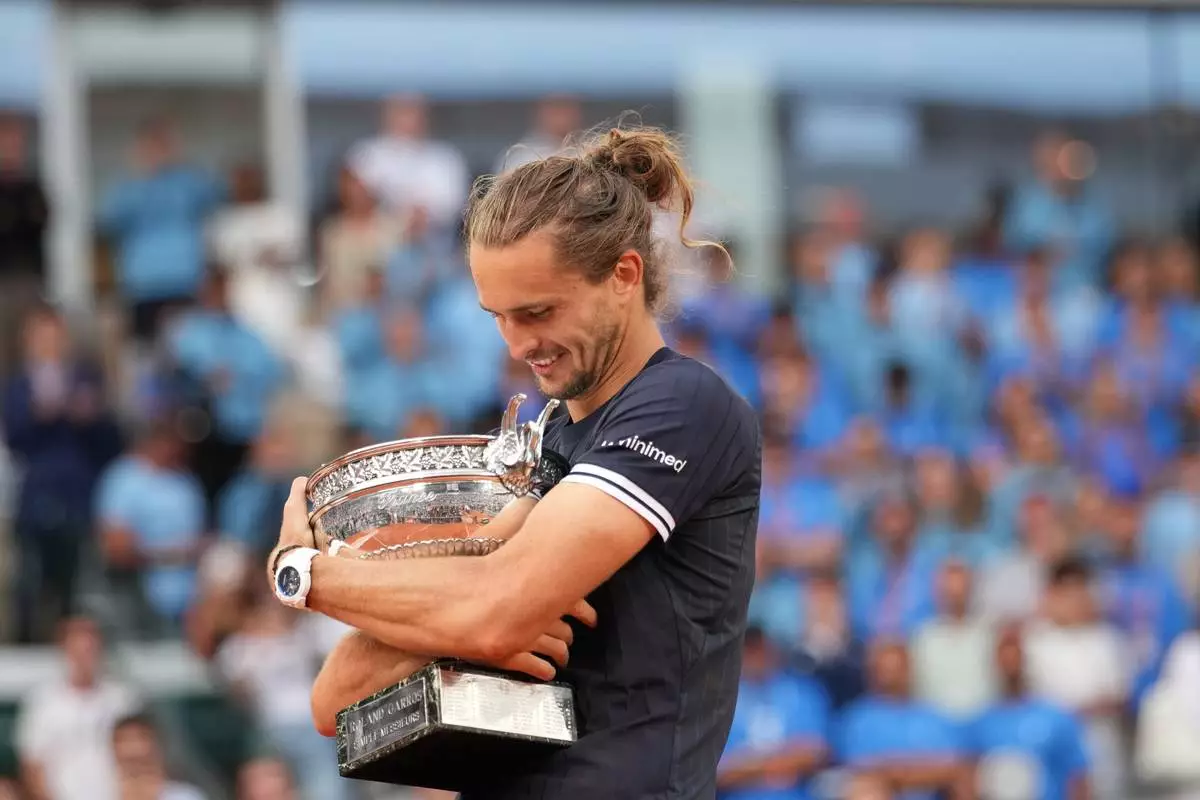
Alexander Zverev of Germany hugs the trophy after winning the men's final match against Flavio Cobolli of Italy at the French Open tennis tournament in Paris, Sunday, June 7, 2026. (AP Photo/Christophe Ena)
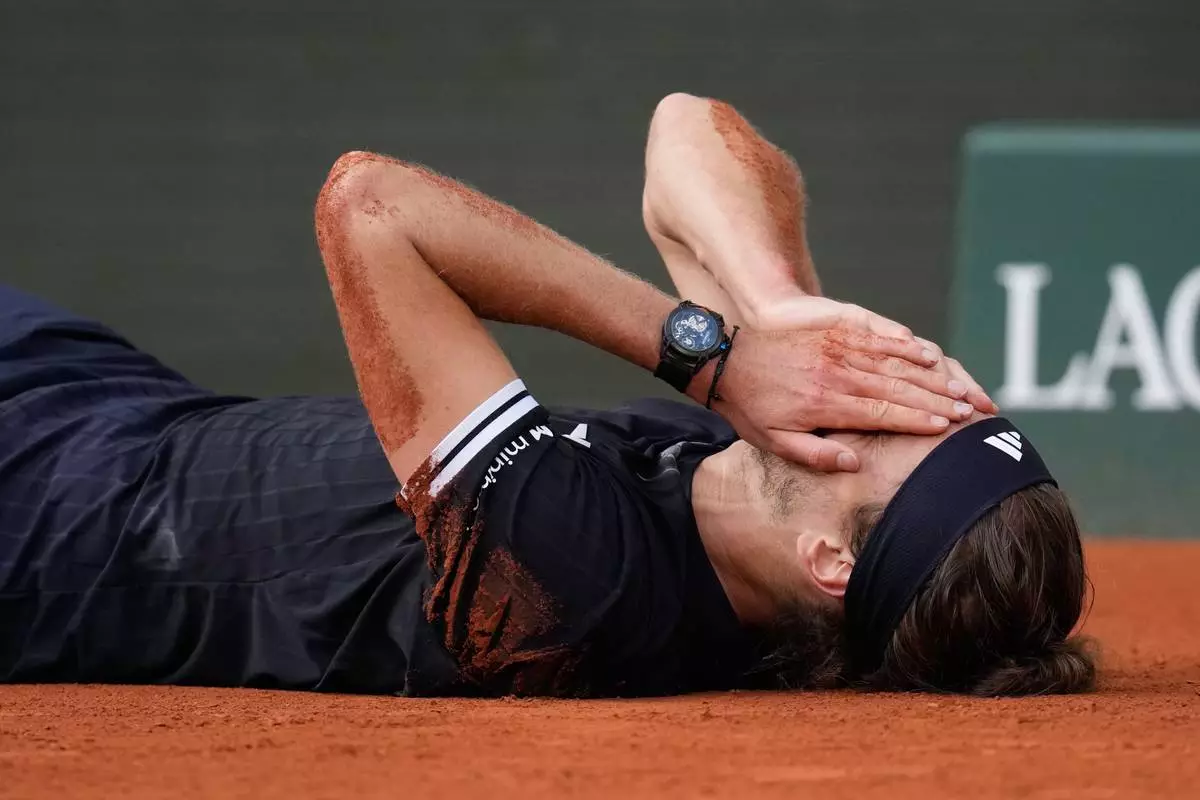
Alexander Zverev of Germany celebrates after winning the men's final match against Flavio Cobolli of Italy at the French Open tennis tournament in Paris, Sunday, June 7, 2026. (AP Photo/Christophe Ena)
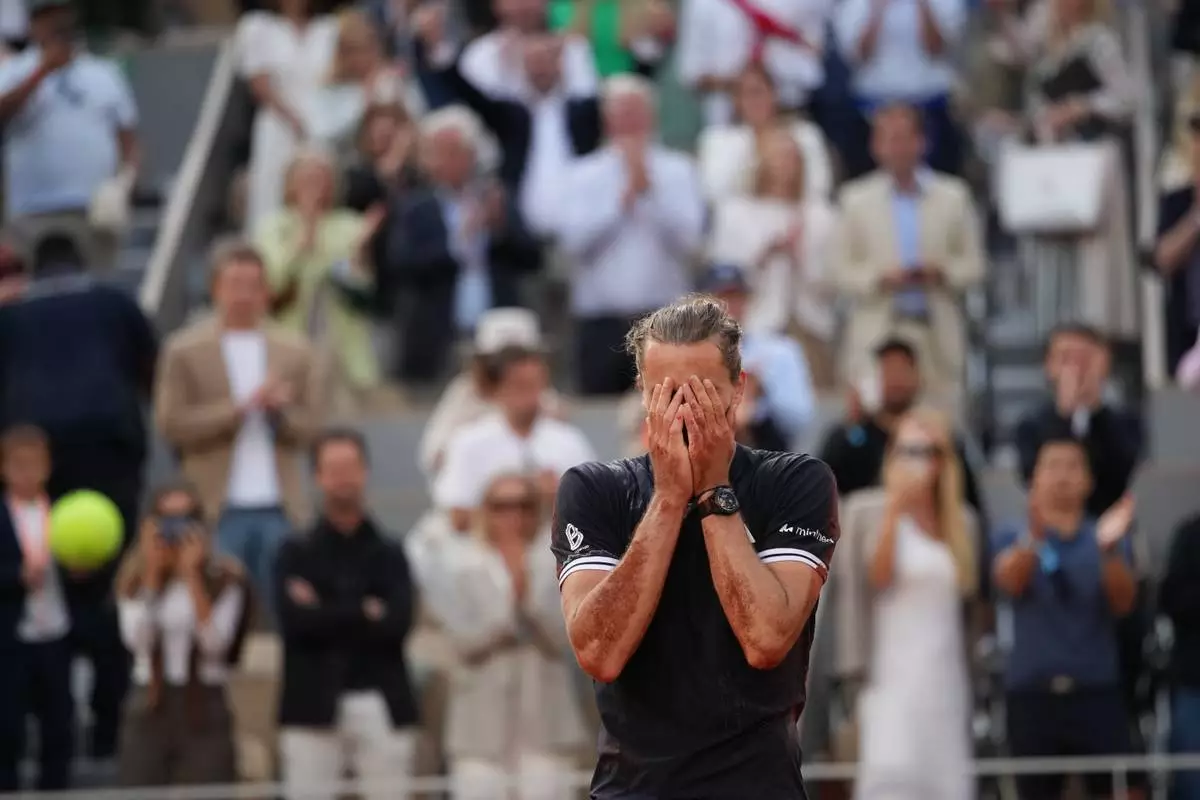
Alexander Zverev of Germany celebrates after winning the men's final match against Flavio Cobolli of Italy at the French Open tennis tournament in Paris, Sunday, June 7, 2026. (AP Photo/Christophe Ena)
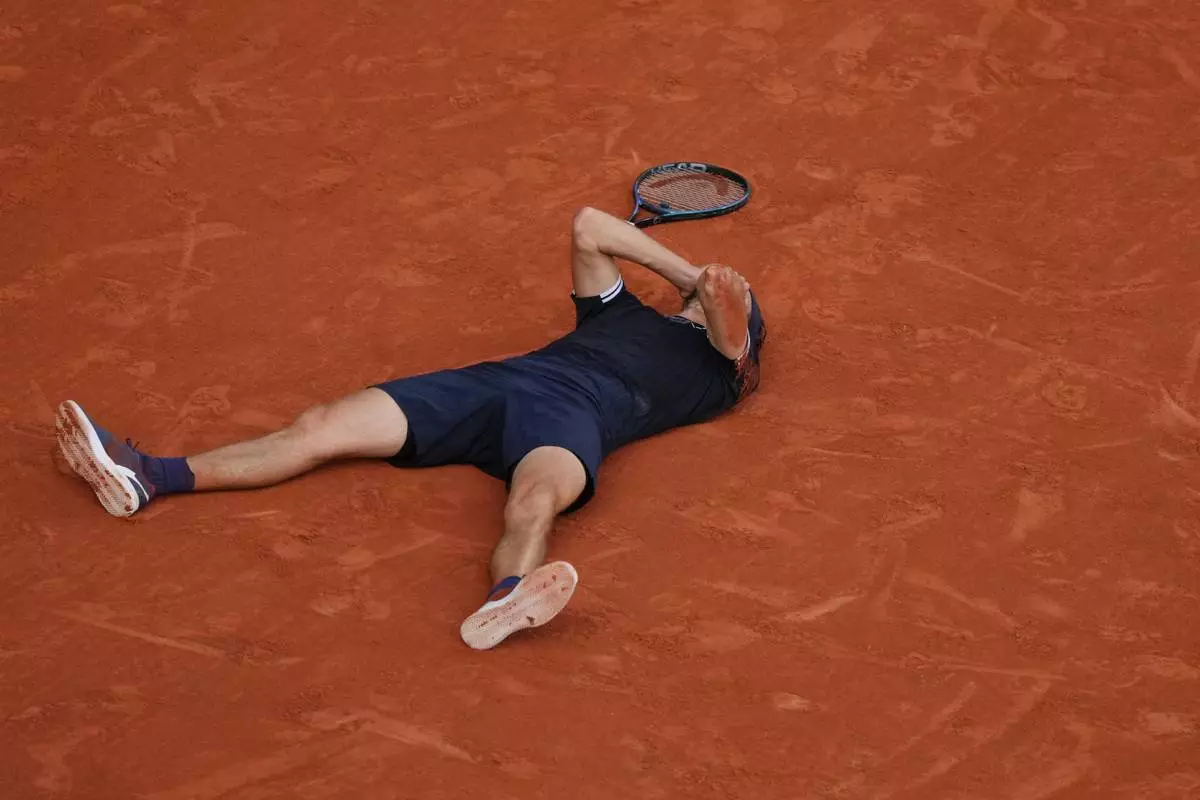
Alexander Zverev of Germany reacts after winning the men's final match against Flavio Cobolli of Italy at the French Open tennis tournament in Paris, Sunday, June 7, 2026. (AP Photo/Aurelien Morissard)
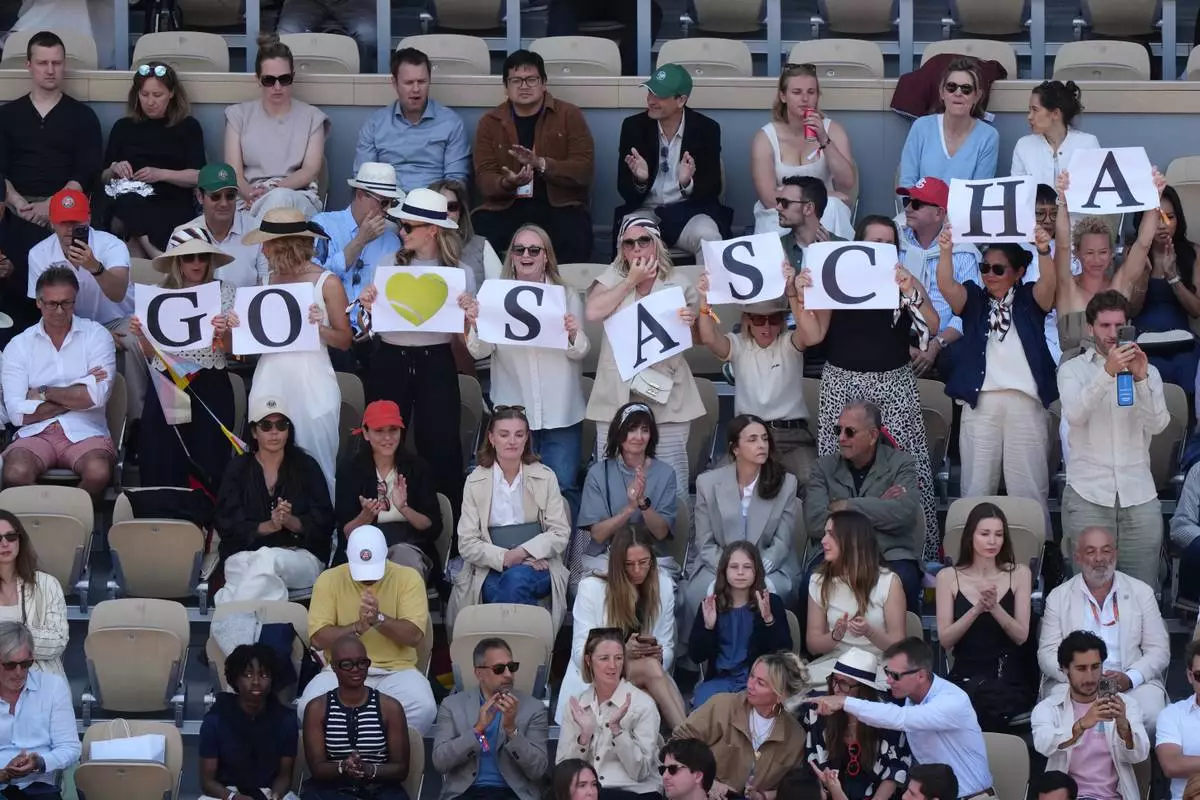
Fans of Alexander Zverev of Germany support him before the men's final match against Flavio Cobolli of Italy at the French Open tennis tournament in Paris, Sunday, June 7, 2026. (AP Photo/Aurelien Morissard)
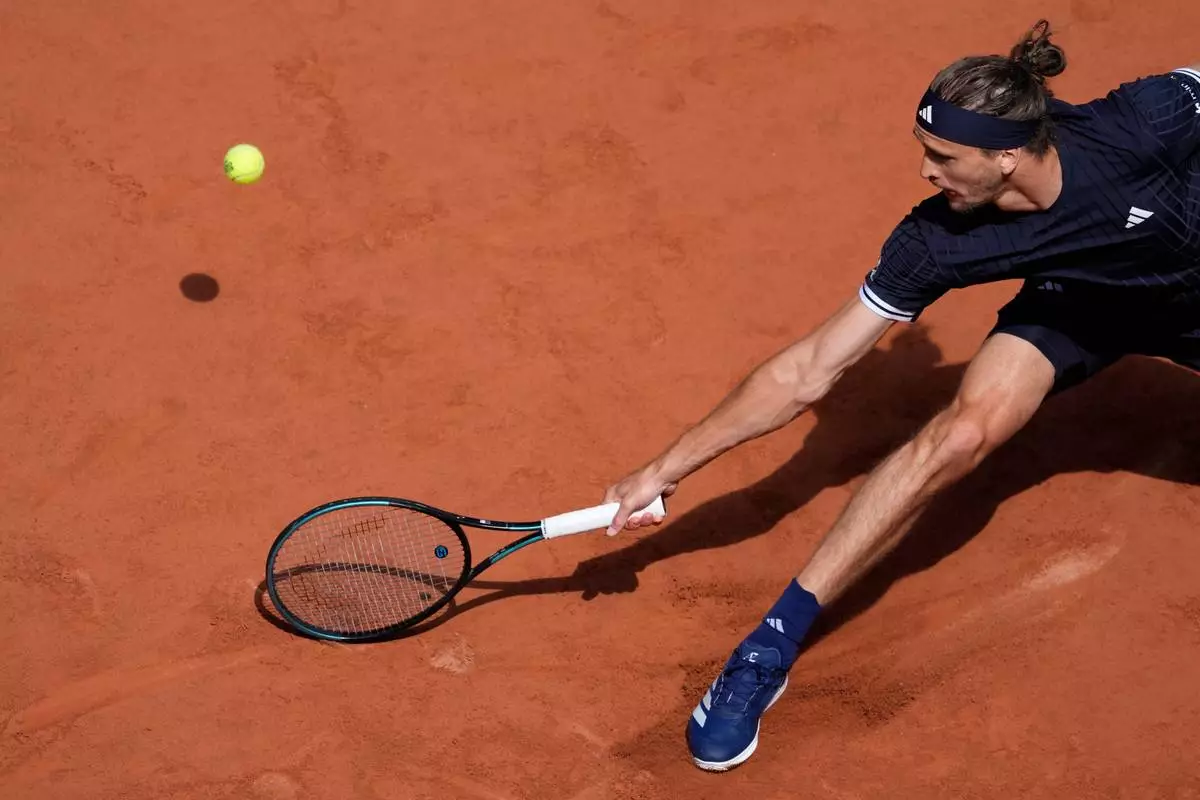
Alexander Zverev of Germany returns to Flavio Cobolli of Italy during their men's final match at the French Open tennis tournament in Paris, Sunday, June 7, 2026. (AP Photo/Christophe Ena)
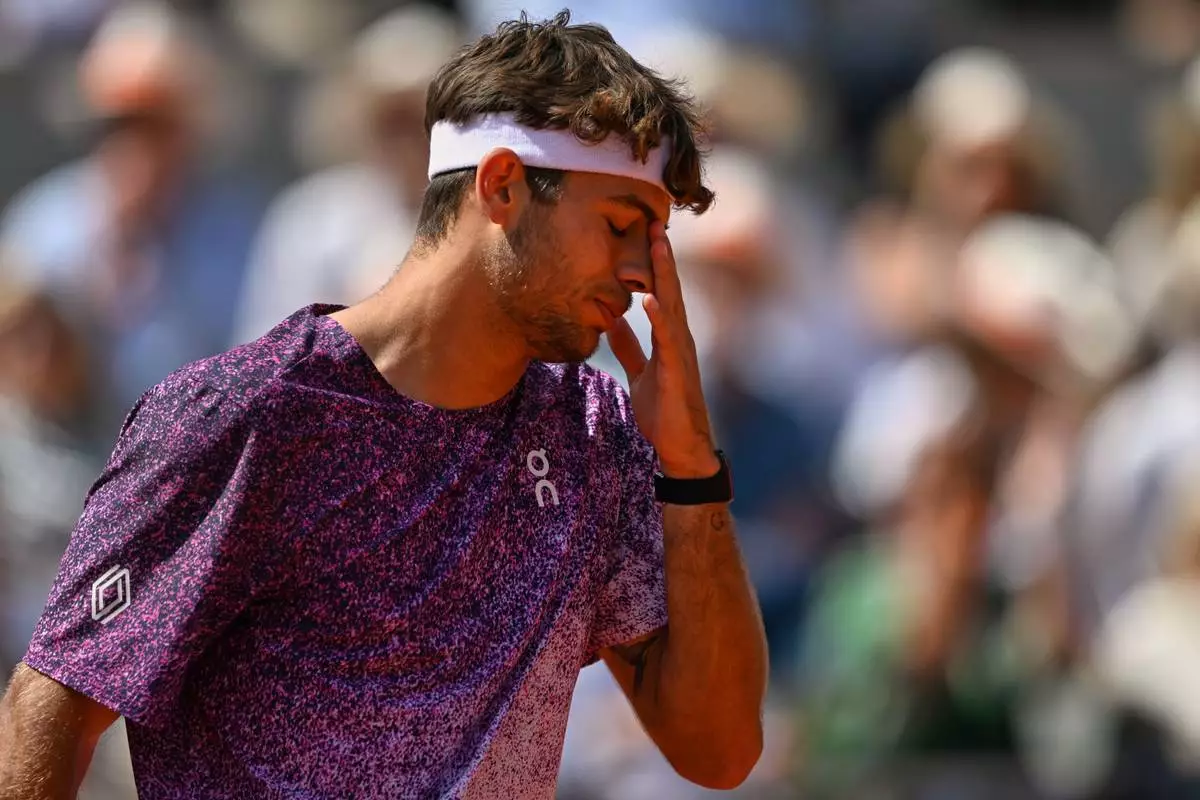
Italy's Flavio Cobolli reacts during the final tennis match against Germany's Alexander Zverev at the French Open in Paris, Sunday, June 7, 2026. (AP Photo/Emma Da Silva)
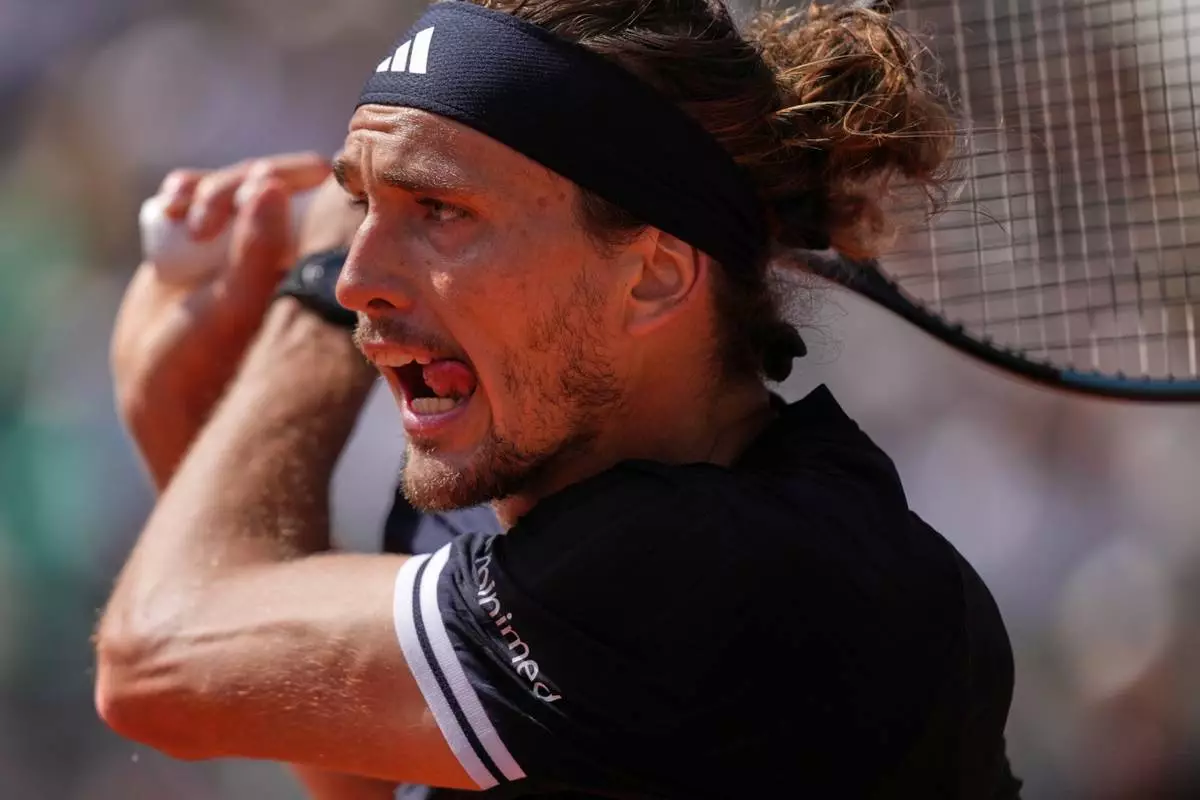
Germany's Alexander Zverev returns during the final tennis match against Italy's Flavio Cobolli at the French Open in Paris, Sunday, June 7, 2026. (AP Photo/Thibault Camus)
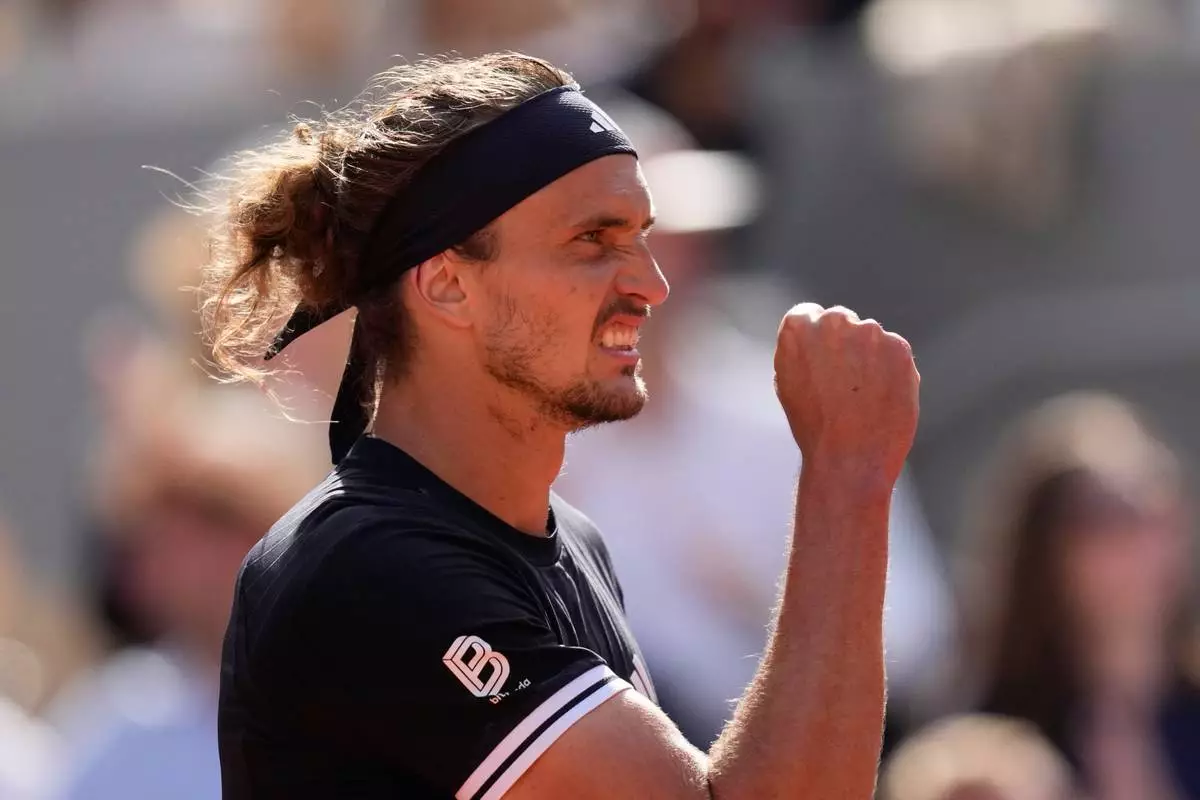
Alexander Zverev of Germany reacts as he plays against Flavio Cobolli of Italy during their men's final match at the French Open tennis tournament in Paris, Sunday, June 7, 2026. (AP Photo/Christophe Ena)
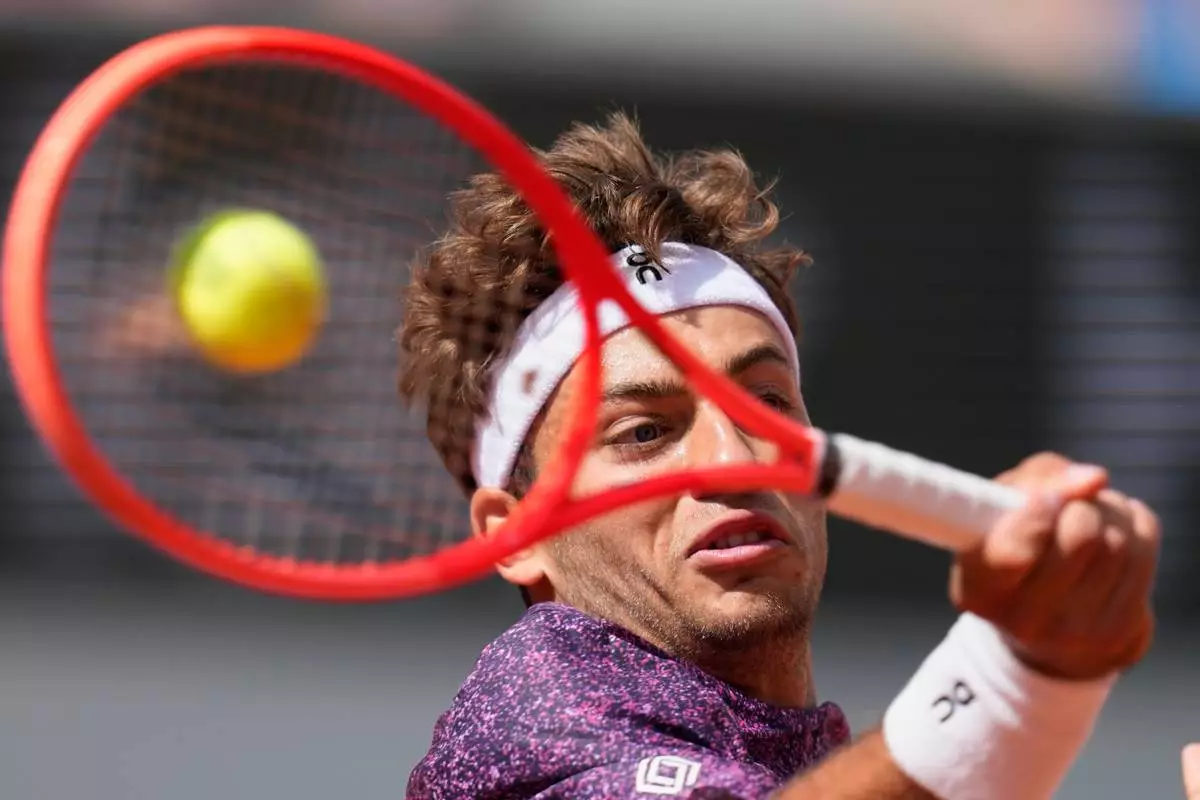
Italy's Flavio Cobolli returns to Zachary Svajda of the United States during the fourth-round tennis match at the French Open in Paris, Monday, June 1, 2026. (AP Photo/Christophe Ena)
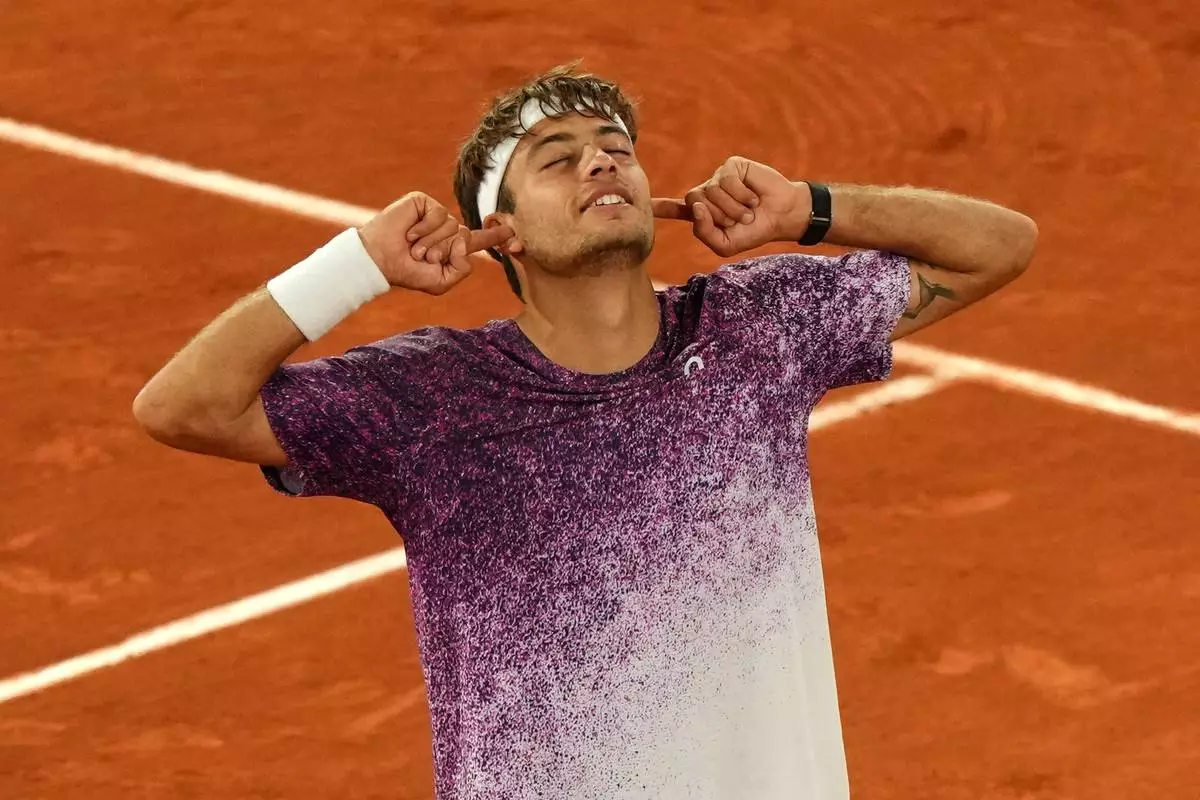
Italy's Flavio Cobolli reacts after winning the quarterfinal tennis match against Canada's Felix Auger-Aliassime at the French Open in Paris, Wednesday, June 3, 2026. (AP Photo/Aurelien Morissard)
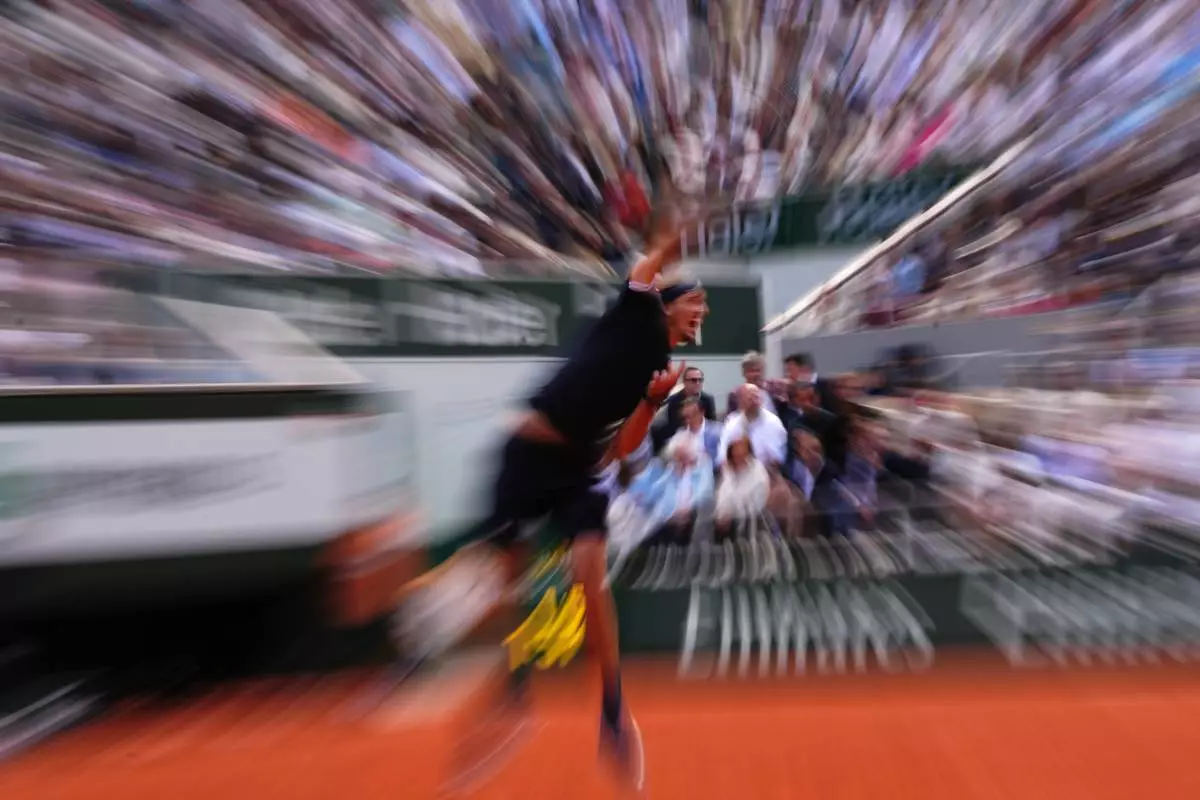
Germany's Alexander Zverev serves to Czech Republic's Jakub Mensik during the semifinal tennis match at the French Open in Paris, Friday, June 5, 2026. (AP Photo/Christophe Ena)
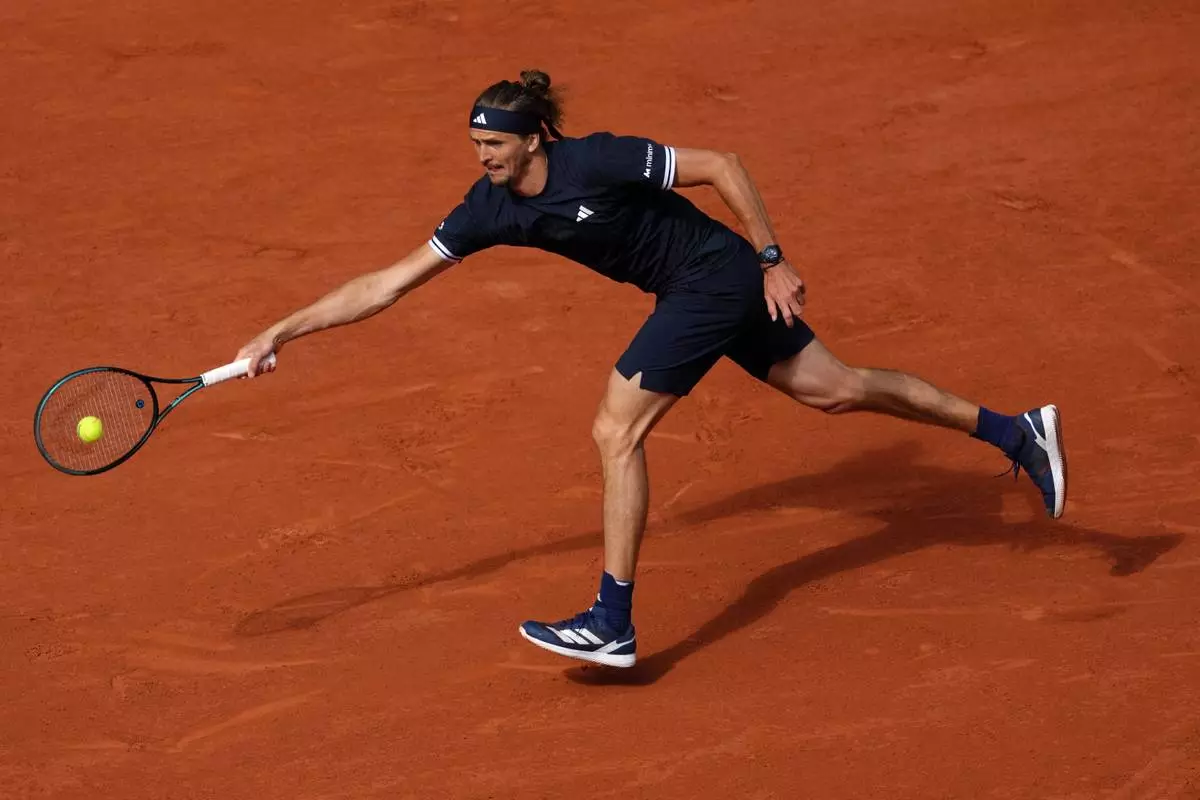
Germany's Alexander Zverev returns to Czech Republic's Jakub Mensik during the semifinal tennis match at the French Open in Paris, Friday, June 5, 2026. (AP Photo/Aurelien Morissard)