UNITED NATIONS (AP) — U.S. diplomats walked out as their French counterparts were speaking at the United Nations on Monday after America’s close European ally criticized the Trump administration's human rights record.
The surprise move during a U.N. Security Council meeting on Ukraine followed U.S. opposition to giving U.N. human rights chief Volker Türk another four-year term. The reappointment on Friday got overwhelming support, including from France.
The U.S. walkout reflects not only the more strained relations between President Donald Trump and his French counterpart, Emmanuel Macron, but also wider tensions between the U.S. and Europe. These include questions over Trump's commitment to NATO, possible changes to U.S. troop deployments in Europe, and Trump’s desire to control Greenland, which belongs to NATO member Denmark.
Trump has complained that Europeans, who weren't consulted, did not help the U.S. during the Iran war. Amid the tensions, Macron has taken a lead in trying to build up Europe's military and ensure a nuclear umbrella as one of the continent's two nuclear powers, along with Britain.
After Monday’s brief walkout, deputy U.S. ambassador Dan Negrea accused France of feigning “moral outrage” and pretending to lecture the world about every topic, including human rights.
The United States has stood by France in every conflict where its "freedom has been imperiled” and tolerated its grandstanding “out of a sense of camaraderie and mutual respect,” he said, but no more.
What sparked the walkout was a social media post Friday from France’s U.N. Mission in Geneva criticizing U.S. opposition to a second term for the U.N. rights chief. The General Assembly voted 144-10 with 13 abstentions in support of Türk, with the U.S. among the “no” votes.
“The US used to be a beacon of human rights. Not anymore. Today, it stands alongside North Korea, Nicaragua, Mali & Russia, isolated. And the world no longer listens to it,” the French Mission tweeted.
Mike Waltz, the U.S. ambassador to the U.N., in responding on X, accused France of coddling ”some of the worst human rights abusers” and voting “for someone who has been lecturing, free, sovereign democracies like the United States, the UK, and Israel, while cozying up to the world’s worst oppressors.”
Türk’s job as the U.N. rights chief, by its nature, is tricky: It requires speaking out against rights violations by the governments of the countries that make up the membership of the world body.
For instance, Türk has sharply criticized Russia’s 2022 invasion of Ukraine and Israel’s war in Gaza as well as having urged a “massive rethink” of U.S. immigration policy before the World Cup, citing issues around “racial profiling, surveillance and immigration enforcement.”
At Monday’s meeting, Negrea drilled in on France.
“Today, I remind them that it is the United States that remains the beacon of liberty for the world,” he said. “As such, we will not be affording them the benefit of listening to their politicized drivel until they renounce their condescending and disrespectful rhetoric and behave in a manner commensurate with their seat on this council.”
France’s U.N. Ambassador Jerome Bonnafont never mentioned the walkout when asked to take the floor at the end of the council meeting to respond.
Instead, he noted that France — which helped the United States gain its independence — took part in the July 4 celebration of America’s 250th anniversary.
“The United Nations was created with the goal of working towards international peace and security, human rights and development,” he said. “All of that forms the spirit in which France works within the United Nations … to preserve this institution, its independence, its ability to act in service of the charter and act to serve human rights and peace.”

U.N. High Commissioner for Human Rights Volker Turk speaks to the media during a press conference in Beirut, Lebanon, Monday, July 27, 2026. (AP Photo/Hassan Ammar)

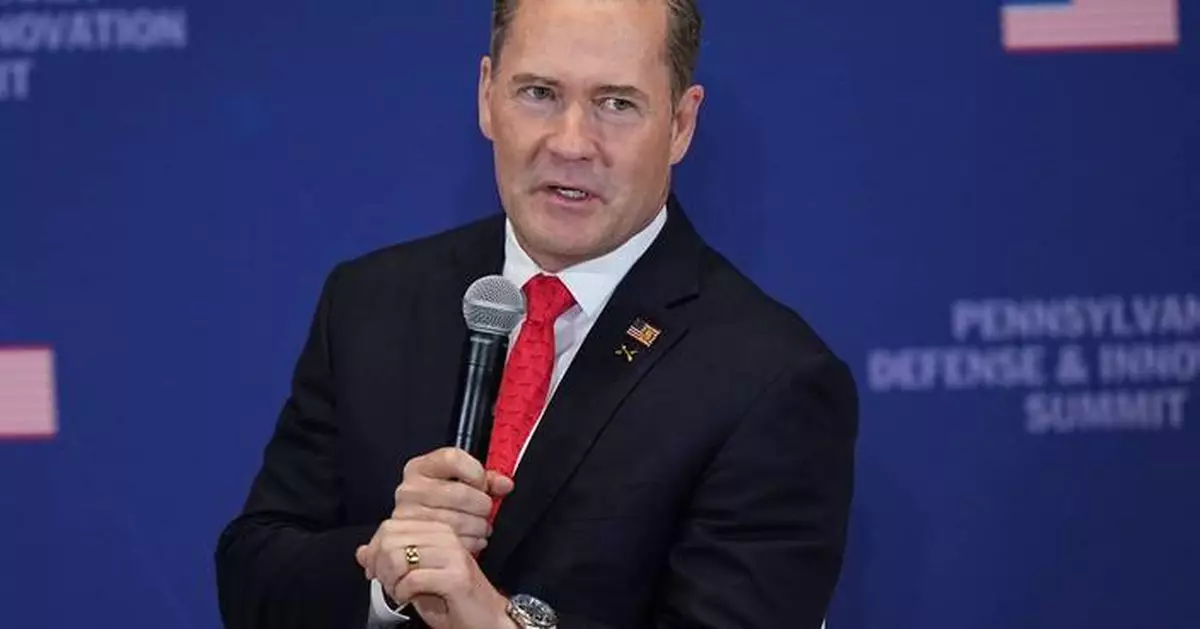
U.S. Ambassador to the United Nations Mike Waltz speaks before President Donald Trump arrives at the United States Army War College in Carlisle, Pa., during the Pennsylvania Defense and Innovation Summit, Wednesday, July 15, 2026. (AP Photo/Matt Rourke)
Stocks on Wall Street drifted to a mixed close Monday as oil prices fell after the U.S. and Iran paused their attacks while work resumed on restarting negotiations to end the war.
The S&P 500 rose less than 0.1% after spending much of the day bouncing between small gains and losses. The benchmark index was coming off two weekly losses in a row. The Dow Jones Industrial Average rose 0.5%, and the Nasdaq composite fell 0.2%, its fourth straight loss.
The three major stock indexes are on pace to close out this month in the red. It would be the second straight monthly loss for the S&P 500 and Nasdaq.
Oil prices reversed course from a week ago, when a sharp escalation in fighting between the U.S. and Iran worsened worries about global oil supplies. The price of Brent crude, the international standard, dropped 6.3% to settle at $85.87 a barrel for October delivery. Prices surged to over $100 a barrel last week before easing.
U.S. crude oil for September delivery fell 7.5% to settle at $82.61 a barrel.
The war between the U.S. and Iran has sharply curtailed, and at a times halted, traffic through the vital Strait of Hormuz. That has had a ripple effect throughout the world’s economy. Gasoline prices have surged and shipping costs for most goods are rising, with businesses typically passing those costs along to households.
Markets closed higher in Europe and Asia.
Bond yields fell. The yield on the 10-year Treasury fell to 4.65% from 4.69% late Friday.
Technology companies were behind much of the shifts in the market, with gains and declines for a mix of big companies resulting in uncertain trading.
Nvidia fell 5% and Micron Technology slumped 2.3%. At the same time, Microsoft rose 1.9% and Apple rose 1.2%. They are all among the most valuable companies in the world, and those huge valuations give them more influence over the direction of the broader market.
The mix of gains and losses from a variety of those companies had more impact in pushing and pulling the market, even as the majority of companies in the S&P 500 gained ground.
Communications company stocks were among the gainers Monday. Google parent Alphabet rose 2.1%, while Charter Communications jumped 6.7% and Comcast rose 2.3%.
Credit card issuers and payment processors also notched gains. American Express climbed 2.8%, Capital One Financial added 2.1%, Visa rose 1.9% and rival Mastercard gained 2.2%.
In Asia, Chinese memory chipmaker CXMT soared in its debut in Shanghai. The company jumped to become China’s most valuable listed company with an estimated market capitalization of 3.3 trillion yuan (nearly $490 billion).
All told, the S&P 500 added 1.20 points to 7,413.18. The Dow gained 262.83 points to 52,210.08, and the Nasdaq dropped 43.74 points to 24,932.08.
Wall Street has a busy week ahead with several potentially mark-moving updates on the economy and company earnings. Reports are due out on consumer confidence Tuesday and inflation on Thursday.
“This is a week with more than its fair share of potential surprises, good and bad," said Chris Larkin, managing director, trading and investing, at E-Trade from Morgan Stanley.
The big focus will be on the Federal Reserve, which will give an update Wednesday on its interest rate policy. The central bank has been grappling with the impact from rising inflation because of the ongoing U.S. war with Iran. It also has to contend with a fresh round of U.S.-imposed tariffs globally, which could further worsen inflation.
Wall Street anticipates a nearly 36% chance that the Fed will raise interest rates at its meeting this week. Higher rates can help cool inflation by making borrowing more expensive and slowing economic growth.
The central bank has been holding rates steady throughout the year as it monitors inflation’s direction and impact, but Wall Street expects at least one rate hike by the end of the year.
Stubbornly high inflation has been squeezing households and fuel costs have hit budgets and spending particularly hard. Gasoline costs are taking a bigger chunk out of household budgets, and that could mean tighter spending on other things like clothing and travel.
Investors are monitoring the latest round of corporate earnings for signs of consumer stress along with whether the yearlong jump in stock values throughout Wall Street is justified by profits and forecasts for profit growth.
Investors also have a heavy round of corporate earnings to review this week. Many of those reports could provide more clues into the health of different areas of the economy. Paint and coatings maker Sherwin-Williams, aircraft maker Boeing and payments processor Visa will report their latest results on Tuesday.
Starbucks and Chipotle will report results on Wednesday.
Technology companies are being watched especially closely because their sharp gains throughout the year have been behind the Wall Street's record run. Microsoft will report results Wednesday. Amazon, with its growing cloud services business and AI focus, will report results on Thursday, along with Apple.
AP Business Writer Elaine Kurtenbach contributed to this report.
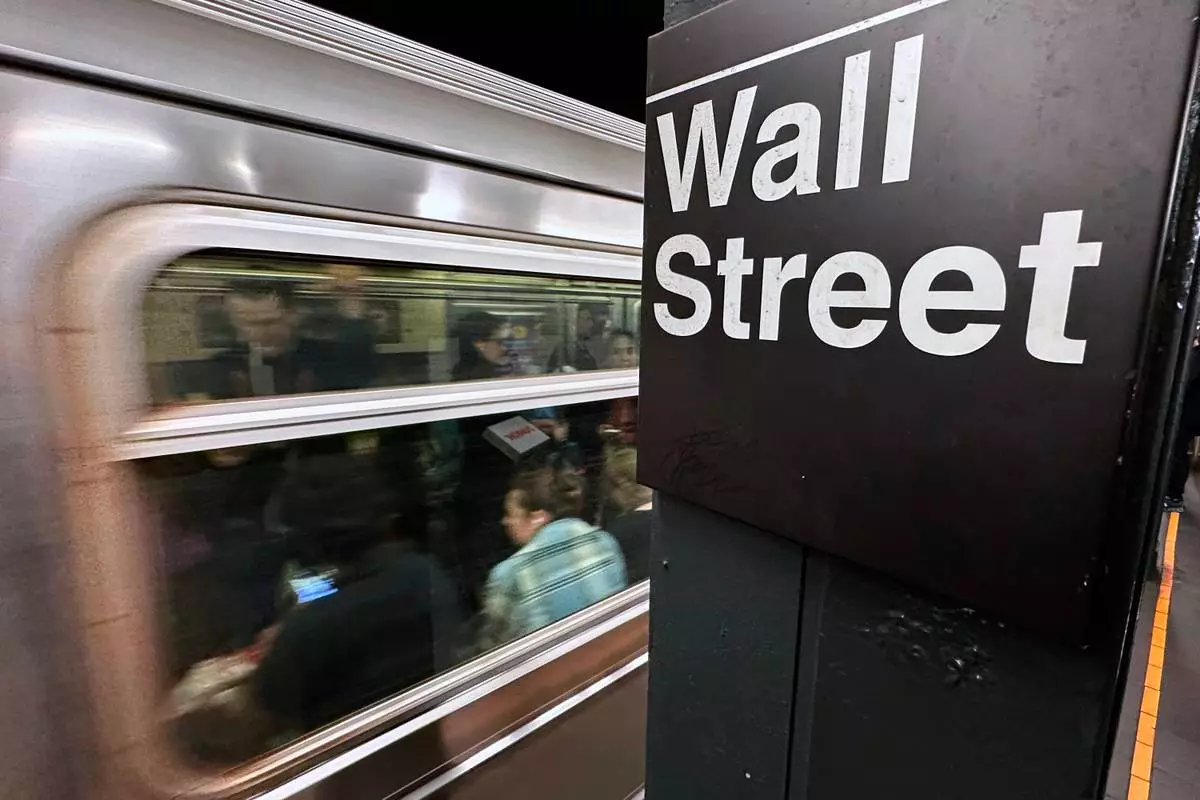
FILE - A train arrives at a Wall Street subway station in New York's Financial District on Nov. 5, 2024. (AP Photo/Peter Morgan, File)
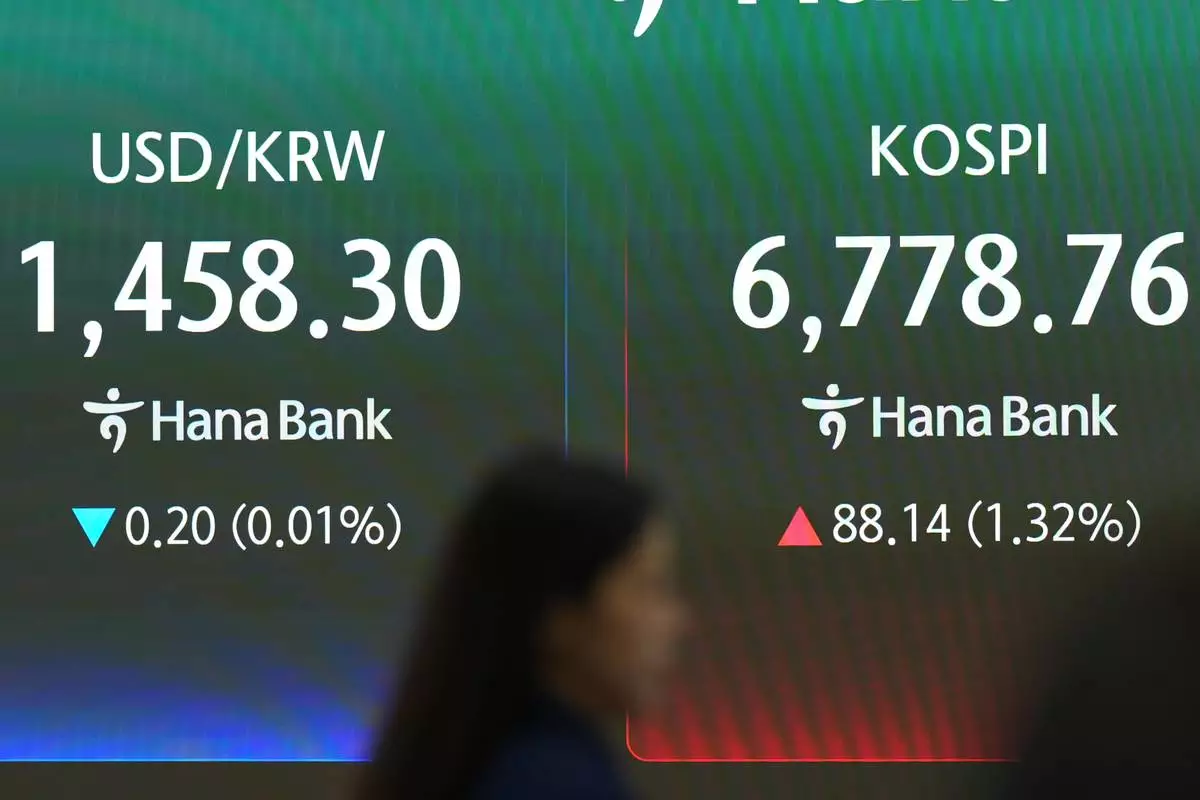
A dealer walks past near the screens showing the Korea Composite Stock Price Index (KOSPI) and the foreign exchange rate between U.S. dollar and South Korean won at a dealing room of Hana Bank in Seoul, South Korea, Monday, July 27, 2026. (AP Photo/Lee Jin-man)
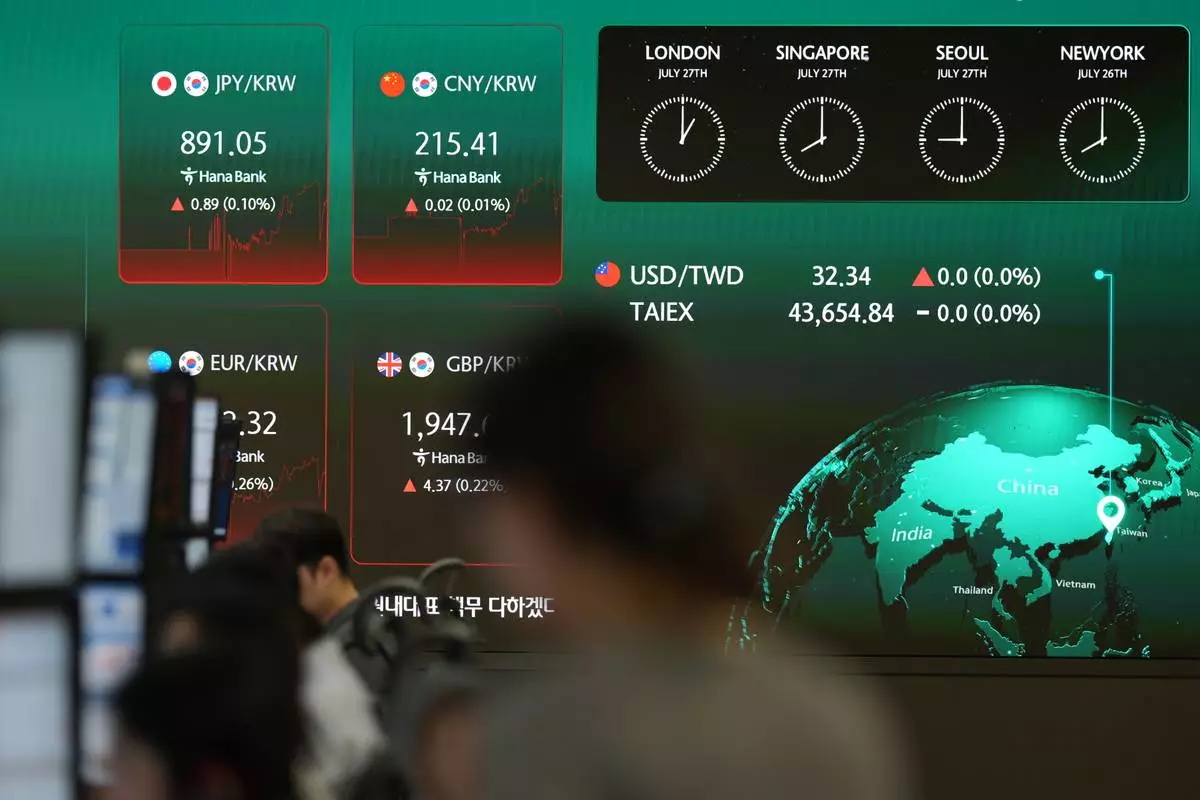
A dealer walks past near the screens showing the foreign exchange rates at a dealing room of Hana Bank in Seoul, South Korea, Monday, July 27, 2026. (AP Photo/Lee Jin-man)
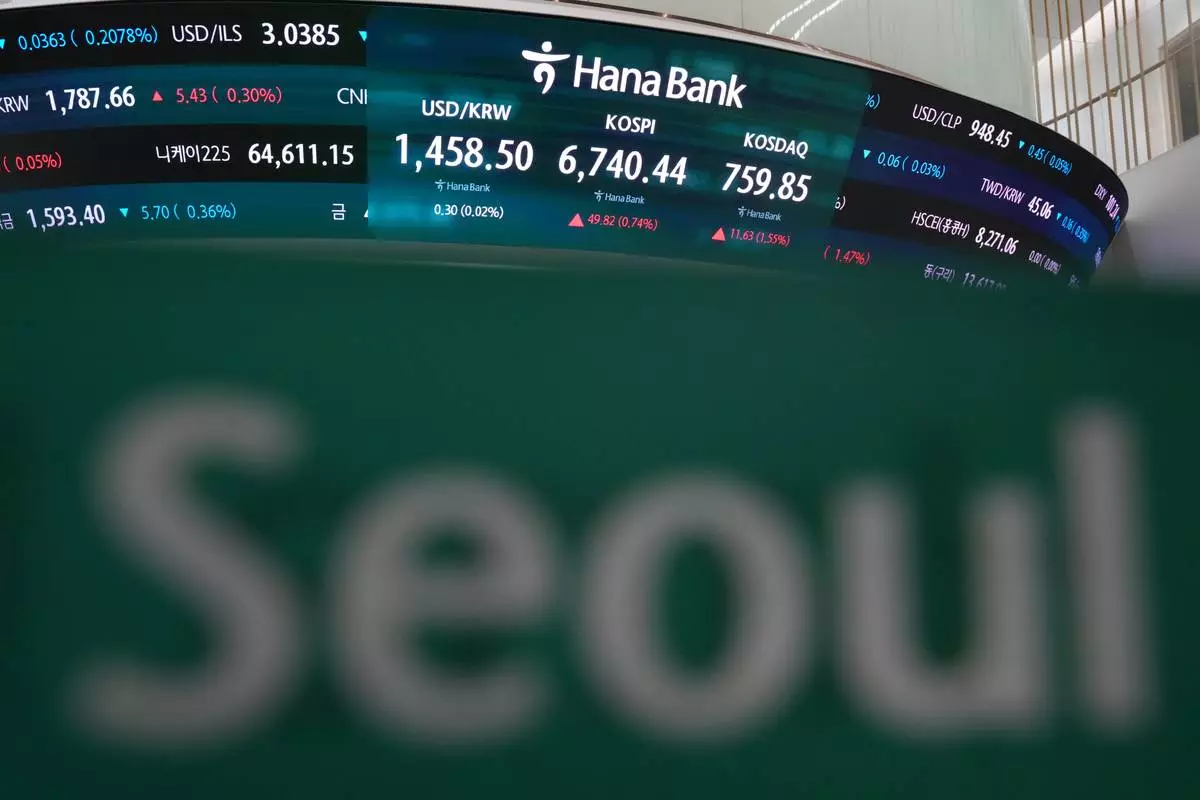
The screens show the Korea Composite Stock Price Index (KOSPI), the foreign exchange rate between U.S. dollar and South Korean won and the Korean Securities Dealers Automated Quotations (KOSDAQ) at a dealing room of Hana Bank in Seoul, South Korea, Monday, July 27, 2026. (AP Photo/Lee Jin-man)
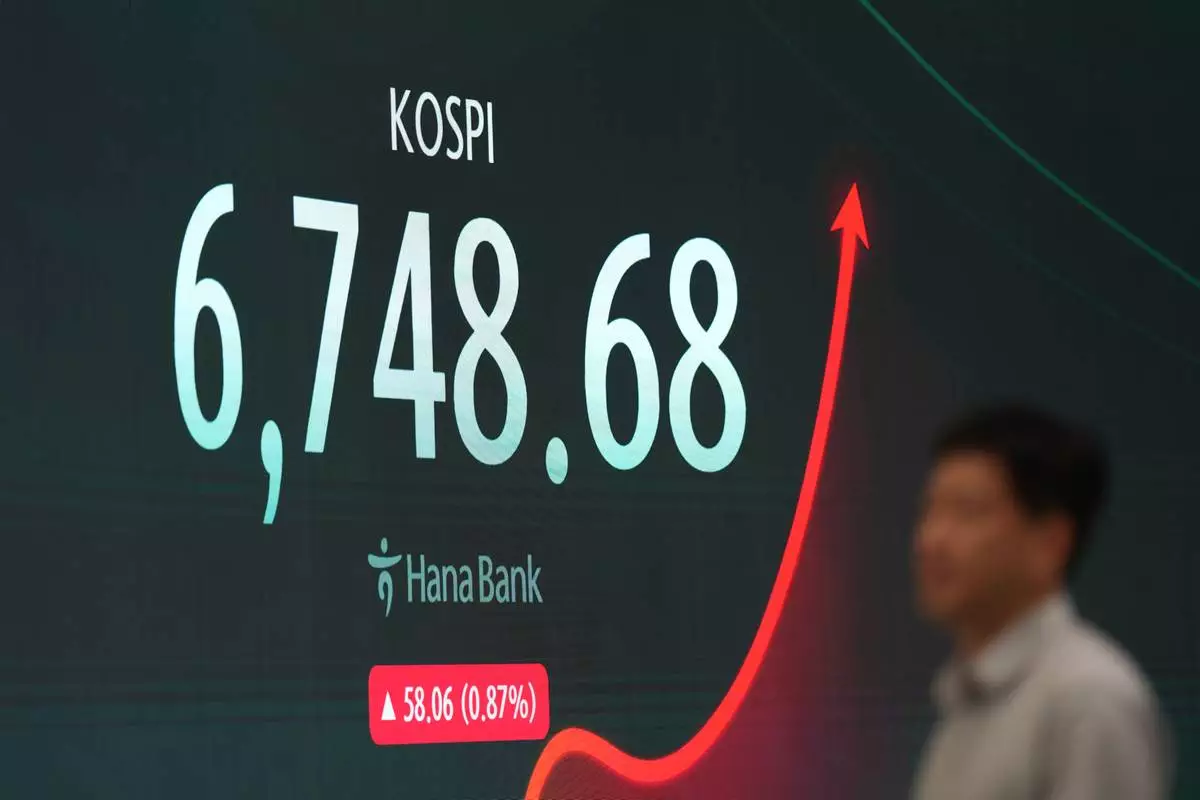
A dealer walks past near the screen showing the Korea Composite Stock Price Index (KOSPI) at a dealing room of Hana Bank in Seoul, South Korea, Monday, July 27, 2026. (AP Photo/Lee Jin-man)
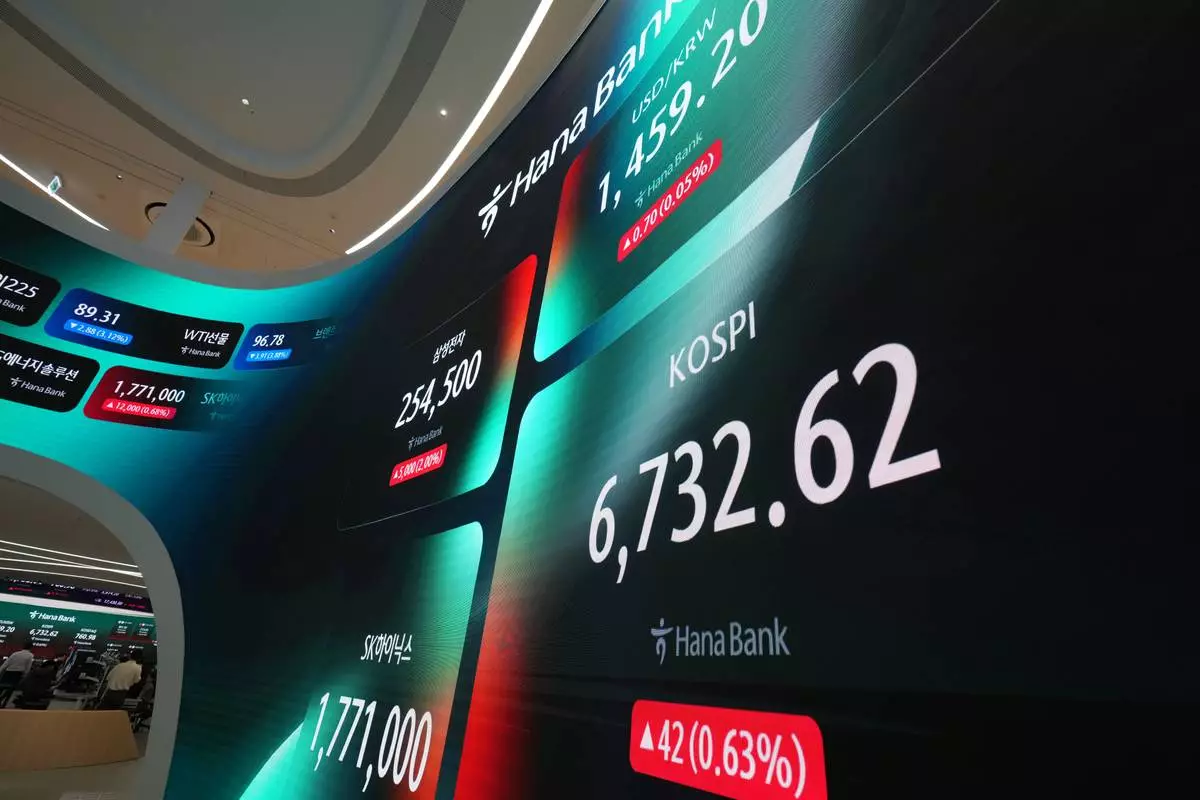
The screens show the Korea Composite Stock Price Index (KOSPI) and the foreign exchange rate between U.S. dollar and South Korean won at a dealing room of Hana Bank in Seoul, South Korea, Monday, July 27, 2026. (AP Photo/Lee Jin-man)