Iran has insisted on a ceasefire prior to any nuclear negotiations, as the U.S.-Israeli war against Iran entered its 100th day on Sunday, according to a news analysis from China Central Television (CCTV).
The analysis, published also on Sunday, said the stance that Iran is maintaining now is that the United States must first sign a memorandum of understanding on ceasefire with Iran before engaging in any nuclear negotiations.
The Iranian side argued that over the past year, the United States launched two sudden military strikes during periods of nuclear negotiations, which gave rise to doubts in Iran about U.S. sincerity and true intentions.
From Iran's perspective, obtaining firm guarantees and achieving a genuine ceasefire and cessation of hostilities are the top priorities. Only after signing a ceasefire memorandum of understanding aimed at ending the war on all fronts in the region would Iran agree to resume nuclear talks with the United States.
Iranian analysts said contradictions between U.S. statements and actions, along with ever-expanding demands, have prevented the two sides from reaching such an understanding. In Iran's view, negotiations are being used by the United States to secure at the table what it failed to achieve on the battlefield by adding new terms that Iran will not accept if they undermine national interests.
In addition, the ongoing conflict between Lebanon and Israel, with the risk of further escalation, has complicated the Iran-U.S. negotiation process. Whether during the temporary ceasefire reached on April 8 or the current negotiations, Iran has consistently demanded an end to fighting on all regional fronts, including in Lebanon. However, since June this year, Israel has intensified its strikes against Hezbollah in Lebanon.
Iranian analysts argued that in previous years, Israel often intervened when Iran-U.S. negotiations resumed, disrupting the process. Likewise, Israel is now again seeking to increase military pressure on Hezbollah at a moment when Iran-U.S. talks are stalled but not entirely broken down, in order to seek maximum advantage and greater leverage to influence the region.
Moreover, the Iran-U.S. naval standoff is evolving into frequent military clashes. In the past two weeks, several military confrontations occurred near the Strait of Hormuz. These incidents have not only cast doubt on the future of Iran-U.S. negotiations, but also raised global concerns about the spillover of risks in the Middle East.
Iranian analysts widely believe the United States and Israel initiated this regional conflict through preemptive strikes against Iran to trigger the current U.S.-Israeli war on Iran, which has affected the entire West Asia. Whether regional peace and stability can be restored now depends on the attitude of the United States.
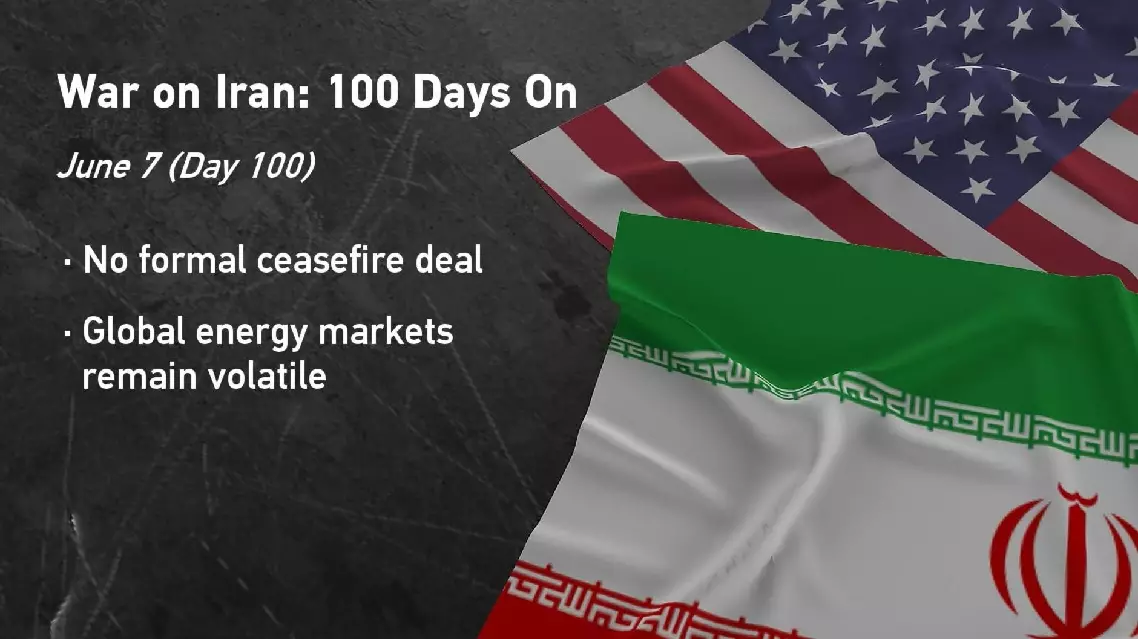
Iran insists on ceasefire before nuclear talks as war reaches day 100: analysis