SAN FRANCISCO--(BUSINESS WIRE)--Jun 11, 2026--
ComplianceCow, an agentic automation platform for enterprise security GRC teams, will host a live webinar on June 22, 2026 demonstrating how Generative AI transforms natural language inputs into deterministic, auditable Continuous Controls Monitoring (CCM) 3.0 controls inside ServiceNow IRM.
This press release features multimedia. View the full release here: https://www.businesswire.com/news/home/20260611272738/en/
The session, titled From Prompt to Production: Building Automated CCM 3.0 Controls with Generative AI in ServiceNow IRM, runs from 1:30 to 2:00 pm ET and is open to compliance managers, GRC directors, and IT audit leads seeking to accelerate control deployment without engineering bottlenecks.
From Months to Minutes
Traditional CCM implementations – whether RPA-based screen scraping or API-driven integrations – require significant engineering effort and long deployment timelines. GRC teams struggle to keep pace with modern DevOps cycles, spending more time chasing manual evidence than managing risk.
CCM 3.0 addresses this directly. Using Generative AI, compliance teams can describe a control in plain language and have structured, production-ready control code generated, validated, and deployed in minutes. Outputs are deterministic – the same input produces the same output every run – and fully auditable, with a complete trace from prompt to evidence.
What the Session Covers
The June 22 session will include a live, end-to-end demonstration inside ServiceNow IRM across two control scenarios: user access reviews for privileged accounts and segregation of duties conflict detection. Attendees will see a plain-language prompt entered, control logic generated by Generative AI, code executed against live data, and evidence automatically attached to the relevant assessment control.
Attendees will leave with a working understanding of three things: why CCM 3.0 represents a generational shift from prior continuous controls monitoring approaches; how Generative AI produces deterministic, auditable outputs rather than probabilistic or hallucinated results; and how to move from a natural language control description to a running compliance control inside ServiceNow IRM.
Speakers
The session will be led by Raj Krishnamurthy, CEO of ComplianceCow, and Megha Shah, Head of Customer Success.
Registration
The webinar is free to attend. Learn more and register here: [ https://www.compliancecow.com/blog/from-prompt-to-production-generative-ai-ccm-30-controls-servicenow-irm-webinar ]. A replay will be available to registered attendees following the live session.
About ComplianceCow
ComplianceCow is an agentic automation studio for enterprise security GRC teams managing continuous compliance across hybrid cloud, on-premise, and proprietary systems. The platform evaluates control behavior across cloud, identity, CI/CD, and proprietary systems, producing machine-verifiable evidence that feeds into and complements GRC platforms like ServiceNow, Vanta, and Optro (formerly AuditBoard). ComplianceCow replaces manual evidence collection, brittle scripts, and template-based tools that fail in complex, non-standard environments. Backed by Surface Ventures, Westwave Capital, and Garuda Ventures, customers including Fortune 100 companies report up to 80% reduction in audit preparation time. Learn more at compliancecow.com.
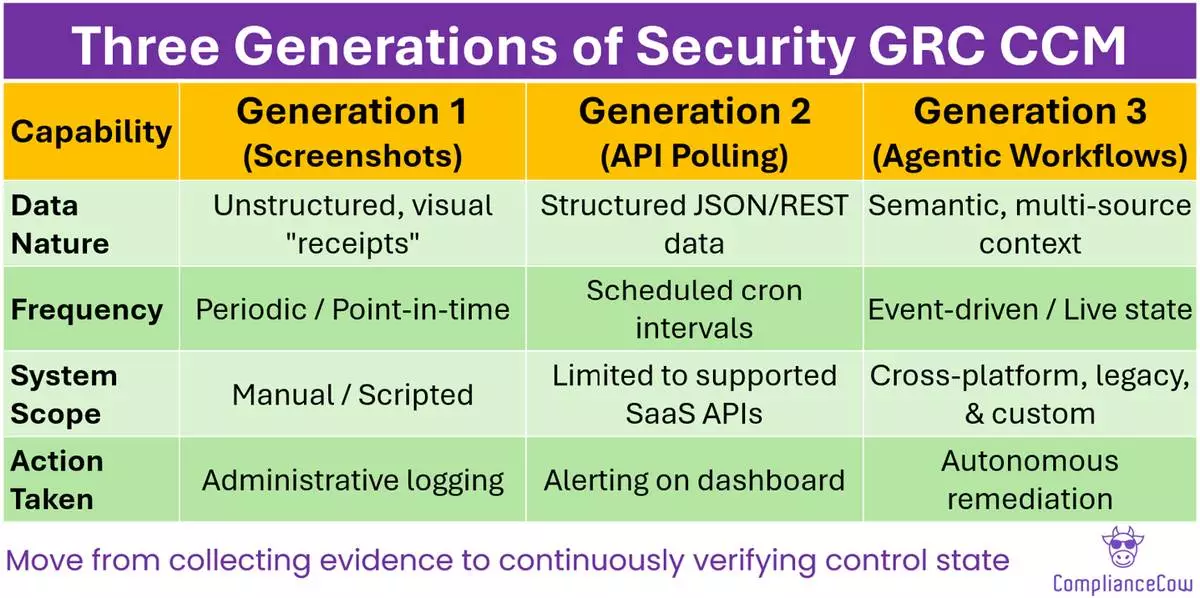
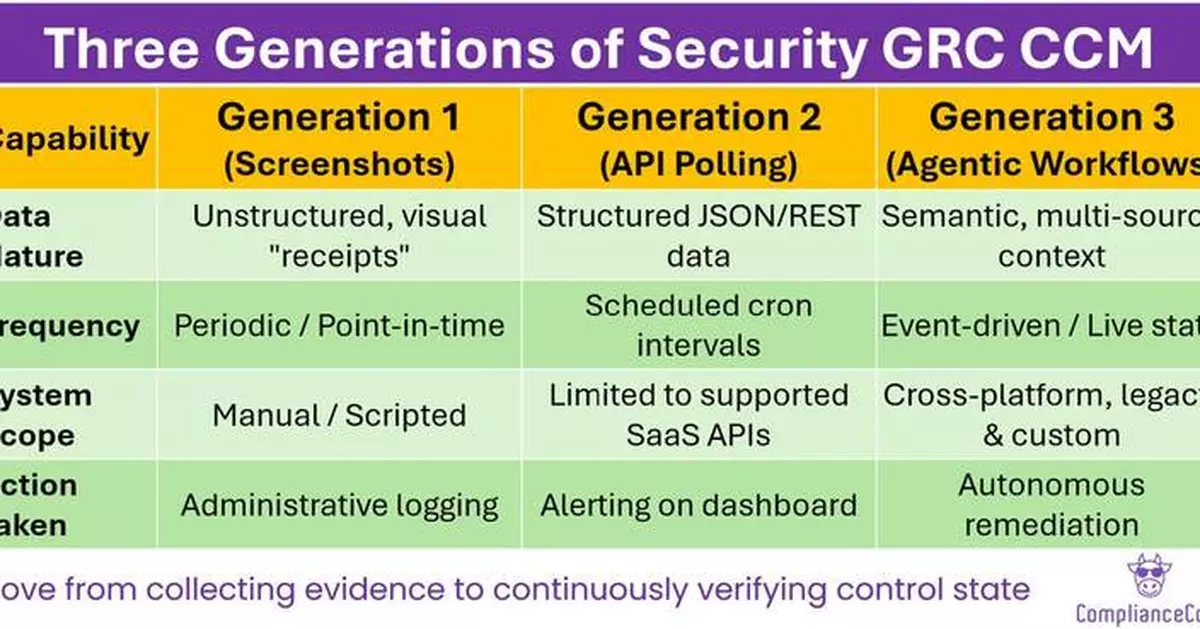
A comparison of three generations of Security GRC continuous controls monitoring (CCM), from manual screenshot-based evidence collection to API polling to agentic workflows. The June 22 webinar will explore how organizations are moving from collecting evidence to continuously verifying the control state. (Graphic: ComplianceCow)
Elon Musk is all about big numbers — millions, billions, even trillions – and there are plenty of them associated with SpaceX and Musk's plans to take the rocket maker public.
The prospectus for the SpaceX stock debut shows spending at a massive scale — greater than the economic output of some countries — and about to grow much larger as Musk races to make good on his promise to hurl people to distant planets. Money to be raised in the initial public offering — estimated at $75 billion — will help finance those futuristic, fantastical plans.
Assuming the IPO goes off without a hitch, it will rank as the largest ever. It also could make Musk, a major SpaceX owner and already the world’s richest man, the first trillionaire.
Aside from the eye-popping numbers, the prospectus in part reads like a script for a Hollywood sci-fi movie as Musk details how he hopes to use his rockets to save the human race from extinction by making it an interplanetary species.
First, Musk will send men to the moon to establish a base. Eventually he hopes to colonize Mars.
A look at the lofty numbers behind Musk’s outsized ambitions.
This would be SpaceX's market value if the shares it's selling to the public trade at the offering price of $135 each. With the amount of interest SpaceX is drawing among investors, the price could easily go higher on Day One. Nvidia, a maker of computer chips, is now the world’s most valuable public company at around $4.9 trillion. A value of $1.77 trillion would put SpaceX equal with Broadcom at No. 6 on the most valuable list, based on Wednesday close of trading.
Elon Musk’s net worth as of June 10, according to Forbes. Depending on how much the SpaceX IPO boosts the value of Musk’s stake in the company, he could become the first-ever trillionaire. The combined net worth of billionaires two through five on the Forbes list - Google co-founders Larry Page and Sergei Brin, Amazon founder Jeff Bezos and Meta Platforms CEO Mark Zuckerberg - is $999.2 billion.
The proceeds SpaceX would reap by selling 555,555,555 shares at $135 each in the IPO, more than double the previous record IPO haul of $26 billion by the Saudi oil giant Aramco back in 2019.
That's the number of next-generation Starlink satellites Musk says SpaceX aims to put into orbit. Starlink currently has about 9,600 satellites in space. By comparison UPS says it has 135,000 delivery vehicles — including motorcycles — in its fleet.
The voting power Musk will hold at SpaceX by virtue of his owning more than 90% of the company’s Class B shares, which give the holder 10 votes for every share held. He also owns a 12.3% stake in the Class A shares, which carry one vote apiece.
That’s how many inhabitants Musk needs to have living in a colony on Mars for him to receive a part of his SpaceX compensation package. There are no current capabilities of transporting one person to Mars, let alone 1 million. Global cities with populations of around 1 million include Ottawa, Prague and San Jose, California.
How much the company spent in 2025 for all its units, which include rockets, satellites and artificial intelligence technology. The bulk of the spending, at just under $11.4 billion, came from its connectivity unit that includes its Starlink satellites. By comparison, NASA's budget for 2026 is $24.4 billion.
That’s how much SpaceX spent in 2025 on Cybertrucks from Musk’s other public company, Tesla. The base model of a Cybertruck costs $69,990. At that price $131 million gets the buyer 1,871 vehicles. Musk’s businesses often interact, which has raised speculation that Tesla and SpaceX could eventually merge.
The estimated amount of shares being sold in the IPO to smaller-pocketed investors, also known as retail investors. Typically, only about 5% to 10% of the IPO shares go to such investors.

FILE - This image provided by the NASA/JPL-Caltech/ASU from the Psyche mission spacecraft shows Mars on Wednesday, May 13, 2026. (NASA/JPL-Caltech/ASU via AP)
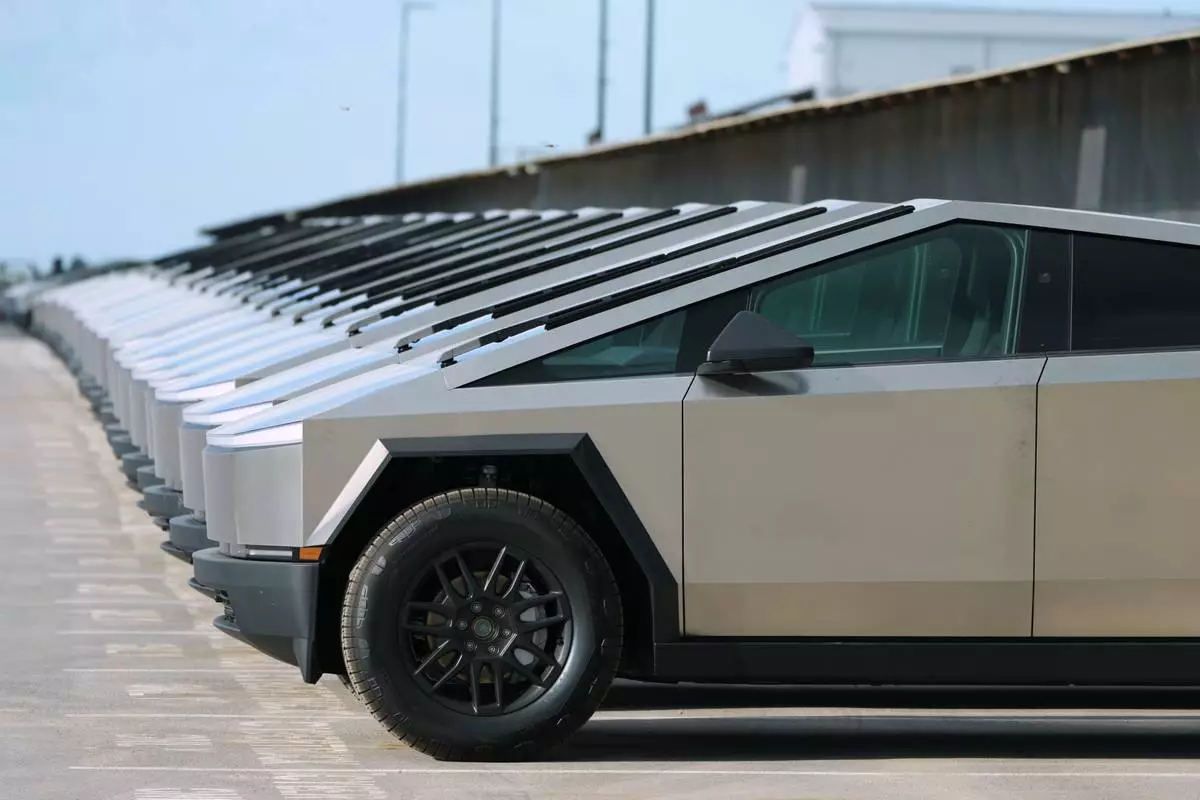
FILE - New Tesla Cybertrucks are seen at SpaceX's Starship facility in Starbase, Texas, Monday, Oct. 13, 2025. (AP Photo/Eric Gay, File)
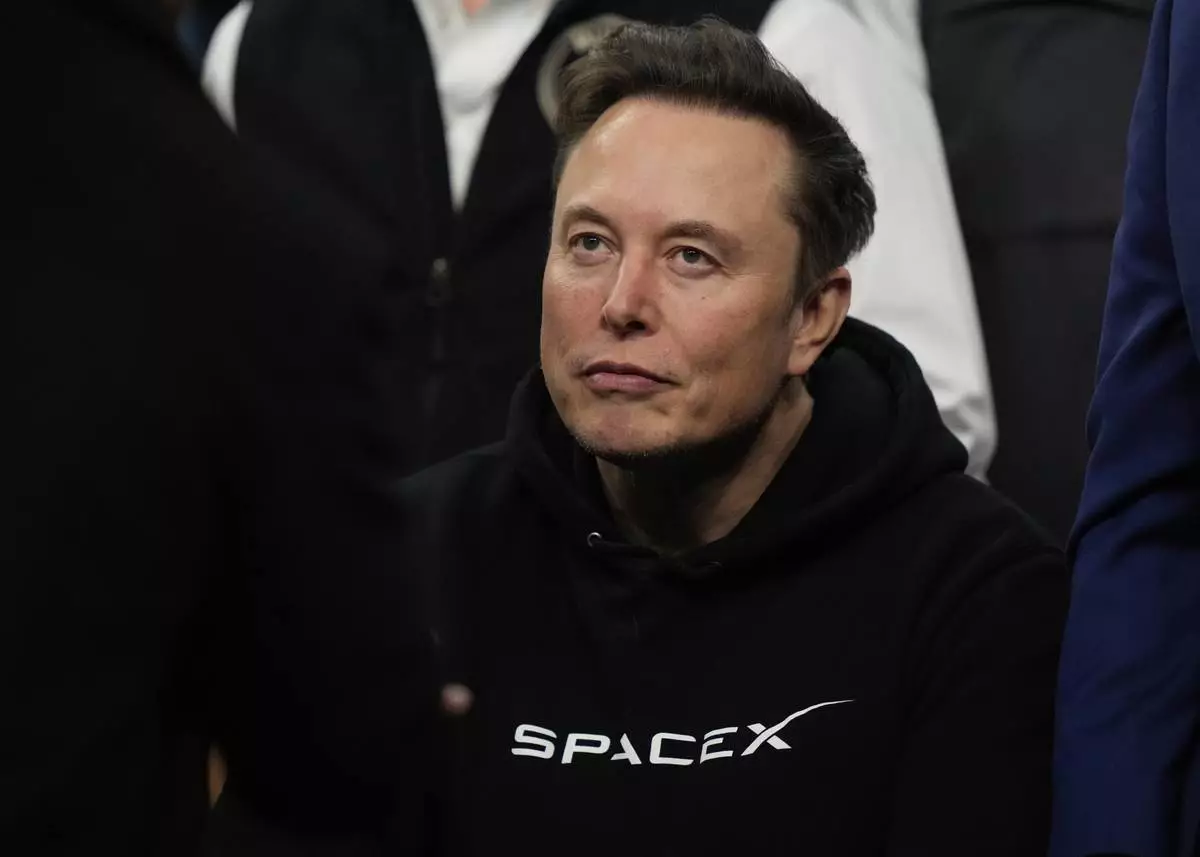
FILE - Elon Musk attends the finals for the NCAA wrestling championship, March 22, 2025, in Philadelphia. (AP Photo/Matt Rourke, File)
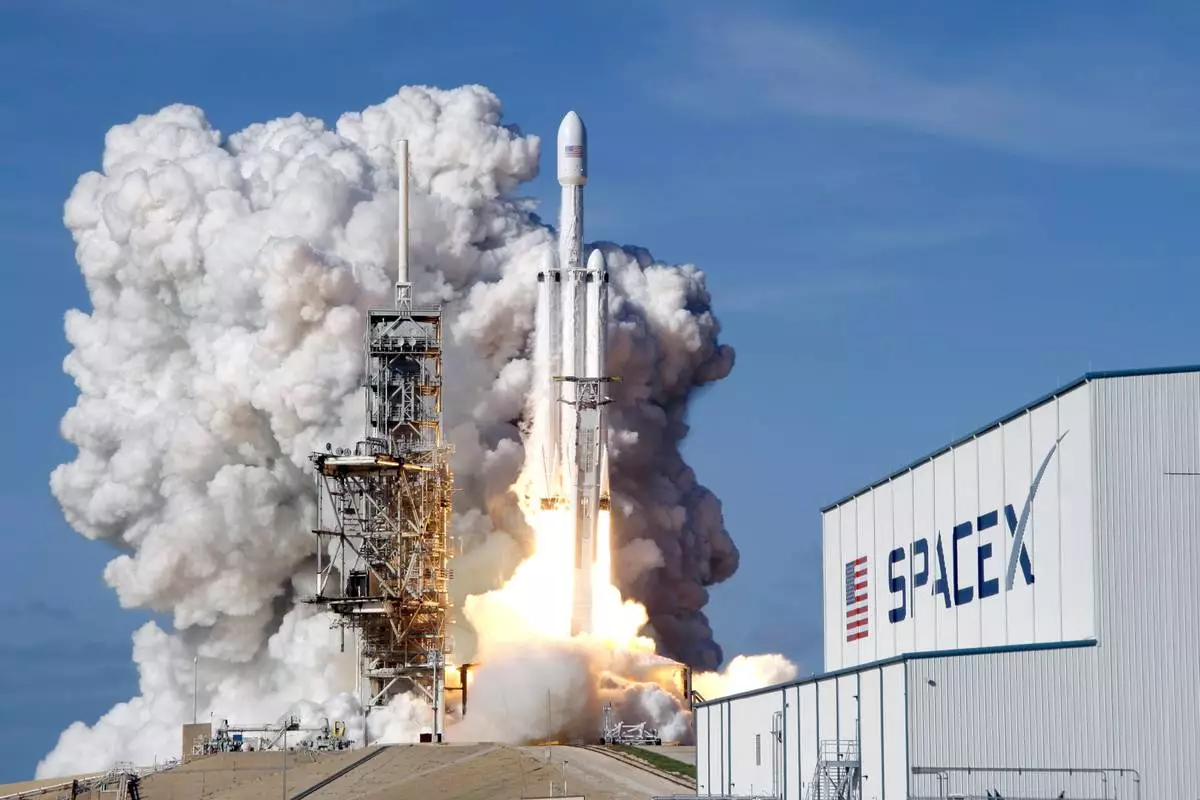
FILE - A Falcon 9 SpaceX heavy rocket lifts off from pad 39A at the Kennedy Space Center in Cape Canaveral, Fla., Tuesday, Feb. 6, 2018. (AP Photo/John Raoux, File)