SOUTHAMPTON, N.Y. (AP) — A hole-by-hole look at Shinnecock Hills, site of the 126th U.S. Open to be held June 18-21:
A soft opening to a stern test, this par 4 from an elevated tee by the clubhouse will typically be a fairway metal off the tee because the fairway tightens at 300 yards. A prevailing win at the players’ back might tempt them to hit driver near the green.
The longest par 3 on the course and a big green means this could play anywhere from 200 yards to 260 yards. The green is open in the front with a small false front, and a pair of bunkers to the right.
The fairway is relatively generous, but the right side slopes toward a fairway bunker that sits between 275 yards and 300 yards. Depending on the wind, players will need to pick the proper line to carry the dogleg and avoid the bunker.
The start of the first “triangle,” a stretch of three holes going in different directions. This should be into the wind with a pair of bunkers guarding the right side at 270 yards to 335 yards. The elevated green is an example of the run-offs that make the course a challenge.
A prevailing wind at the back makes this one of the best birdie chances on the front nine. The tee shot offers a split fairway. The elevated green is surrounded by runoffs and a bunker short and right.
Playing the opposite direction of the previous hole, players need a 245-yard carry to the right side of the fairway, which is a blind shot from the tee. The only water hazard on the course is a pond short and right, though it shouldn’t come into play unless someone is out of position off the tee.
The Redan hold slopes from front right to back left, and prevailing wind is out of the right. The popular play is to use the slope to feed the shot to the left. This green became so unplayable in 2004 that no one could keep a golf ball on the green and the USGA had to water the green between groups in the final round.
The tee shot is to a generous fairway, although the player who successfully takes on the bunkers on the left will have a better angle to the green. The prevailing wind is against the player and from the right, and some players may opt for less than driver from the tee.
The tee shot is blind to a fairway with a lot of contours, and a right-to-left breeze to navigate. A tee shot that doesn’t get to the bottom of the hill will feature uneven lies and only a view of the top of the flag stick. The approach must carry to the green, and anything long leaves a tough chip or putt down the hill.
A blind tee shot where players can either hit long iron to the top of the plateau for a flat lie, or drive it down a hill. There’s a severe false front on a green that’s on the same level as the fairway from the plateau. The area behind the green is shaved and will send balls some 25 yards away.
The shortest par 3 has a small green that slopes from the back left to the front right, with a pot bunker guarding the front right. Shots that go long and left of the green leave a tough pitch back up the slope. Brooks Koepka had to scramble for bogey in the final round, a key score on his way to winning in 2018.
The drive is fairly straightforward. The approach is to a large green that has interior ridges and make distance control paramount.
Players can take on as much as they want, but they have to get it in play from an elevated tee for a wedge into a green with a lot of movement. The bunker at the front right is usually a popular miss.
There is a sharp drop in elevation from the tee to the fairway, which pitches from right to left. The best angle for the approach is from the left. There is a narrow opening at the green for players wanting to chase shots from the left. The approach is slightly uphill to a green that moves from back to front.
The tee shot is from an elevated tee. Most players will drive over the ridge that runs across the fairway, leaving them with a short iron to the green that is protected in front by six bunkers.
The hole feels even longer with the prevailing wind into the face and from the right. The bending fairway asks players to choose the right angle. Most players will lay up short of a bunker on the right about 100 yards from the green. The green is narrow and guarded by bunkers.
The typical wind is from the players’ left, making precision even more demanding. Bunkers are on either side of the green. Phil Mickelson went into the left bunker and then three-putted from 5 feet for double bogey that cost him a chance in 2004.
The closing hole is a blind shot to the fairway with a gorgeous view of the clubhouse. The prevailing wind is right to left, with more of a helping wind on the second shot. The best tee shot is on the right side for a better look at the green. The green pitches from back to front.
AP golf: https://apnews.com/hub/golf
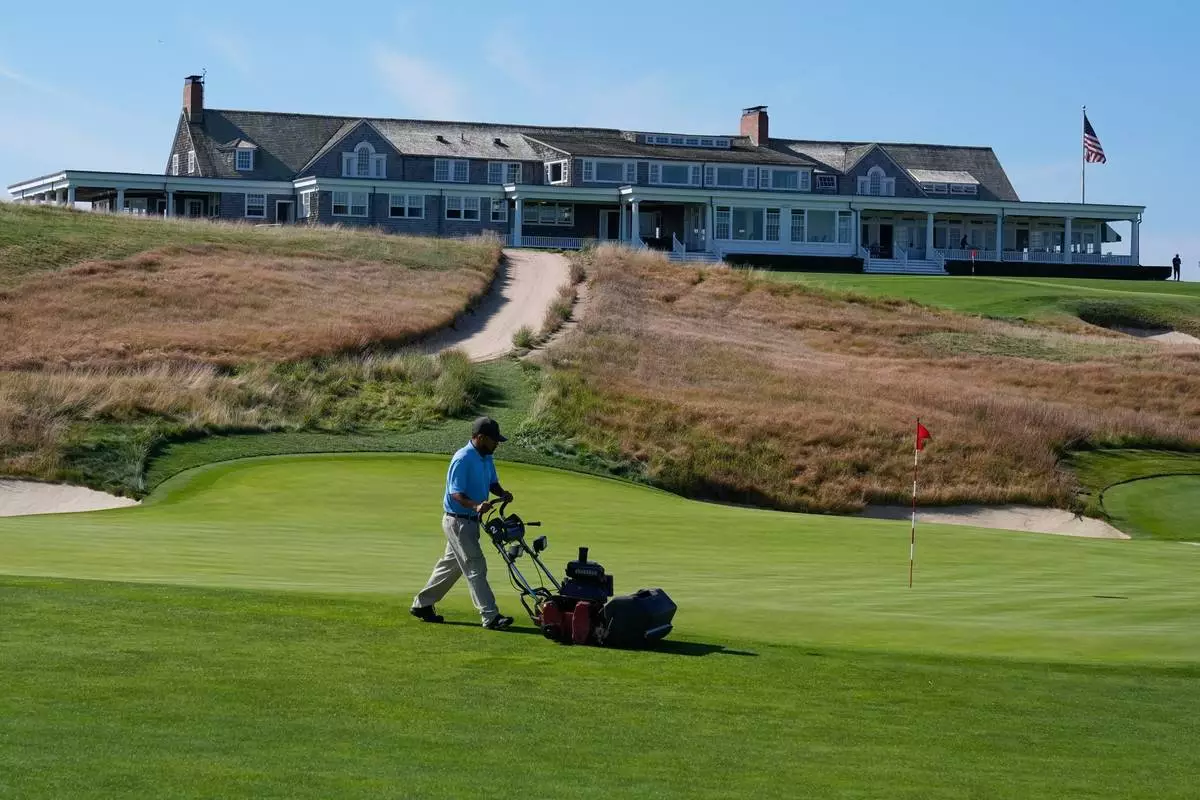
FILE - A man works on the 18th green in front of the clubhouse at Shinnecock Hills Golf Club in Southampton, N.Y., Monday, Sept. 15, 2025. (AP Photo/Seth Wenig, File
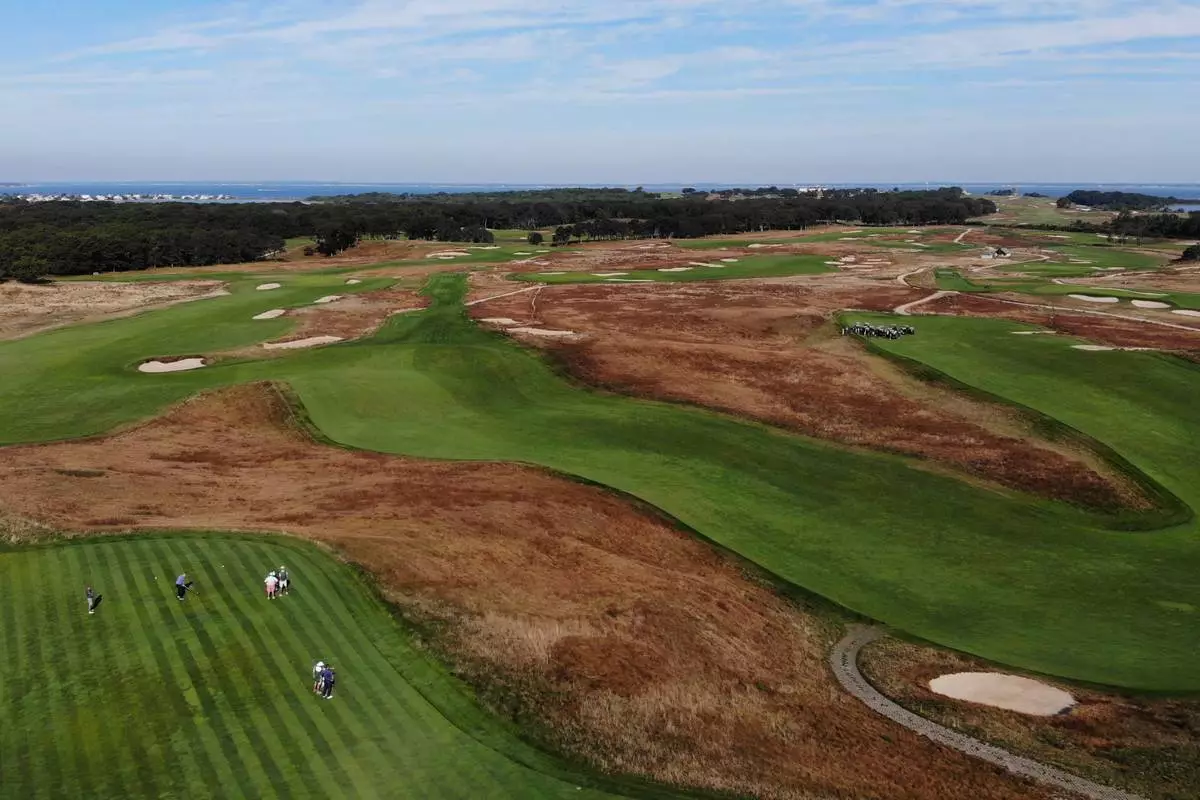
FILE - Golfers tee off the first hole at Shinnecock Hills Golf Club in Southampton, N.Y., Sept. 15, 2025. (AP Photo/Seth Wenig, File)