Skip to Content Facebook Feature Image

Middle East tensions to drive surge in international commercial arbitration: legal experts

China

China

China

Middle East tensions to drive surge in international commercial arbitration: legal experts

2026-06-13 13:11 Last Updated At:13:37

The closure of the Strait of Hormuz and ongoing tensions in the Middle East are driving a notable surge in international commercial legal disputes, as trade and economic activities face heightened uncertainty, legal experts said.

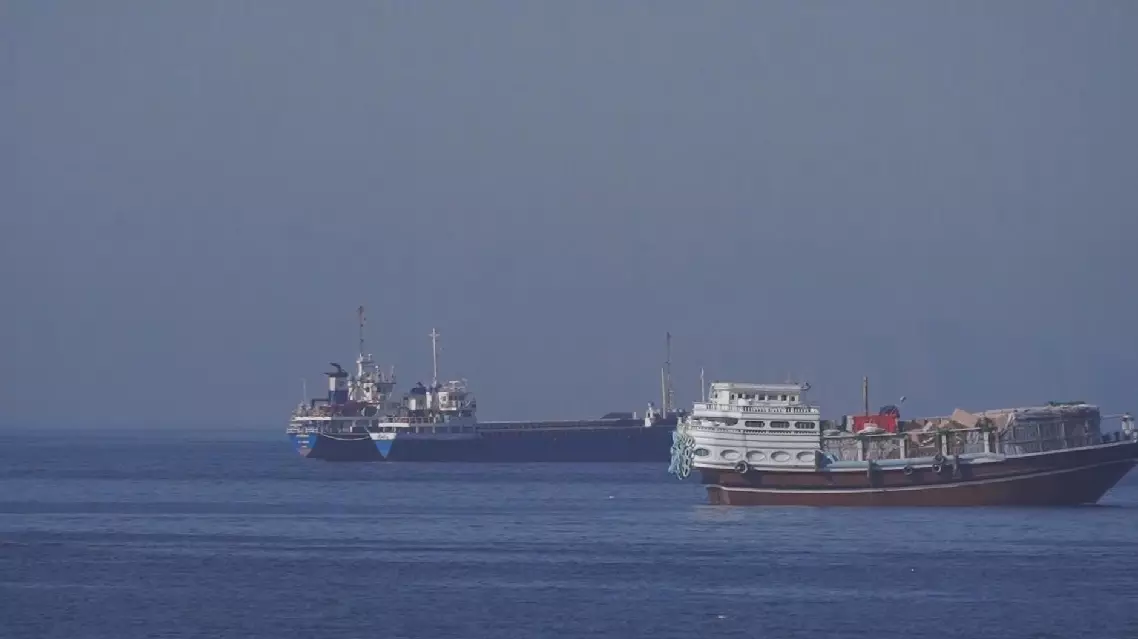
The Strait of Hormuz, a critical global shipping lane, has seen months-long disruptions that have sent shipping costs and insurance premiums soaring. The closure has left numerous companies grappling with delayed deliveries, supply chain disruptions, and an inability to fulfill contractual obligations.

Legal and international arbitration specialists warn that if regional instability persists, a growing number of businesses will be forced to turn to international arbitration tribunals to resolve their commercial disputes.

"There are a number of geopolitical issues at play at the moment in the globe, which is causing some uncertainty. It's also creating some economic headwinds in multiple jurisdictions. We are starting to see an uptick in cases that require our skill sets, litigation, dispute resolution, restructuring, financial and operational," said Colin Diss, a partner at the law firm Grant Thornton.

Nikolaus Pitkowitz, former president of the Vienna International Arbitral Center (VIAC), also noted a sharp rise in commercial disputes amid rising political tensions.

"Definitely there are more disputes among companies, because if a company is affected by a sanction, it will stop, must stop its payments, its deliveries, its services, and that can give rise of disputes. We see in a world where political tensions are rising. We also see disputes rising. I think arbitration, international arbitration, is a method which is probably the most unique and best to peacefully solve disputes," said Pitkowitz.

Legal experts shared these insights during a symposium in London, the United Kingdom, on June 4, which focused on comparing the latest arbitration law revisions in China and the United Kingdom and discussing commercial arbitration.
Middle East tensions to drive surge in international commercial arbitration: legal experts

Middle East tensions to drive surge in international commercial arbitration: legal experts
A strong El Nino is driving unusually high temperatures and slashing rainfall in India during the country's June-September monsoon season, threatening crop yields and disrupting supply chains.

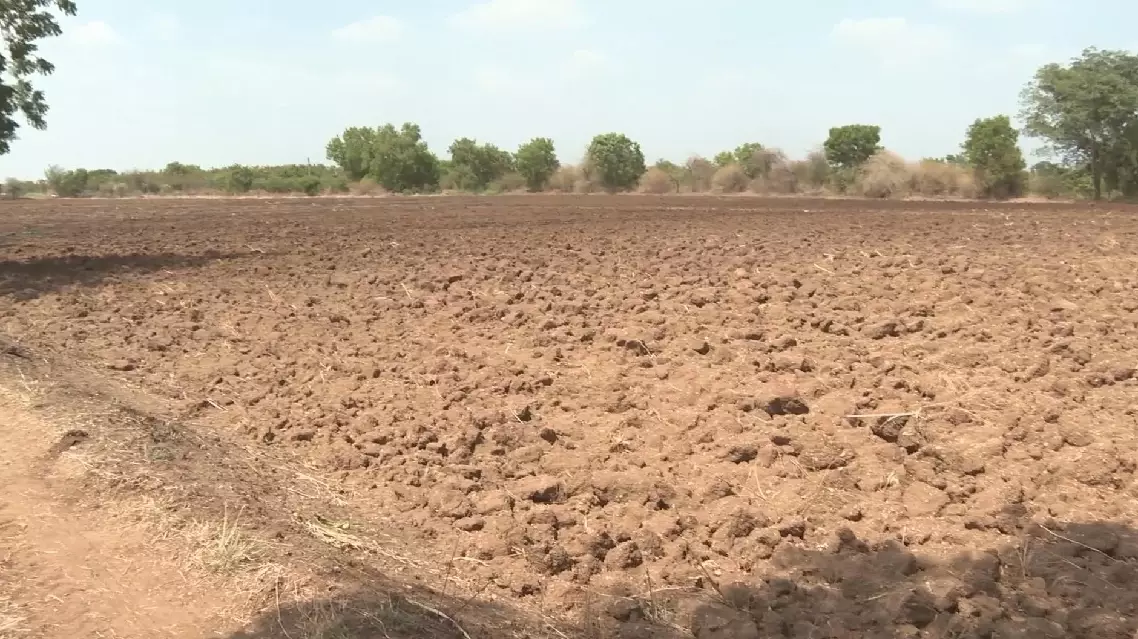
In the western state of Maharashtra, the third largest by area in India, farmers are worried about their harvest prospects and delaying planting schedules.

"Half of June has passed, and the rains still haven't arrived. We're currently cultivating sugarcane. Look at the plants behind me -- they are withering because there has been no rain. And because of the dry weather, we are also having to delay planting cotton," said Jalindar Wagh, a local farmer.

The impact of delayed planting has spread to the upstream supply chain, including sales of seeds and pesticides. In Maharashtra, products that are normally in peak sales season are now straggling, and some distribution businesses have halted operations altogether.

"There has been no rain across the entire state of Maharashtra. Because of that, our seeds and pesticides are lying in stock, since farmers aren't planning to buy them. If the rains keep getting delayed, the consequences, along with inflation, will start to show," said Rajendra Wagh, a local distributor.

With this year's monsoon rainfall expected to be below normal, India's meteorological department is urging farmers to switch to crops that require less water, fearing that overuse of irrigation systems could broaden the impact.

"Agriculture is rain-dependent. If this year's monsoon -- which we expect that it will be below normal, then it will impact those farmers also. So that's why we are advising farmers to go for such crops which require less water. Agriculture impacts electricity because hydropower electricity, which depends on the flow of rivers, will also dry up, because, due to lesser amount of rainfall, it will also impact the generation of hydro electricity. So, overall impact will be devastating," said meteorologist Mahesh Palawat.

El Nino induces drought in India, weighing on agriculture

El Nino induces drought in India, weighing on agriculture

Recommended Articles