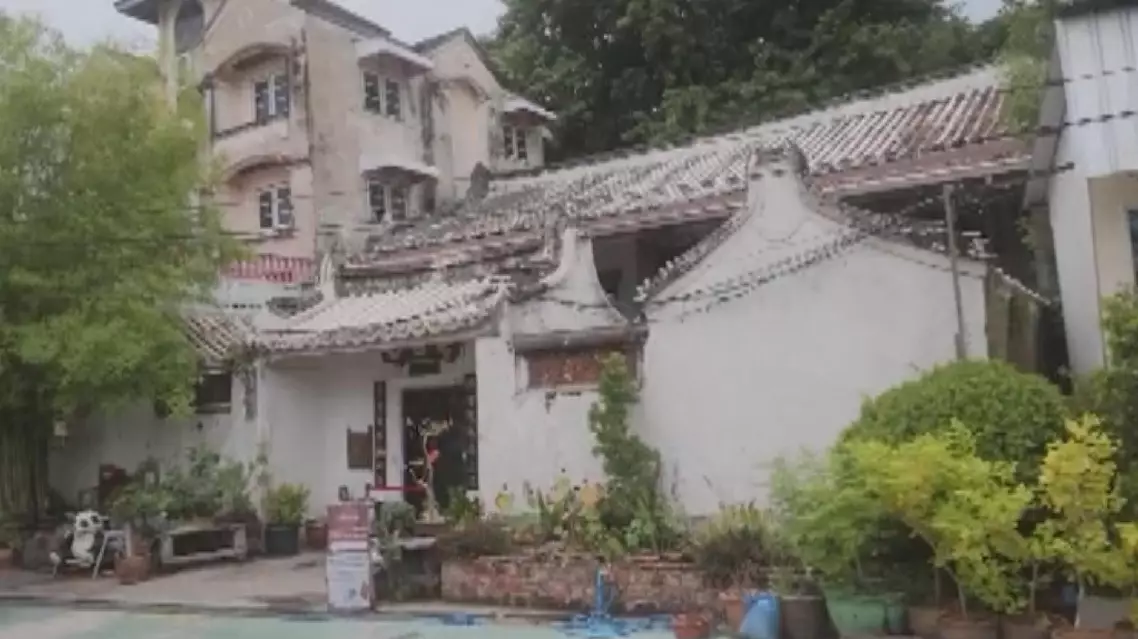
In a century-old house on the banks of the Chao Phraya River in Bangkok, Thailand, the Chinese immigrants are still preserving the spirit of struggle and homesickness of the older generations, a vivid manifestation of the plots in the blockbuster movie "Dear You."
Since its mainland release on April 30, the Chaoshan (Teochew)-dialect film has struck a deep chord with audiences via its tender emotional portrayal and heartfelt core storyline, grossing over 1.7 billion yuan (about 250 million U.S. dollars) at the box office as of Saturday. The acclaimed Chinese film is slated to hit cinemas worldwide on June 18.
The film, featuring a largely unknown cast, centers on the tradition of "qiaopi" -- letters and remittances sent home by earlier generations of overseas Chinese in the 19th and 20th centuries, which serves as the emotional thread linking the film's central characters.
On the banks of the Chao Phraya River in Bangkok stands a century-old house. Like an inn from the movie, it sheltered many Chinese immigrants who had migrated to Southeast Asia in the 1960s. During World War II, the then owner of the house Tang Yuanhe brought his family to Thailand. Today, his grandson Poonsak Thangsombat is still taking care of the place.
"My grandfather settled here, and his life gradually stabilized. Then as the Chinese immigrants who came to Thailand at that time didn't know where to make a living, my grandfather let them stay here temporarily," Poonsak said.
Poonsak said that after settling down and finding jobs, the first thing many people would do was to send letters and money to their relatives back in China to let them know they were safe and sound.
As depicted in the movie "Dear You," many Chinese people immigrating to Thailand would send money to Hong Kong and then ask others to buy sewing machines, bicycles, and other supplies to be transported back to their hometowns.
"At that time, there were some small shops in Thailand that specialized in collecting Qiaopi and then transferring the letters and remittances to Hong Kong, before they can then be delivered to the Chinese mainland. Because there were no direct communication channels between China and Thailand at that time," Poonsak said.
The old house also preserves many letters received by overseas Chinese from their families in the past. The contents of the letters show that their hard work and struggle were an important source of income for improving their family's life back then.
"The letters usually describe the family's situation: everyone is doing well, they've received the remittance and the sewing machine they had bought. Now they could help other people sew clothes. Another letter would say mom's health was good; her condition had improved, and with this money, she could buy food," Poonsak said.
Old house in Thailand tells real-life story in hit Chinese film