A cyberattack caused system outages at four major Iranian banks on Saturday, including Bank Melli Iran, Bank Saderat Iran, and Bank Tejarat, according to the Coordinating Committee of Iran's state-owned banks.
Customers at the affected banks reported disruptions to mobile and online banking, automated teller machines (ATMs), point-of-sale (POS) terminals, and some card services.
A detailed technical investigation has confirmed that the outages were caused by a limited cyberattack.
The banks said their technical teams took precautionary measures as soon as the anomaly was detected to protect customer data and banking infrastructure. Qatasi, secretary of the Coordinating Committee of Iran's state-owned banks, said on Saturday that necessary repair measures had been taken.
So far, no customer data has been accessed without authorization, and there has been no data breach.
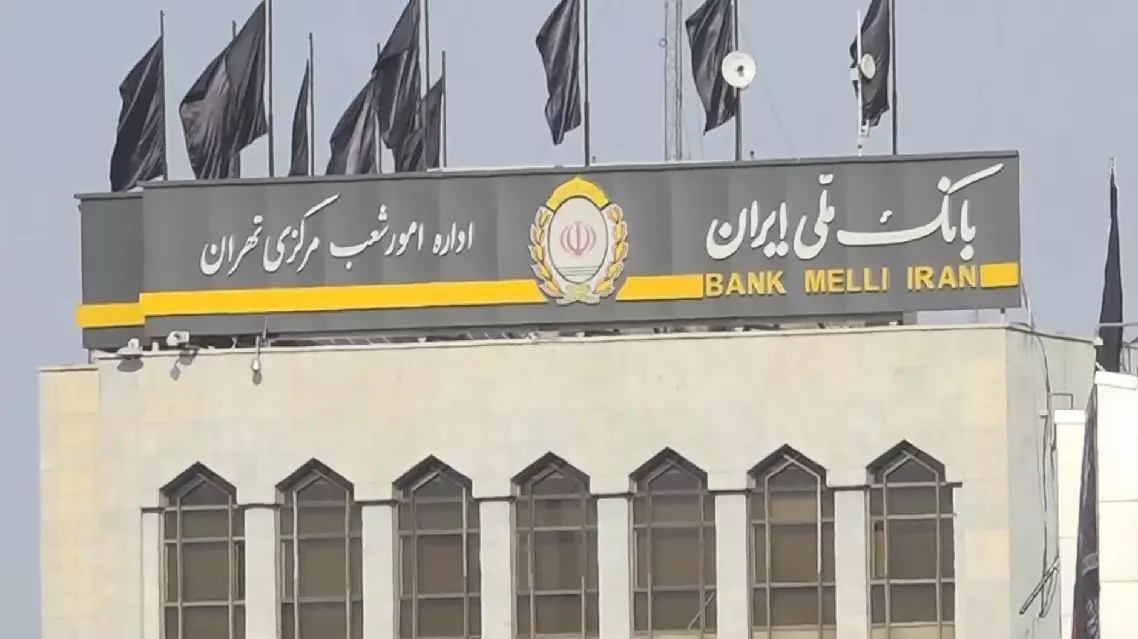
Cyberattack causes technical glitches at four Iranian banks
Cyberattack causes technical glitches at four Iranian banks
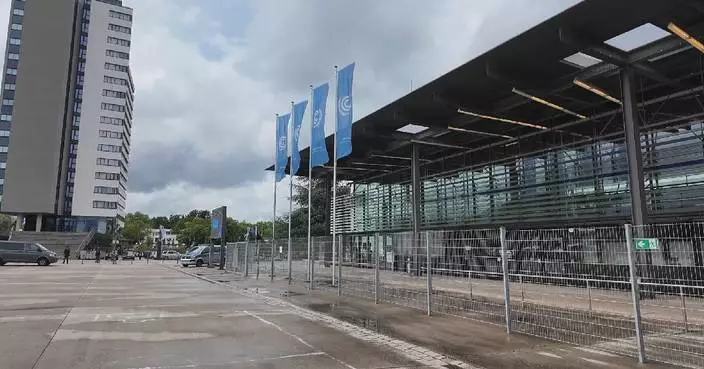
The International Aerospace Exhibition 2026, also known as ILA Berlin 26, spotlighted defense and space exploration cooperation among European countries.
Running from Wednesday through Sunday, the event drew more than 750 exhibitors from 37 countries, showcasing innovations across aviation, space and defense.
At the opening of the event, German Chancellor Friedrich Merz outlined plans for closer European defense cooperation.
Merz's comments came after Berlin and Paris agreed to scrap plans for a joint next-gen fighter jet, a flagship defense project that had been intended to replace some of Europe's current combat aircraft.
But military aviation is only part of the story. Beyond aviation, attention is also turning to space, with researchers and companies showcasing technologies aimed at future missions to the Moon and Mars.
As governments and private firms expand their ambitions beyond Earth's atmosphere, experts say international cooperation will be key to making those plans a reality.
"What we need is cooperation between the nations to reach our goals, to reach the moon and the Mars. That's what we need for rockets like this, for space stations, for spacecrafts and infrastructure on our moon and other planets," said Andreas Schutz, head of communications and spokesperson of German Aerospace Center.
China is also represented at the exhibition, with companies highlighting innovations in drone technology and the country's rapidly growing low-altitude economy.
"Europe is strong in system integration. China is strong in efficiency and cost. Through cooperation and exchange, both sides can complement each other's strengths. I believe the opportunities for development between Europe and China are becoming greater and greater," said Molly, international business manager at Qingdao Jinhuan Fuyao Machinery Co., Ltd
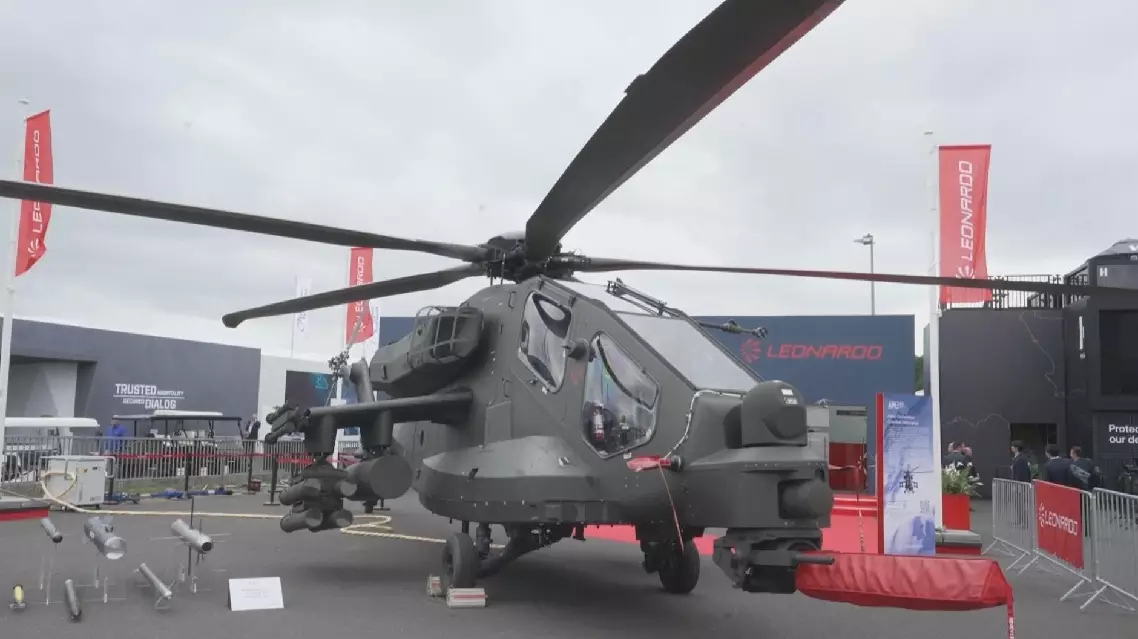
ILA Berlin 2026 spotlights European defense, space cooperation