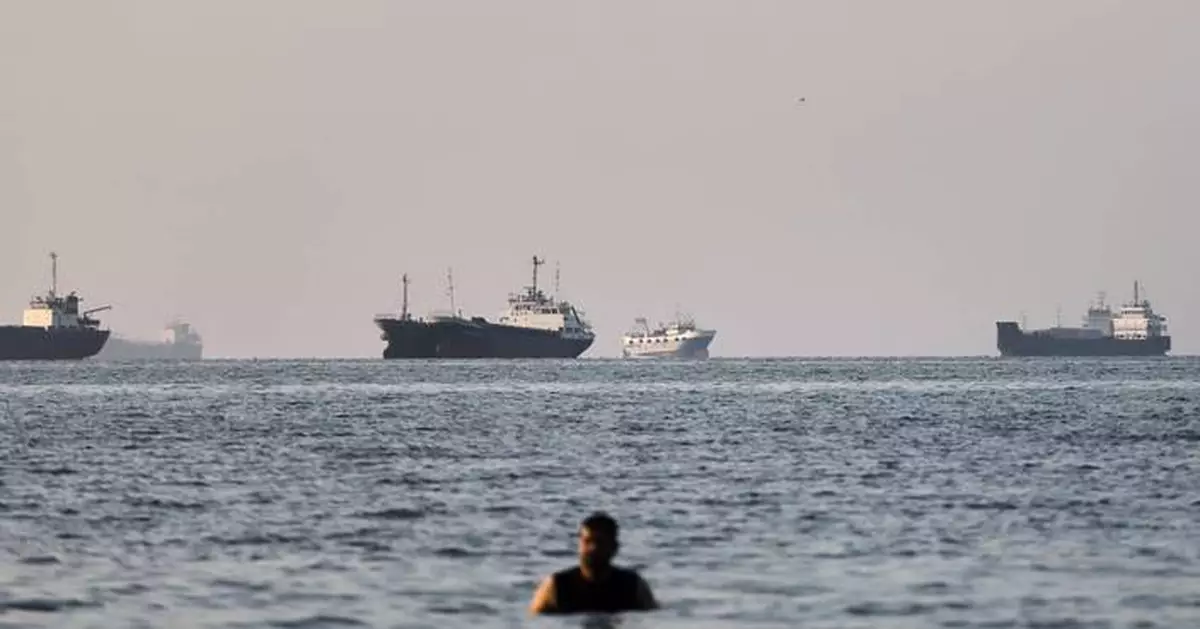
FRANKFURT, Germany (AP) — The tentative agreement to end the war in Iran and reopen the Strait of Hormuz would be good news for the global economy. But even as the price of oil dropped Monday, many questions remained about when and how it would start flowing again through the world’s most vital artery for energy shipments.
Before the war, the strait carried a fifth of the world’s crude oil. Now, it will take time for hundreds of ships trapped in the Persian Gulf to exit through the narrow strait. And Gulf oil producers that throttled back production will need time to get the oil moving again. Analysts also say ship captains may take their time to decide if passage is safe and that the threat of attack from Iran has truly receded.
All told, oil prices, inflation and energy flows simply won’t see an immediate return to what they were before the war — not for weeks or even months. And that's assuming the deal, set to be signed Friday, proves durable. Details hadn't been released.
Even if the Strait is completely open, it will take time for tankers to enter, load, and make the journey to Asian countries — the chief customers for Gulf oil from Saudi Arabia, Iraq, Bahrain, the United Arab Emirates, Kuwait and Oman. A trip to Japan and back can take 45 to 50 days.
Captains, insurers and owners may take their time in attempting passage, given the volatile situation.
“Operationally, the sector is not rushing back,” wrote Richard Meade, editor-in-chief of shipping data and analysis company Lloyd's List, noting that many warn mine clearance and a return to use of the internationally recognized transit lanes “are prerequisites for safe navigation. ”
Ships have been trickling out through an Iranian-run vetting lane in the north of the strait, while others have slipped out with lights and location systems turned off under U.S. forces' guidance in a southern passage along the coast of Oman. Iran had threatened to attack ships using the internationally established mid-strait transit lanes that keep inbound and outbound ships out of each other's way.
Some 500 commercial vessels remain in the Persian Gulf, according to maritime and energy intelligence firm Kpler, and they can't all leave through the narrow strait at once.
Amena Bakr, head of Middle East energy and OPEC+ insights at Kpler, estimated that clearing mines would take six months, vessels leaving and returning to reload two to three months, and restarting production in some countries to prewar levels another three months.
Iran has demanded the right to collect money from ships using the strait, and in some cases has already exacted payment to let ships leave. Trump said on his social media platform Truth Social that the deal involved a “toll free opening," but there's been no confirmation from Iran.
The period between the deal's announcement and signing "gives both sides scope for issuing conflicting statements on the agreement, especially on the extent to which Iran will manage traffic and demand fees,” said Torbjorn Soltvedt, principal Middle East analyst at risk intelligence company Verisk Maplecroft.
Paying tolls would present a quandary for ship owners, since the U.S. and EU have designated the Islamic Revolutionary Guard Corps a terrorist organization, and the U.S. Treasury has sanctioned the entity Iran has announced to run its collections. Unless those sanctions are modified, paying exposes shippers and banks to sanctions.
Legal experts say allowing Iran to control passage would violate international law on freedom of navigation as set down in the United Nations Convention on the Law of the Sea, which requires countries to permit peaceful passage through territorial waters. The strait's waters are shared by Iran to the north and Oman to the south.
Some producers in the Middle East paused extracting oil from the ground, known as a shut-in, when they ran out of storage space. Restarting those operations can be a slow process.
Countries such as Saudi Arabia and the United Arab Emirates, which were able to export some oil through alternate pipelines or routes besides the Strait of Hormuz, may be among the quickest to resume production, said Alan Gelder, senior vice president of refining, chemicals and oil markets at Wood Mackenzie, an analytics firm.
"Places like Iraq could be much more challenged because they’ve had a much bigger shut-in, their fields are more difficult ... it may well take about a year before they get back,” he said.
Claudio Galimberti, chief economist at Rystad Energy, noted in an emailed comment that “sentiment has clearly improved. But sentiment is not the same as supply.”
“It will take time for production to ramp back up, for logistics to normalize, and for the risk premium embedded in crude prices to dissipate,” he said.
Countries won’t restart until they know there is a durably open strait and that a ceasefire will last more than 30 or 60 days, said Daniel Sternoff, senior fellow at the Center on Global Energy Policy at Columbia University.
Economists at Capital Economics estimate that energy flows would reach 80% of prewar levels by September.
Even if the deal reopens the strait immediately, that will not immediately send inflation lower, economists say.
Inflation is ”set to stay above target in most major economies throughout this year and the first half of next, even as growth remains relatively weak,” said Neil Shearing, group chief economist at Capital Economics.
Inflation could even rise when government measures aimed at easing the energy shock expire, Joachim Nagel, the head of Germany's Bundesbank central bank said in a speech Monday.
That includes Germany's temporary lowering of fuel taxes by 17 euro cents per liter, which runs through June 30.
“It will take months for the oil supply to return to normal,” Nagel said.
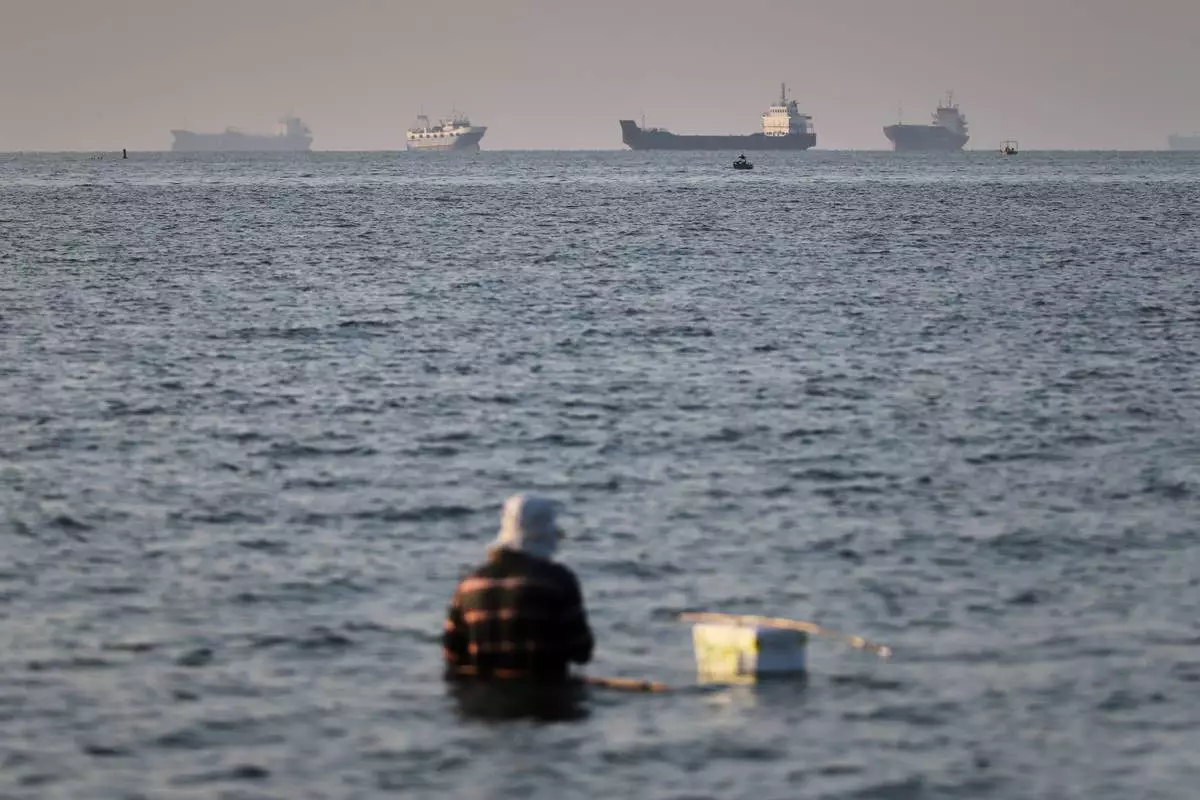
A person sits in shallow water as cargo and commercial vessels are anchored in the Strait of Hormuz off Bandar Abbas, Iran, Monday, June 8, 2026. (Amirhosein Khorgooi/ISNA via AP)
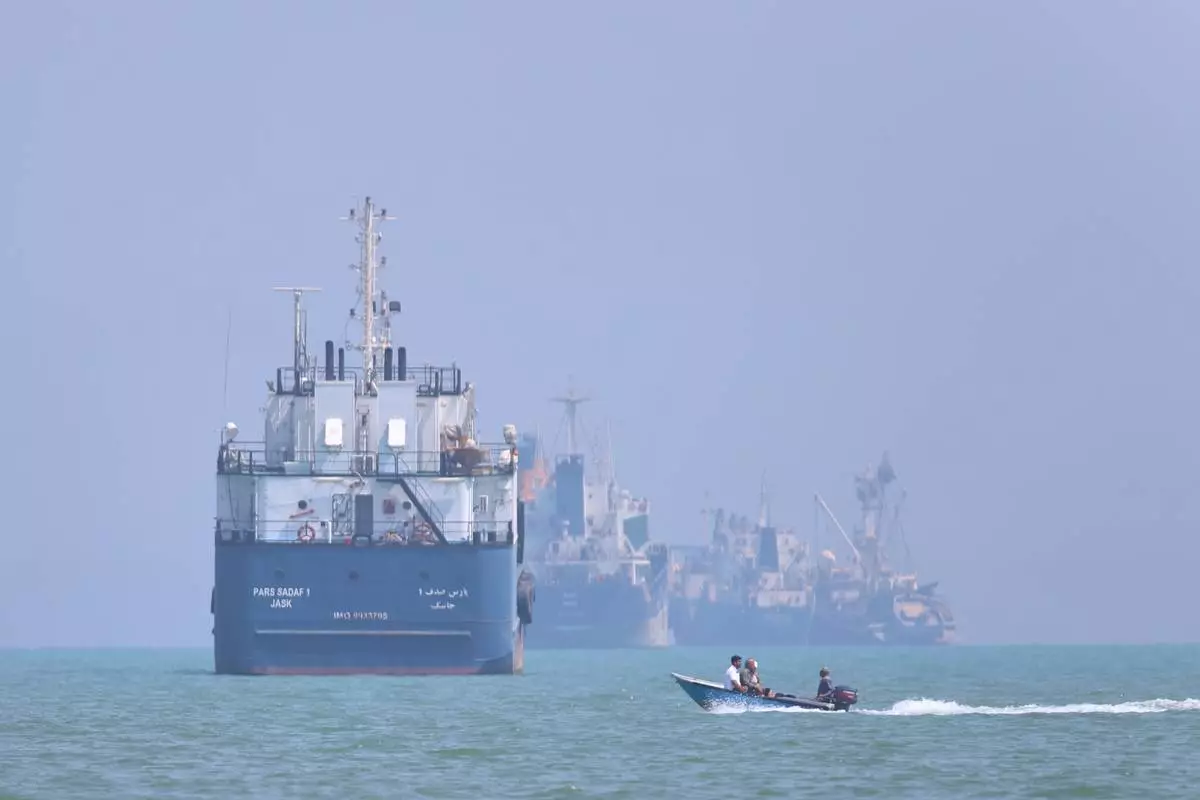
A small motorboat passes anchored vessels in the Strait of Hormuz off Bandar Abbas, Iran, Thursday, June 11, 2026.(Amirhosein Khorgooi/ISNA via AP)
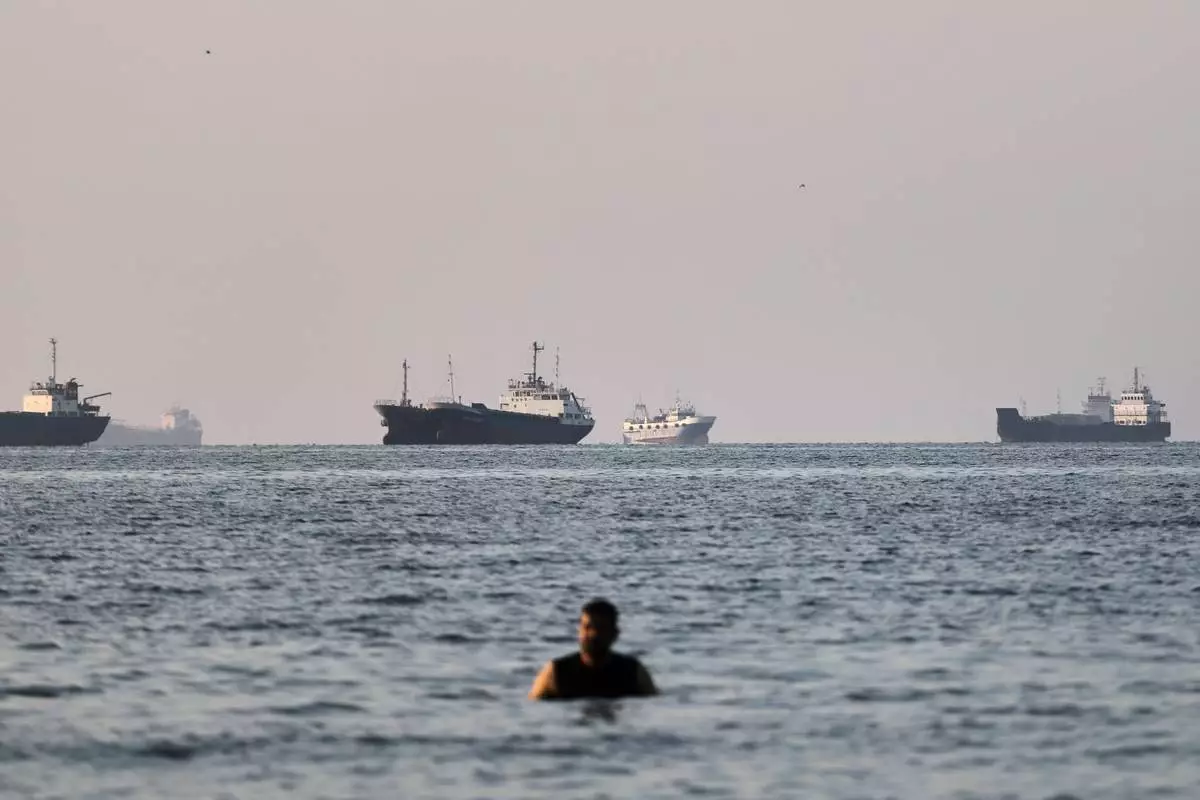
A person stands in shallow water as cargo and commercial vessels are anchored in the Strait of Hormuz off Bandar Abbas, Iran, Monday, June 8, 2026. (Amirhosein Khorgooi/ISNA via AP)
ISLAMABAD (AP) — Iran and the United States are trumpeting their tentative agreement aimed at ending their war as a victory. But so far there is no word on what’s actually in it.
The memorandum of understanding, brokered mainly by Pakistan, starts with the simultaneous lifting of Iran’s closure of the Strait of Hormuz and the U.S. blockade of Iran’s ports, according to Pakistani officials. The two sides will then begin 60 days of negotiations over Iran’s nuclear program and the potential lifting of sanctions, they told the AP, speaking on condition of anonymity because the text is being kept confidential.
That would leave the adversaries more or less where they were 3 ½ months ago — before Israel and the U.S. on Feb. 28 launched their war on Iran, which has left thousands dead across the region, triggered a global energy crisis and shaken the American economy with an inflation surge.
Much remains unknown, including whether the deal says anything about Iran’s missile program or support for its regional allies like Lebanon’s Hezbollah, issues that the U.S. and Israel cited to justify the war. Another major question is how it addresses Lebanon: Israel and Hezbollah are not parties to the deal, and their fighting could blow up the arrangement.
Here’s what to know:
Once the deal is signed — expected on Friday — the Strait of Hormuz will reopen and the U.S. will lift its blockade, U.S. President Donald Trump said. The announcement triggered a drop in oil prices and a surge in stock markets. Trump said Iran would not charge a toll for passage of ships — a demand made by Tehran — suggesting that the deal restores the prewar status quo.
Iran’s closure of the strait, through which around a fifth of the world’s oil supplies must pass to reach markets, proved perhaps its strongest weapon. It drove up fuel prices, made food and other basics like fertilizer more expensive well beyond the region and helped push inflation in the U.S. up to 4% ahead of midterm elections later this year.
The U.S. blockade, imposed after an initial ceasefire was reached on April 7, cut off the billions Iran earned from oil exports and further crippled an economy hit hard by the war.
The 60-day period of negotiations can be extended if there is progress, Iranian Foreign Minister Abbas Araghchi said Friday. What is not known is whether the new agreement puts the two sides any closer than they were months ago, when the U.S. and Israel launched their surprise attack on Iran.
The U.S. and Israel fear Iran’s nuclear program could lead to an atomic weapon, a main reason cited for going to war. Tehran has insisted its nuclear efforts are for peaceful purposes.
Central to U.S. demands is the removal or dilution of Tehran’s highly enriched uranium. Iran in the past resisted U.S. terms over the stockpile, and a major question will be whether the text of the agreement explicitly commits Iran to getting rid of it. Iran developed the stockpile after Trump in 2018 unilaterally pulled out of the 2015 deal that had put limits on Iran’s nuclear program.
Iran has demanded the lifting of international sanctions and unfreezing of billions of dollars in assets, moves vital to resuscitating its economy. The Pakistani officials said the deal outlines a phased process for easing sanctions and releasing frozen assets, tied to progress in the talks.
The Trump administration has said its aims in the war were to “obliterate” Iran's missile arsenal and “sever its support” for proxies around the region, as well “annihilate its navy” and ensure Iran never acquires a nuclear weapon.
The seven weeks of U.S.-Israeli bombardment are believed to have heavily damaged Iran’s missile arsenal and production facilities as well as other parts of its military. How heavily is not known, and Iran has continued to fire missiles and carry out drone strikes. Few analysts think Iran cannot rebuild its capabilities.
Iran’s ties with its allies — Hezbollah in Lebanon, the Houthis in Yemen and Shiite militias in Iraq — appear strong as ever. There has been no indication that the deal addresses either the missile program or support for proxies, though a final text when it emerges could show otherwise.
The air campaign also inflicted heavy damage on Iran’s economy. Nevertheless, Iran’s leadership has emerged from the war seemingly bolder.
It survived the most serious attempt ever by Israel and the United States to topple the Islamic Republic, with their thundering opening volleys of the war that killed Iran’s supreme leader and much of the top political and military echelons.
Iran demonstrated its ability to retaliate against the global economy by shutting down the strait and by hitting U.S. Arab allies in the Gulf. The effectiveness of that weapon boosted Iran’s confidence that Trump won’t return to the military option.
The potential obstacle to the agreement is Lebanon, where any spiral in the conflict has the potential to drag in Iran.
Iran has insisted that any deal must also include a ceasefire in Lebanon. After the agreement was announced, the first Israeli response came from its defense minister, Israel Katz, who said Israel won’t withdraw from the large swath of southern Lebanon seized over the past months.
Hezbollah in a statement praised the deal and said it was committed to resisting Israel “until full withdrawal is achieved.”
However, a U.S. official said the deal did not call for an Israeli withdrawal from Lebanon and that Israel had a right to respond to Hezbollah attacks. The official spoke on condition of anonymity to discuss outlines of the agreement.
Israeli Prime Minister Benjamin Netanyahu boasted of unprecedented “shoulder to shoulder” cooperation with the U.S. at the outset of the war, launched in a joint operation between the two close allies.
But since then, Trump and Netanyahu have been at odds — with the president eager to end a war that is deeply unpopular with the American public and Netanyahu wanting to press ahead to realize his more ambitious goals. On Monday, Netanyahu said the agreement between the U.S. and Iran was Trump’s decision and that Israel has its own interests, primarily making sure that Israel does not face a nuclear threat from Iran.
Netanyahu was largely sidelined during the ceasefire talks and appears to have lost support among members of the Republican Party. The emerging ceasefire has also come under heavy criticism in Israel, both from opposition leaders and even members of his governing coalition.
That could bode poorly for the veteran Israeli leader, who faces reelection this fall.
Keath reported from Cairo. Associated Press writers Josef Federman in Jerusalem, Sam Mednick in Tel Aviv, Israel, and Michelle L. Price and Will Weissert in Washington contributed to this report.
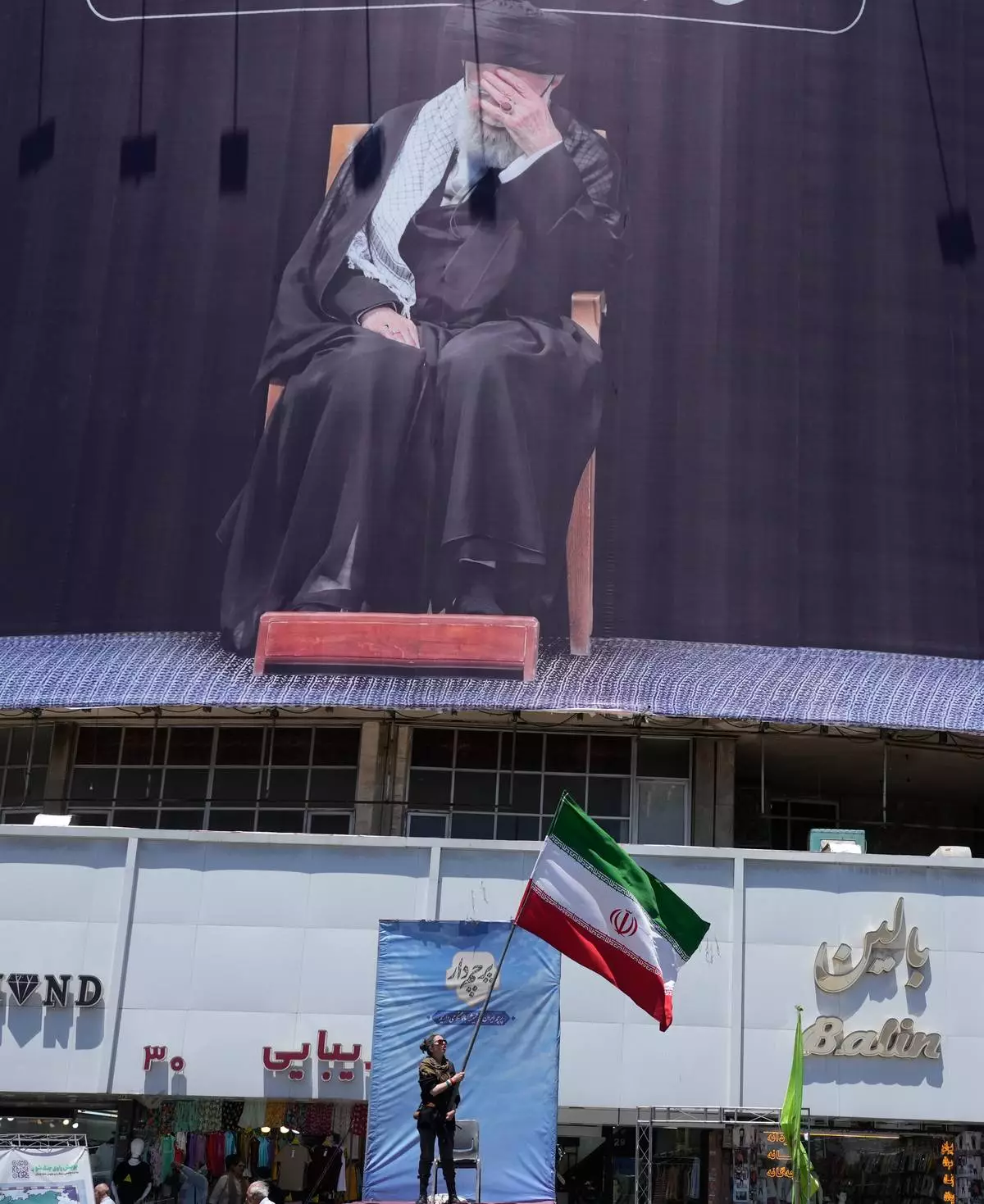
A woman waves an Iranian flag during a pro-government campaign under a portrait of the slain Supreme Leader Ayatollah Ali Khamenei, who was killed in U.S. and Israeli strikes on Feb. 28, in downtown Tehran, Iran, Monday, June 15, 2026. (AP Photo/Vahid Salemi)
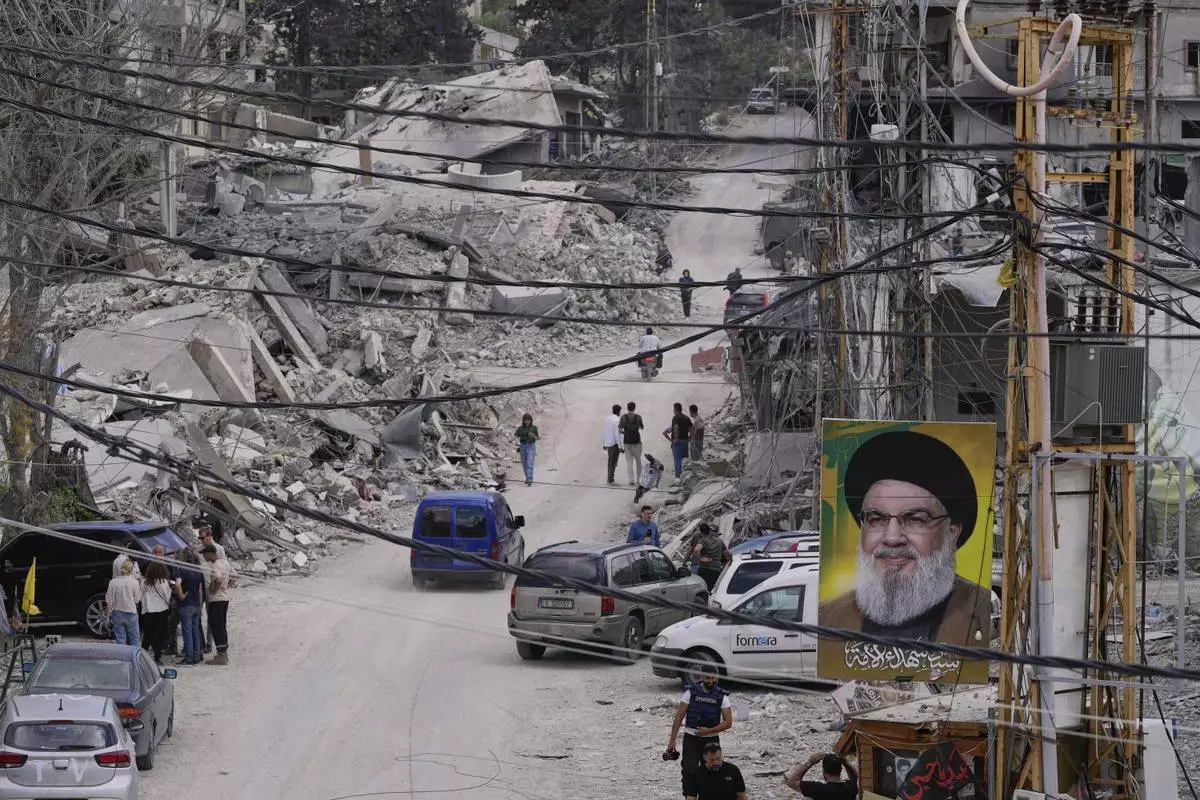
People who return to their village following the announcement of an initial ceasefire agreement between the United States and Iran, gather with journalists at a destroyed street in Beer al-Salassel, south Lebanon, Monday, June 15, 2026. (AP Photo/Mohammed Zaatari)
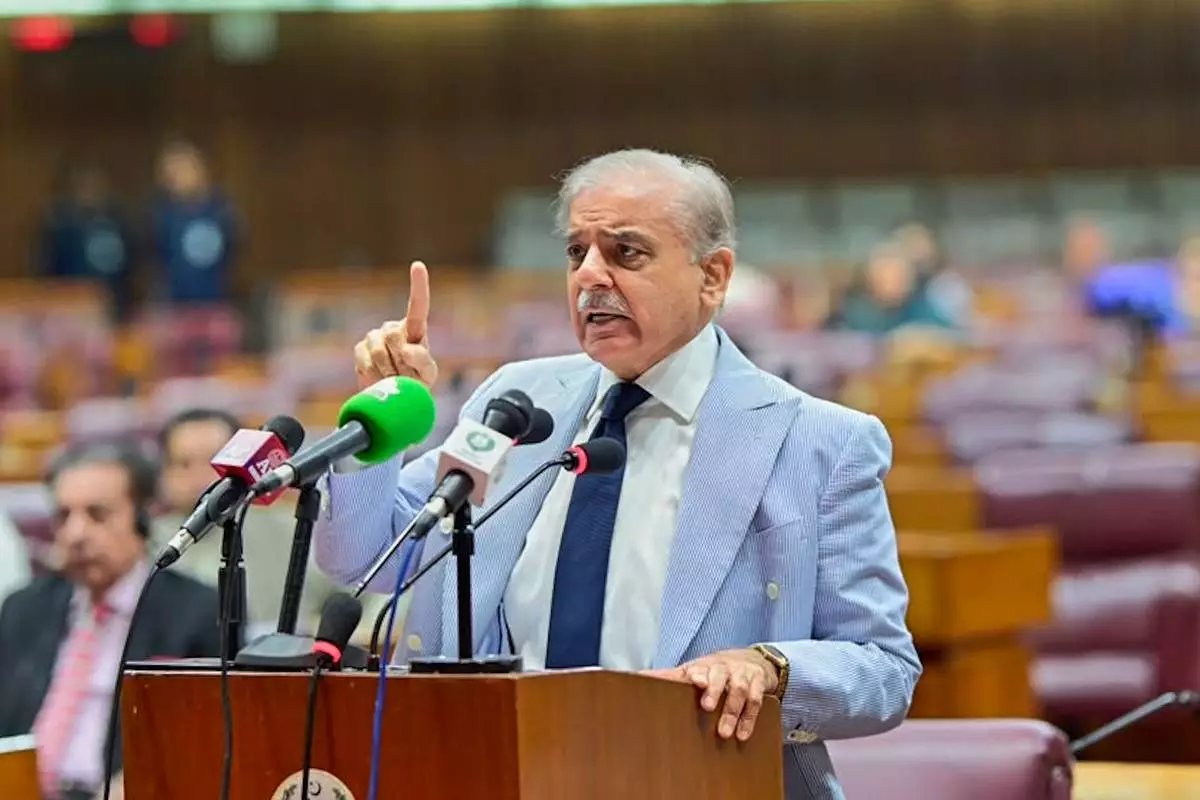
In this photo released by the Pakistan Prime Minister Office, Prime Minister Shehbaz Sharif speaks on the U.S.'s conflict with Iran, during a assembly session in the parliament in Islamabad, Pakistan, Monday, June 15, 2026. (Pakistan Prime Minister Office via AP)
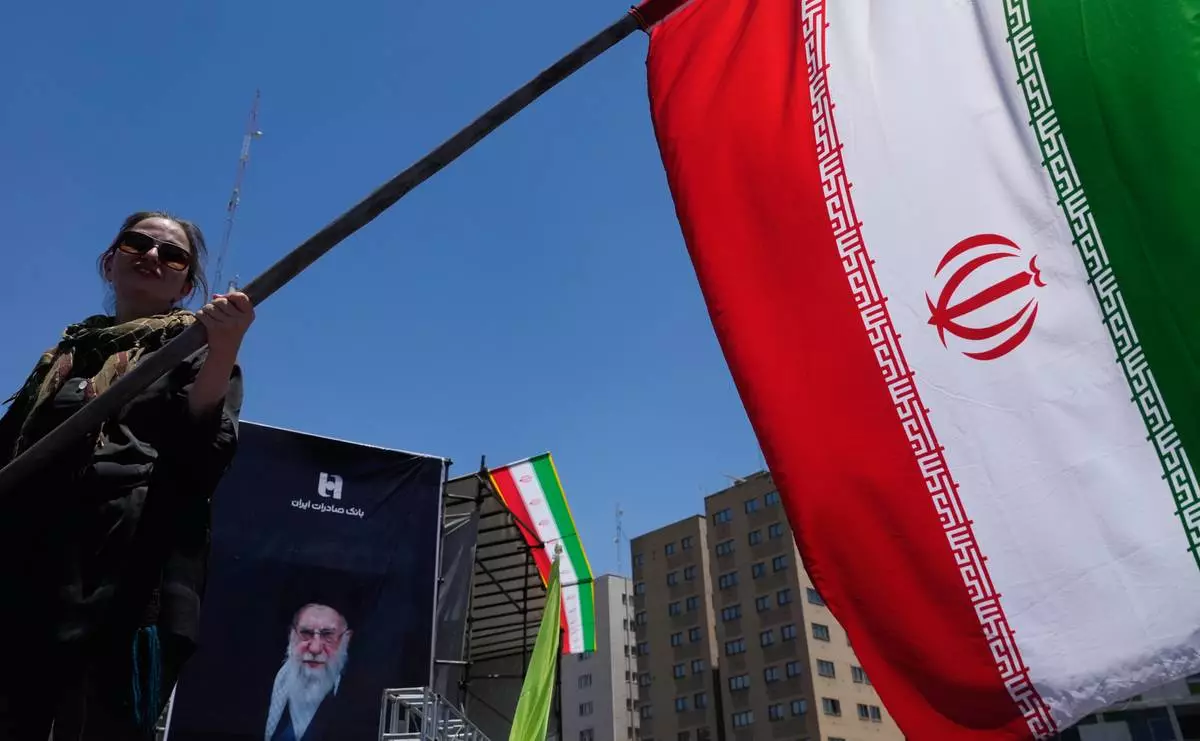
A woman waves an Iranian flag during a pro-government campaign as a portrait of the slain Supreme Leader Ayatollah Ali Khamenei, who was killed in U.S. and Israeli strikes on Feb. 28, is displayed at rear, in downtown Tehran, Iran, Monday, June 15, 2026. (AP Photo/Vahid Salemi)
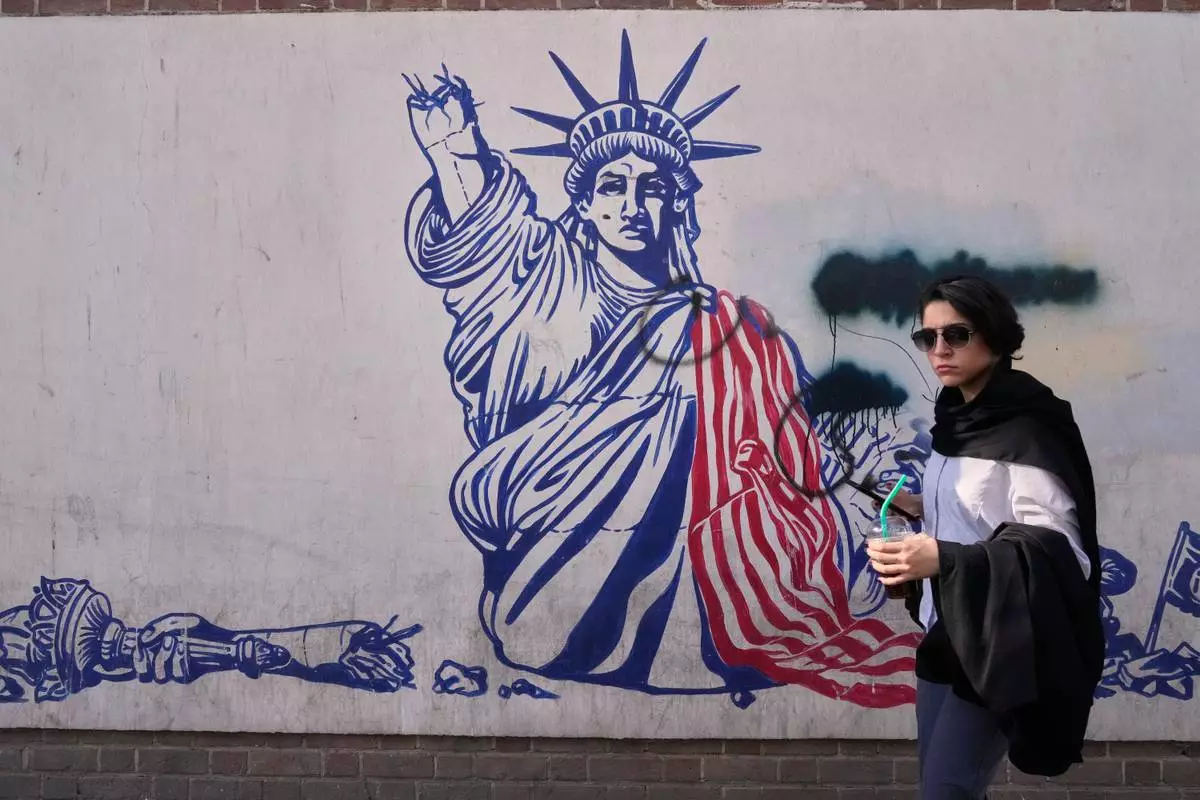
A woman walks past an anti-American mural on the wall of the former U.S. Embassy, now a museum, in Tehran, Iran, Friday, June 12, 2026. (AP Photo/Vahid Salemi)