The central parity rate of the Chinese currency renminbi, or the yuan, weakened 20 pips to 6.8108 against the U.S. dollar Tuesday, according to the China Foreign Exchange Trade System.
In China's spot foreign exchange market, the yuan is allowed to rise or fall by 2 percent from the central parity rate each trading day.
The central parity rate of the yuan against the U.S. dollar is based on a weighted average of prices offered by market makers before the opening of the interbank market each business day.
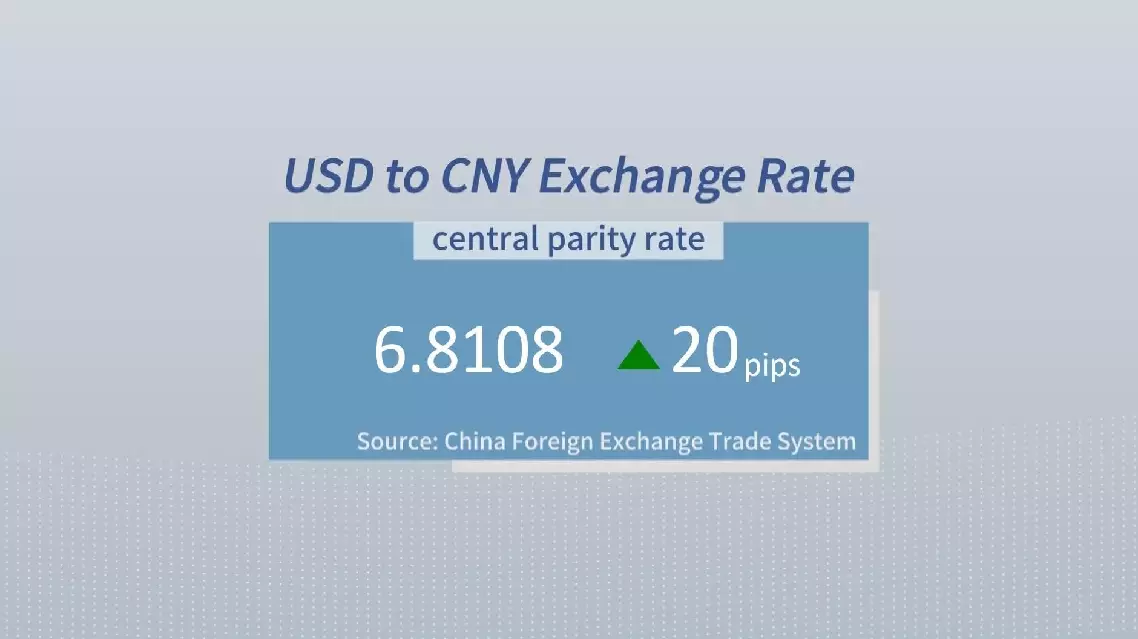
Chinese yuan weakens to 6.8108 against USD Tuesday
The Danube River, one of Europe's largest rivers, hit a record low in Bratislava's Devin borough Monday with its average daily flow falling to 575.9 cubic meters per second, the Slovak Hydrometeorological Institute (SHMU) said on Tuesday.
According to SHMU spokesperson Ivan Garcar, the figure has marked the lowest average daily flow recorded since measurements began in November 1900, surpassing the previous record set in January 1909. The previous record low stood at 580 cubic meters per second, meaning Monday's average flow was 4.1 cubic meters per second lower.
Three weeks earlier, SHMU reported that this summer was the third-warmest on record in Slovakia since 1931, with severe to extreme drought affecting about 90 percent of the country.
"The Danube has reached a new all-time low at Devin in over 125 years of record-keeping. The record dating back to 1909 is now a thing of the past after 117 years," stated Garcar.
Weather data showed that Earth had the hottest August on record, the World Meteorological Organization (WMO) said in early September, noting that the effects were felt around the planet. Large parts of central and eastern Europe saw widespread dryness in August, in some cases persisting since May. Water flow levels were exceptionally low in major European rivers, including the Rhine, Danube, Southern Bug and Dnieper.

Danube hits record low flow in Bratislava