Skip to Content Facebook Feature Image

Almonty Industries Provides Update on Large-Scale Drilling Program at Sangdong Molybdenum Project
Business

Almonty Industries Provides Update on Large-Scale Drilling Program at Sangdong Molybdenum Project
Business

Business

Almonty Industries Provides Update on Large-Scale Drilling Program at Sangdong Molybdenum Project
2026-06-16 19:30 Last Updated At:19:40

DILLON, Mont.--(BUSINESS WIRE)--Jun 16, 2026--

Almonty Industries Inc. (NASDAQ: ALM) (TSX: AII) (ASX: AII) (Frankfurt: ALI1), a leading global producer of tungsten concentrate, today announced an update on its large-scale drilling program at the Sangdong Molybdenum Project adjacent to Almonty’s Sangdong Mine in Yeongwol, Gangwon Province, South Korea, to confirm molybdenum resources ahead of future project development.

More Images
Almonty Industries Provides Update on Large-Scale Drilling Program at Sangdong Molybdenum Project

Almonty Industries Provides Update on Large-Scale Drilling Program at Sangdong Molybdenum Project

Almonty Industries Provides Update on Large-Scale Drilling Program at Sangdong Molybdenum Project

Almonty Industries Provides Update on Large-Scale Drilling Program at Sangdong Molybdenum Project

Almonty Industries Provides Update on Large-Scale Drilling Program at Sangdong Molybdenum Project

Almonty Industries Provides Update on Large-Scale Drilling Program at Sangdong Molybdenum Project

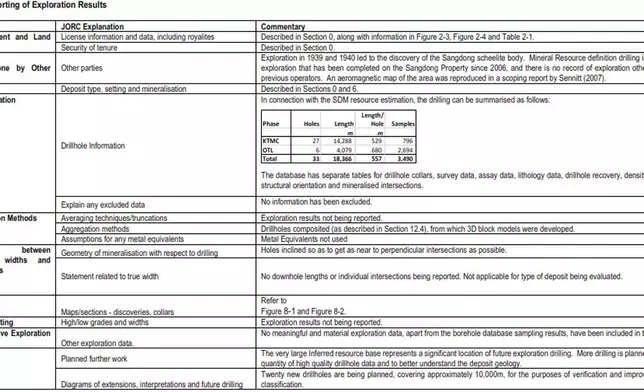
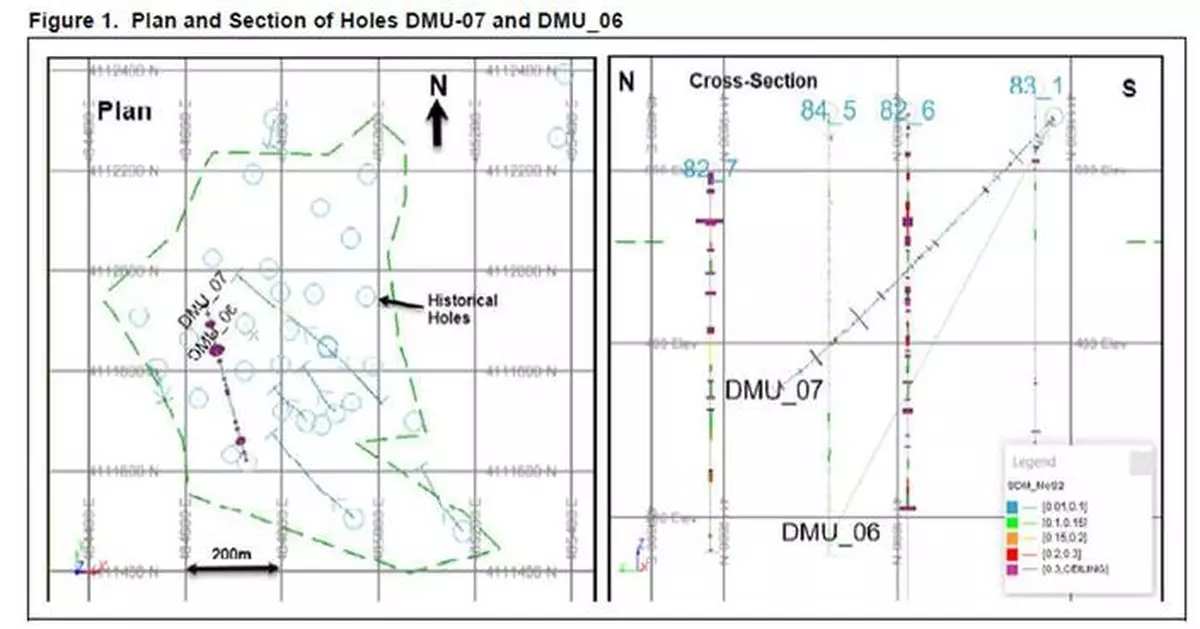
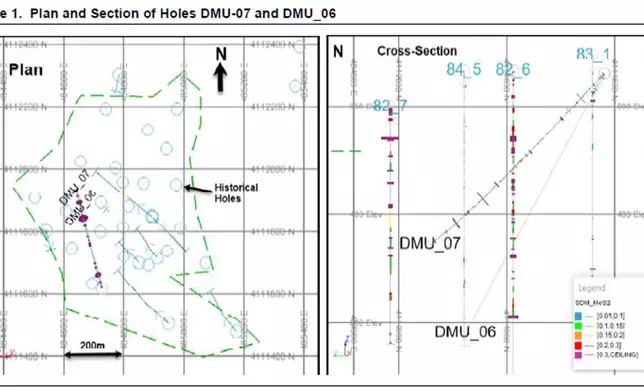
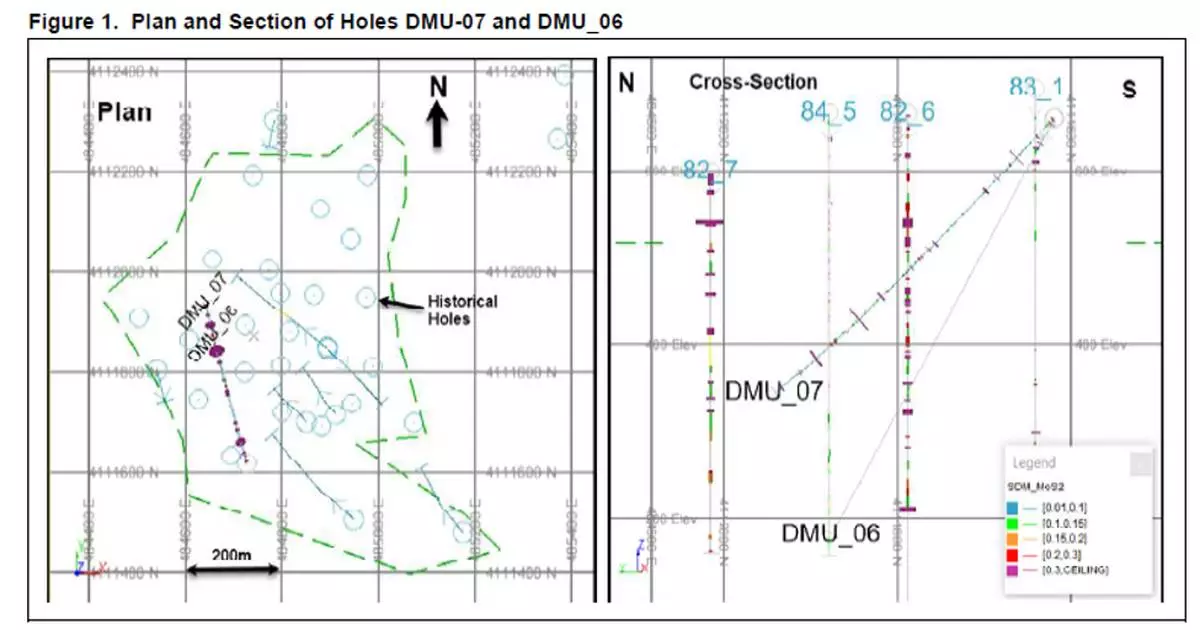
Figure 1. – The mineralized area is extensive, with multiple high-grade intersections

Figure 1. – The mineralized area is extensive, with multiple high-grade intersections

This press release features multimedia. View the full release here: https://www.businesswire.com/news/home/20260616660383/en/

Molybdenum is a strategic metal that can significantly enhance heat and corrosion resistance when added in small amounts to steel or specialty alloys. It is widely used in high-temperature and high-pressure industries such as aerospace, defense, nuclear energy, and petrochemicals. More recently, demand has expanded into next-generation industries including semiconductors and renewable energy. Additionally, the spot price of molybdenum has increased by approximately 23.5% over the past year to 592.34 CNY/Kg. (Source – www.dailymetalprice.com )

The drilling program re-examines mineralized structures identified in historical drill holes and also is aimed at enhancing resource categorization. Almonty is accelerating its molybdenum drilling campaign to address South Korea’s molybdenum supply shortage, which has recently reached a crisis level. With the national stockpile falling short, the South Korean government has issued public notices urging private companies to secure molybdenum.

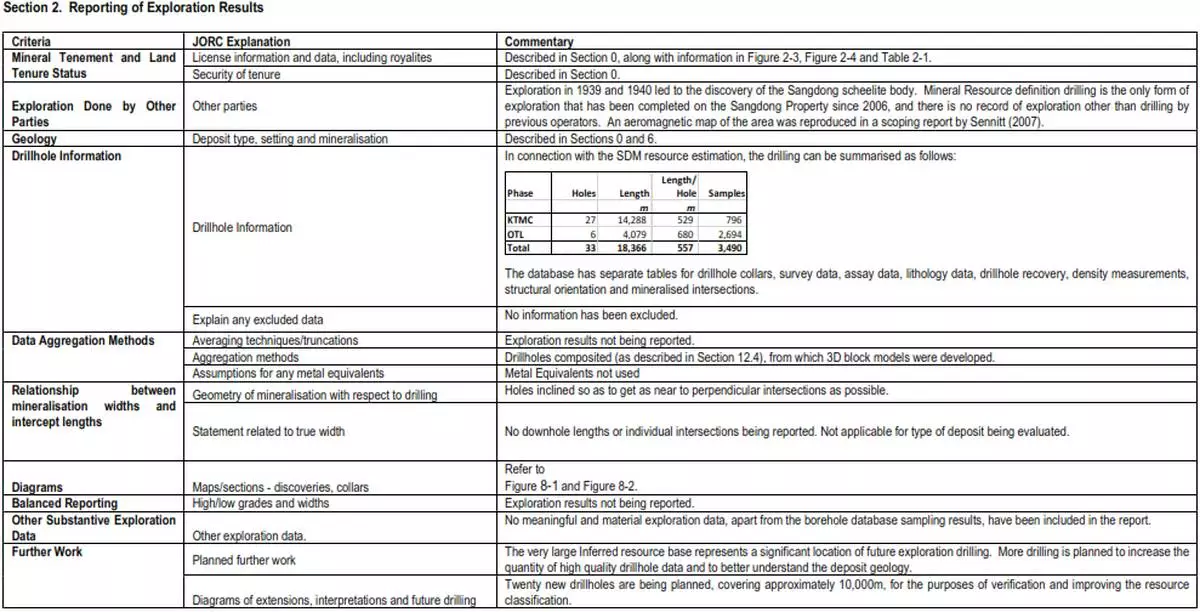
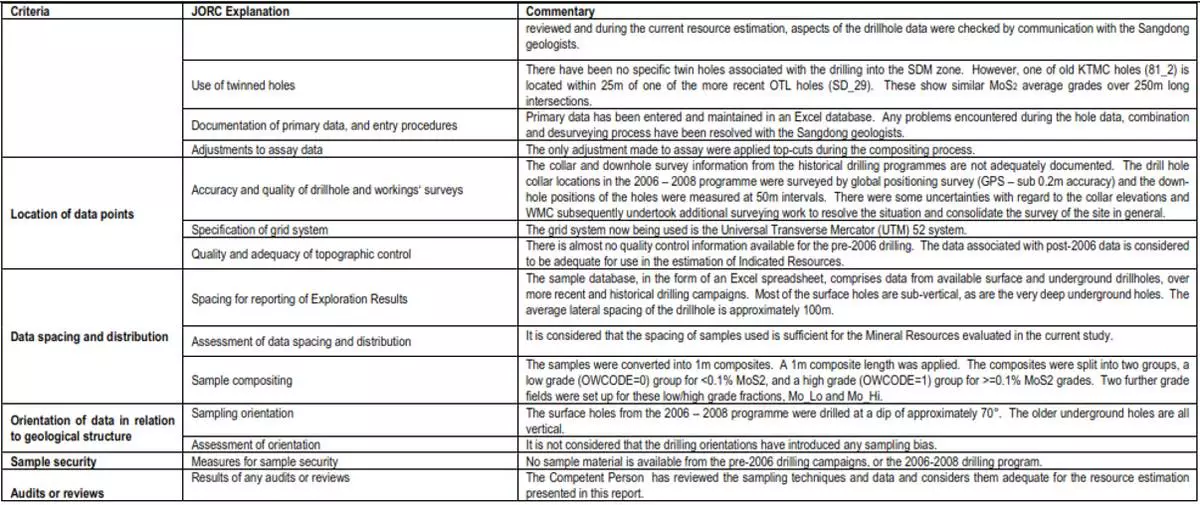
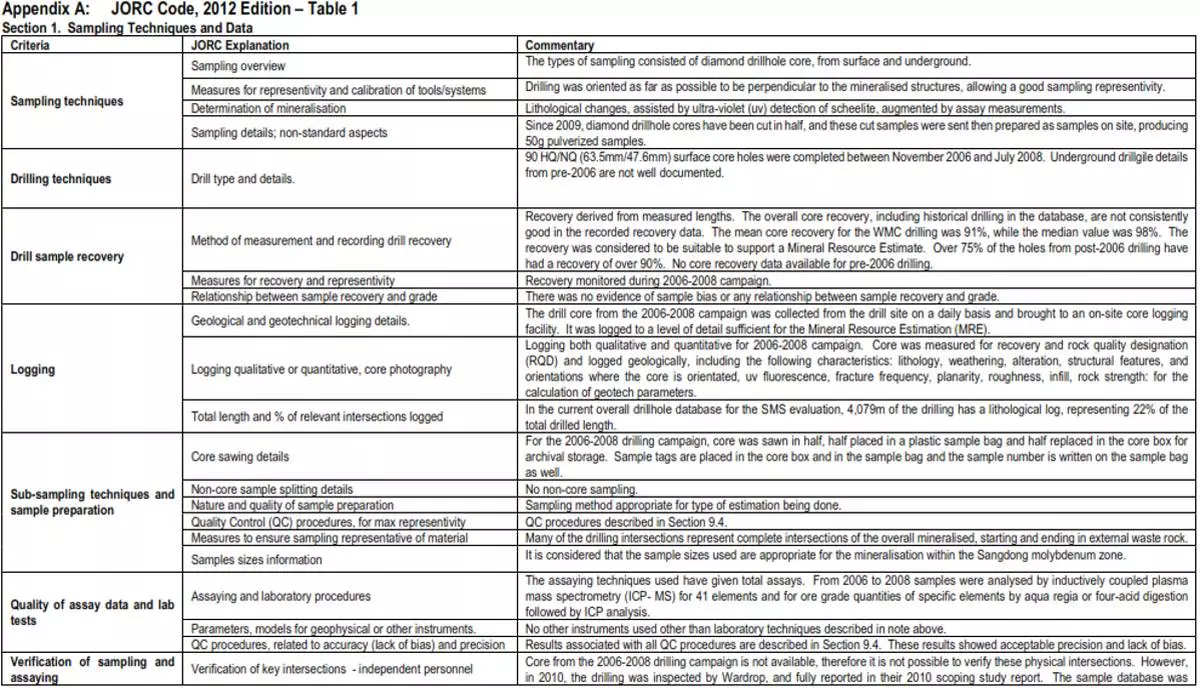
To date, approximately 37% of the 26 planned drill holes, which will cover approximately 12,000 meters in total, have been drilled. The assays received thus far have grades similar to those of historical drill holes. Once the full extent of the molybdenum ore body at Sangdong is confirmed, Almonty plans to begin mining without delay.

Lewis Black, Chairman, President and Chief Executive Officer of Almonty Industries, commented, “The early results from this campaign are highly encouraging. With approximately 37% of the program complete, the grades we are encountering are consistent with the historical data, reinforcing our confidence in the scale and quality of the molybdenum resource at Sangdong. We are advancing this work with urgency, as South Korea confronts a critical shortage of molybdenum, and we believe Sangdong Molybdenum Project can become a stable, allied source of supply for a metal that is vital to defense, energy and advanced manufacturing.”

“Molybdenum is a natural extension of the infrastructure and expertise we have already established at Sangdong for tungsten. Advancing both metals together allows us to build long-term value for shareholders while supporting national resource security, strengthening the regional economy and reducing the nation’s dependence on imports. Once the full extent of the ore body is confirmed, we intend to move into production without delay.”

As previously announced, the Company conducted a reassessment of its mining portfolio and concluded that, on the basis of its current strategy, including management’s focus and the deployment of resources on the Sangdong Tungsten Mine and the expected economic importance to Almonty of the expected production at the Phase I of the Sangdong Tungsten Mine relative to its other properties, as well as the expected timing and significant potential production increase of Phase II, the Sangdong Tungsten Mine is the only mineral project on a property that is material to the Company for the purposes of National Instrument 43-101 Standards of Disclosure for Mineral Projects and the only material mining project for the purposes of the ASX Listing Rules. The Company remains engaged in the operation and development of other mineral properties, including the Sangdong Molybdenum Project.

Competent Person Statement (ASX Listing Rule 5.22)

For the purposes of the ASX Listing Rules, the information in this announcement that relates to Exploration Results is based on and fairly represents information compiled by Mr. Adam Wheeler, who is an independent self-employed mining consultant and is not a permanent employee of Almonty. Mr. Wheeler is a Fellow of the Institute of Materials, Minerals and Mining (a Recognized Professional Organisation included in a list promulgated from time to time) and has sufficient experience, which is relevant to the style of mineralization and type of deposit under consideration, and to the activity being undertaken, to qualify as a Competent Person as defined in the JORC Code. Mr. Wheeler consents to the inclusion in this announcement of the matters based on the information in the form and context in which it appears.

About Almonty Industries Inc.

Almonty (Nasdaq: ALM) (TSX: AII) (ASX: AII) (Frankfurt: ALI1) is a leading supplier of conflict free tungsten – a strategic metal critical to the defense and advanced technology sectors. As geopolitical tensions heighten, tungsten has become essential for armor, munitions, and electronics manufacturing. Almonty’s flagship Sangdong Mine in South Korea, historically one of the world’s largest and highest-grade tungsten deposits, is expected to supply a significant portion of global non-China tungsten production upon reaching full capacity, directly addressing critical supply vulnerabilities highlighted by recent U.S. defense procurement bans and export restrictions by China. With established operations in Portugal and additional projects in Spain and the United States, Almonty is strategically aligned to meet rapidly rising demand from Western allies committed to supply-chain security and defense readiness. To learn more, please visit www.almonty.com.

Forward-Looking Statements

This news release contains “forward-looking statements” and “forward-looking information” within the meaning of applicable securities laws. All statements, other than statements of present or historical facts, are forward-looking statements. Forward-looking statements involve known and unknown risks, uncertainties and assumptions and accordingly, actual results could differ materially from those expressed or implied in such statements. You are hence cautioned not to place undue reliance on forward-looking statements. Forward-looking statements are typically identified by words such as “plan”, “development”, “growth”, “continued”, “intentions”, “expectations”, “emerging”, “evolving”, “strategy”, “opportunities”, “anticipated”, “trends”, “potential”, “outlook”, “ability”, “additional”, “on track”, “prospects”, “viability”, “estimated”, “reaches”, “enhancing”, “strengthen”, “target”, “believes”, “next steps” or variations of such words and phrases or statements that certain actions, events or results “may”, “could”, “would”, “might” or “will” be taken, occur or be achieved.

Forward-looking statements in this news release include, but are not limited to, statements concerning drilling results at the Sangdong Molybdenum Project. Forward-looking statements are based upon certain assumptions and other important factors that, if untrue, could cause actual results to be materially different from future results expressed or implied by such statements. There can be no assurance that forward-looking statements will prove to be accurate.

Forward-looking statements are also subject to risks and uncertainties facing the Company’s business, including, without limitation, drilling results at the Sangdong Molybdenum Project, as well as the risks identified in the Company’s annual information form for the year ended December 31, 2025 dated March 18, 2026 and in the Company’s management’s discussion and analysis dated May 11, 2026 for the three months ended March 31, 2026 and 2025. Although Almonty has attempted to identify important factors that could cause actual results, level of activity, performance or achievements to differ materially from those contained in forward-looking statements, there may be other factors that could cause results, level of activity, performance or achievements not to be as anticipated, estimated or intended. There can be no assurance that forward-looking statements will prove to be accurate, and even if events or results described in the forward-looking statements are realized or substantially realized, there can be no assurance that they will have the expected consequences to, or effects on, Almonty. Accordingly, readers should not place undue reliance on forward-looking statements and are cautioned that actual outcomes may vary.

Investors are cautioned against attributing undue certainty to forward-looking statements. Almonty cautions that the foregoing list of material factors is not exhaustive. When relying on Almonty’s forward-looking statements and information to make decisions, investors and others should carefully consider the foregoing factors and other uncertainties and potential events. Almonty has also assumed that material factors will not cause any forward-looking statements and information to differ materially from actual results or events. However, the list of these factors is not exhaustive and is subject to change and there can be no assurance that such assumptions will reflect the actual outcome of such items or factors.

THE FORWARD-LOOKING INFORMATION CONTAINED IN THIS NEWS RELEASE REPRESENTS THE EXPECTATIONS OF ALMONTY AS OF THE DATE OF THIS NEWS RELEASE AND, ACCORDINGLY, IS SUBJECT TO CHANGE AFTER SUCH DATE. READERS SHOULD NOT PLACE UNDUE IMPORTANCE ON FORWARD-LOOKING INFORMATION AND SHOULD NOT RELY UPON THIS INFORMATION AS OF ANY OTHER DATE. WHILE ALMONTY MAY ELECT TO, IT DOES NOT UNDERTAKE TO UPDATE THIS INFORMATION AT ANY PARTICULAR TIME, WHETHER AS A RESULT OF NEW INFORMATION, FUTURE EVENTS OR OTHERWISE, EXCEPT AS REQUIRED IN ACCORDANCE WITH APPLICABLE LAWS.
Almonty Industries Provides Update on Large-Scale Drilling Program at Sangdong Molybdenum Project
Almonty Industries Provides Update on Large-Scale Drilling Program at Sangdong Molybdenum Project
Almonty Industries Provides Update on Large-Scale Drilling Program at Sangdong Molybdenum Project
Almonty Industries Provides Update on Large-Scale Drilling Program at Sangdong Molybdenum Project

Almonty Industries Provides Update on Large-Scale Drilling Program at Sangdong Molybdenum Project

Almonty Industries Provides Update on Large-Scale Drilling Program at Sangdong Molybdenum Project

Figure 1. – The mineralized area is extensive, with multiple high-grade intersections

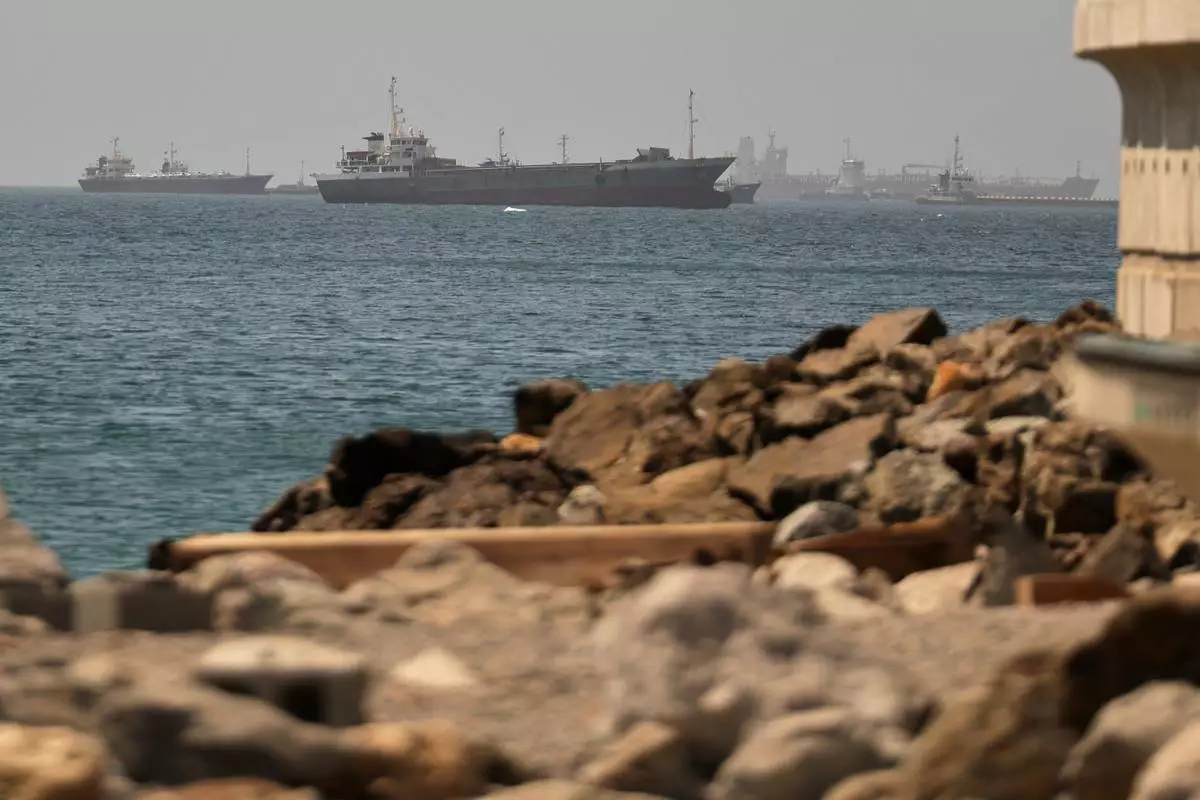
Figure 1. – The mineralized area is extensive, with multiple high-grade intersections
DUBAI, United Arab Emirates (AP) — Iran’s top diplomat said Tuesday that the tentative deal to end the war with the United States would require Israel to withdraw from Lebanon — a condition Israel has already rejected and that could sink the agreement, leading to the resumption of all-out war.

The deal, which is between the U.S. and Iran, has not been made public, and officials have sometimes offered contradictory interpretations of what is in it. While Israel is not party to the agreement, it is part of the war: It joined the U.S. in launching strikes on Iran on Feb. 28, and has since fought the Iran-backed Hezbollah militant group in Lebanon and seized large swaths of that country.

Iranian Foreign Minister Abbas Araghchi said Israel’s continued occupation of southern Lebanon would violate the deal.

“Without the withdrawal of Israeli forces from the territories they occupied during this war, the war has not fully come to an end,” Araghchi said.

A U.S. official, who spoke on condition of anonymity to discuss outlines of the agreement, has said the deal does not call for an Israeli withdrawal. And Israeli Prime Minister Benjamin Netanyahu said Monday that Israel would remain in Lebanon “as long as necessary.”

The negotiations to end the war have been plagued by such disagreements before, leading to a prolonged but uneasy ceasefire that has failed to develop into a permanent end to hostilities and has left the Strait of Hormuz, a crucial waterway for the world’s energy supplies, effectively shut.

In other developments, Switzerland’s foreign ministry said the signing ceremony for the deal will take place Friday at the Bürgenstock resort near the city of Luzern. Ministry officials said Tuesday that the location was proposed by Pakistani and Qatari mediators, along with the U.S. and Iran.

Pakistan, a key mediator, has said the deal called for an end to military operations, including in Lebanon, as Iran long insisted. But Araghchi’s call for an Israeli withdrawal adds a new wrinkle.

It puts Israel into a dilemma as it tries to degrade Hezbollah’s military capabilities without undermining an agreement championed by its most important ally, the United States. Israel invaded southern Lebanon after Hezbollah fired missiles across the border during the first week of the war. Since then, it has expanded its military footprint to levels unseen in decades and struck targets deep inside Beirut.

Though Hezbollah has been weakened, it retains the ability to strike Israel, leaving open questions about the effectiveness of Israel’s campaign.

As of Tuesday evening, Netanyahu had not seen the memorandum of understanding between the U.S. and Iran, said a person familiar with the situation, who requested anonymity to discuss closed-door details. Netanyahu’s office did not immediately respond to request for comment from The Associated Press.

The Israeli ambassador to the U.S., Yechiel Leiter, told NPR that while Israel does not know the details of the deal, the apparent inclusion of Lebanon is “unnecessary and unhelpful.”

The extent of Israel’s strikes have at times opened a public fracture between its leaders and U.S. President Donald Trump, who told reporters Tuesday that he was “not happy with the way Israel has handled themselves with Lebanon and with Hezbollah.”

“It just goes on forever,” he said of Israel’s strategy. Israeli strikes in Lebanon have killed nearly 4,000 people, including hundreds of civilians, and displaced more than 1 million. “Israel’s fighting Hezbollah too long, and too many people are being killed,” he said.

Trump said he’s open to sending the emerging agreement to the U.S. Congress for review.

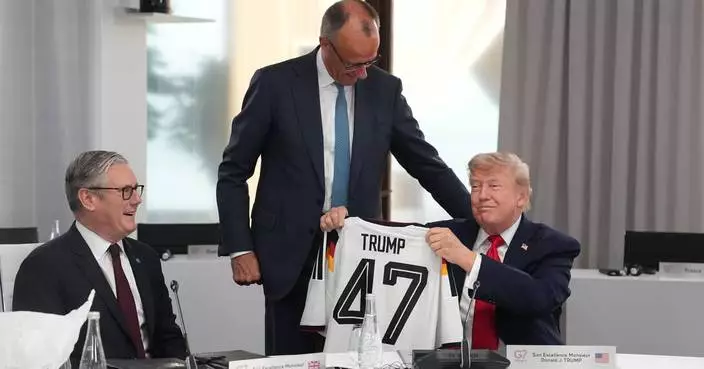
Speaking on the sidelines of the Group of Seven summit in the French Alps, Trump said, “I like the idea, send it to Congress please." He added, “I mean who wouldn’t approve it.”

Republicans on Capitol Hill say they want Trump to provide more information about the agreement, with some expressing skepticism that the deal can deter Iran from pursuing a nuclear weapon.

Israel and the Lebanese government have entered into their own U.S.-mediated direct negotiations, of which Hezbollah was not a part. Those talks have yielded several announced ceasefires that were never implemented on the ground. Lebanese officials initially tried to keep Lebanon separate from the U.S.-Iran negotiations, not wanting to be seen as beholden to Iran, but they have since welcomed the announcement that the deal to end the U.S.-Iran war would include a ceasefire in Lebanon.

Araghchi’s latest comments appear to match the understanding of two regional officials with direct knowledge of the interim deal. The officials, speaking to AP on condition of anonymity to discuss the closed-door negotiations, said it would require Israel to leave nearly all the territory it occupies in Lebanon, minus a few hilltop points along the border seized earlier.

The officials say Iran insisted the accord include Lebanon in the last days of the negotiations.

Lebanon is only one of several major questions hanging over the ceasefire ahead of the planned ceremonial signing.

The agreement is meant to provide a meaningful truce in a monthslong war that has killed thousands across the Middle East, including the top leaders of Iran’s theocracy, and raised the prices of fuel, food and other basic goods far beyond the region.

The agreement provides for the “immediate” opening of the Strait of Hormuz and the lifting of the American naval blockade of Iranian ports, according to a senior U.S. official who spoke to reporters Monday on condition of anonymity to discuss outlines of the agreement.

Pakistani officials who helped broker the agreement also described plans for the simultaneous lifting of Iran’s closure of the strait and the U.S. blockade.

The United States and Iran will then begin 60 days of negotiations over Iran’s nuclear program and the potential lifting of sanctions, Pakistani officials who helped broker the interim deal said, speaking on condition of anonymity about the unpublished text.

The pact also includes the possibility of releasing Iran’s frozen funds and a $300 billion fund to help rebuild Iran if Tehran meets certain benchmarks, senior U.S. officials told reporters Monday. Trump later said the United States would not “invest” funds in Iran.

Regarding the timeline, regional officials who spoke to AP about the deal said the release of frozen Iranian assets would be tied to Tehran implementing the deal. Gulf Arab states also have pledged to inject billions of dollars in Iran’s economy, they added, speaking on the condition of anonymity to discuss the negotiations.

Iran's nuclear program, specifically the fate of its stockpile of highly enriched uranium, would be subject to the 60-day clock. Iran has agreed to discuss ways to possibly “dilute or remove” it, the officials said. However, it remains unclear whether Tehran would agree to that, particularly with hard-liners opposing to giving it up.

U.S. officials have not yet explained how they see the agreement addressing Iran’s nuclear program, including who will be in charge of verifying that Iran is in compliance and who will destroy or remove highly enriched uranium believed to be buried under nuclear sites that were badly damaged by U.S. strikes last summer.

Still, world leaders gathering in France for the first full day of the G7 summit insisted the agreement needed to succeed, even as key questions remained unanswered.

The leaders of France, Germany, Italy and the United Kingdom issued a joint statement congratulating the United States, the Iranian government and the mediators on what they called a “diplomatic breakthrough," saying it was vital for the deal to be quickly implemented.

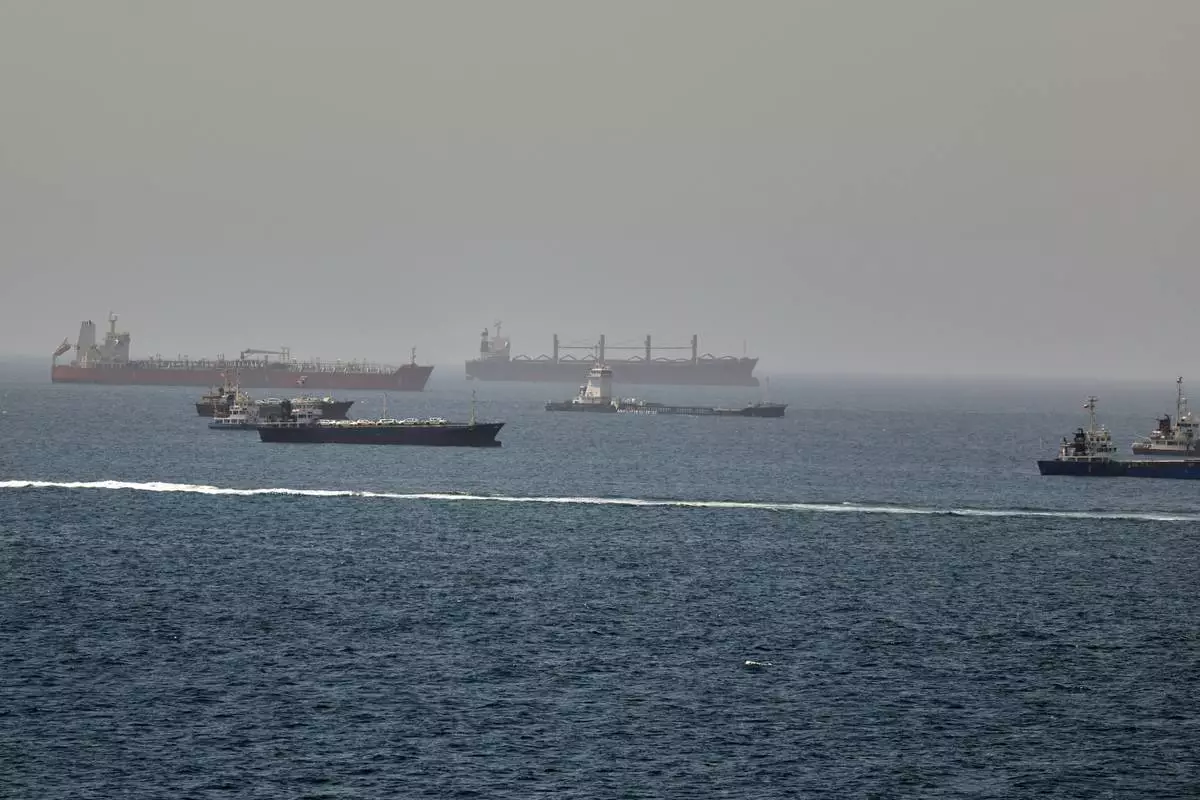
Tankers and cargo vessels are seen in the Gulf of Oman, along shipping routes linking the Strait of Hormuz and the Arabian Sea, Tuesday, June 16, 2026. (AP Photo)

Tankers and cargo vessels are seen in the Gulf of Oman, along shipping routes linking the Strait of Hormuz and the Arabian Sea, Tuesday, June 16, 2026. (AP Photo)

Tankers and cargo vessels are seen in the Gulf of Oman, along shipping routes linking the Strait of Hormuz and the Arabian Sea, Tuesday, June 16, 2026. (AP Photo)

Tankers and cargo vessels are seen in the Gulf of Oman, along shipping routes linking the Strait of Hormuz and the Arabian Sea, Tuesday, June 16, 2026. (AP Photo)

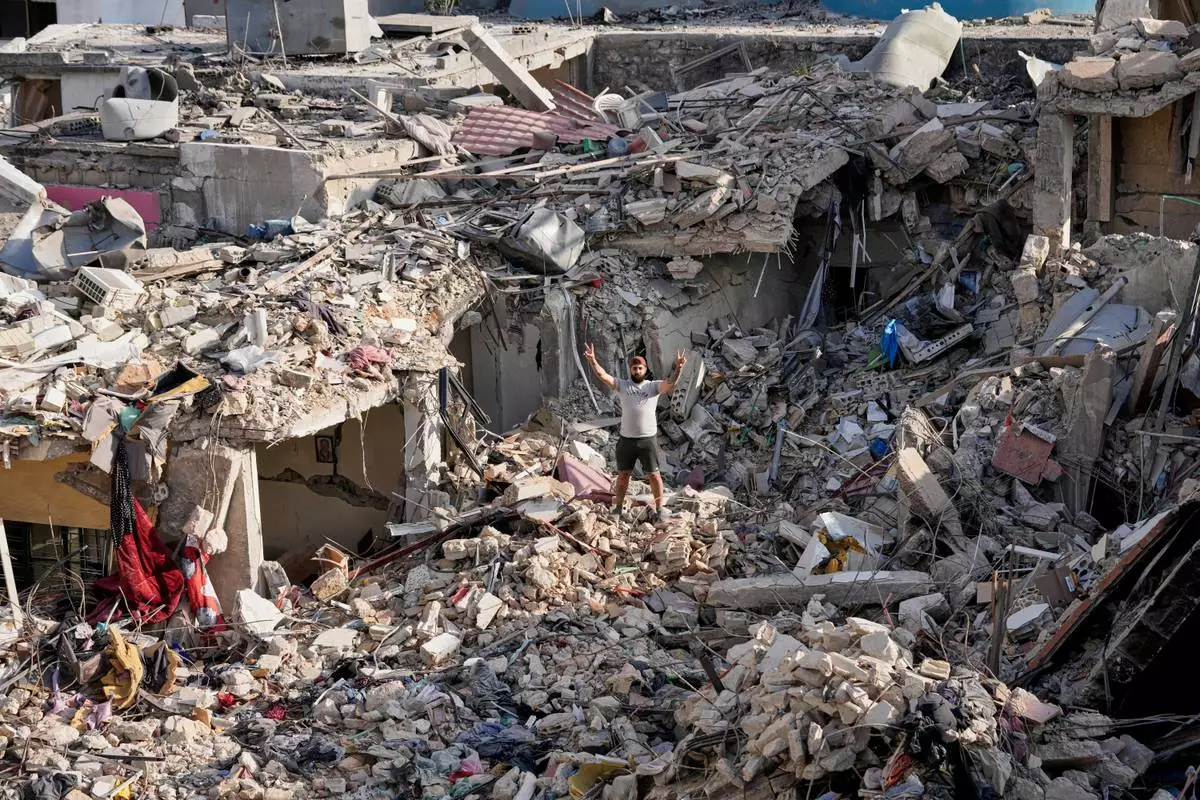
A man who returns to his village following the announcement of an initial ceasefire agreement between the United States and Iran, flashes victory sign as he stands on the rubble of his destroyed house in Nabatiyeh town, southern Lebanon, Tuesday, June 16, 2026. (AP Photo/Hussein Malla)

A man who returns to his village following the announcement of an initial ceasefire agreement between the United States and Iran, flashes victory sign as he stands on the rubble of his destroyed house in Nabatiyeh town, southern Lebanon, Tuesday, June 16, 2026. (AP Photo/Hussein Malla)

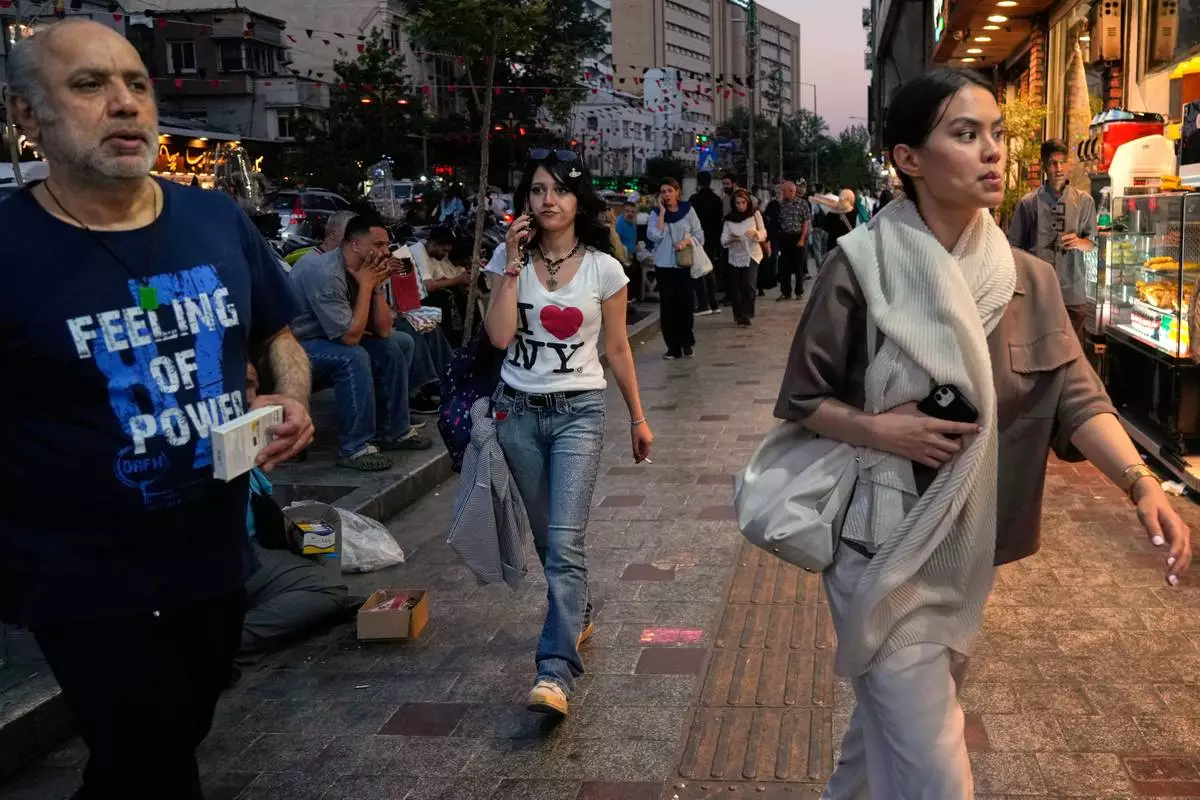
People walk along Tajrish square in northern Tehran, Monday, June 15, 2026. (AP Photo/Vahid Salemi)

People walk along Tajrish square in northern Tehran, Monday, June 15, 2026. (AP Photo/Vahid Salemi)

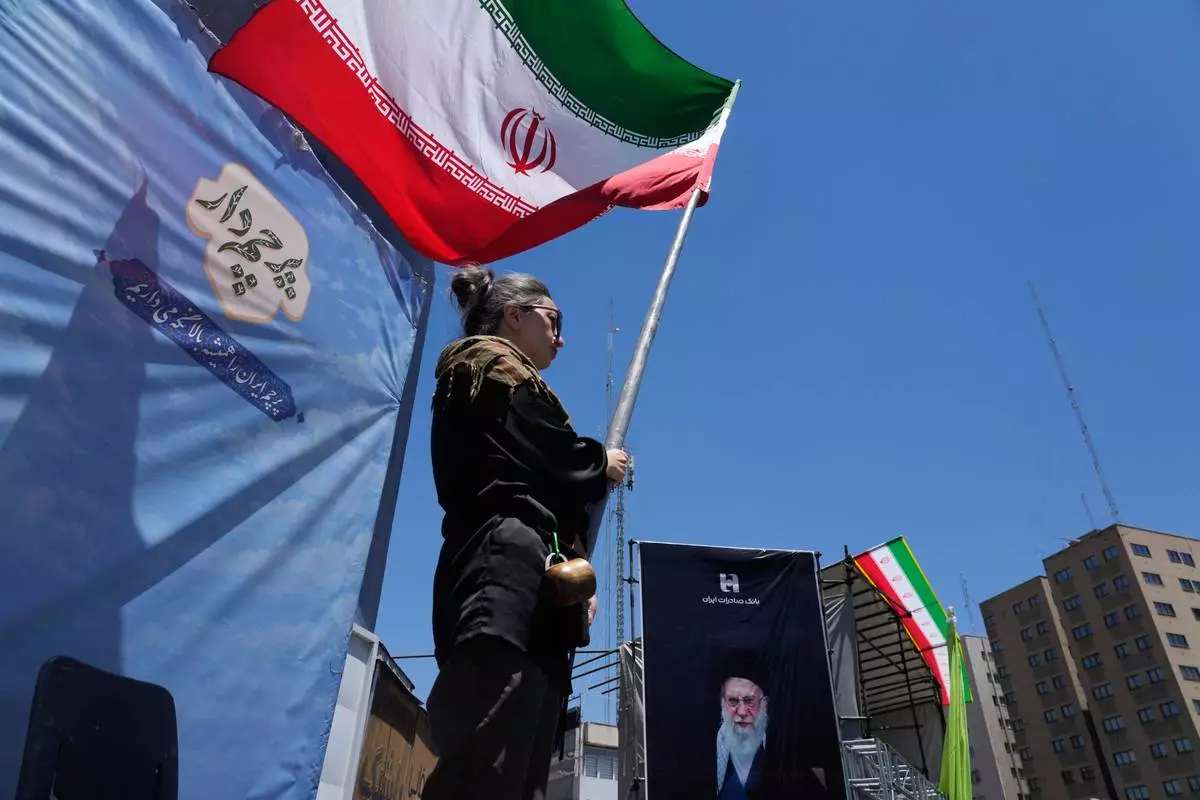
A woman waves an Iranian flag during a pro-government campaign as a portrait of the slain Supreme Leader Ayatollah Ali Khamenei, who was killed in U.S. and Israeli strikes on Feb. 28, is displayed at right, in downtown Tehran, Iran, Monday, June 15, 2026. (AP Photo/Vahid Salemi)

A woman waves an Iranian flag during a pro-government campaign as a portrait of the slain Supreme Leader Ayatollah Ali Khamenei, who was killed in U.S. and Israeli strikes on Feb. 28, is displayed at right, in downtown Tehran, Iran, Monday, June 15, 2026. (AP Photo/Vahid Salemi)

Recommended Articles