BUCHAREST, Romania (AP) — A new exhibition in Romania’s capital spotlights the harsh reality of interrogations carried out by the country’s notorious communist-era secret police.
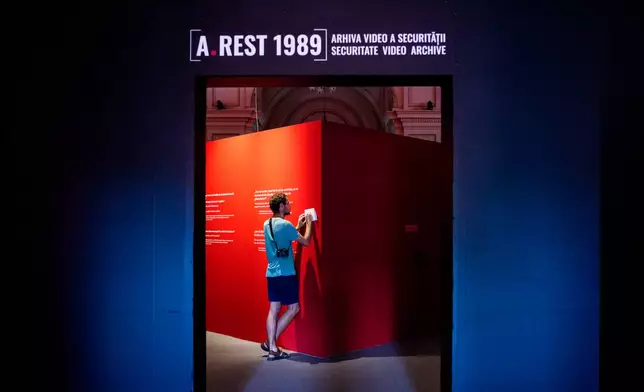
Held at the National History Museum of Romania in Bucharest, the exhibition is called “A.REST 1989.” The Securitate Video Archive uses video footage to reconstruct how detentions and interrogations worked under the Securitate, the sprawling network of spies that enforced Nicolae Ceausescu’s rule, until he was overthrown and executed in December 1989.
Click to Gallery
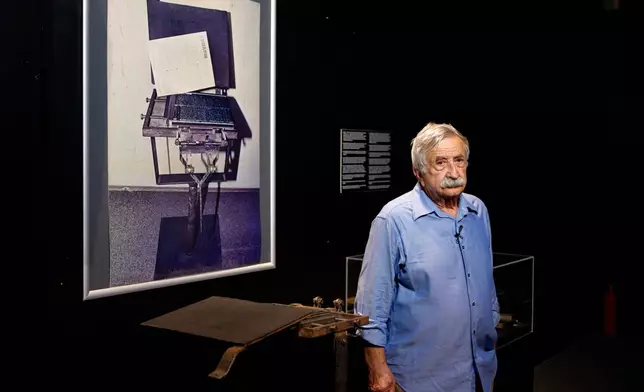
Journalist Petre Mihai Bacanu stands next to a clandestine printing press, belonging to him that was confiscated by the secret police in early 1989, during the opening of the "A.REST 1989 — The Securitate Video Archive" exhibition, at the National History Museum of Romania, in Bucharest, Romania, Tuesday, June 16, 2026. (AP Photo/Andreea Alexandru)
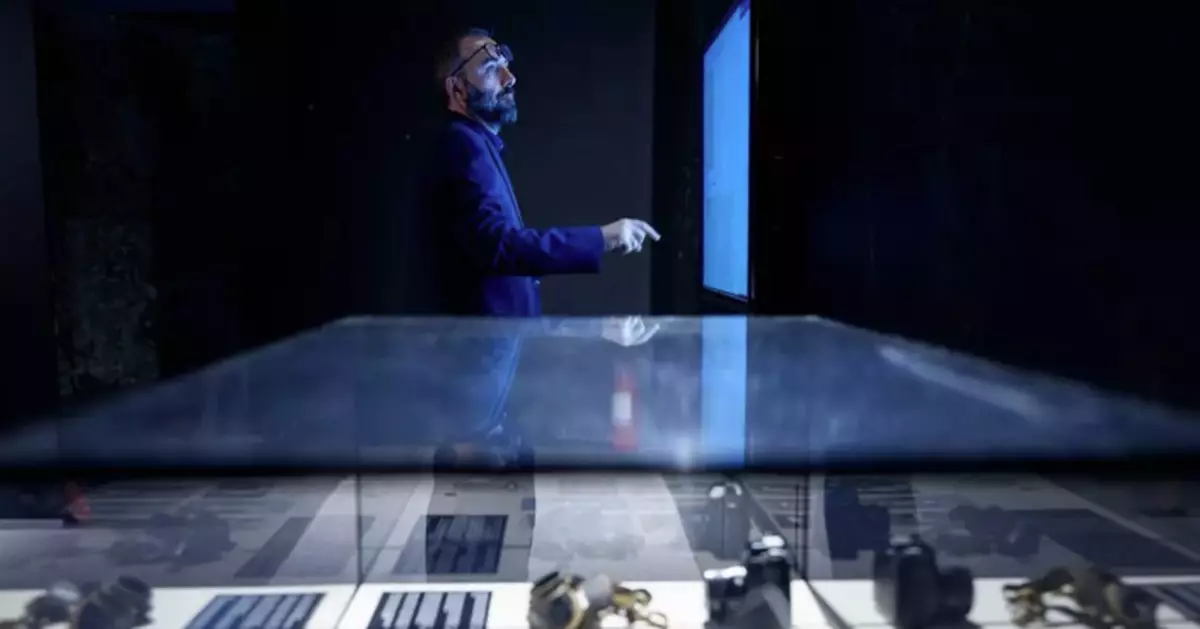
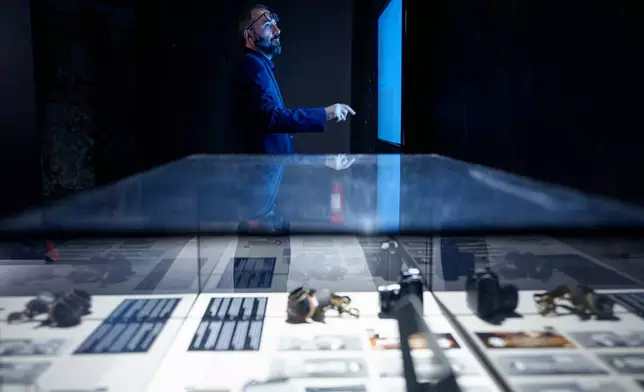
Cornel Constantin Ilie, manager of the National History Museum of Romania looks at a display during the opening of the "A.REST 1989 — The Securitate Video Archive" exhibition, at the National History Museum of Romania, in Bucharest, Romania, Tuesday, June 16, 2026. (AP Photo/Andreea Alexandru)
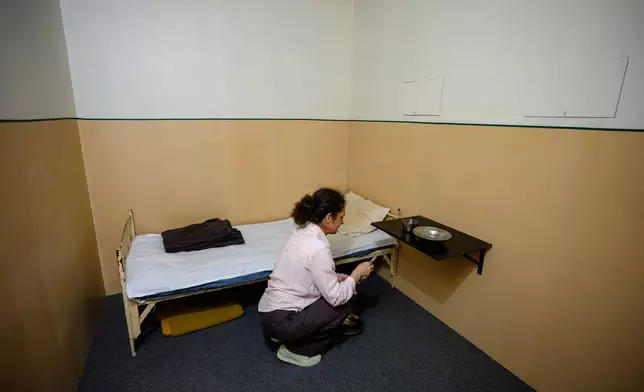
Oana Demetriade, historian at the National Council for Studying the Securitate Archives (CNSAS), puts the final touches in a replica of a Securitate prison cell, a day before the opening of the "A.REST 1989 — The Securitate Video Archive" exhibition, at the National History Museum of Romania, in Bucharest, Romania, Monday, June 15, 2026. (AP Photo/Andreea Alexandru)
A man copies transcripts from Communist era surveillance tapes during the opening of the "A.REST 1989 — The Securitate Video Archive" exhibition, at the National History Museum of Romania, in Bucharest, Romania, Tuesday, June 16, 2026. (AP Photo/Andreea Alexandru)
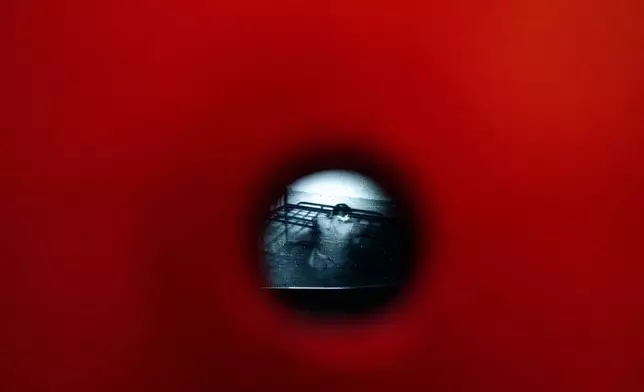
A video from the Communist era secret police surveillance archives, seen through a pinhole, shows Anton Uncu sitting on a metal bed, a day before the opening of the "A.REST 1989 — The Securitate Video Archive" exhibition, at the National History Museum of Romania, in Bucharest, Romania, Monday, June 15, 2026. (AP Photo/Andreea Alexandru)
The exhibition features original videotaped recordings of interrogations of four detainees investigated by the secret police, shown on grainy, wall-mounted monitors in the museum’s central hall. All were recorded in 1989 by the Criminal Investigations Directorate of the Securitate.
In the middle of the exhibition space is a reconstructed cell furnished with a small bed, an empty metal bowl and cup, which evokes the isolation that detainees might have felt. It also highlights the Securitate’s extensive reach and power under communism and the investigation techniques they used on suspects.
Many of the recordings reveal coercive questioning and intimidation tactics that often drift into the absurd, as detainees are ground down or left bewildered. During one such back-and-forth, a woman whose husband had allegedly defected tells her questioner: “I no longer have the strength to fight. I need logical arguments, not this nonsense.”
“In the world of Securitate ‘justice,’ detainees or those under arrest were merely prisoners, captives in the operational labyrinth of manufactured guilt,” the organizers say, adding that the exhibition can serve as a belated “memorial plaque” to victims. “The victims, thus, gain a voice and a place."
The exhibition runs until mid-September and is a collaboration between the National History Museum, Romania’s National Council for Studying the Securitate Archives, or CNSAS, and the Ministry of Culture.
The organizers said the 26 videotapes held by CNSAS are “a remnant, the accidental result of the disorderly and violent end” of socialist Romania, recorded by the criminal investigations technical department in 1989.
Oana Demetriade, a historian at CNSAS and exhibition curator, told The Associated Press that she initially wanted to use the videotapes to make a documentary for students and school kids, but decided to pursue an exhibition instead.
“The project grew organically through the discussions I had with architects and designers,” she said. “From the very beginning, the first discussions I had with my husband who works at CNSAS and everything I found in these tapes made me go ‘wow!’ … They were being watched in cells non-stop.”
“That’s what this whole archive brings new,” she added. “How it gets here and how people, those who are arrested, in the end, are repeatedly threatened, yelled at, threatened with beatings, threatened with the family suffering, and so on.”
Also exhibited are artifacts such as a printing press that belonged to journalist Petre Mihai Bacanu, which was confiscated by the secret police in early 1989. Bacanu and several associates used the press to print an anti-Ceausescu and anti-government newspaper.
“How could we, after 45 years of socialism, still be afraid of people’s opinions, even of their thoughts?” Bacanu says during an interrogation in February 1989.
Another item exhibited is a pair of glasses that were used to stop detainees from “seeing where they were going or identifying” other persons.
The detention facility had spaces for two different types of detention, says Mihai Demetriade, also a historian at CNSAS and an exhibition curator along with his wife.
While “preventative detention” was used in political cases alleging crimes against the state, “operational detention” units were used to lock people up in what he described as a form of kidnapping — to imprison and silence potential dissenters during sensitive moments like a congress or visiting foreign dignitary.
“We are not talking about the testimonies of victims after the fall of communism, nor about documents, nor about books, nor about manuscripts,” he said. “We have something not open to manipulation … a live recording of events that occur in interrogation rooms or cells. It’s hard to fight against something like that as a denialist.”
“This space is important because it proves how rapacious, tough, aggressive the communist dictatorship remained even in the last moments of the communist system," he added.
In recent years, as nationalism has risen in Romania, so too has a nostalgia for life under communism during the Ceausescu years, especially among young people who typically have limited or no memories of life in the country before 1989.
Cornel Constantin Ilie, manager of the National History Museum of Romania, says the new exhibition can help expose the realities of that period in Romania’s history and “reach the minds and, why not, the souls” of visitors.
“It is an exhibition that puts you in front of facts that cannot be ignored,” he said. “It’s very important because we must not forget and we must not repeat. … What we see in this exhibition is an ugly face of history, it is a story in which human freedom, human dignity were suppressed.”
McGrath reported from Leamington Spa, England.
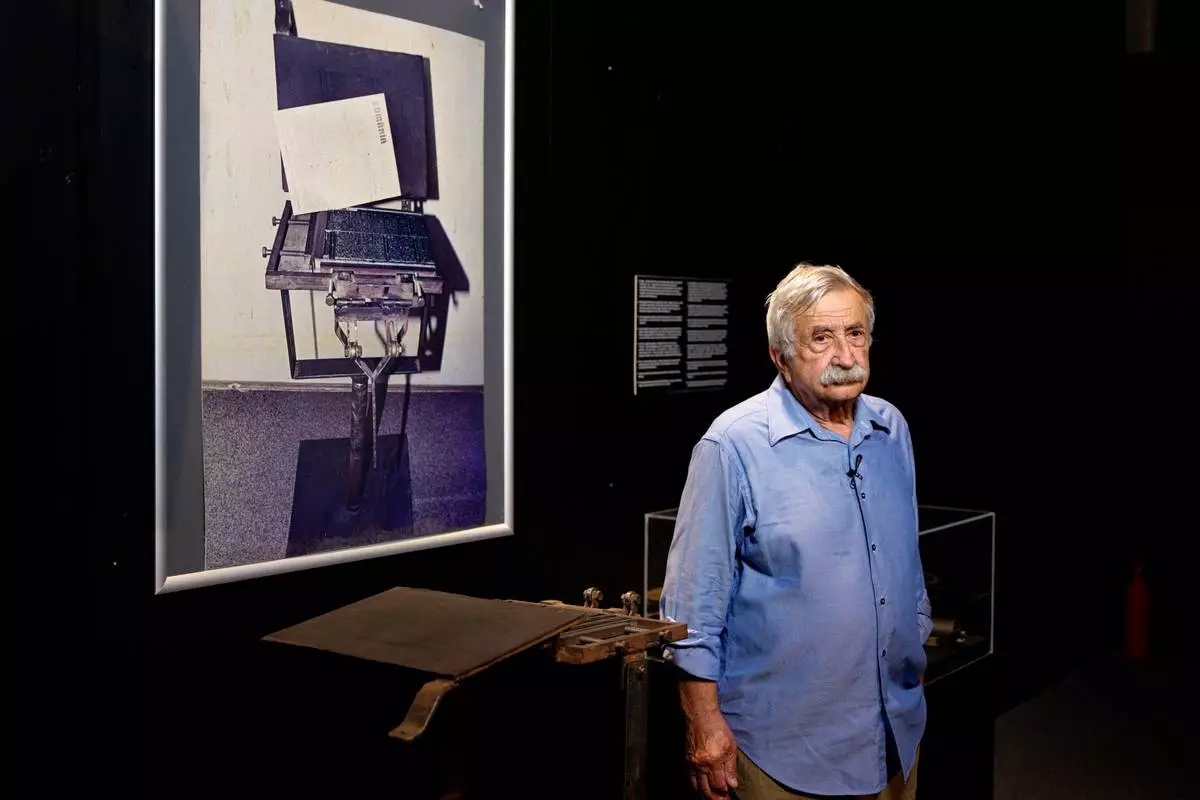
Journalist Petre Mihai Bacanu stands next to a clandestine printing press, belonging to him that was confiscated by the secret police in early 1989, during the opening of the "A.REST 1989 — The Securitate Video Archive" exhibition, at the National History Museum of Romania, in Bucharest, Romania, Tuesday, June 16, 2026. (AP Photo/Andreea Alexandru)
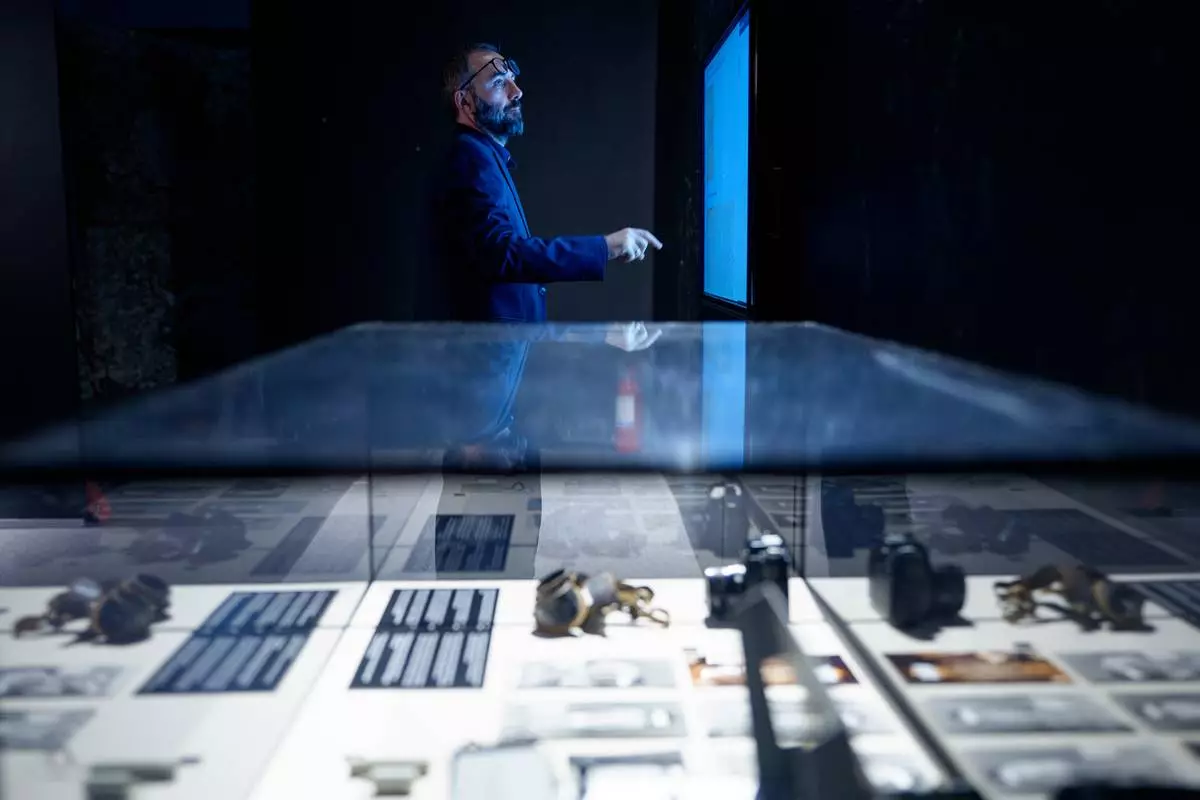
Cornel Constantin Ilie, manager of the National History Museum of Romania looks at a display during the opening of the "A.REST 1989 — The Securitate Video Archive" exhibition, at the National History Museum of Romania, in Bucharest, Romania, Tuesday, June 16, 2026. (AP Photo/Andreea Alexandru)
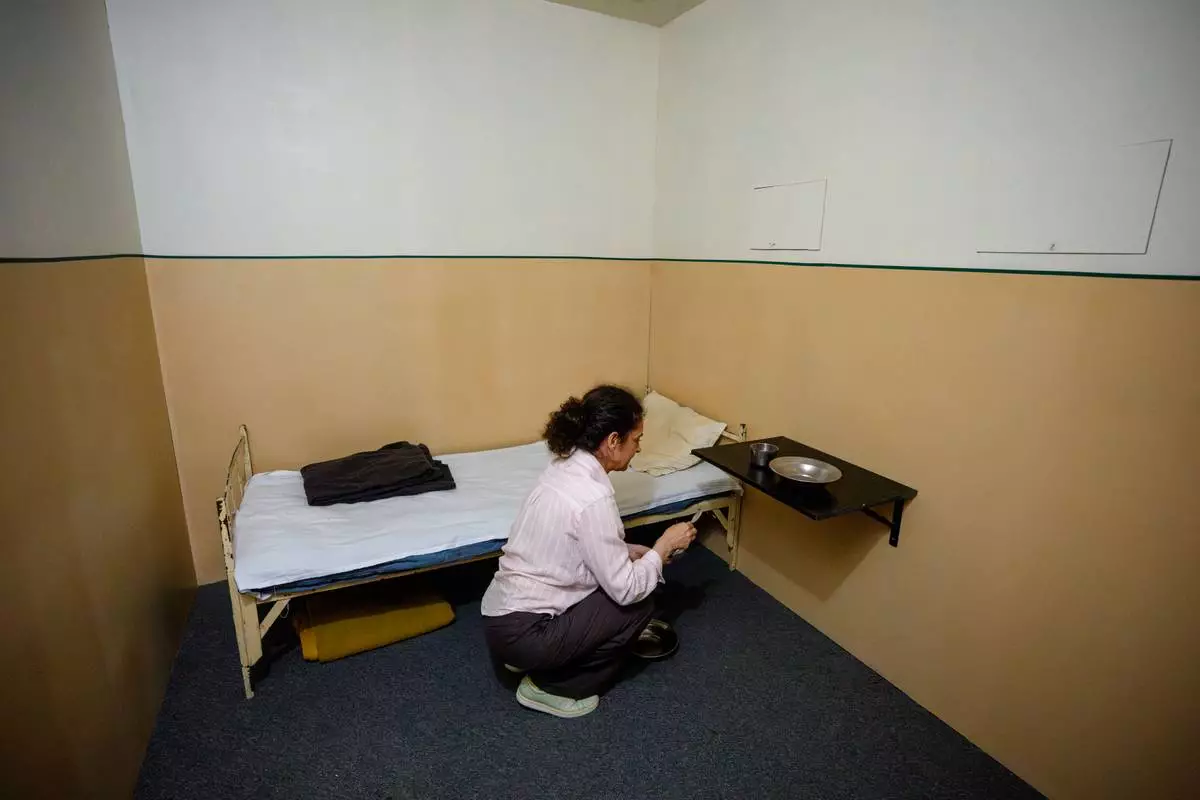
Oana Demetriade, historian at the National Council for Studying the Securitate Archives (CNSAS), puts the final touches in a replica of a Securitate prison cell, a day before the opening of the "A.REST 1989 — The Securitate Video Archive" exhibition, at the National History Museum of Romania, in Bucharest, Romania, Monday, June 15, 2026. (AP Photo/Andreea Alexandru)
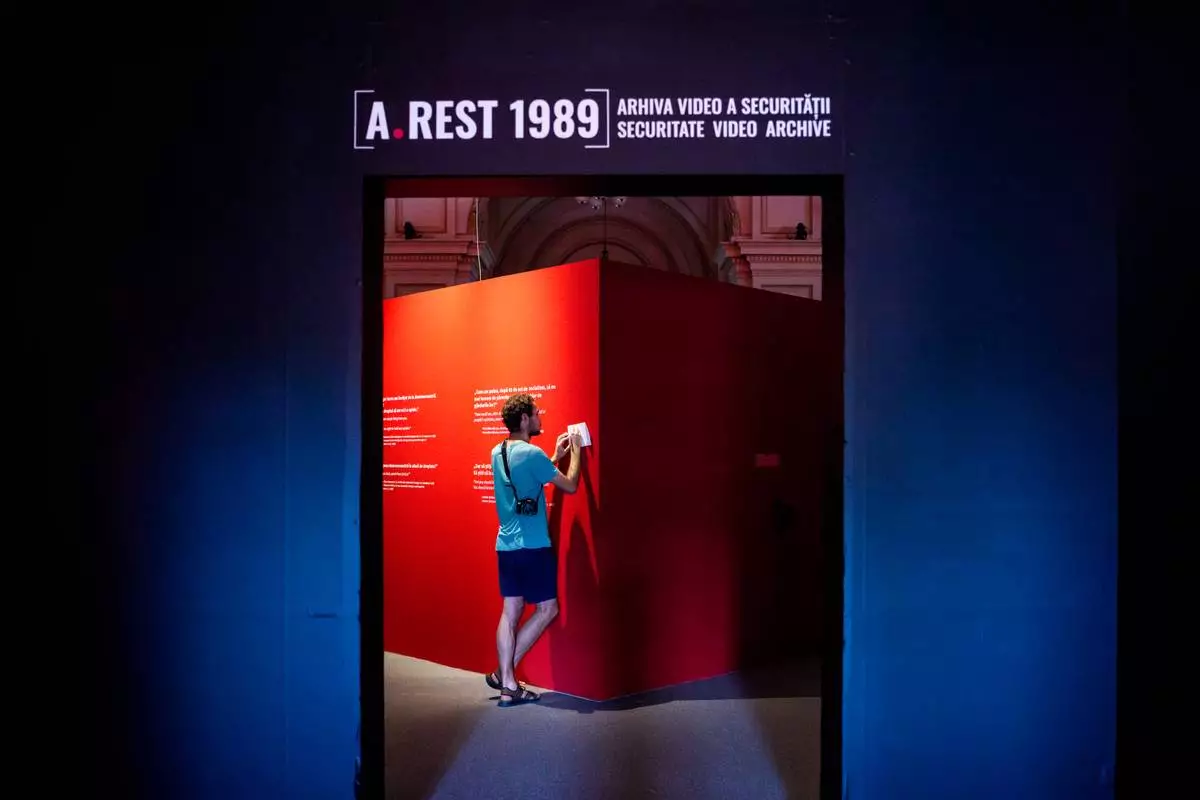
A man copies transcripts from Communist era surveillance tapes during the opening of the "A.REST 1989 — The Securitate Video Archive" exhibition, at the National History Museum of Romania, in Bucharest, Romania, Tuesday, June 16, 2026. (AP Photo/Andreea Alexandru)
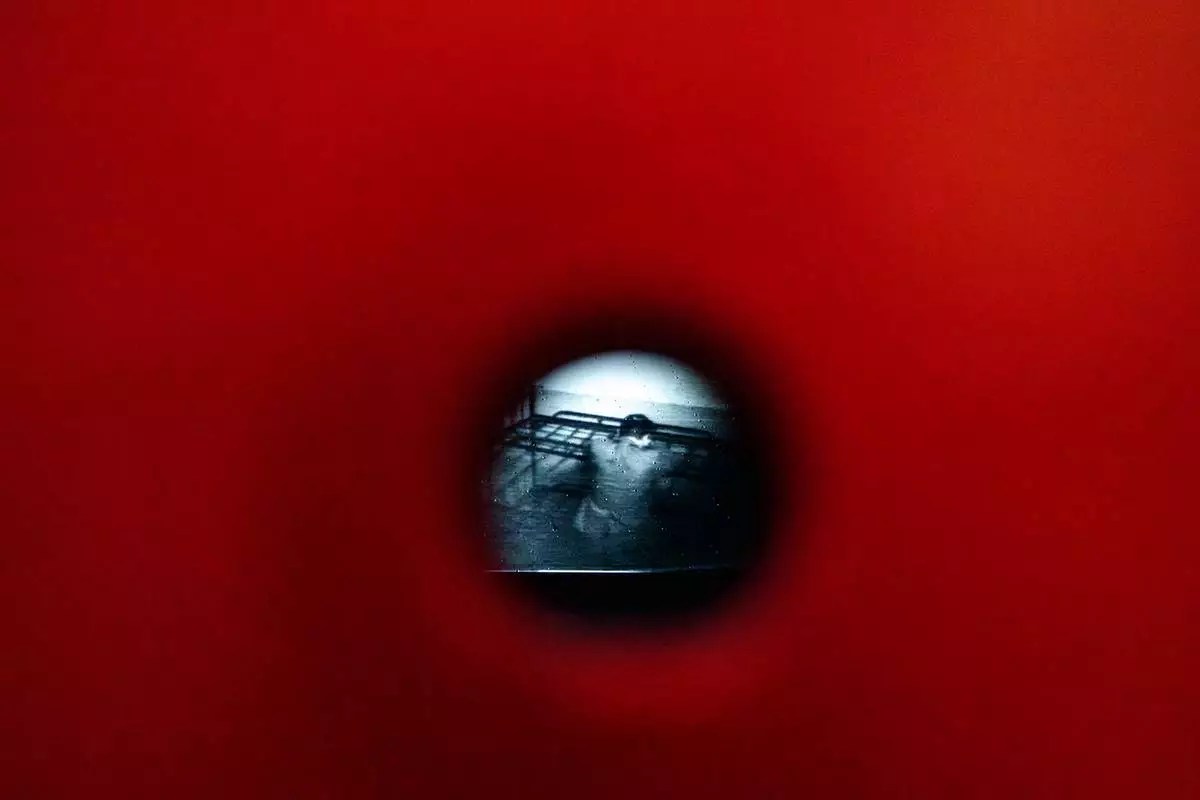
A video from the Communist era secret police surveillance archives, seen through a pinhole, shows Anton Uncu sitting on a metal bed, a day before the opening of the "A.REST 1989 — The Securitate Video Archive" exhibition, at the National History Museum of Romania, in Bucharest, Romania, Monday, June 15, 2026. (AP Photo/Andreea Alexandru)
CAIRO (AP) — The interim deal reached by the United States and Iran to end their war will reopen the Strait of Hormuz and bring the two adversaries back to the negotiating table over Tehran’s nuclear program. It will also give Iran an immediate benefit, allowing it to sell its oil freely again, according to a text of the accord read by U.S. officials.
Besides the new oil revenue for Iran, the two sides are more or less back where they were 3½ months ago — before Israel and the U.S. on Feb. 28 launched their war on Iran, which has left thousands dead across the region, triggered a global energy crisis and shaken the American economy.
Iran and the U.S. will enter a 60-day period of negotiations, and hanging over them will be the question of whether U.S. President Donald Trump can wrest a better deal than the 2015 nuclear accord he scuttled eight years ago.
Here’s what to know based on the U.S. text, which hasn't been confirmed by Iran:
Once the deal is signed, expected Friday, the Strait of Hormuz will reopen and the U.S. will lift its blockade of Iranian ports, which should push gas prices down. Passage through the waterway will be toll-free for only 60 days, and the deal doesn't preclude fees in future, according to U.S. officials who spoke on the condition of anonymity to read the draft language.
Iran’s closure of the strait, through which around a fifth of the world’s oil supplies must pass to reach markets, proved perhaps its strongest weapon. It drove up global fuel prices, made food and other basics like fertilizer more expensive, and helped push U.S. inflation to 4% ahead of this fall's midterm elections.
The deal immediately waives, but doesn't eliminate, sanctions that Trump imposed on Iran’s oil exports, allowing it once again sell its crude on the world market and restoring a revenue stream worth billions.
Last year, Iran earned an estimated $45 billion from oil sales. But it had only one major buyer, China, and had to ship its crude through a shadow fleet of tankers to elude sanctions, eating into its profits. Under the blockade since April, its exports have nearly ground to a halt.
With the waiver, Iran will likely be able to find more customers and sell its oil for higher market prices.
The draft agreement includes language on Iran’s highly enriched uranium, requiring it be downgraded on site at a “minimum,” according to the U.S. officials. But negotiations on the particulars of Tehran's nuclear program still lie ahead.
Trump withdrew from the previous nuclear deal in 2018, saying it gave a huge windfall to Iran. But the interim deal outlines even more lucrative incentives for Iran if it reaches a new agreement with the U.S. on its nuclear program.
One is the eventual lifting of all international sanctions, which would seem to go further than the 2015 accord. That agreement lifted sanctions related to Iran’s nuclear program but kept others in place over what the U.S. alleged were Tehran's support for terrorism and rights abuses.
The interim pact also promises a $300 billion fund for reconstruction of Iran’s war damage. One of the officials said Wednesday that the agreement doesn't require the U.S. to pay any money toward the fund but permits other countries, such as Gulf Arab nations, to do so.
To give a sense of the extraordinary scale of the fund, the World Bank estimates that Syria, after 13 years of destructive civil war, needs $215 billion for reconstruction; the Gaza Strip, largely flattened in two years of war between Israel and Hamas, needs $53 billion.
The deal also promises to unfreeze billions of dollars worth of Iranian assets held abroad during the negotiations under a procedure the two sides will work out, according to the text provided by U.S. officials.
The Trump administration said its war aims were to “obliterate” Iran's missile arsenal, “sever its support” for proxies in the region, “annihilate its navy” and ensure it never acquires a nuclear weapon.
The seven weeks of U.S.-Israeli bombardment are believed to have heavily damaged Iran’s missile arsenal and production facilities as well as other parts of its military. How heavily isn't known, though, and Iran continued to fire on Israel as recently as last week. Meanwhile, Iran’s ties with its militant proxies — Hezbollah in Lebanon, the Houthis in Yemen and Shiite militias in Iraq — appear strong as ever.
Neither the missile issue nor Iran’s support for its allies appears to be on the table in the upcoming negotiations. The interim deal only specifies that the talks will focus on Iran’s nuclear program.
The deal calls for an end to the war in Lebanon, where Israel has been fighting Hezbollah.
However, Israel and Hezbollah aren't parties to the agreement. Iran insists Israel must withdraw from the large swath of southern Lebanon it has occupied since March, but the interim deal doesn't explicitly require that and only affirms a commitment to ensuring Lebanon's “territorial integrity.”
Israel has vowed to keep its troops in the zone, while Hezbollah says it is committed to resisting Israel “until full withdrawal is achieved.” If fighting spirals, it could derail the U.S.-Iran deal unless the two countries can rein in their respective allies.
Israel was squeezed out of the negotiations with Iran, and Israelis from across the political spectrum have called the deal a disaster, directing their fury at Prime Minister Benjamin Netanyahu.
Trump, meanwhile, has grown more scathing in his displeasure with Netanyahu, even describing him as “crazy.” During the negotiations with Iran, Trump was furious over Israel’s strikes in Beirut, warning they could jeopardize an agreement.
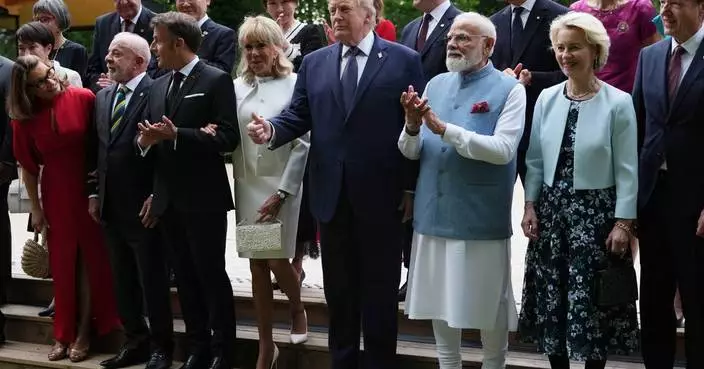
In France on Tuesday, Trump said at the annual G7 summit that “without the U.S., there would be no Israel,” and added that Netanyahu “has to be more responsible with respect to Lebanon.”
Netanyahu is left in a precarious situation ahead of national elections later this year. His relationship with Trump may require downscaling a military campaign in Lebanon that is widely popular in Israel.
Meanwhile, Israel’s arch-nemesis, Iran, would emerge from the war seemingly bolder.
The Islamic Republic survived the most serious attempt ever by Israel and the United States to topple it, despite their thundering opening volleys of the war that killed Iran’s supreme leader and other top officials. And Iran demonstrated its ability to retaliate economically by shutting down the strait and striking U.S. Arab allies in the Gulf, giving Tehran confidence that Trump won't seek a return to war.
The 2015 agreement negotiated by the Obama administration severely limited Iran’s nuclear program for 15 years. During that period, Iran could only enrich uranium to a low level, 3.67%, which is far below the 90% needed for a weapon. It could only stockpile 300 kilograms of the material and had to sharply reduce its centrifuges carrying out enrichment. It was also put under stricter inspections by the U.N.’s nuclear watchdog agency.
One main criticism was the 15-year time limit, after which opponents said Iran would be able to quickly ramp up its ability to produce a bomb.
A key question now will be whether the U.S. can win stricter limits on Iran’s program for a longer term. The United States wants Iran to give up or dilute its stockpile of highly enriched uranium, which Iran developed in retaliation after Trump pulled out of the 2015 accord.
Even if Iran agrees to that, it is almost certain to demand the right to rebuild its enrichment program at lower levels, for what it insists are peaceful purposes.
Associated Press reporters Michelle L. Price and Matthew Lee in Washington contributed.
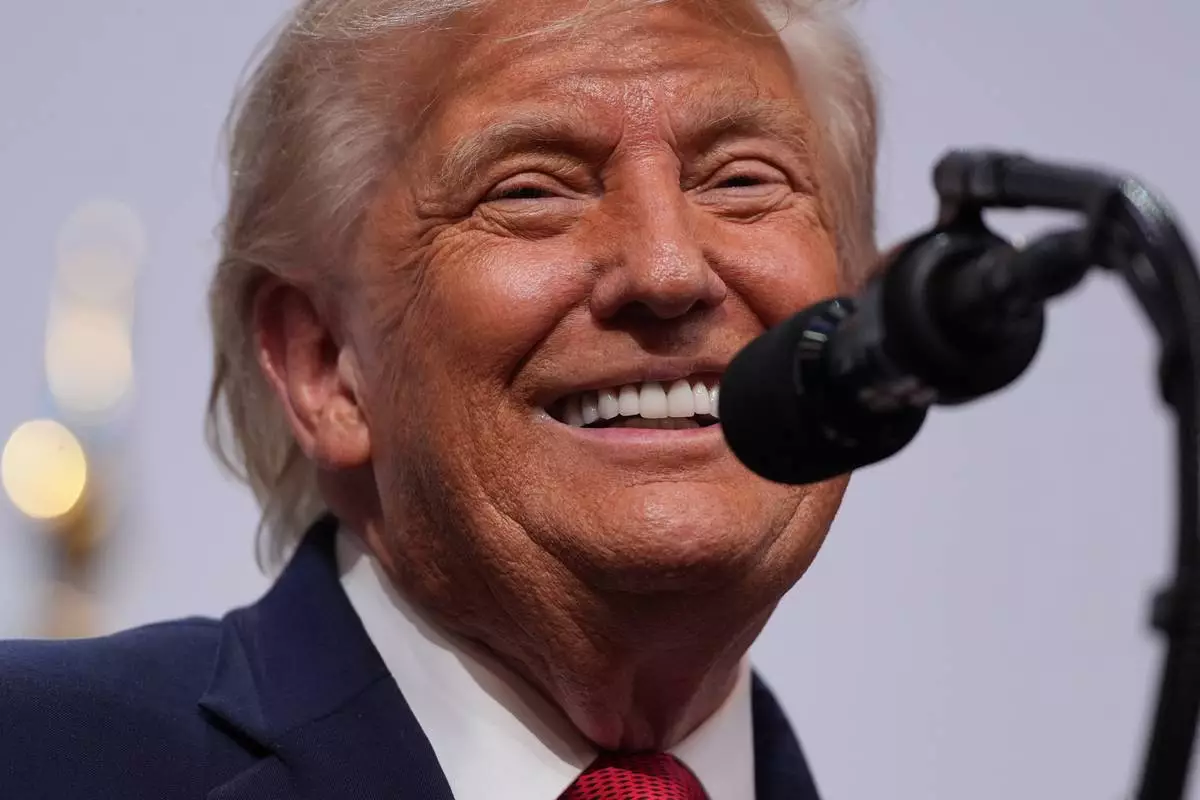
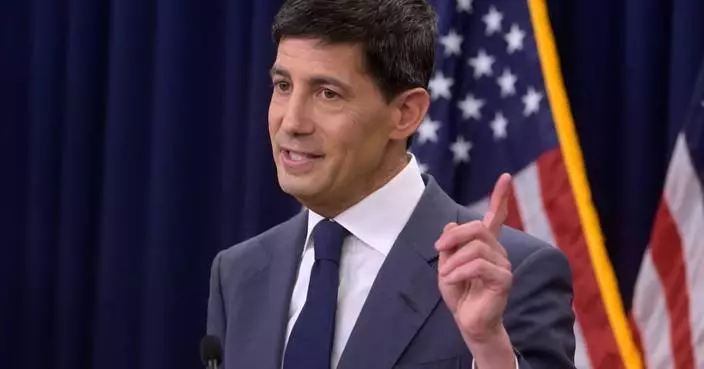
U.S. President Donald Trump speaks during a news conference at the G7 summit, Wednesday, June 17, 2026, in Evian-les-Bains, France. (AP Photo/Julia Demaree Nikhinson)
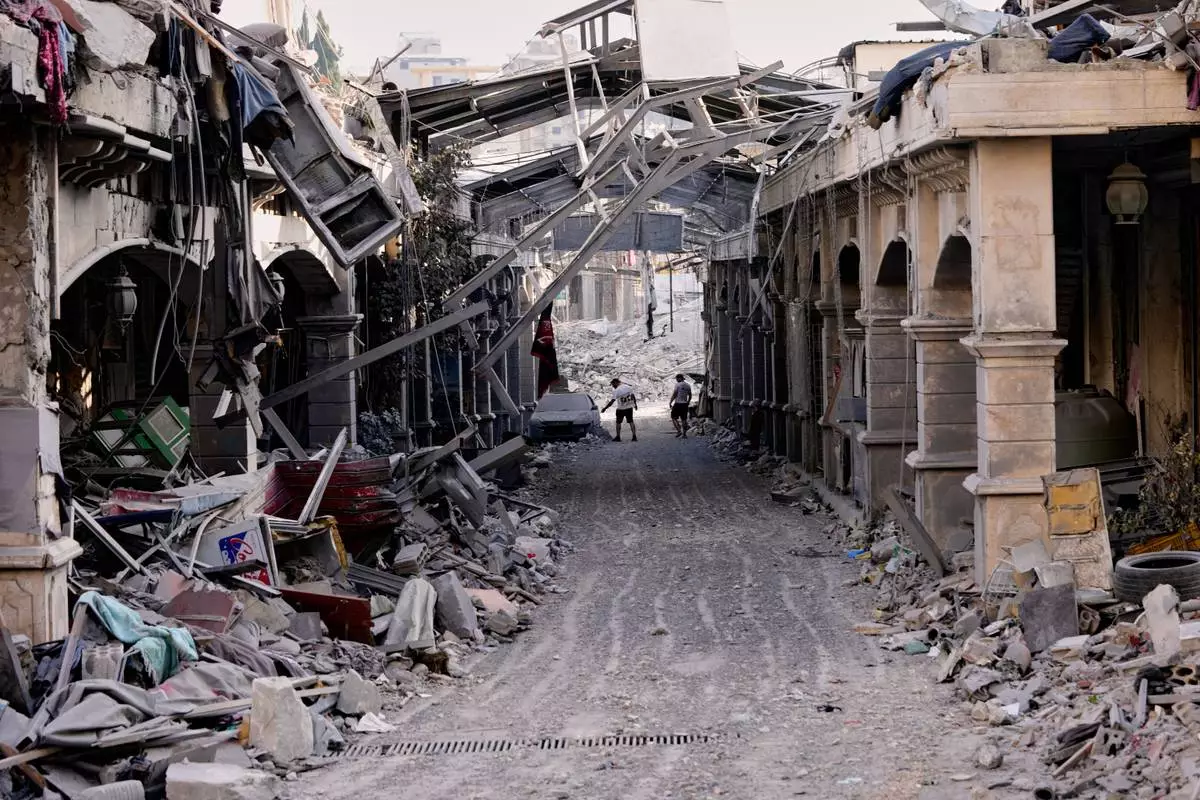
People returning to their village following the announcement of an initial ceasefire agreement between the United States and Iran, check a car at a destroyed market shop in Nabatiyeh town, southern Lebanon, Tuesday, June 16, 2026. (AP Photo/Hussein Malla)
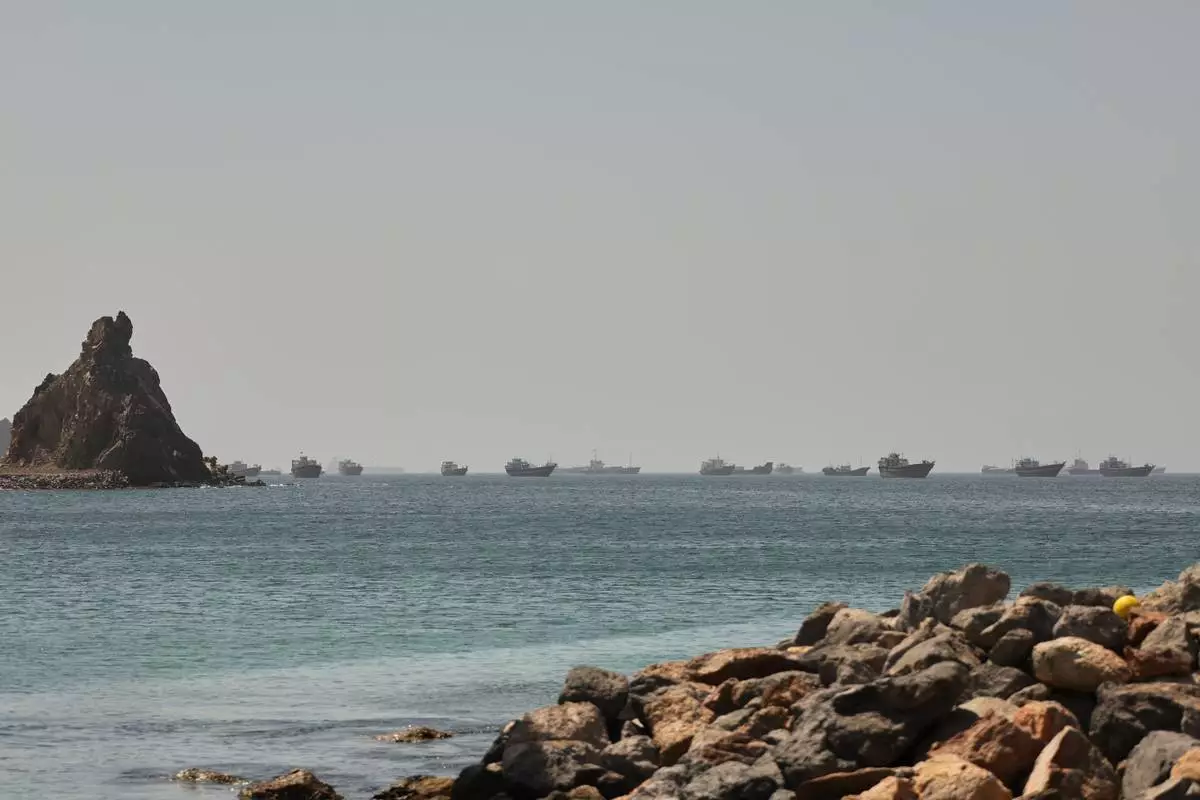
Tankers and cargo vessels are seen in the Gulf of Oman, along shipping routes linking the Strait of Hormuz and the Arabian Sea, Tuesday, June 16, 2026. (AP Photo)
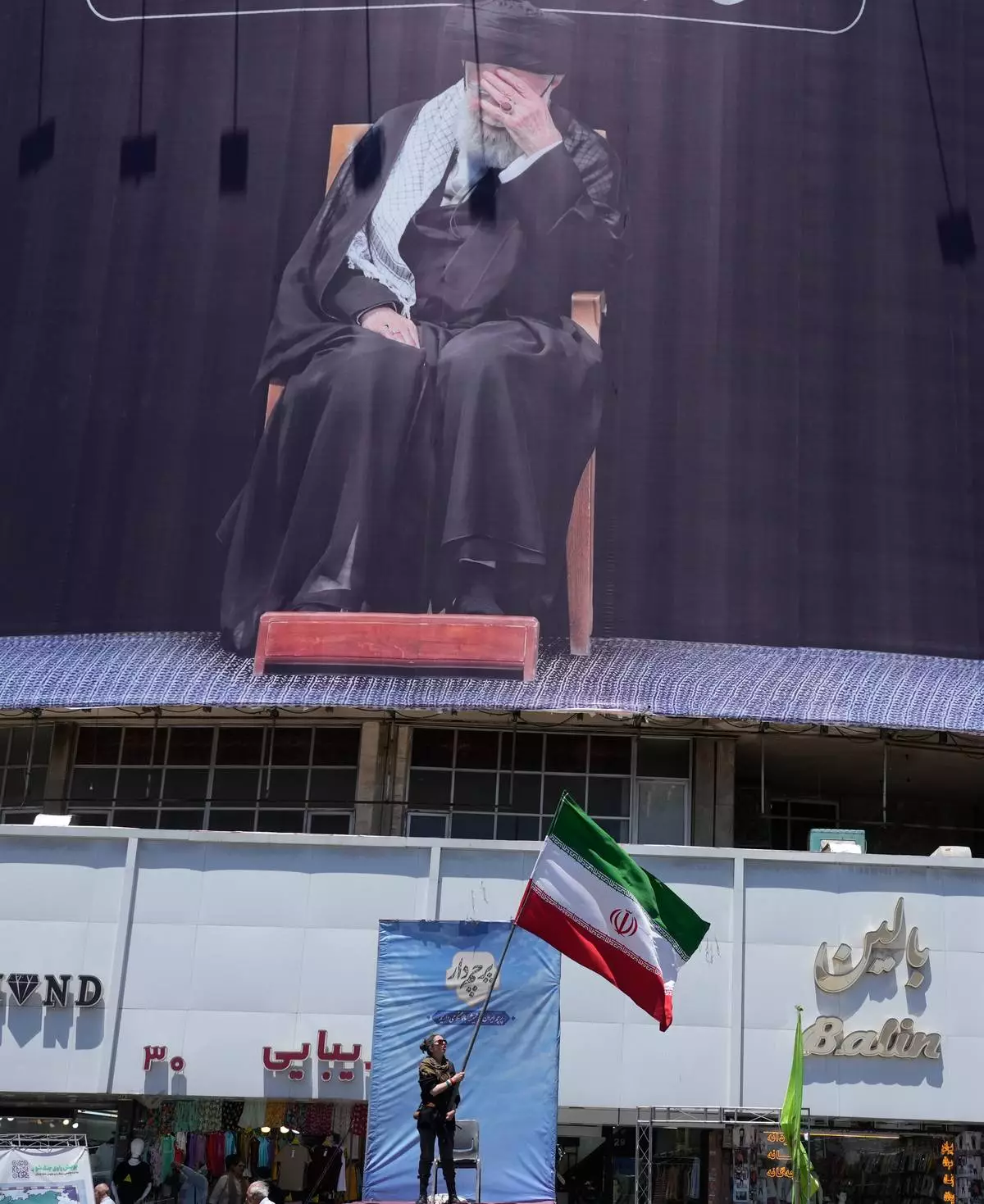
A woman waves an Iranian flag during a pro-government campaign under a portrait of the slain Supreme Leader Ayatollah Ali Khamenei, who was killed in U.S. and Israeli strikes on Feb. 28, in downtown Tehran, Iran, Monday, June 15, 2026. (AP Photo/Vahid Salemi)
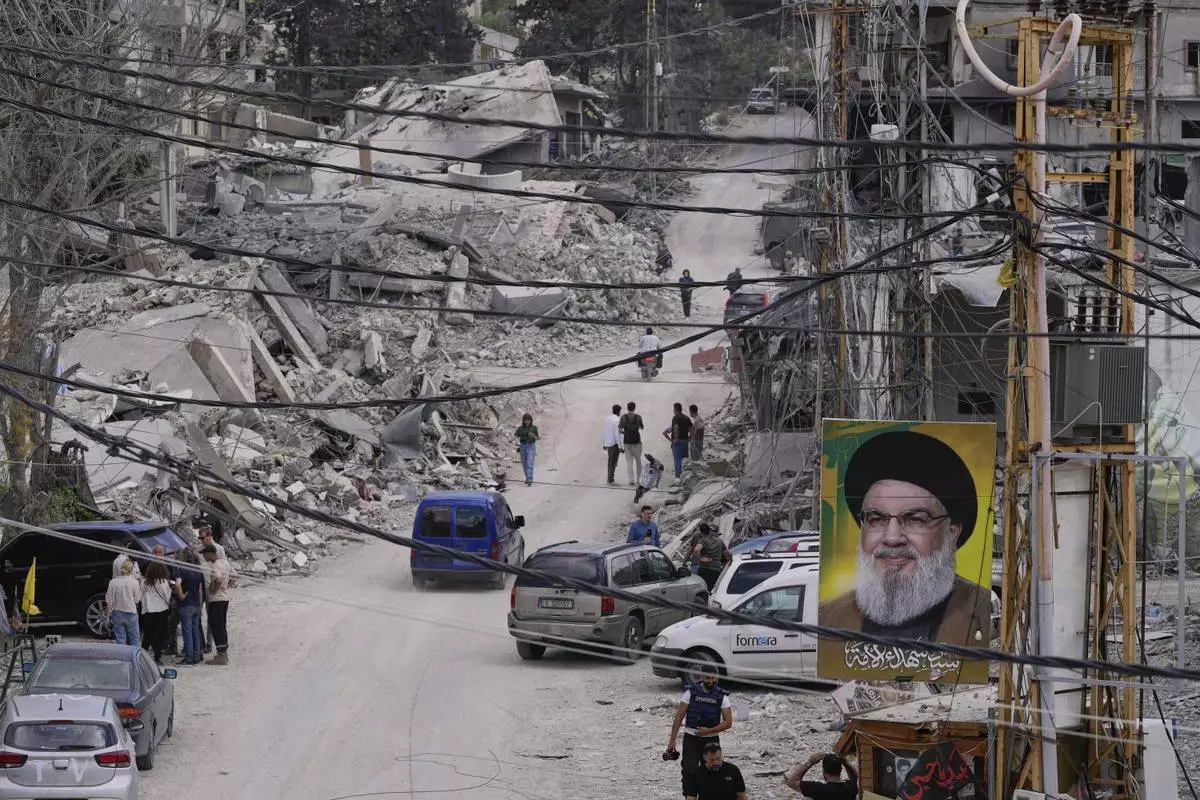
People who return to their village following the announcement of an initial ceasefire agreement between the United States and Iran, gather with journalists at a destroyed street in Beer al-Salassel, south Lebanon, Monday, June 15, 2026. (AP Photo/Mohammed Zaatari)
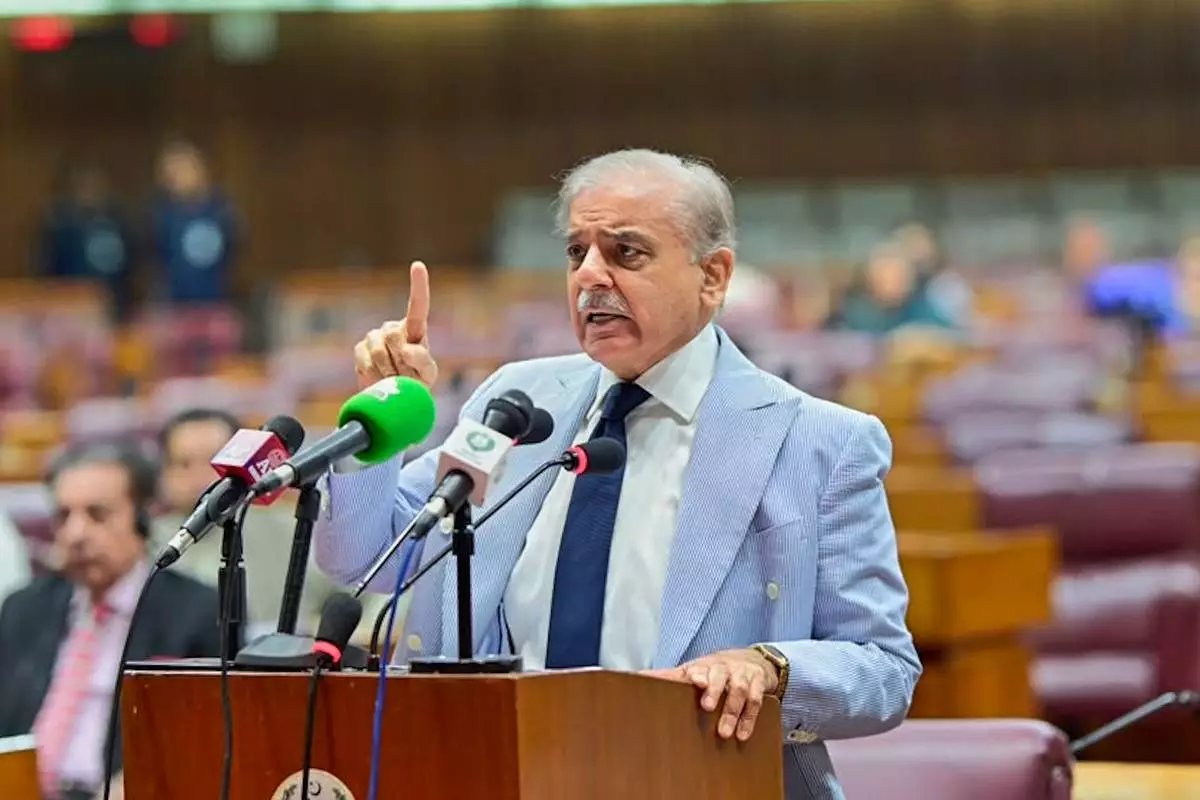
In this photo released by the Pakistan Prime Minister Office, Prime Minister Shehbaz Sharif speaks on the U.S.'s conflict with Iran, during a assembly session in the parliament in Islamabad, Pakistan, Monday, June 15, 2026. (Pakistan Prime Minister Office via AP)
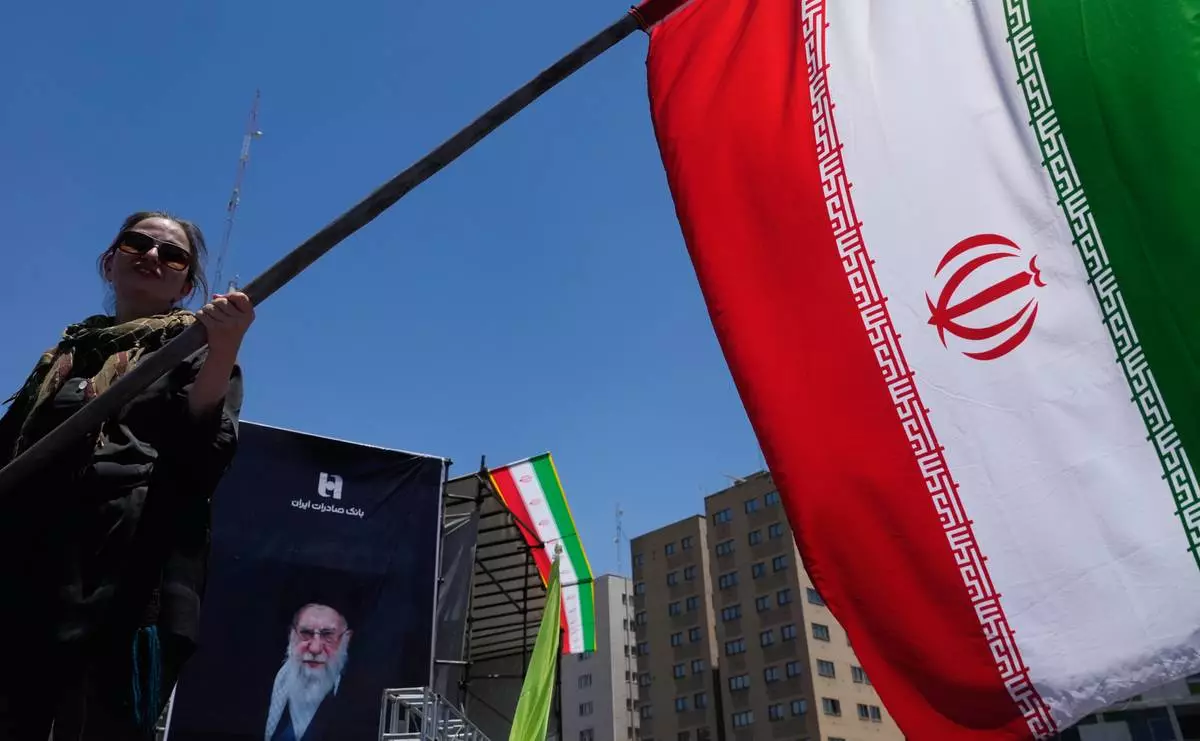
A woman waves an Iranian flag during a pro-government campaign as a portrait of the slain Supreme Leader Ayatollah Ali Khamenei, who was killed in U.S. and Israeli strikes on Feb. 28, is displayed at rear, in downtown Tehran, Iran, Monday, June 15, 2026. (AP Photo/Vahid Salemi)
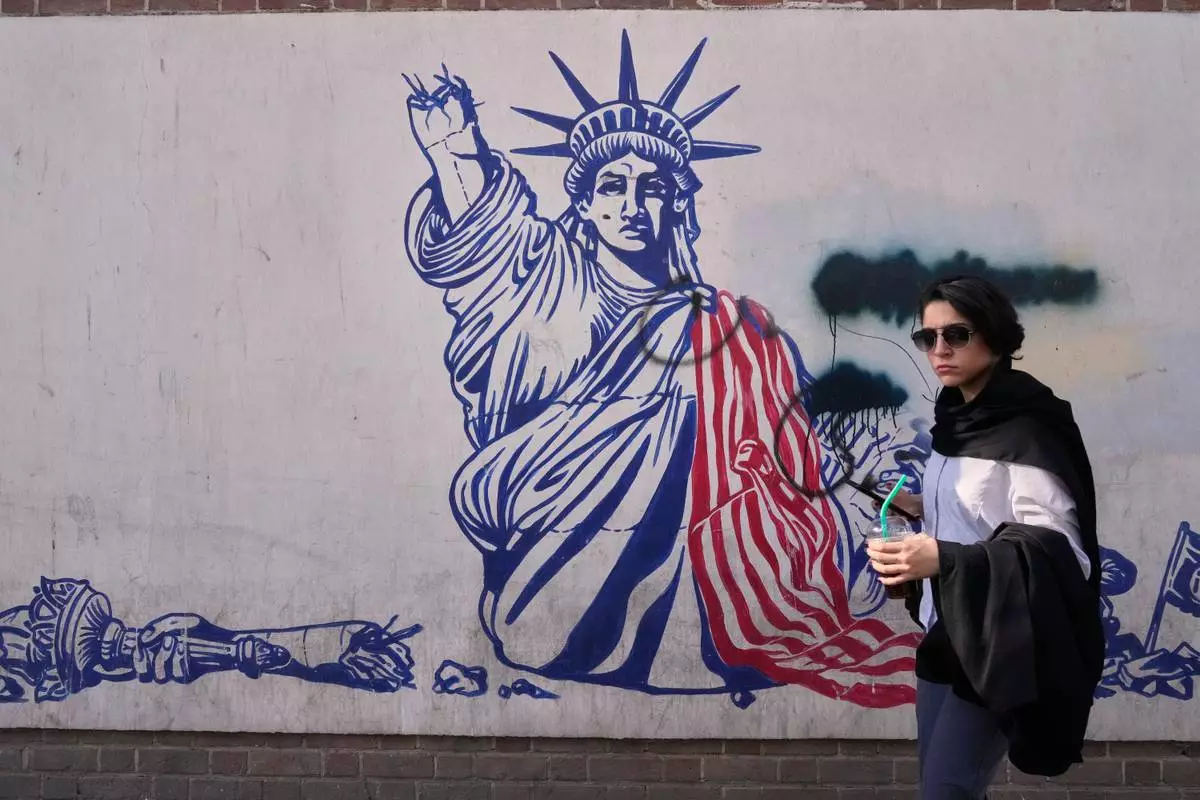
A woman walks past an anti-American mural on the wall of the former U.S. Embassy, now a museum, in Tehran, Iran, Friday, June 12, 2026. (AP Photo/Vahid Salemi)