The yen edged lower against the U.S. dollar in Tokyo trading on Wednesday, staying just above the 160 level even after the Bank of Japan (BOJ) raised interest rates, as concerns over elevated oil prices weighed on sentiment toward Japan's import-reliant economy.
As of 10:00 local time, the yen traded at 160.35 to 160.36 per U.S. dollar, down 13 sen from the previous trading day.
Japanese media reports said crude oil futures had fallen after the United States and Iran reached a memorandum of understanding, but prices remained high.
Market participants said the outlook could hurt Japan, which depends heavily on crude oil imports, prompting yen selling.
The BOJ on Tuesday raised its policy rate to 1.0 percent from 0.75 percent. But analysts and market participants have warned that the interest rate gap between Japan and other major economies could widen again if the U.S. Federal Reserve and the European Central Bank move ahead with further rate hikes.
Unless the BOJ accelerates the pace of tightening, the yen is likely to remain vulnerable to further depreciation, they said.
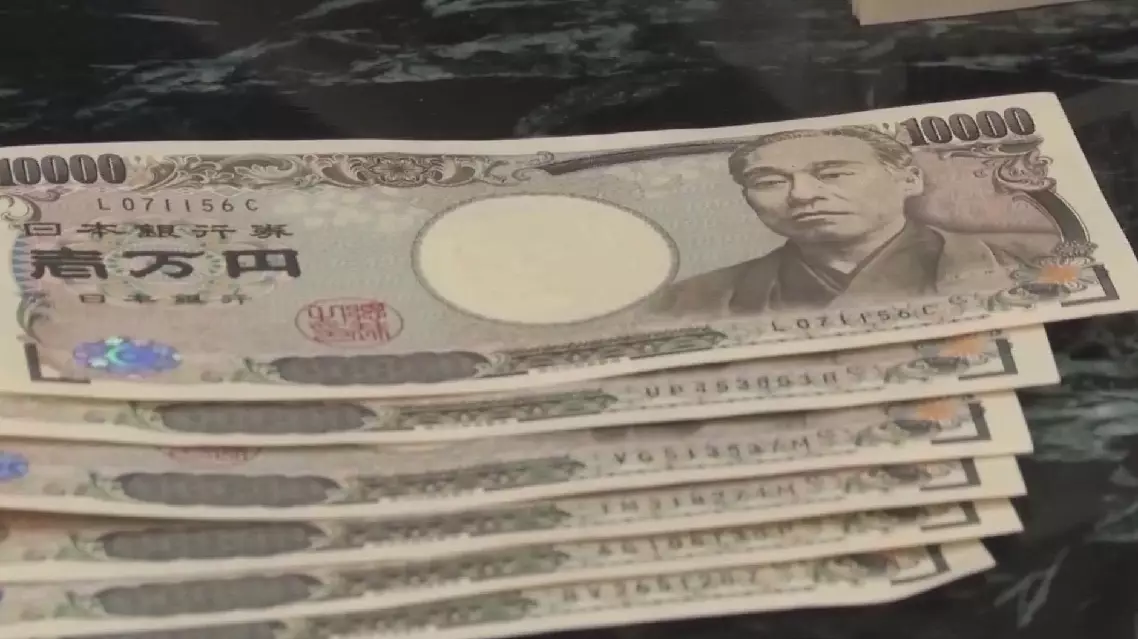
Yen edges lower despite BOJ rate hike as oil concerns weigh
China and the United States have maintained close communication and practical cooperation in counter-narcotics efforts and achieved significant results since the two heads of state met in Busan of the Republic of Korea last October, a Chinese anti-drug official said on Wednesday.
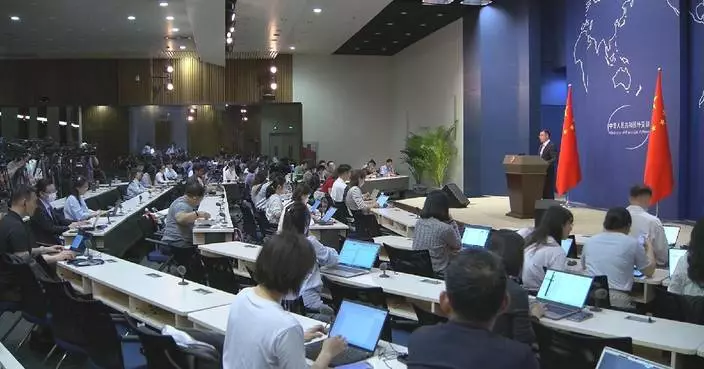
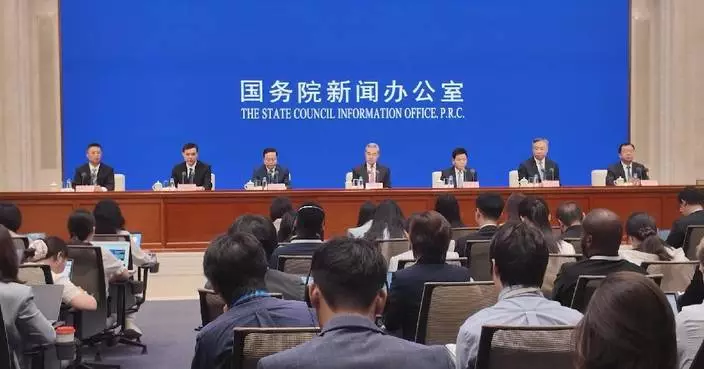
At a press conference held by the Office of the China National Narcotics Control Commission, Wei Xiaojun, executive deputy director of the office and head of the Ministry of Public Security's narcotics control bureau, said the two countries have continued to advance cooperation in areas including substance scheduling, chemical control, intelligence exchange, joint investigation, removal of illegal online information, capture and transfer of fugitives, drug-related anti-money laundering, and drug testing technology exchange.
"Both sides have carried out a great deal of institutional exchanges and practical cooperation. We maintain communication with U.S. policy departments such as the Office of National Drug Control Policy, regularly brief each other on work progress, and discuss priorities for next-step cooperation. With U.S. law enforcement agencies such as the Drug Enforcement Administration, the Federal Bureau of Investigation, and Immigration and Customs Enforcement, we have jointly handled multiple cases and cooperated on the repatriation of drug-related fugitives," Wei said.
China has also taken active steps to address problems involving the diversion of non-scheduled precursor chemicals into illicit drug manufacturing channels in North America.
In November 2025, China added 13 types of precursors of fentanyl-related substances to the export control list, and added the United States, Mexico and Canada to the Catalogue of Specific Countries (Regions), Wei said. In May this year, three types of precursors of fentanyl-related substances were added to the list regarding the three aforementioned countries.
Chinese customs authorities have strengthened export supervision and risk assessments of relevant chemical products.
To combat the trafficking of controlled and non-scheduled precursor chemicals, new psychoactive substances, and other sensitive chemicals, China has carried out multiple nationwide enforcement campaigns targeting illegal smuggling of such materials overseas, Wei added.
The U.S. side has spoken positively about bilateral counter-narcotics cooperation on several occasions, according to the official, adding that China has also investigated a number of cases based on information and leads provided by the U.S. side.
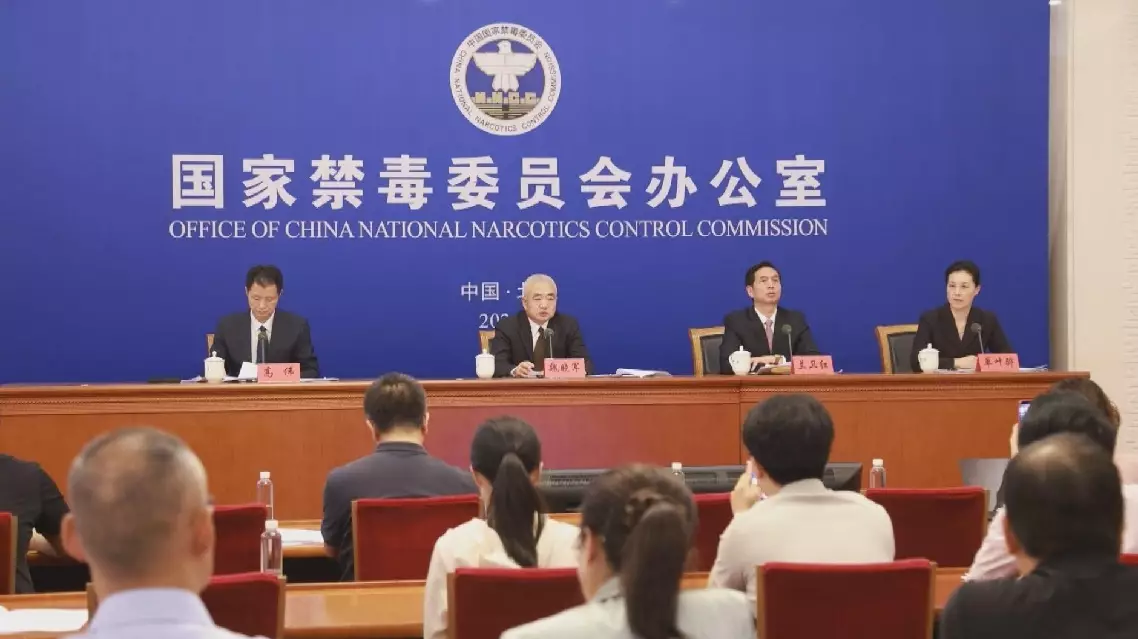
China, U.S. maintain close counter-narcotics communication, cooperation