NEW YORK--(BUSINESS WIRE)--Jun 17, 2026--
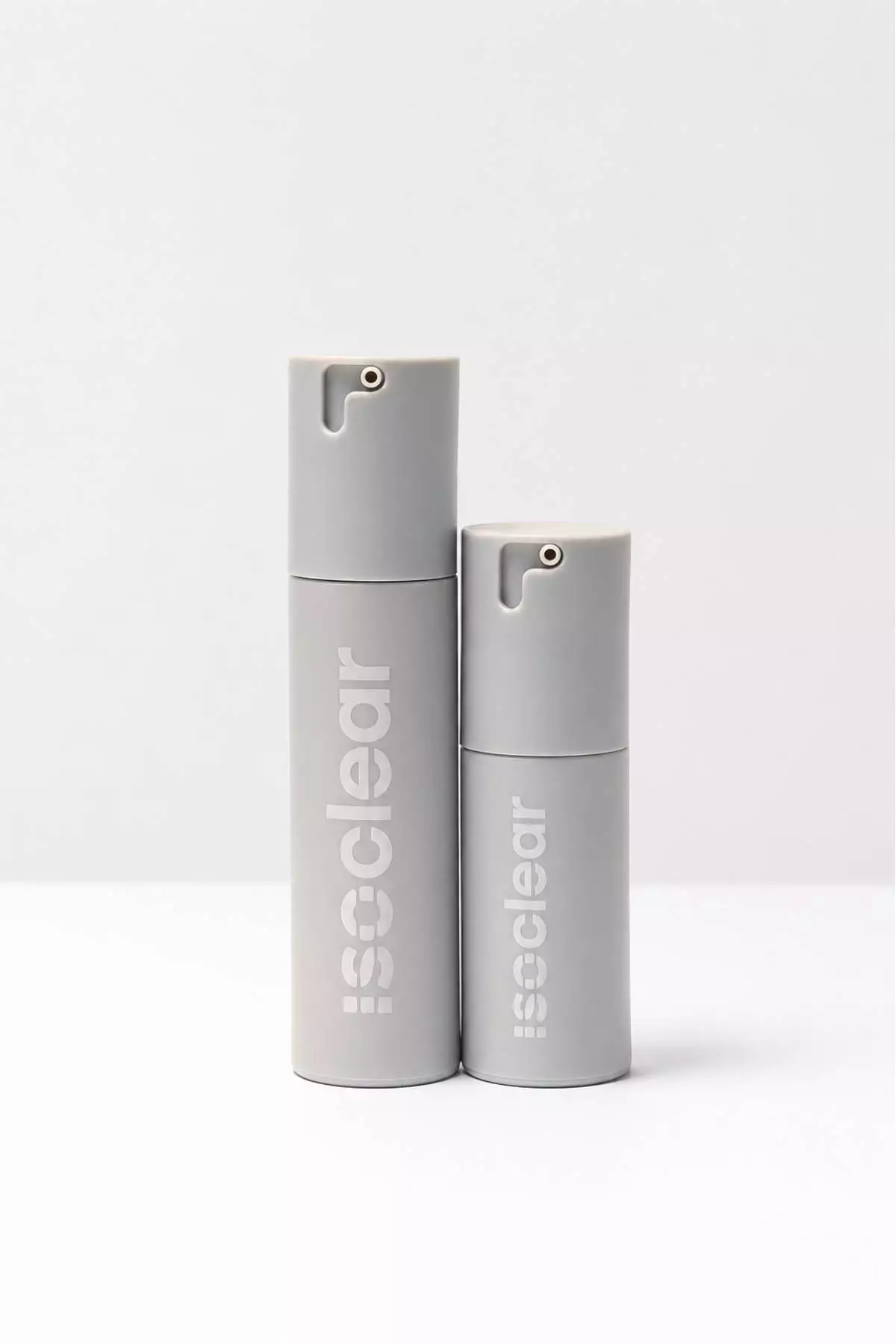
Clear Health, a telehealth platform for personalized, at-home skincare, launches Isoclear™, the first prescription topical acne treatment built around isotretinoin - the same active ingredient used in oral Accutane - delivered through a multi-phase regimen.
This press release features multimedia. View the full release here: https://www.businesswire.com/news/home/20260617471674/en/
Isoclear takes one of dermatology’s most well-known molecules and reimagines it in a topical format, combining clinically proven ingredients into customized, prescription formulations delivered through a digital-first experience.
Michael Chang, Clear Health CEO & Co-Founder, says, “Oral isotretinoin is highly effective, but it’s not the right fit for every patient. Isoclear expands access to this gold-standard molecule in a way that’s more flexible, personalized, and aligned with how patients want to receive care today.”
“Isotretinoin has long been one of the most effective therapies we have for treating acne,” said Dr. Aaron Farberg, MD, board-certified dermatologist. “What’s new here is the ability to deliver it topically in a personalized formulation, giving patients a targeted approach that can improve tolerability while maintaining clinical impact.”
How it works: Clear Health patients are connected with licensed dermatologists who prescribe personalized formulations and oversee care through a streamlined digital experience. All treatments are prescription-only and fulfilled by licensed pharmacies based on an individual provider’s plan, with formulations adjusted over time as the patient’s skin improves. Many patients see results within several weeks.
Isoclear is available for $50 per month, billed as $100 for a two-month supply. Patients can also choose an annual plan for $40 per month, billed at $480 annually. Three-month supply and billing options are available during the Fade and Renew phases of treatment.
Phase 1 – CLEAR (Active Acne Treatment)
Targets breakouts at the source by reducing clogged pores, bacteria, and inflammation
Phase 2 – FADE (Post-Acne Repair)
Focuses on improving discoloration and restoring even skin tone following breakouts
Phase 3 – RENEW (Maintenance & Skin Quality)
Supports long-term skin health, texture, and overall appearance
Unlike oral isotretinoin, which requires enrollment in the iPLEDGE risk management program and ongoing laboratory monitoring, Isoclear is delivered topically, enabling a more flexible, dermatologist-guided treatment approach without the same administrative burden associated with oral therapies. This is an important shift for patients, particularly women, who may have historically been hesitant to pursue oral isotretinoin despite its effectiveness. Additionally, clinical research supports topical isotretinoin tolerability and efficacy in comparison to topical retinoids currently on the market (see footnoted clinical studies below).
Jason Lang, PharmD and Clear Health Advisor, says, “Every formulation is prepared by licensed U.S. compounding pharmacies following applicable USP standards, and all active pharmaceutical ingredients are sourced from FDA-registered and inspected facilities. This ensures patients receive treatments that meet rigorous quality and safety standards.”
Important Safety Information
This product is a compounded formulation prepared by a licensed pharmacy pursuant to Section 503A of the Federal Food, Drug, and Cosmetic Act. Compounded medications are not FDA-approved, meaning they have not been evaluated by the FDA for safety, effectiveness, or quality. Licensed medical providers may prescribe compounded preparations at their professional discretion based on an individual patient’s needs. This product is intended for use only under medical supervision.
The Clear Health Guarantee
If, after at least four (4) months of prescribed and directed use of Isoclear™, your provider determines that you have not achieved an adequate clinical response and that oral isotretinoin (Accutane®) or another treatment option is medically appropriate, Clear Health will provide your first treatment consultation and first month of medication at no additional cost through the Clear Health network. Offer subject to provider evaluation, medical eligibility, and applicable prescribing requirements. Not available to patients who have previously enrolled in Clear Health's Accutane program. Limit one guaranteed redemption per patient.
Clinical Study References
About Clear Health
Clear Health is a telehealth platform redefining how patients access prescription skincare. Founded in 2022 and headquartered in Connecticut, the company connects patients with licensed providers to deliver personalized treatment plans at home. With a focus on isotretinoin, Clear Health has developed a microdosing protocol designed to make treatment more accessible and manageable for a broader range of patients.
Clear Health Launches Isoclear™, the First Prescription Topical Isotretinoin System for Acne Treatment in the U.S.
WASHINGTON (AP) — The Federal Reserve kept its key rate unchanged Wednesday yet almost half the central bank’s policymakers said they could support a rate hike later this year.
The unexpectedly aggressive tilt toward higher rates would disappoint President Trump and suggests heightened concerns about persistent inflation among Fed officials.
In an unusually short statement after their two-day meeting, the officials dropped language that had suggested their next move would be to cut the key rate. The brief statement reflects the influence of new chair Kevin Warsh, appointed by Trump, who has previously criticized the Fed for commenting too broadly on the economy.
Still, Warsh's 18 colleagues on the Fed’s rate-setting committee sent a clear message in a set of quarterly projections released Wednesday: Nine signaled they supported higher rates this year, with six of those supporting two quarter-point increases. It’s a sharp change from March, when no policymakers penciled in a hike and the committee as a whole forecast one cut in 2026. The change is an acknowledgement that inflation is at its highest level in three years and many officials have said in recent speeches that if inflation doesn’t decline, higher rates may be necessary in the coming months.
All told, another eight officials signaled they would support keeping the rate unchanged, and one penciled in a cut. Warsh did not submit a forecast for how the Fed might change its key rate. He said he encouraged his colleagues to do so, but he has previously criticized the projections for potentially locking the Fed into a specific policy outlook. The Fed also struck forward guidance from its policy statement.
Warsh also told reporters at a press conference that he is forming five task forces to examine such areas as how the Fed communicates, the sources of data it uses in making policy decisions, and the frameworks it uses to evaluate inflation, all with the goal of making sure the Fed is “clear-eyed and focused on the future.”
Wednesday’s policy meeting was the first for Warsh, who was appointed by Trump after the president sharply criticized Warsh’s predecessor, Jerome Powell, for not reducing rates deeply enough. The attacks largely backfired because they prompted Powell to stay on the Fed’s governing board, where he voted Wednesday in favor of keeping rates at about 3.6%.
Warsh now faces a difficult choice: The Fed typically seeks to combat inflation by lifting interest rates to slow borrowing and spending and cool the economy. Yet taking such a step would likely attract the ire of the White House, and could lift the cost of mortgages, auto loans, and other borrowing, just before the midterm elections.
If the Iran war is resolved, gas prices will likely continue to decline and inflation may cool in the coming months. But prices of many goods and services — such as clothes, dental care, and child care — were rising before the Iran war, and inflation has been above the Fed’s 2% target for five years, suggesting that there may still be inflationary pressures in the economy.
Warsh repeatedly stressed that Fed officials committed to delivering price stability.
“We’ve missed (on inflation) for five years and we’re gonna fix that,” he said.
Warsh also faces a sharply different economic environment than when he appeared to campaign for the job of Fed chair last year. Back then, he was outspoken in favor of lower interest rates, as Trump has demanded. He pointed to the development of AI as a technology that could vastly expand the economy's ability to produce goods and services cheaply, which would over time bring down inflation.
Even then, many economists were skeptical of his claim. At least in the short run, analysts note that soaring investment in semiconductors and computing equipment is contributing to higher inflation.
Indeed, since the Iran war began Feb. 28, inflation has accelerated to a three-year high of 4.2%, lifted mostly by costlier gas stemming from the Iran war. The Fed typically fights higher inflation by raising its key interest rate to cool spending and growth.
Trump has announced an initial peace agreement that could bring the three-month conflict to an end, but it's not clear if peace will hold. And even if oil flows freely out of the Middle East again, it could take months for prices of gas, groceries, and items such as airline fares, to cool.
At the same time, hiring has picked up in recent months, removing a key rationale for cutting rates. In January, the Fed forecast that it would reduce rates twice this year, as part of its quarterly economic projections. A big reason for those potential cuts is that employers were shedding jobs and policymakers worried that the unemployment rate would rise. The central bank typically cuts its key rate to spur economic growth and hiring.
But earlier this month a government report showed that hiring jumped in May, when employers added 172,000 jobs, the third straight month of solid job gains.
On Wall Street, the S&P 500 fell 1.4% after the release of the Fed officials' rate expectations. When asked whether changes, such as revising what’s included in the economic projections, could spook markets, Warsh said, “I think financial markets perform best when they react to incoming data. They work less effectively when they ask, ‘How will the Federal Reserve react to that information?’”
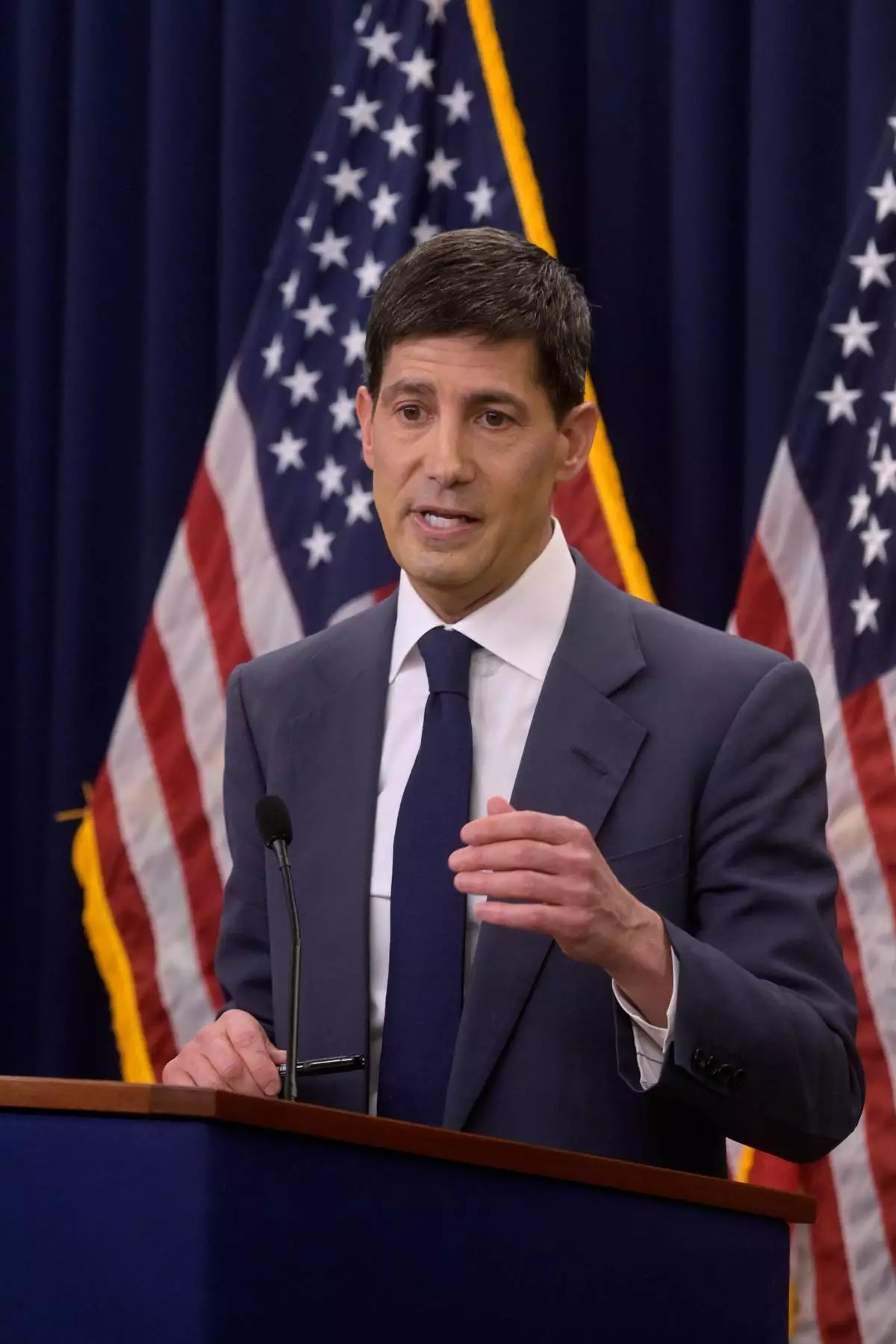
Federal Reserve Chairman Kevin Warsh speaks during a news conference following the Federal Open Market Committee meeting, Wednesday, June 17, 2025, in Washington. (AP Photo/Rod Lamkey, Jr.)
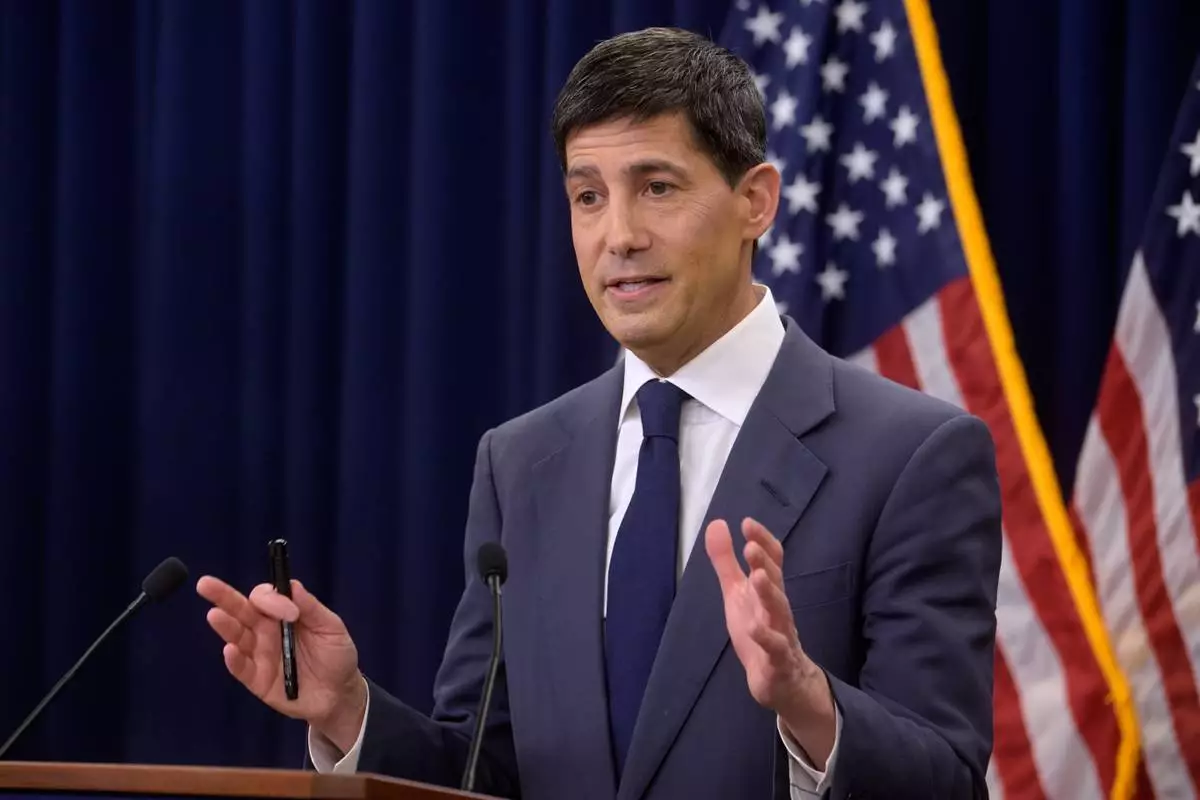
Federal Reserve Chairman Kevin Warsh speaks during a news conference following the Federal Open Market Committee meeting, Wednesday, June 17, 2025, in Washington. (AP Photo/Rod Lamkey, Jr.)
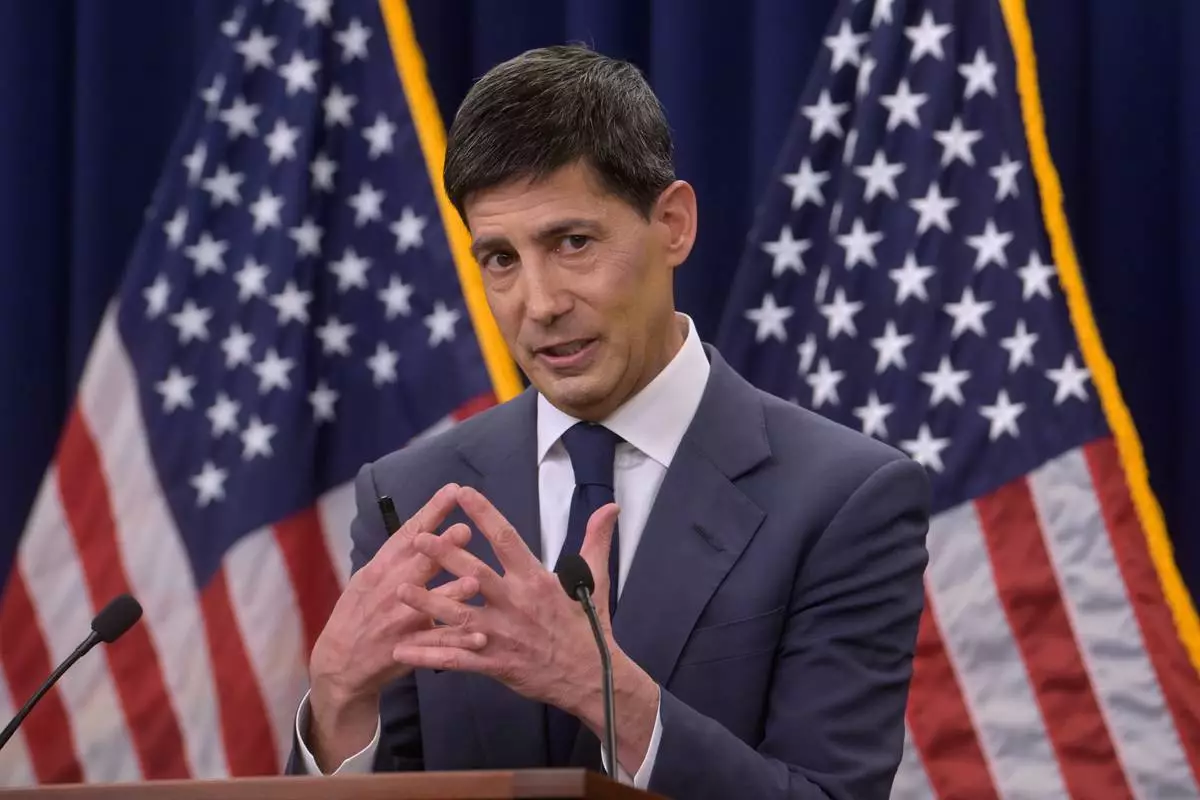
Federal Reserve Chairman Kevin Warsh speaks during a news conference following the Federal Open Market Committee meeting, Wednesday, June 17, 2025, in Washington. (AP Photo/Rod Lamkey, Jr.)
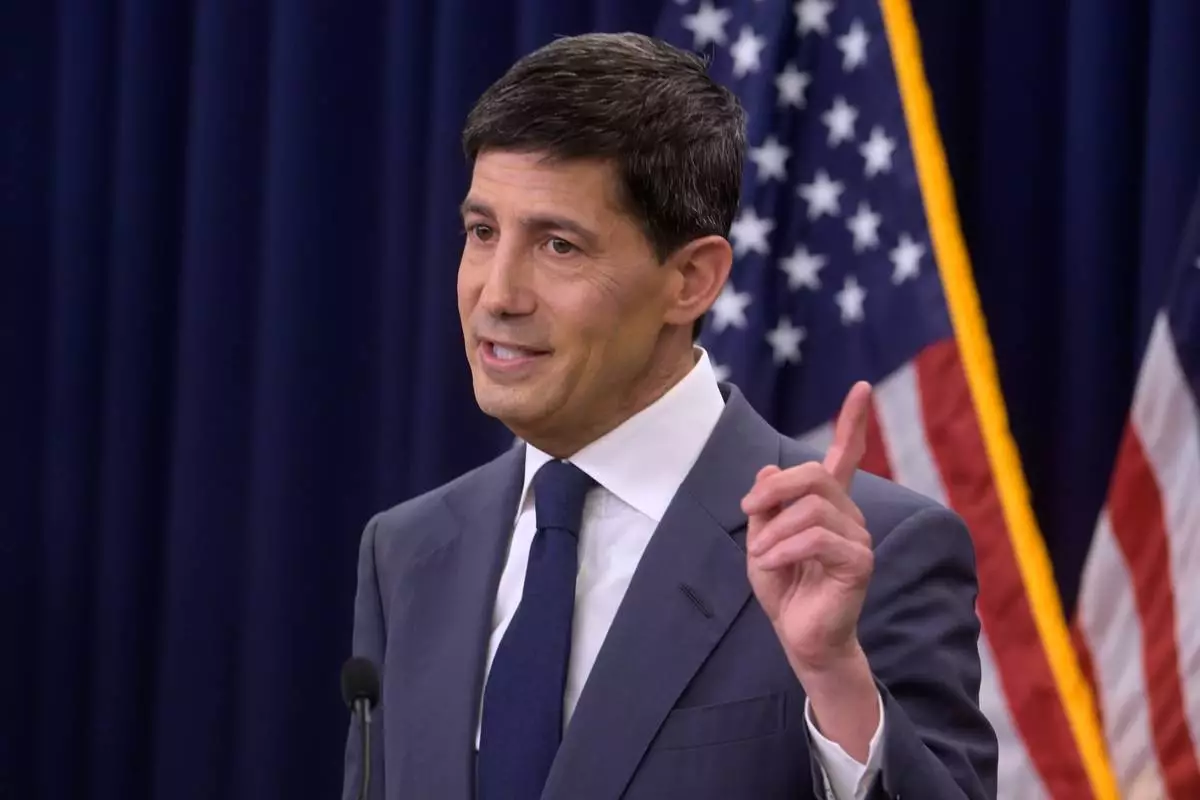
Federal Reserve Chairman Kevin Warsh speaks during a news conference following the Federal Open Market Committee meeting, Wednesday, June 17, 2025, in Washington. (AP Photo/Rod Lamkey, Jr.)