The International Energy Agency (IEA) said on Wednesday that oil reserves in members of the Organisation for Economic Co-operation and Development (OECD) had fallen by a cumulative 163 million barrels since the outbreak of the Middle East conflict, reaching their lowest level since December 1990.
According to the IEA's latest Monthly Oil Report, global observed oil stocks have fallen by an average of 3.8 million barrels per day (mb/d) since the start of the Middle East conflict, including a draw of 143 million barrels in May, mainly due to accelerated releases of emergency stocks.
The report said the memorandum of understanding due to be signed by the United States and Iran this week was an important step toward easing regional tensions and could pave the way for reopening the Strait of Hormuz and lifting the U.S. blockade on Iranian oil traffic.
The IEA forecast global oil supply to fall by an average of 3.9 mb/d in 2026 to 102.4 mb/d, before rising by 8 mb/d in 2027 to 110.3 mb/d. However, unresolved issues, including mine clearance in the Strait of Hormuz and transit arrangements, mean operational and political risks could still weigh on the pace of supply recovery.
The agency said a significant supply overhang could emerge next year. Global oil demand is projected to rise by a relatively modest 2 mb/d to 105.3 mb/d, while supply is expected to increase by about 8 mb/d to 110.3 mb/d.
The surplus could ease market pressures and allow countries to replenish depleted inventories or build strategic reserves as they reassess energy policies in response to the crisis, the IEA said.
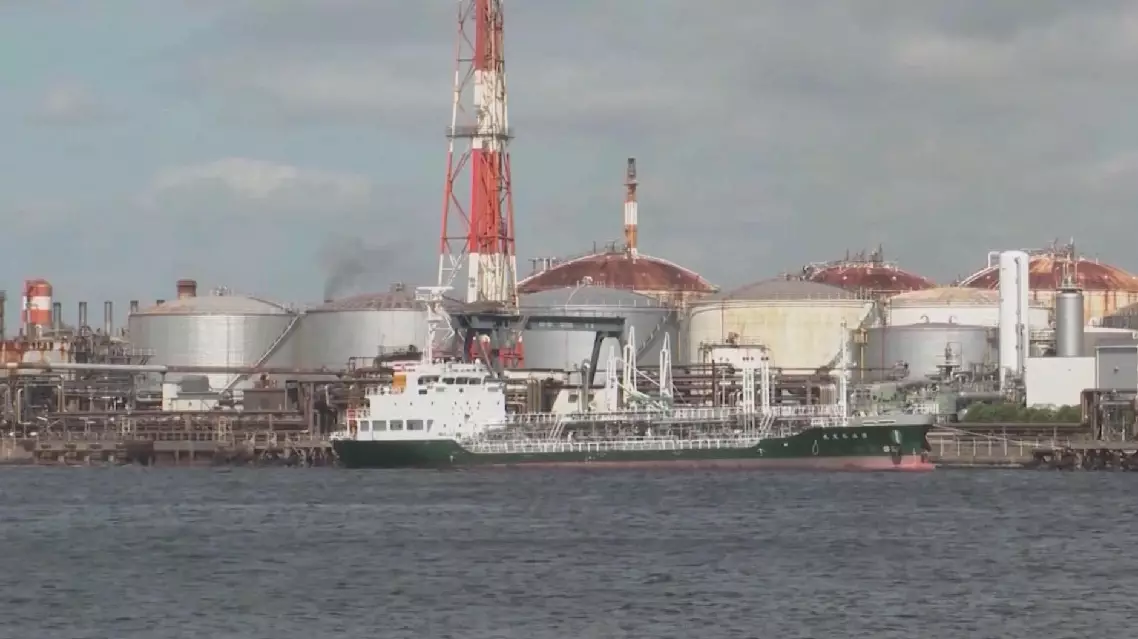
IEA says OECD oil stocks fall to lowest since 1990
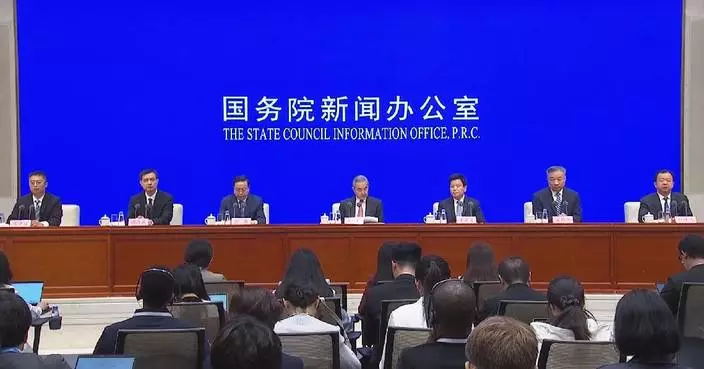
The People's Bank of China (PBOC) on Wednesday announced a pilot program to allow offshore RMB forex trading in the country's Shanghai Free Trade Zone, a step further opening up China's financial market.
The PBOC, China's central bank, rolled out the program along with a series of other financial reform and opening-up measures at the annual Lujiazui Forum in Shanghai, an important platform for China's financial authorities to release policy tools and international dialog on the country's financial market.
In addition to the pilot program, the PBOC will also work to improve the short-term interest rate regulation mechanism, create a repurchase tool for overseas central banks, aiming to better facilitate the high-quality economic development of China's financial market.
Other authorities also unveiled their new policy tools at the forum.
The National Financial Regulatory Administration will focus on tackling and preventing risks, handling risks of small and medium-sized financial institutions in an effective and orderly manner, and playing a supportive and cooperative role in resolving risks related to real estate and local government debts. The administration will also step up efforts to eliminate regulatory gaps and blind spots, and ensure full coverage with no exceptions.
The China Securities Regulatory Commission will expand the scope of the fifth set of criteria for the STAR Market to cover the field of artificial intelligence, orderly promote the deepening of the reform of the ChiNext board, deepen the reform of re-financing, launch the pilot programs for active exchange-traded funds (ETFs) and real estate investment trusts (REITs), and accelerate the research and promotion of the pilot program for RMB foreign exchange futures.
The State Administration of Foreign Exchange will comprehensively reform the cross-border policies for foreign direct investment, further simplify the foreign exchange management of direct foreign investment and foreign debts, and issue a new batch of investment quotas for qualified domestic institutions to better promote the facilitation of cross-border financing and investment.
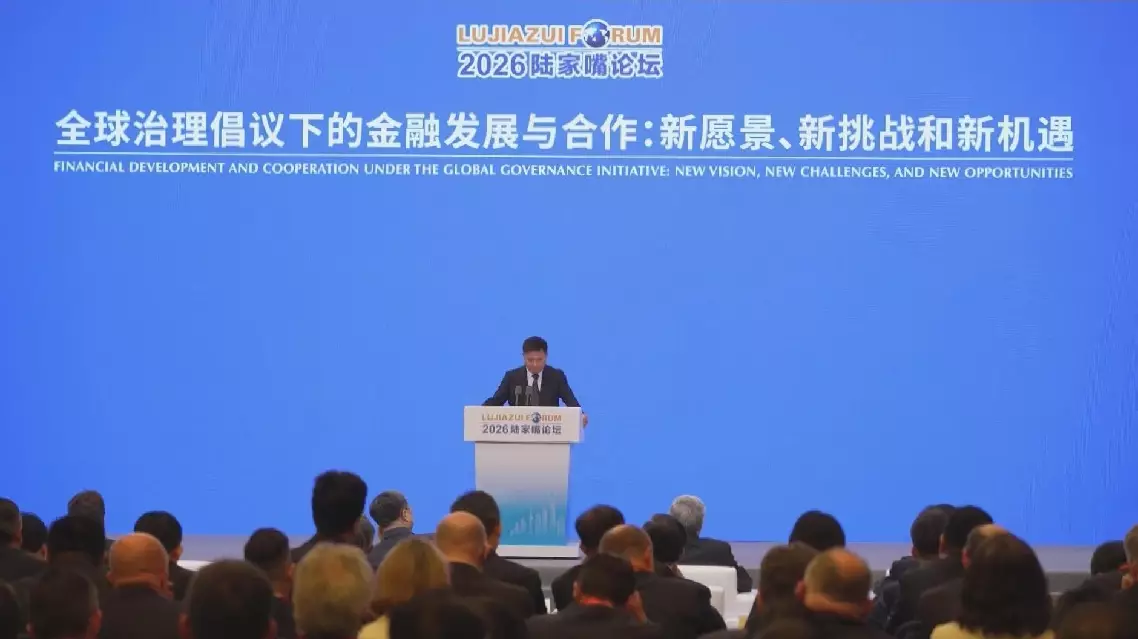
China's central bank rolls out pilot program for offshore RMB forex trading