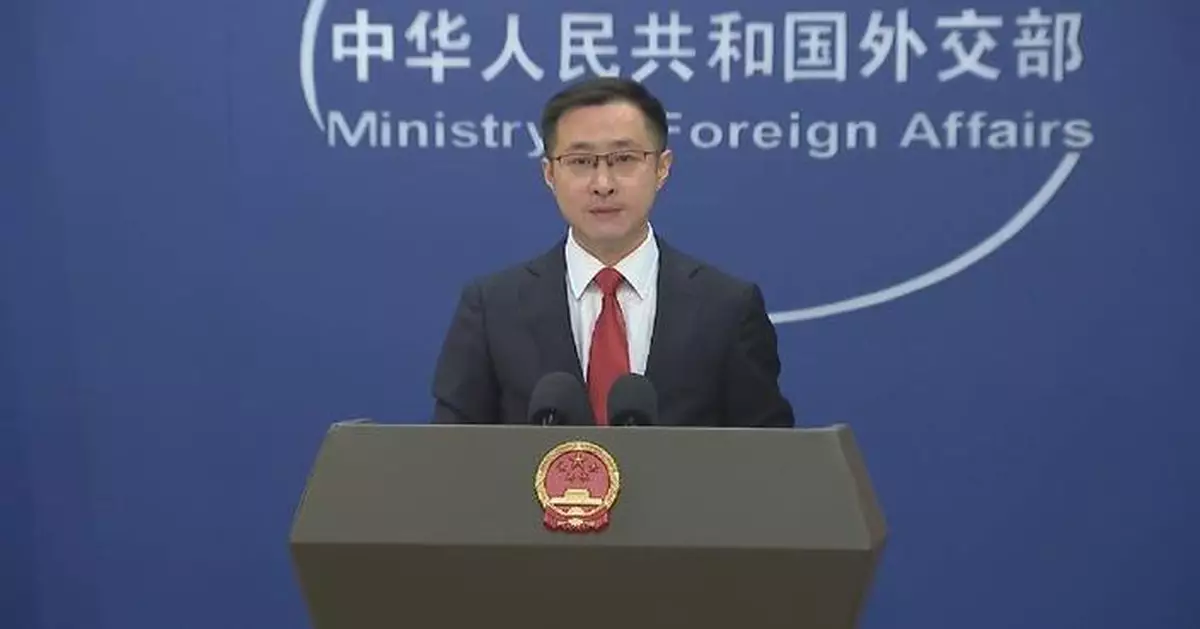
China stands ready to continue working with the international community and make unremitting efforts for the early realization of lasting peace and stability in the Middle East, Foreign Ministry spokesman Lin Jian said at a press briefing in Beijing on Thursday.
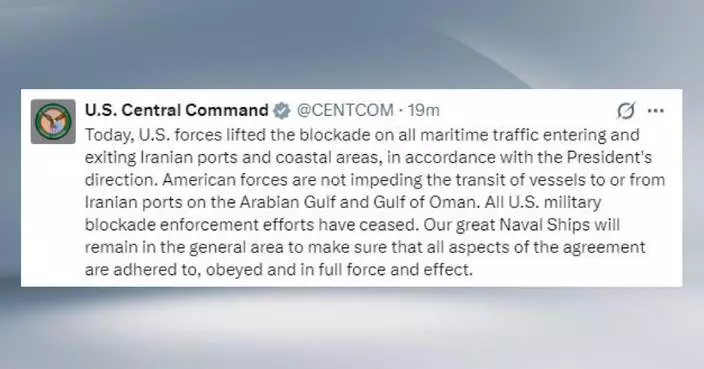
Lin made the statement when asked to comment on the signing of the first-phase Memorandum of Understanding (MoU) between the United States and Iran, while Israel's ongoing military operations in Lebanon have prompted Iran to warn that the move could threaten its implementation.
"Iran and the U.S. have signed a first-phase MoU, providing favorable conditions for easing tensions in the Middle East. The international community is closely following its implementation, as well as the upcoming second-phase negotiations between the two sides. At this critical stage, all parties involved, including Israel, should work towards the broader goal of regional peace and stability, and contribute to the implementation of the Iran-U.S. first-phase MoU and the second-phase talks, and not the contrary. China is ready to continue leveraging its influence and working with the international community to make unremitting efforts for the early realization of lasting peace and stability in the Middle East," Lin said.
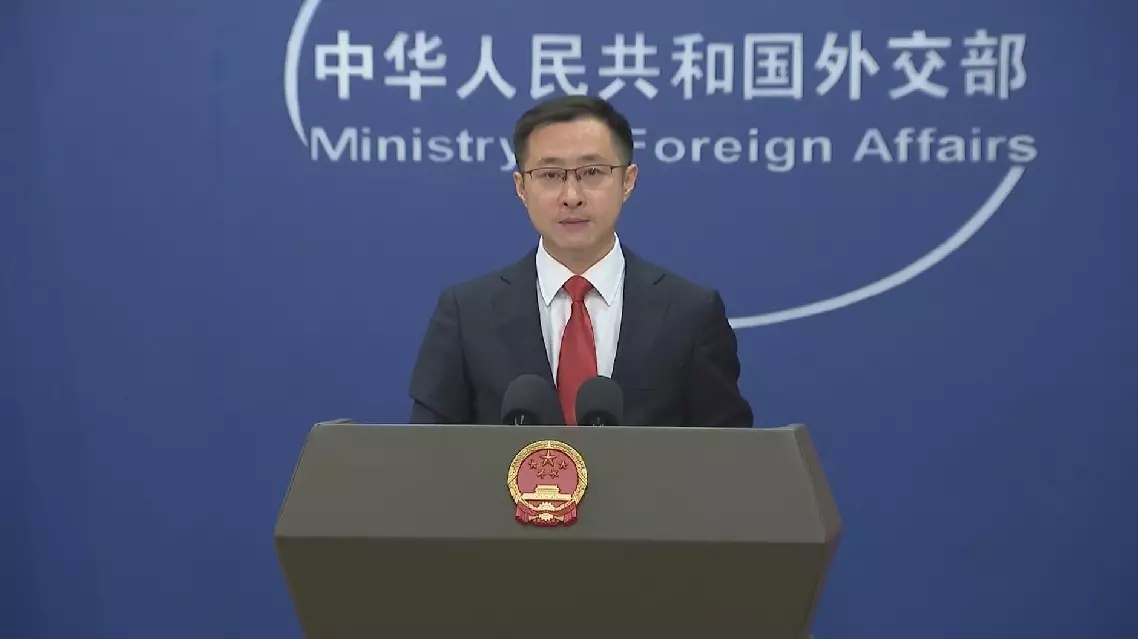
China to continue efforts for lasting peace, security in Middle East: spokesman
Iran's Supreme Leader Mojtaba Khamenei said on Thursday that despite having a different view, he granted the permission for signing a peace memorandum of understanding (MoU) between Tehran and Washington.
He made the remarks in a message addressed to Iran's people, which was carried by Iranian media, hours after Iranian President Masoud Pezeshkian and his U.S. counterpart, Donald Trump, signed the MoU on ending the war.
Khamenei said the officials in charge made extensive efforts out of "sincere concern and goodwill" in the course of reaching this stage, adding, "Of course, it was the American president who, out of desperation, used all kinds of leverages to bring this about."
He stressed, "I, as a matter of principle, hold a different view; However, out of the commitment that the esteemed president -- as the head of the Supreme National Security Council -- gave to me on his own behalf and on behalf of the other members regarding the safeguarding of the rights of the lranian nation and the Resistance Front, and his explicit acceptance of that responsibility, I granted my permission."
Khamenei added that Pezeshkian and other SNSC members had also stated that if the United States seeks to make "excessive demands," they will not submit to them.
He emphasized that from this moment on, he and the "proud" Iranian nation will wait for the realization of the conditions set by Iran under the MoU, noting, however, that "the in-person negotiations that will take place in the future will not mean acceptance of the enemy's position."
Iran, the United States and Pakistan early Monday announced the finalization of the MoU to end the war on all fronts, including Lebanon. The Iranian and U.S. presidents signed the MoU electronically early Thursday.
On Feb. 28, Israel and the United States launched joint attacks on Tehran and other Iranian cities. Iran responded with waves of missile and drone attacks targeting Israel and U.S. bases and assets in the region.
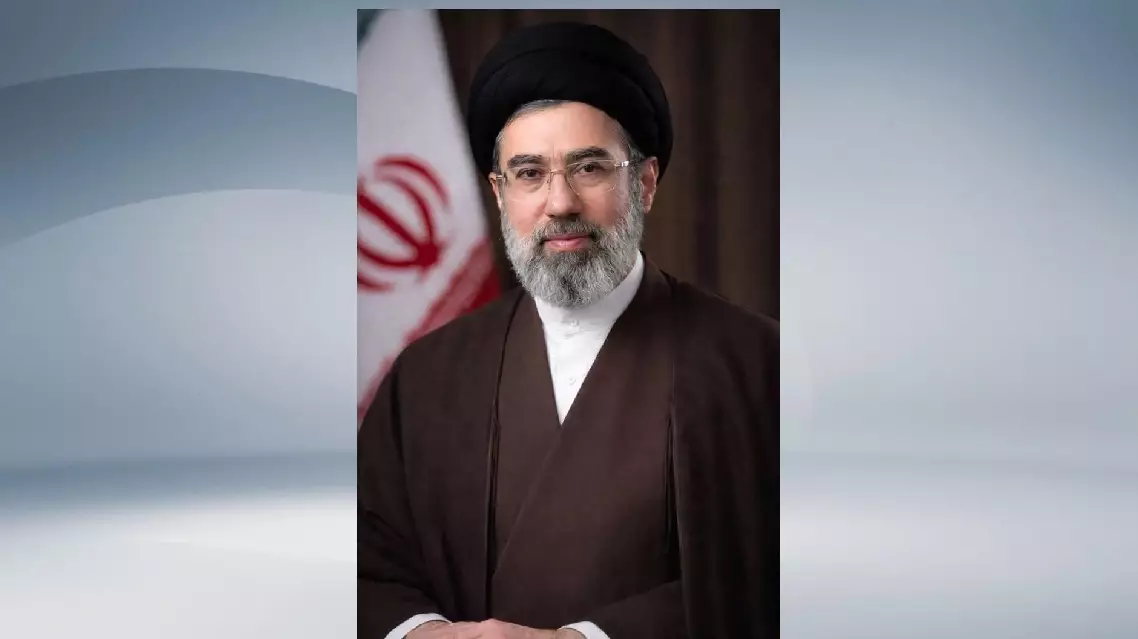
Iran's supreme leader says granted permission for MoU with U.S. despite having different view