China has been speeding up its computing network development amid artificial intelligence (AI) boom, a senior official said Thursday.
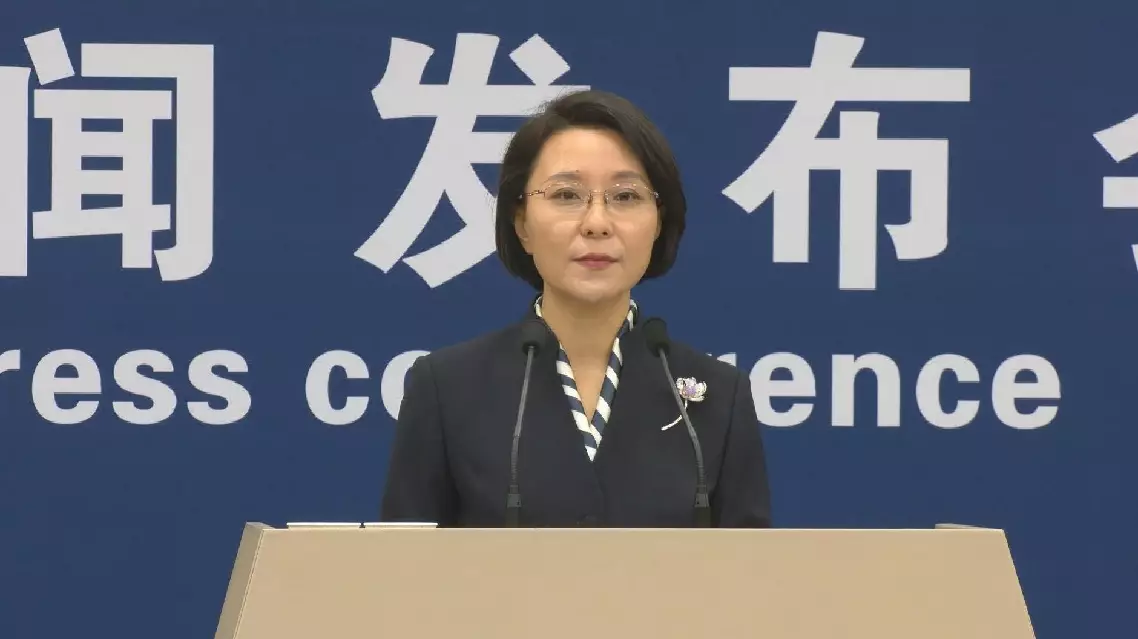
In recent years, China has been accelerating the development of its national integrated computing network, forming a spatial layout featuring eight national computing hubs, 10 national computing clusters, and three computing-energy coordinated development zones, according to Li Chao, spokeswoman for the National Development and Reform Commission (NDRC), the country's top economic planner. China's total computing infrastructure has grown rapidly, she said.
"Computing-energy coordination and computing-network integration have been advancing steadily in China. For instance, in computing-energy coordination, we have explored green power utilization models such as integrated systems combining source, grid, load and storage, and direct photovoltaic connection plus wind power purchase agreement, achieving an organic combination of green electricity replacement for computing facilities and new energy consumption," Li said.
In terms of computing-network integration, China has been continuously upgrading and expanding interconnections among national computing hubs, Li said.
By the end of last year, 145 trunk optical cables had been built around computing hubs, linking the eight major hubs and reducing network transmission latency from all provinces to the eight hubs to within 20 milliseconds.
"With the rapid development of AI, the construction of China's integrated computing network is accelerating," Li said.
"By the end of March this year, China's intelligent computing power had reached 1.882 million petaflops, 2.5 times the figure from the same period last year, and is expected to maintain rapid growth. In the actual construction process, market forces will play a decisive role. We will work with relevant departments to strengthen overall coordination and policy guidance," she said.
China speeds up national computing network development as AI surges: official
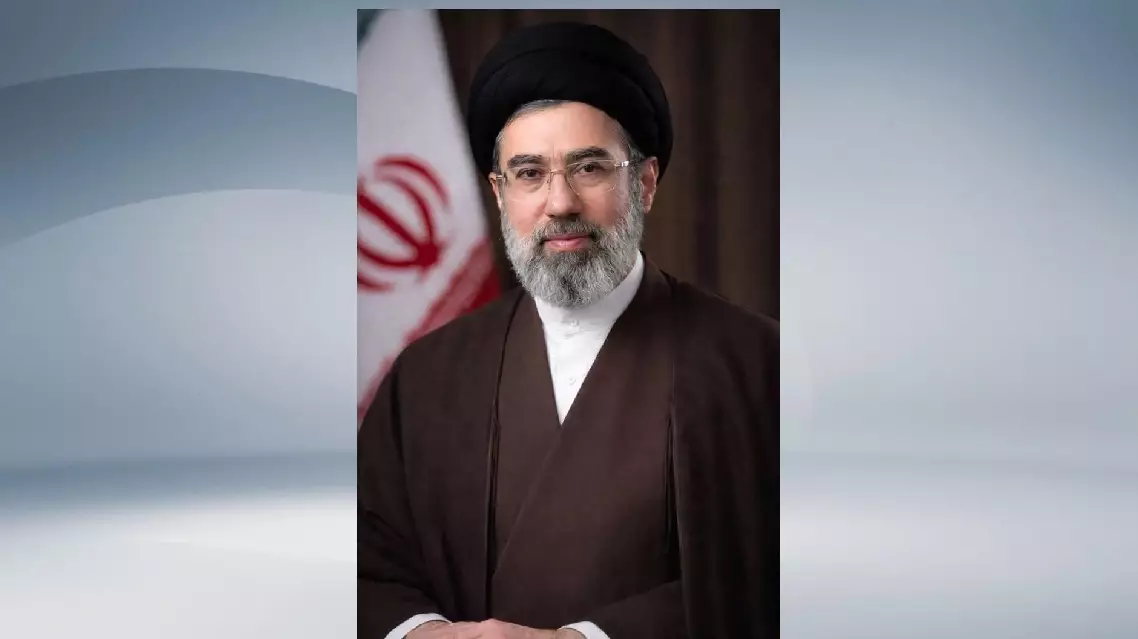
Iran's Supreme Leader Mojtaba Khamenei said on Thursday that despite having a different view, he granted the permission for signing a peace memorandum of understanding (MoU) between Tehran and Washington.
He made the remarks in a message addressed to Iran's people, which was carried by Iranian media, hours after Iranian President Masoud Pezeshkian and his U.S. counterpart, Donald Trump, signed the MoU on ending the war.
Khamenei said the officials in charge made extensive efforts out of "sincere concern and goodwill" in the course of reaching this stage, adding, "Of course, it was the American president who, out of desperation, used all kinds of leverages to bring this about."
He stressed, "I, as a matter of principle, hold a different view; However, out of the commitment that the esteemed president -- as the head of the Supreme National Security Council -- gave to me on his own behalf and on behalf of the other members regarding the safeguarding of the rights of the lranian nation and the Resistance Front, and his explicit acceptance of that responsibility, I granted my permission."
Khamenei added that Pezeshkian and other SNSC members had also stated that if the United States seeks to make "excessive demands," they will not submit to them.
He emphasized that from this moment on, he and the "proud" Iranian nation will wait for the realization of the conditions set by Iran under the MoU, noting, however, that "the in-person negotiations that will take place in the future will not mean acceptance of the enemy's position."
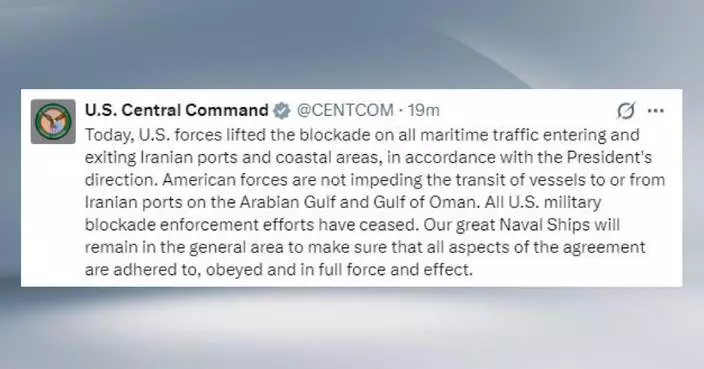
Iran, the United States and Pakistan early Monday announced the finalization of the MoU to end the war on all fronts, including Lebanon. The Iranian and U.S. presidents signed the MoU electronically early Thursday.
On Feb. 28, Israel and the United States launched joint attacks on Tehran and other Iranian cities. Iran responded with waves of missile and drone attacks targeting Israel and U.S. bases and assets in the region.
Iran's supreme leader says granted permission for MoU with U.S. despite having different view