An innovative intelligent irrigation system has transformed barren desert into thriving farmland in Kunyu City of northwest China's Xinjiang Uygur Autonomous Region.
Viewed from above, the smart center-pivot irrigation system resembles a giant compass, with 380-meter-long arms rotating steadily and spraying water to irrigate circular fields.
The irrigation water is sourced from the nearby Kunlun Mountains and undergoes filtration to remove sediment and impurities, preventing clogging of the equipment.
The system's intelligent management module also automatically adjusts water supply according to the wheat's growth stages to improve efficiency.
"The sprinkler irrigation system can operate automatically after setting the appropriate parameters, which requires no human supervision. It can irrigate 46.7 hectares of wheat fields in just nine to 10 hours," said Cui Gangchuang, manager of local wheat demonstration planting base.
This smart irrigation system showcases how innovative engineering can successfully turn even harsh desert environments into productive farmland.
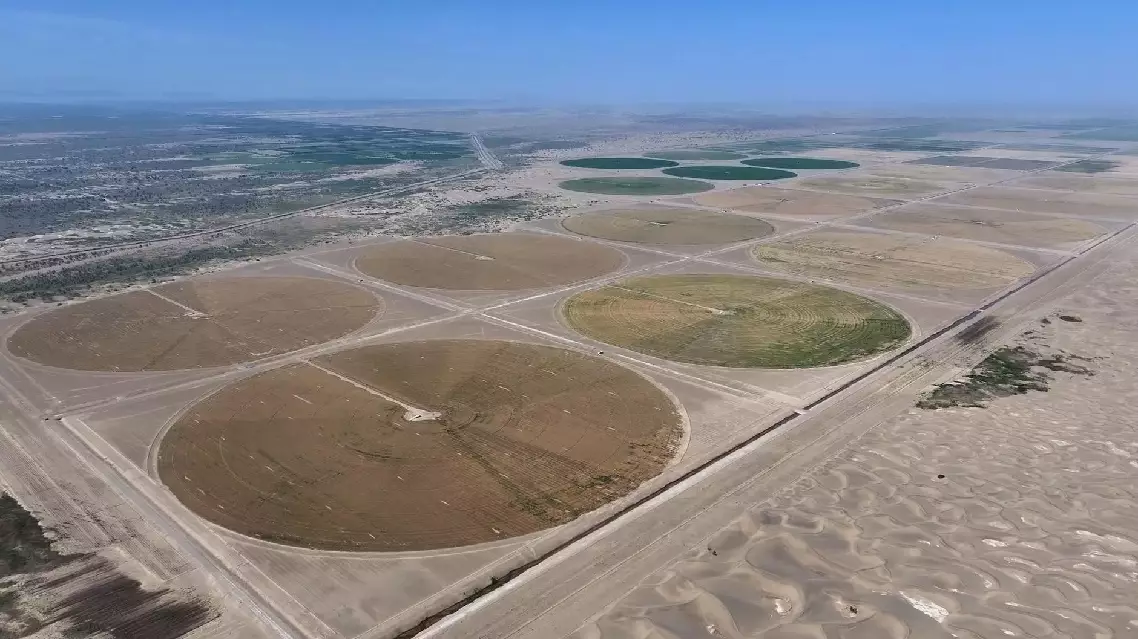
Xinjiang leverages smart irrigation system to transform desert into farmland
Holiday cheer is building across China, with seasonal products driving a boom in the consumer market, as the Dragon Boat Festival and its holiday are approaching.
The Dragon Boat Festival, also known as the Duanwu Festival, is celebrated on the fifth day of the fifth lunar month. This year, the festival falls on June 19, with the three-day holiday running through June 21.
In Shanghai, many time-honored food brands have entered their peak sales season. Classic varieties of zongzi, the sticky rice dumplings, with fillings such as pork and red bean remain strong sellers. At the same time, many vendors in the city have also introduced innovative flavors to attract customers. New offerings such as black glutinous rice with red bean paste zongzi have proven particularly popular.
In major grocery stores across Lanzhou City, northwest China's Gansu Province, zongzi incorporating local specialty ingredients, such as lily bulbs and roses, have become top choices for shoppers.
Beyond festive foods, traditional customs are also driving seasonal demand. The Dragon Boat Festival is typically marked by the hanging of mugwort and calamus - a custom believed to ward off illness and evil spirits.
In Qidong City, east China's Jiangsu Province, mugwort farms have entered their busiest harvest period of the year, as they are producing more than 100,000 bundles daily for shipment to major supermarkets across the Yangtze River Delta region.
To the southwest of Qidong, Kunming City in Yunnan Province has seen a growing demand for festival-themed plants, such as calamus, fragrant wood and craspedia. The city's largest online fresh flower wholesale platform reported sales of 295,000 bundles of Dragon Boat Festival flowers so far this month, double the volume recorded during the same period last year.
In addition, local governments across China have also rolled out various service measures to ensure smooth operation of cultural and tourism markets during the holiday period.
East China's Fujian Province will offer more than 350 cultural and tourism activities and over 120 public welfare measures during the Dragon Boat Festival holiday.
Multiple scenic spots in south China's Guangdong Province have activated holiday support mechanisms to extend store operating hours and optimize time-slot reservations to enhance visitor experience.
Up north, in northeast China's Heilongjiang Province, cultural and tourism consumption vouchers worth 15 million yuan (about 2.1 million U.S. dollars) have been issued for key sectors such as major scenic areas, hotels, homestays and cultural entertainment venues to further stimulate holiday spending.
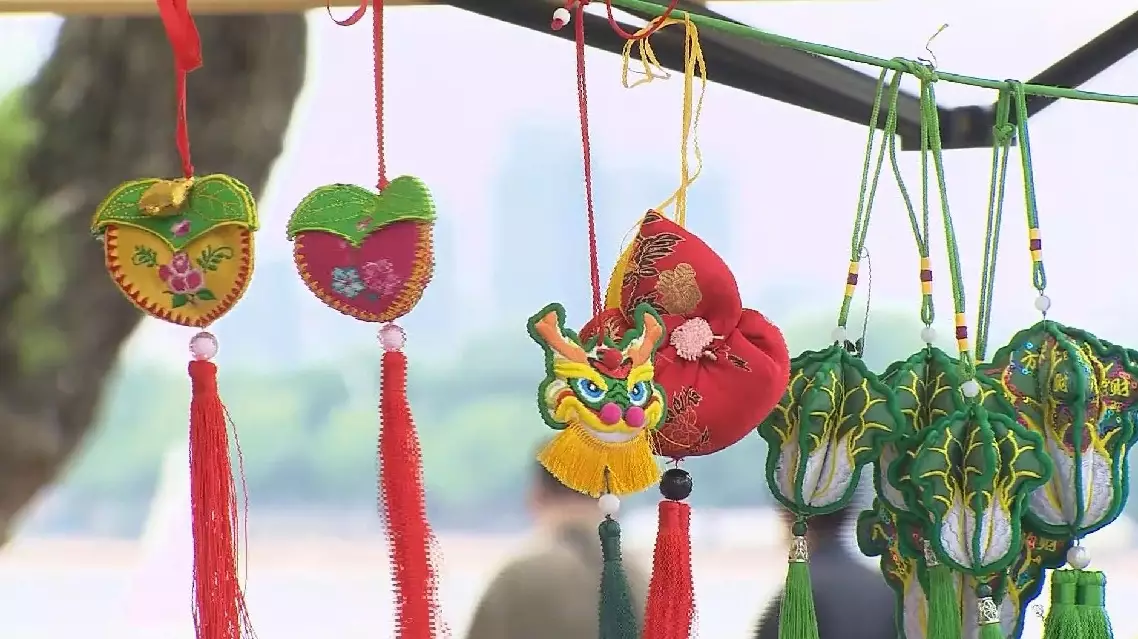
Dragon Boat Festival spurs seasonal sales as festive atmosphere builds