NEW YORK (AP) — Baseball owners proposed banning high school players from signing with major league teams, raising the age for international amateurs and slashing the money spent on signing bonuses in negotiations Thursday for a new collective bargaining agreement.
The amateur draft for players residing in the U.S., Canada and Puerto Rico would be cut from 20 rounds to 12 beginning in 2027 under the proposal Major League Baseball made during a bargaining session with the players' association. An identical 12-round draft would be started for international prospects, a proposal the union has rejected in the past.
Starting in 2028, a prospect for the amateur draft would have to be at least 20 years old by the Sept. 1 of his signing year and two years removed from the graduating year of his high school class — a restriction that also would eliminate players who completed their first year of junior college.
The amateur draft started in 1965, high schoolers have been eligible along with college players who are in or have just finished their junior years.
Raising signing ages would likely lead to players being older when they become eligible for free agency, which currently requires six years of major league service.
MLB cited increased revenue in college baseball as reasoning. In addition, MLB said 75% of high schoolers signed from 2012-19 did not reach the major leagues.
“Expanded scholarships, NIL opportunities, revenue sharing and significant investments in facilities and player development have made college baseball an increasingly important pathway that is producing major league-ready talent at an accelerated rate," MLB said in a statement. “By creating a draft system centered around college-aged players and making most college players eligible one year earlier, more players will benefit from both a college education and an elite development environment while reaching professional baseball — and ultimately the major leagues — more quickly.”
The players' association claimed the plan would decrease compensation by $1 billion over five years, including $400 million from this year to 2027.
“MLB made another set of proposals that are flat-out bad for baseball, ones that would cripple the next generation of players and damage the future of our game,” the union said in a statement.
ACC commissioner Jim Phillips supported keeping more prospects in college longer. He said in a statement that improvements in facilities, technology and scholarships “are creating more opportunities for student-athletes and providing additional pathways to develop at the collegiate level before taking the next step to the professional ranks.”
MLB said it will not seek to reduce the 120 minor league teams in the top four levels when it negotiates new professional development licenses in 2030 to replace expiring 10-year deals. It would cap bonuses for undrafted players at $10,000 — Middle Tennessee two-way player Trace Phillips was bypassed in the draft last July and signed with Tampa Bay for $629,200.
For international amateurs, the age to sign would be raised to 18 on the Sept. 1 of their signing year, up from 17.
“The game's greatest stars are precocious talents. We always want to have a great window for them,” said Scott Boras, baseball's most high-profile agent. “International markets recognize this, as well. When you bar a labor force from opportunity in America, it is not an American concept.”
Each separate draft would have $200 million in signing pools in 2027. There would be hard caps for each draft.
Teams would be able to trade draft picks but a club couldn't trade its first-round pick in consecutive drafts. A team couldn't acquire more than three additional selections among the first three rounds. In addition, MLB proposed requiring up to 10 prospects to attend the draft, and each would get a $50,000 draft attendance bonus.
Spending on signing bonuses for players eligible for the 2025 amateur draft have totaled $401.81 million and signing bonus pools for 2026 increased by 2.5%.
Each team would have the same amount to spend under the proposal rather than the current system which gives higher pools to teams with poorer records in the previous year. Pittsburgh is at just over $19 million this year and the World Series champion Los Angeles Dodgers at slightly under $4 million. Teams currently can go over their pools and often do as much as 5%.
Teams have spent $196.38 million on signing bonuses for international amateurs in 2026. The current signing period runs from Jan. 15 to Dec. 15 each year, but the initial international draft would be no earlier than September 2027 and no later than March 2028.
MLB proposed eliminating competitive balance round picks that began in 2023 and cutting the draft lottery that started in 2023 from the top six picks to four.
Bargaining began May 13 and the sides exchanged initial proposals two weeks later as management proposed a salary cap for the first time since 1994, which resulted in a 7 1/2-month strike and the first cancellation of the World Series in 90 years.
Baseball's five-year collective bargaining agreement expires Dec. 1 and management is expected to immediately impose a lockout, as it did in December 2021. An agreement was reached on the 99th day of the lockout, preserving a slightly delayed 162-game schedule.
AP MLB: https://apnews.com/hub/mlb
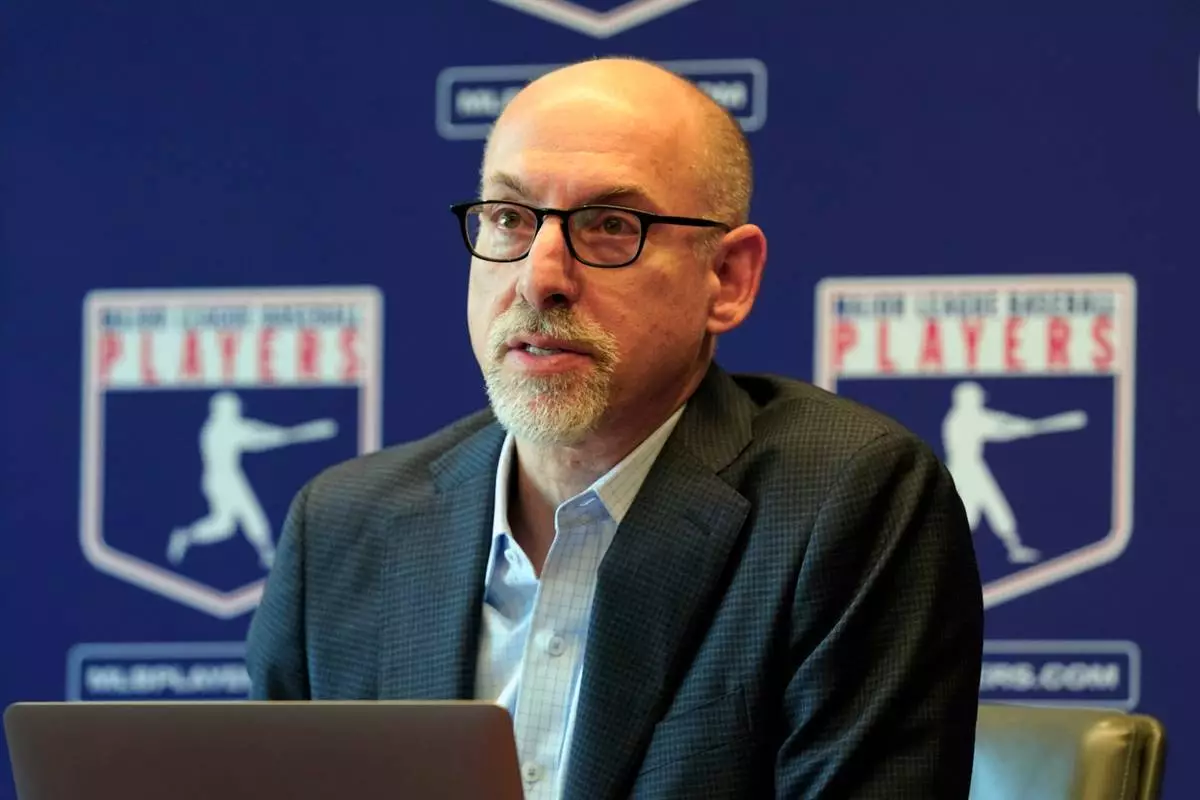
FILE - Attorney Bruce Meyer, the current interim executive director of the Major League Baseball Players Association, speaks at a news conference in New York on March 11, 2022. (AP Photo/Richard Drew, File)
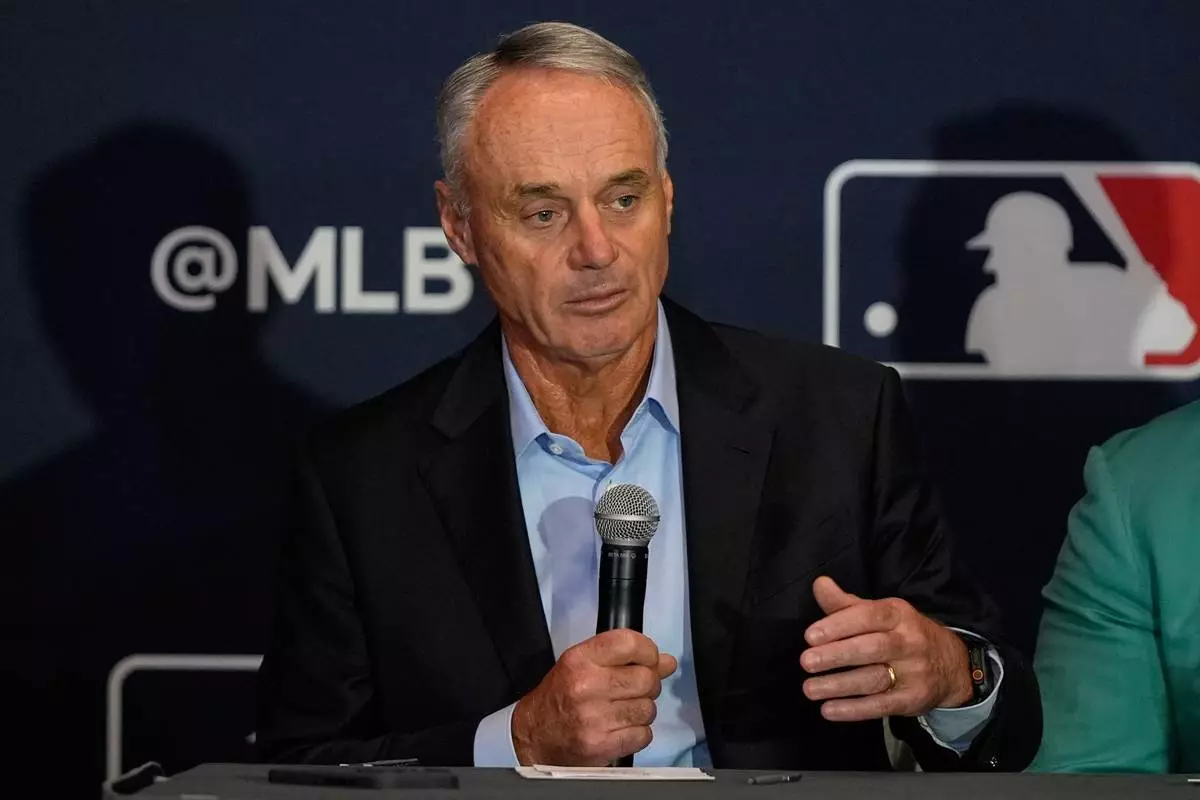
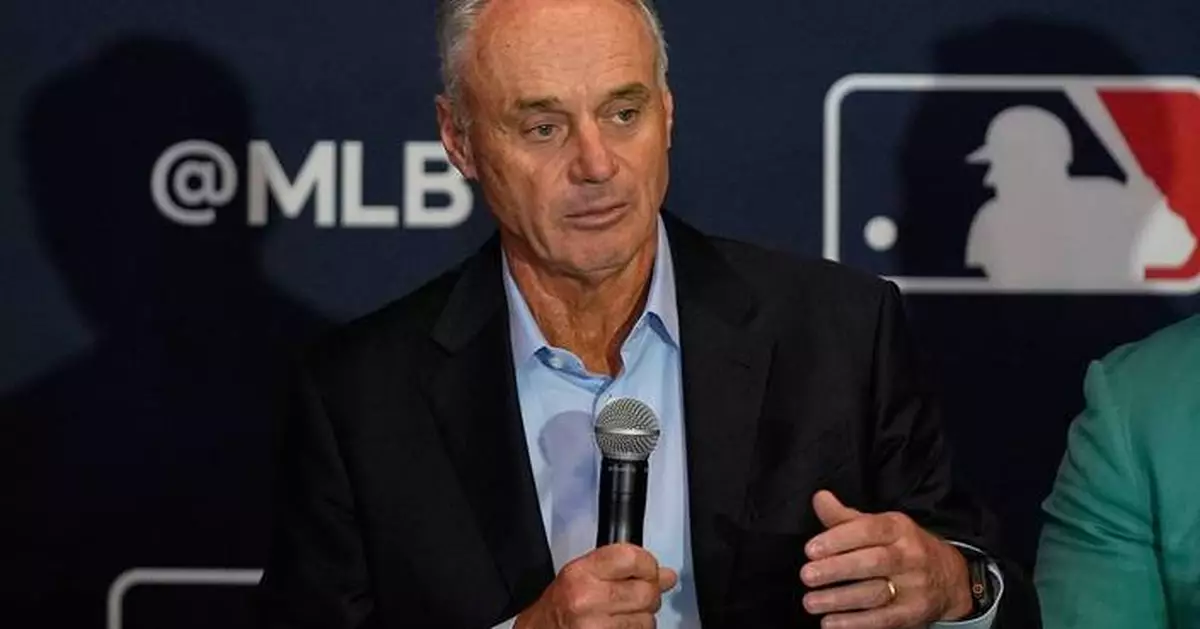
FILE - Commissioner of Major League Baseball Rob Manfred answers questions during a news conference at the MLB winter meetings, Dec. 8, 2025, in Orlando, Fla. (AP Photo/John Raoux, file)