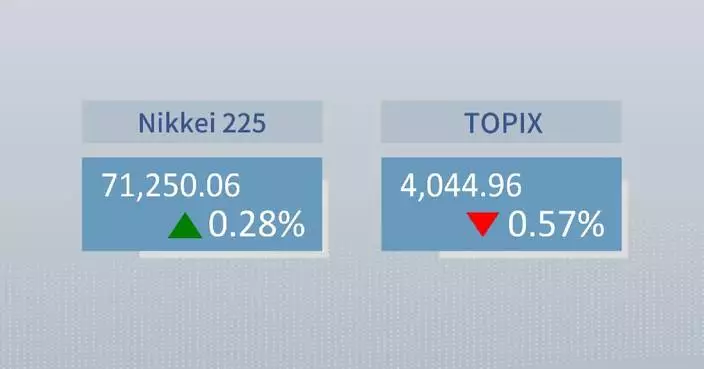
A Japanese economic expert believes that the Bank of Japan (BOJ)'s interest rate hike will not fundamentally reverse the current depreciation of the Japanese yen.
The BOJ decided Tuesday to raise its benchmark interest rate to 1.0 percent from 0.75 percent following its two-day board meeting, the highest in 31 years, as the central bank seeks to stay ahead of inflation and support the weak yen.
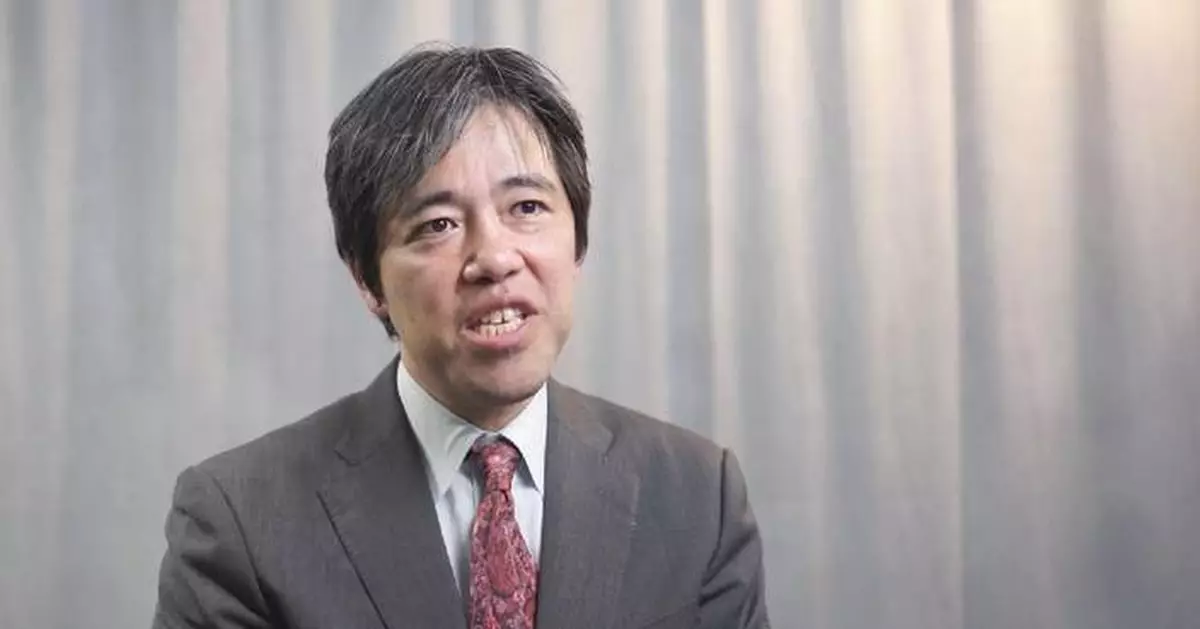
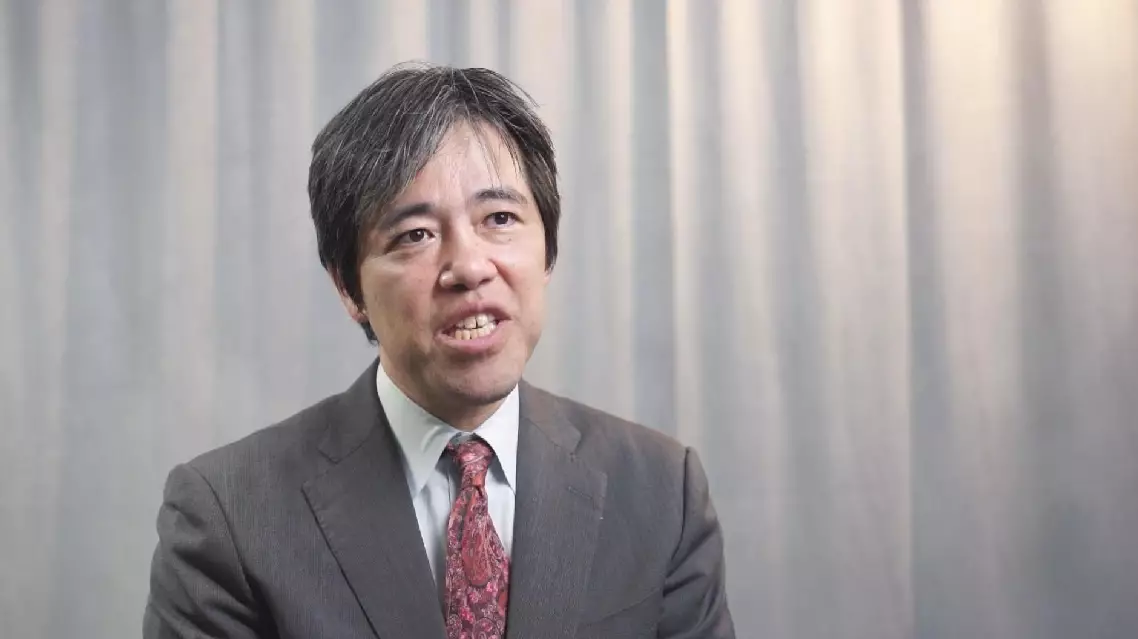
Hideo Kumano, executive director of the Japan Association for Financial Planners, said that given the heightened complexity of financial markets, neither the BOJ's rate hike nor traditional currency intervention can fundamentally reverse the yen's depreciation.
"In fact, U.S. interest rates have not fallen much despite the drop in oil prices. With U.S. rates staying high and the factors driving Japanese capital outflows to the U.S. persisting, the yen's current depreciation will not undergo a fundamental change simply due to a rate hike by the BOJ. With artificial intelligence (AI) making the operational mechanisms of financial markets highly complex and sophisticated, even relatively traditional tools like foreign exchange intervention are unlikely to change the market trend," Kumano said.
If the market expects the yen to keep falling, Japan's import costs and trade deficit could rise, adding to selling pressure. A weaker yen would hurt the economy by pushing up prices and weighing on households and businesses, the expert noted.
"The so-called vicious cycle refers to the phenomenon where, even if Japan intervenes in the currency market, the yen quickly returns to its depreciating trajectory. This, in turn, reinforces market expectations and the prevailing view that the yen will continue to weaken. Once such expectations strengthen, the yen's depreciation pushes up import prices. At the same time, Japan's trade balance falls into deficit, triggering more yen-selling, which further accelerates the yen's decline," Kumano said.
"The real problem with the yen's depreciation lies in its negative impacts, which are quite pronounced. In the food sector, for example, Japan's food self-sufficiency rate stands at only about 38 percent, meaning that over 60 percent -- roughly 62 percent -- of its food depends on imports. Consequently, a weaker yen drives up food prices. The price hikes caused by the yen's depreciation hit households first, and the impact then spreads to small and medium-sized enterprises," he said.
Japan's central bank rate hike won't reverse yen depreciation: expert