CHICAGO--(BUSINESS WIRE)--Jun 22, 2026--
Zebra Technologies Corporation (NASDAQ: ZBRA), a global leader in digitizing and automating workflows to deliver intelligent operations, today announced its participation in Automate 2026, highlighting an ecosystem of solutions that fuse the physical and digital worlds. Visitors to Booth #1825 will experience how Zebra’s portfolio of RFID, machine vision, industrial scanning and automation solutions empowers frontline workers and optimizes workflows from raw-material receiving to the final distribution of products.
This press release features multimedia. View the full release here: https://www.businesswire.com/news/home/20260622743565/en/
According to Zebra’s latest Manufacturing Vision Study, 92% of manufacturing leaders cite digital transformation as a strategic priority. Zebra provides the foundation for intelligent operations, designing hardware, software, and automation solutions that help manufacturers achieve actionable visibility, optimized quality and an augmented workforce. Zebra’s booth experience presents an end-to-end modern manufacturing journey, showcasing how organizations create smarter, more efficient operations by leveraging intelligent automation and advanced asset visibility.
“We relentlessly deliver innovation to help our customers overcome their biggest operational challenges,” said Charlie Long, Vice President and General Manager, Machine Vision, Zebra Technologies. “We are eager to connect with attendees at the event to discuss how combining machine vision, data, and AI with human expertise can drive immediate efficiency gains, tailored to their unique environments.”
High-Performance Camera Optimizes Quality Control
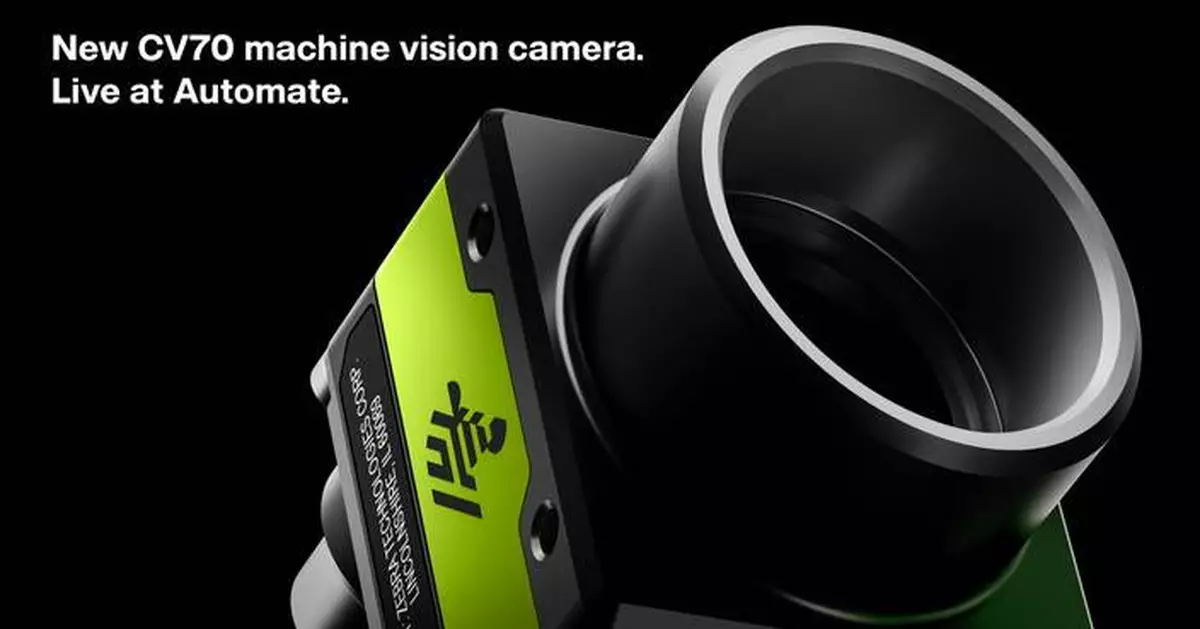
As manufacturers look to automation to improve quality, Zebra’s study shows that 98% of those surveyed plan to use machine vision by 2029. At Automate, Zebra debuts its new CV70 CXP machine vision camera, a high-performance solution for customers implementing high-speed, high-resolution applications.
The CV70’s design accelerates demanding tasks like small parts inspection, EV battery assembly, and semiconductor inspection. With Zebra’s Aurora software, frame grabbers, and vision controllers, customers have a complete vision solution and fully tested and validated system from a single vendor to solve their most challenging machine vision needs.
Interactive Demonstrations Highlight Live Workflows
Attendees visiting Zebra’s booth will experience live demonstrations of how Zebra’s solutions create fully connected, optimized operations including the 4Sight XV7 vision controller and the Rapixo CXP Pro Octo frame grabber. Other solutions on display include:
In addition, Charlie Long will lead a speaking session titled, “The Augmented Operator: Driving Productivity with Machine Vision and Mobile Intelligence,” which takes place on June 22 from 12:00 – 12:30 CT at the Automate Innovation Stage in Booth #19046.
KEY TAKEAWAYS
WHO IS ZEBRATECHNOLOGIES?
Zebra (NASDAQ: ZBRA) provides the foundation for intelligent operations with an award-winning portfolio of connected frontline, asset visibility and automation solutions which empower our customers to deploy AI on the frontline. Organizations globally across retail, manufacturing, transportation, logistics, healthcare, and other industries rely on us to deliver outcomes today while driving innovation for what’s next. Together with our partners, we create new ways of working that improve productivity and empower organizations to be better every day . Learn more at www.zebra.com.
Follow Zebra on our Blog, LinkedIn, Facebook, X, Instagram and YouTube.

Zebra debuts its new CV70 CXP machine vision camera, a high-performance solution for customers implementing high-speed, high-resolution applications.
OBBUERGEN, Switzerland (AP) — Vice President JD Vance on Monday said his lengthy talks with senior Iranian officials in Switzerland created a “good foundation for a successful final deal” as they negotiate bringing a permanent end to the war that the U.S. and Israel began in late February.
“The final deal is the house,” Vance told reporters after initial talks with Iran’s parliamentary speaker Mohammad Bagher Qalibaf. “We set the foundation. We haven’t built the house, but we’ve laid a successful foundation to get to a good place for the American people.”
Iran noted “major progress" to end the fighting in Lebanon and called that the first real test of the negotiations.
The mediation effort in Switzerland, which started Sunday and stretched into early Monday, had rocky moments. But the talks also led to some agreements, mediators said, as technical talks continue this week.
The vice president suggested that the U.S. could agree to unfreeze Iranian assets for purchases of U.S. soy, corn and wheat. He said Jared Kushner, the son-in-law of President Donald Trump and one of the lead U.S. negotiators, came up with the idea with officials from Qatar.
Vance said Qatar would have approval over the process, and Iranian money that would be accessible as sanctions were lifted “would actually go to buy American soy, American corn and American wheat for the benefit of the Iranian people.”
Iran, which has pressed for the unfreezing of billions of dollars in assets, has not spoken to the idea of using the funds to purchase American products. The assets have been made inaccessible over years of sanctions, banking restrictions and legal disputes imposed by the U.S. and international community on the Islamic Republic.
In a joint statement, mediators Pakistan and Qatar said that while the high-level engagement had ended, technical negotiations would continue in Switzerland.
The mediators hailed “encouraging progress.”
The interim deal to end the fighting in Iran, signed last week by the leaders of the U.S. and Iran, sets a 60-day period for negotiators on issues including the future of Tehran’s nuclear program amid concerns that it wants to use it for military purposes, a claim Iran denies.
Vance and U.S. officials claimed progress on multiple fronts, including the establishment of “mechanisms” to ensure the Strait of Hormuz, a vital waterway for global energy shipments, remains open and that a ceasefire in the fighting between Israel and Iran-backed Hezbollah militants in southern Lebanon holds.
While he was returning to Washington, Vance said the technical talks are critical.
“We wanted to set up a structure for that so that you could have proper political oversight, but obviously, as much as this place is very beautiful, I can’t stay here for the next 60 days,” Vance told reporters.
U.S. envoys Kushner and Steve Witkoff are handling many of the technical details.
The talks were jolted by statements from Trump, who fired off comments from thousands of miles away that offended the Iranians.
Iranian state media on Sunday said talks had paused after the “publication of an insulting message by the U.S. President," according to Iranian state media.
Ultimately, the Iranians remained on site and negotiations continued, according to a senior U.S. diplomat, who was not authorized to comment publicly and briefed reporters on the condition of anonymity.
The diplomat said among the issues discussed was Iran’s messaging as it related to the Strait of Hormuz, which Iran’s military said it closed Saturday in response to continued fighting in Lebanon. U.S. Central Command has disputed that Iran closed the strait again.
Ahead of the talks, Iranian President Masoud Pezeshkian had vowed to “never back down from the right to enrich uranium,” according to state media.
Trump on Sunday told Fox News in a phone interview that Pezeshkian should watch what he says and threatened to take over Iran, according to one of the news channel's correspondents.
Trump also posted on social media as negotiators worked: “Iran must immediately stop their highly paid PROXIES in Lebanon from causing trouble. If they don’t, we’ll hit Iran very hard again, just like we did last week, only harder!!!”
Iranian Foreign Minister Abbas Araghchi wrote on X that mediators delivered "major progress to end the Lebanon War.” But he said the first “real test” of negotiations would be whether the mechanism succeeds in halting the fighting between Israel and Hezbollah.
Iran has insisted on first addressing the fighting in Lebanon. Neither Israel nor Hezbollah is a signatory to the U.S.-Iran deal.
A renewed ceasefire in Lebanon appeared to be holding, and Israel’s military said it would lift movement restrictions for residents near the Israel-Lebanon border on Monday.
Cautious calm continued Monday in Lebanon, with no Israeli strikes reported overnight. Hezbollah has not announced any attacks on Israeli forces since Saturday.
The lull in fighting in Lebanon is the longest since the latest Israel-Hezbollah war began on March 2.
“This region has been a basket case for a very long time," Vance said.
Kim reported from Washington. Associated Press reporters Abby Sewell in Beirut, David Rising in Bangkok and Jon Gambrell in Dubai, United Arab Emirates, contributed to this story.
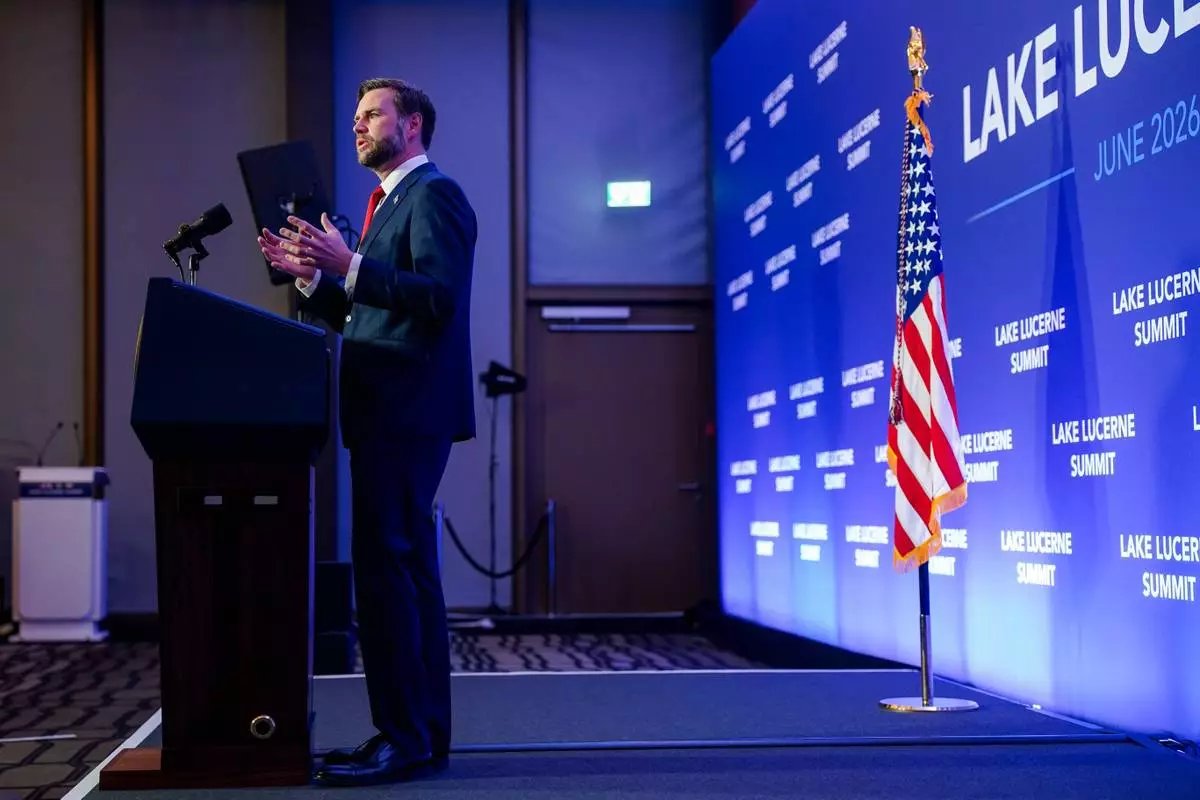
Vice President JD Vance speaks to members of the media after the U.S. and Iran held high-level talks at the Bürgenstock Resort in Obbuergen, near Lucerne, in Switzerland, Monday, June 22, 2026. (Nathan Howard/Pool Photo via AP)
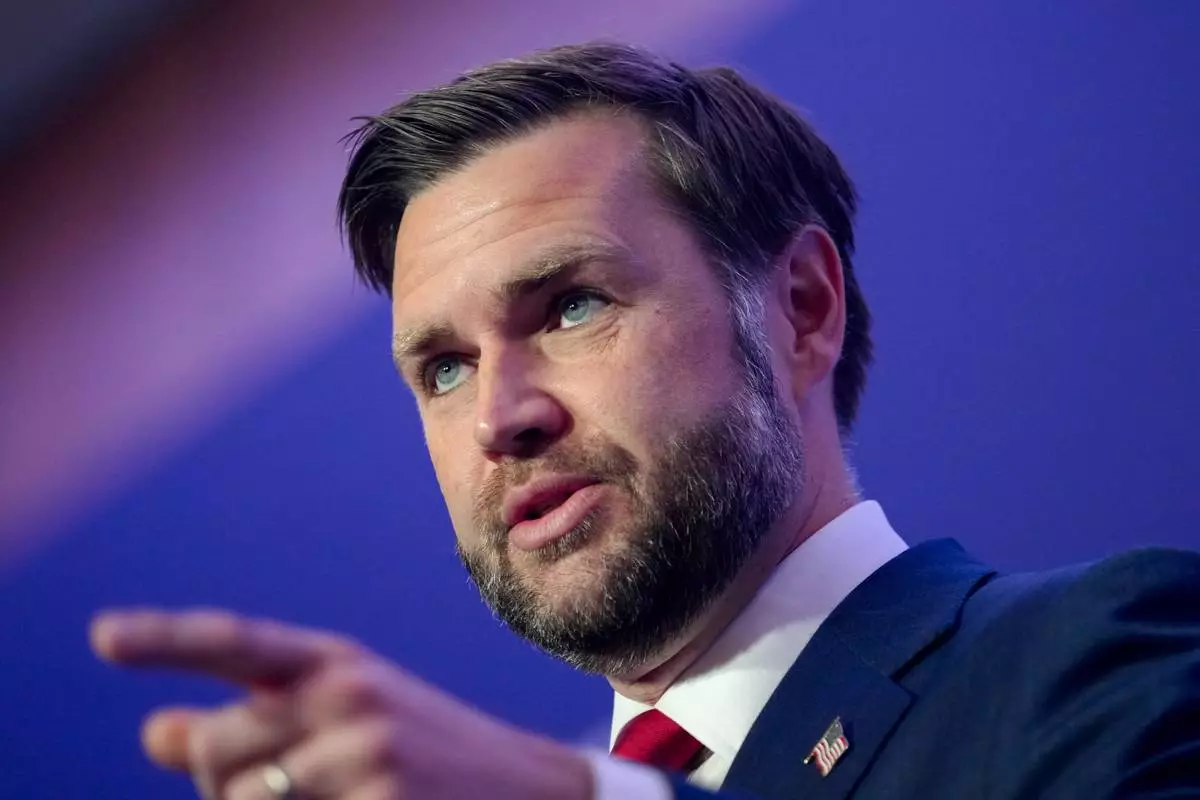
Vice President JD Vance speaks to members of the media after the U.S. and Iran held high-level talks at the Bürgenstock Resort in Obbuergen, near Lucerne, in Switzerland, Monday, June 22, 2026. (Nathan Howard/Pool Photo via AP)
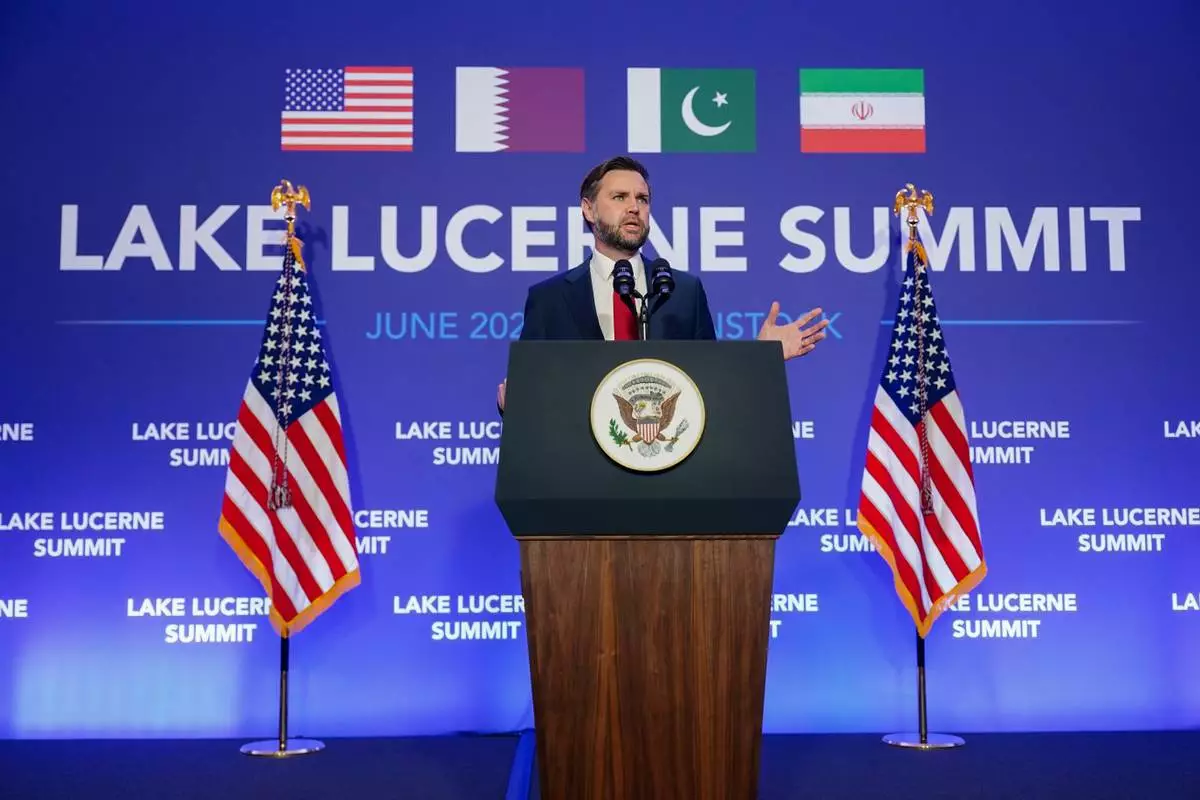
Vice President JD Vance speaks to members of the media after the U.S. and Iran held high-level talks at the Bürgenstock Resort in Obbuergen, near Lucerne, in Switzerland, Monday, June 22, 2026. (Nathan Howard/Pool Photo via AP)
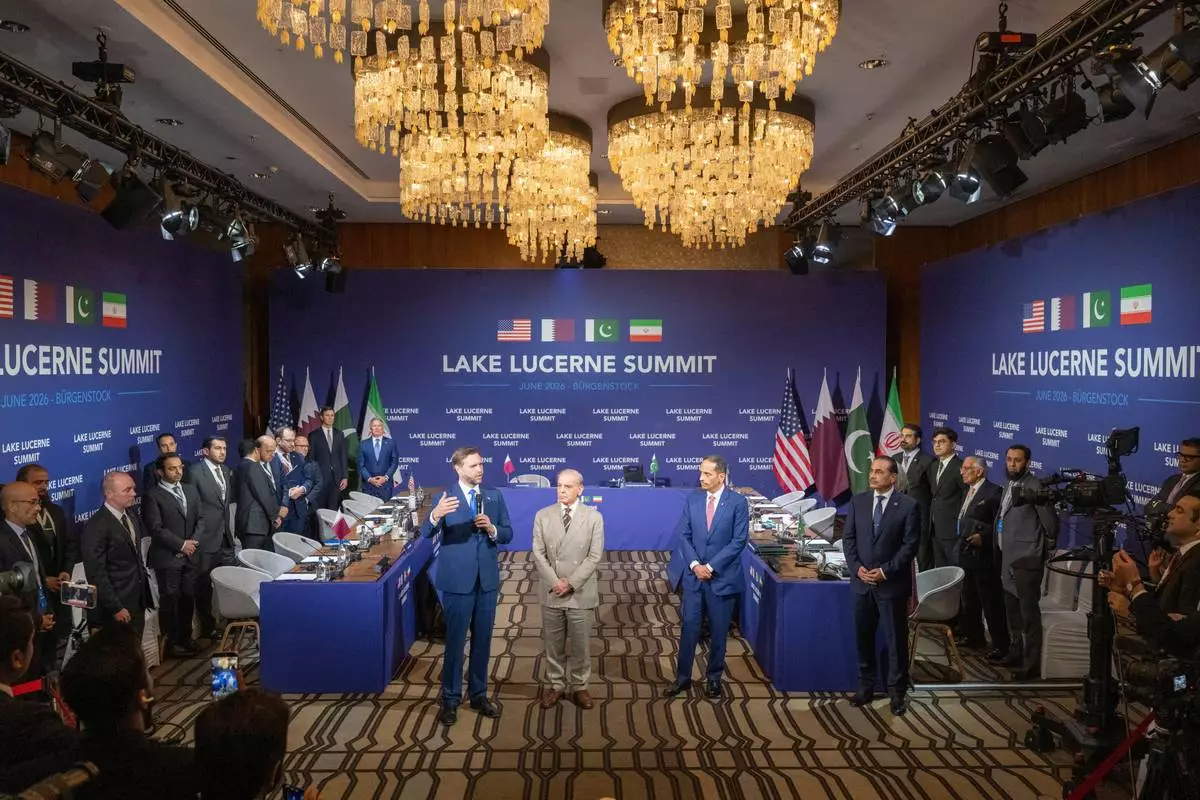
From left, US Vice-President JD Vance, Prime Minister of Islamic Republic of Pakistan, Shehbaz Sharif and Premier minister of Qatar Mohammed bin Abdulrahman bin Jassim Al Thani, at the Buergenstock resort resort in Obbuergen, near Lucerne, Switzerland, Sunday, June 21, 2026. (Urs Flueeler, Pool Photo via AP)
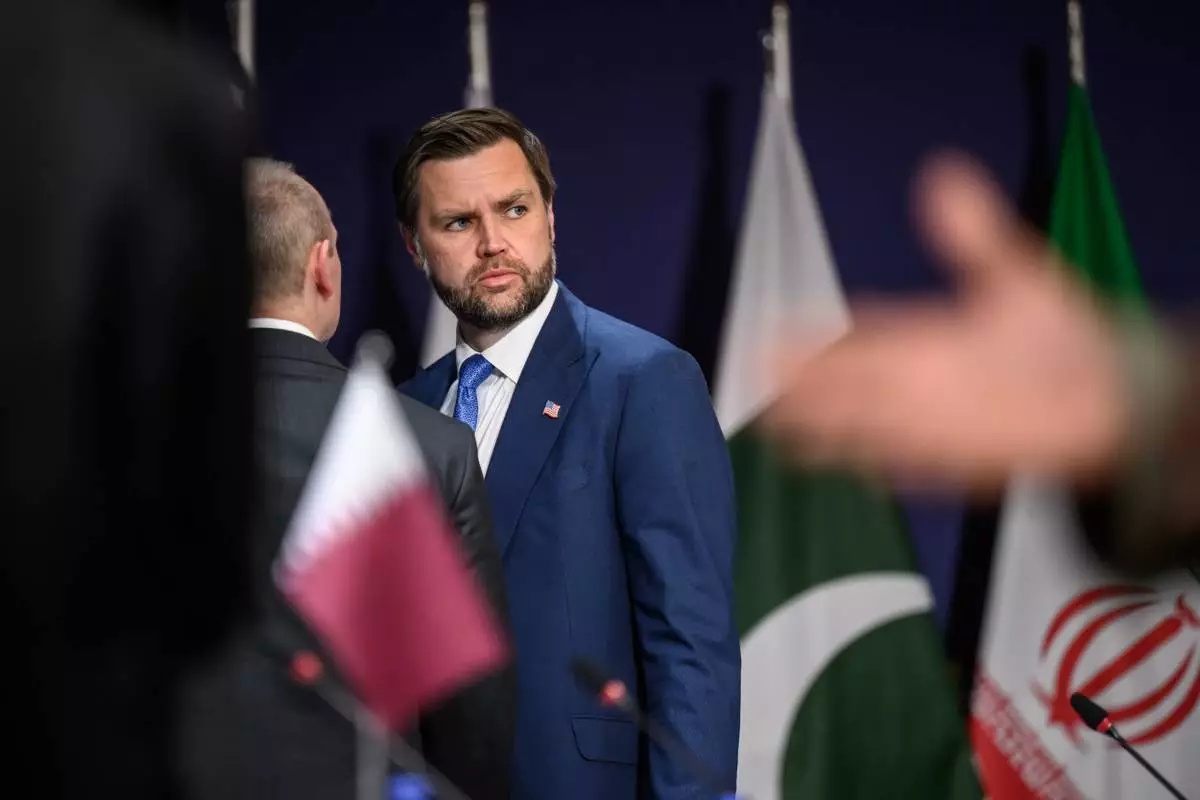
US Vice President JD Vance prior to a quadrilateral meeting between the United States, Iran, Pakistan and Qatar at the Burgenstock luxury hotel complex overlooking Lake Lucerne, Switzerland, Sunday June 21, 2026. (Fabrice Coffrini/Keystone via AP)
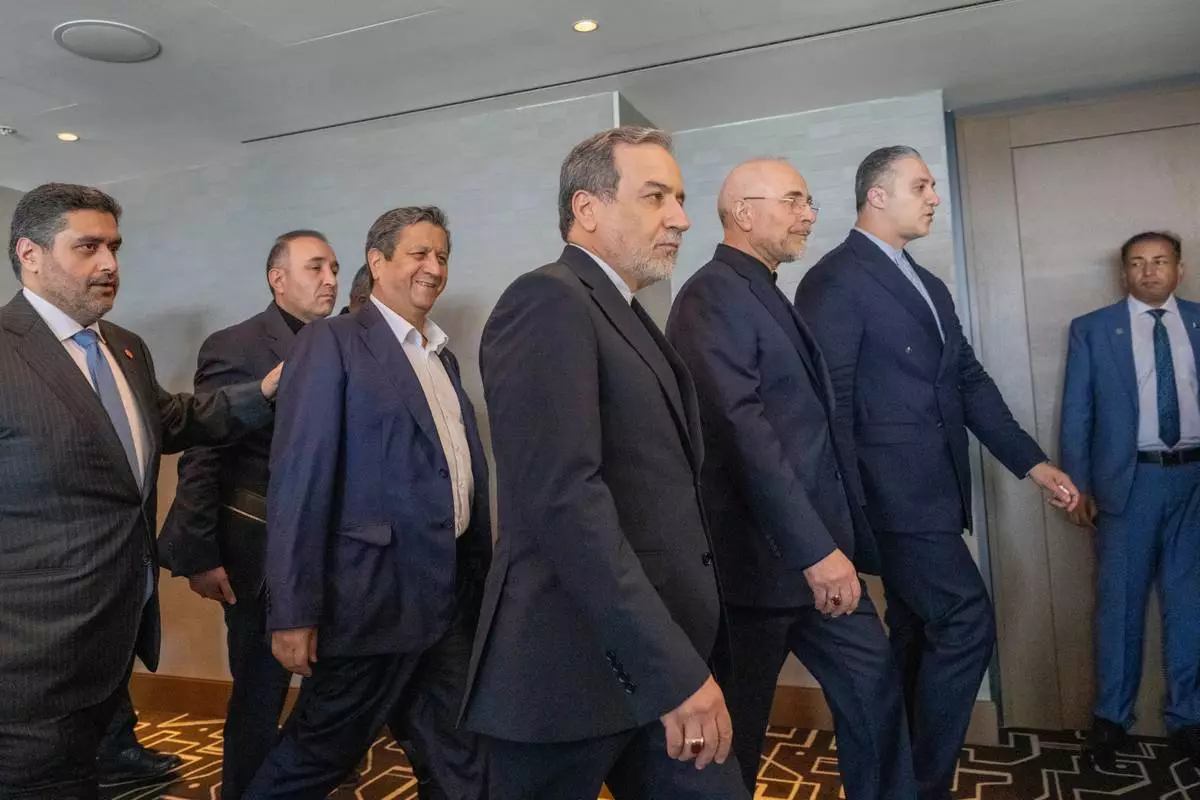
Minister of Foreign Affairs of Iran, Seyyed Abbas Araghchi, 3rd from right, and Speaker of the Islamic Parliament of Iran, Mohammed Bagher Ghalibaf, 2nd from right, with the Delegation of Iran at the Lake Lucerne Summit at the Buergenstock resort in Obbuergen, near Lucerne, Switzerland, Sunday, June 21, 2026. (Urs Flueeler, Pool Photo via AP)