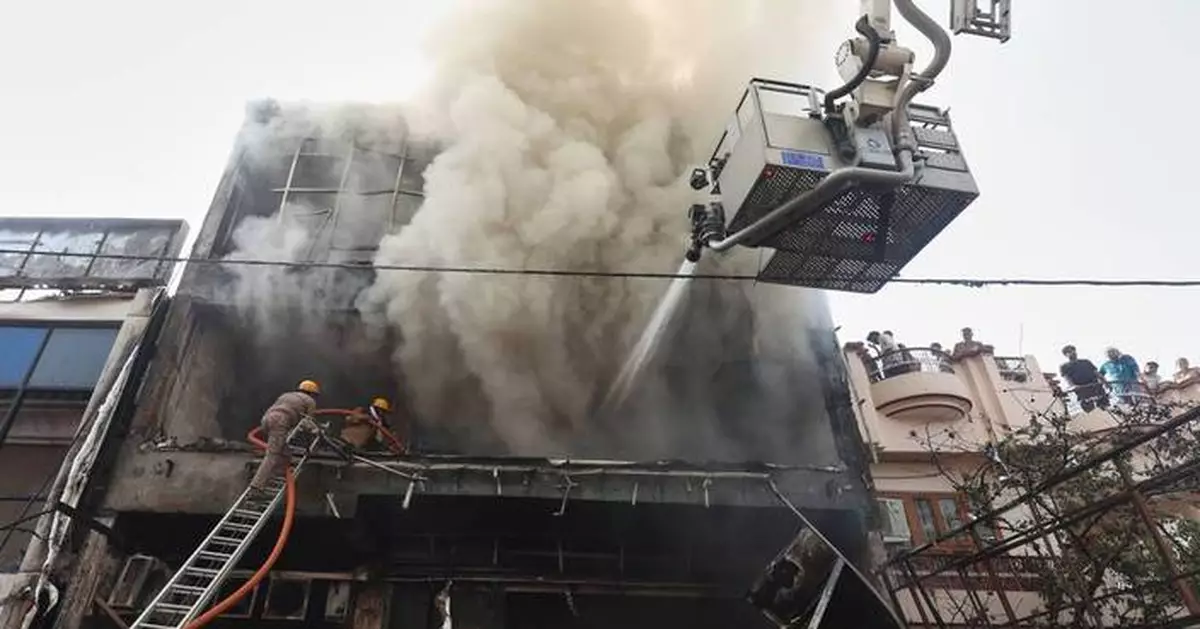
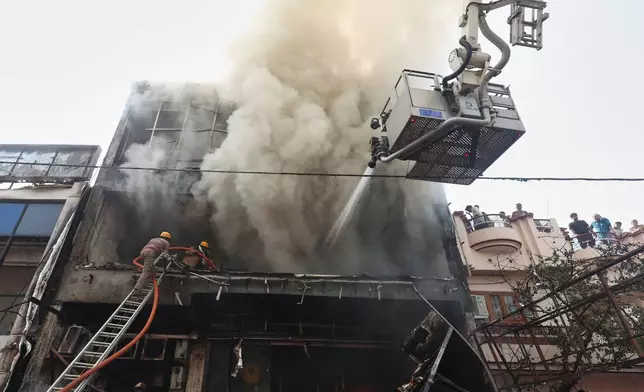
LUCKNOW, India (AP) — A fire tore through a commercial building in the northern Indian city of Lucknow on Monday, killing at least 14 people, most of them students, officials said.
The blaze broke out in the Aliganj neighborhood in a building that housed a pet shop and veterinary clinic on the lower floors and a study center and an animation studio above.
Click to Gallery
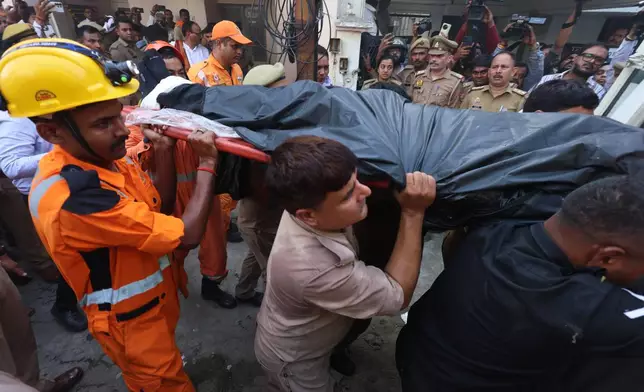
Rescue workers carry a victim on a stretcher after a fire broke out at a coaching centre in Lucknow, India, Monday, June 22, 2026. (AP Photo/Sumit Kumar)
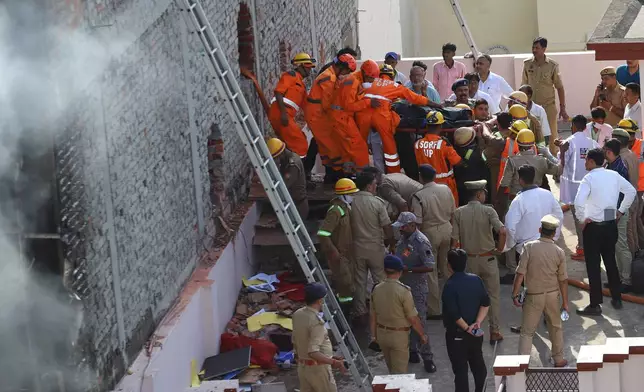
Firefighters carry a victim on a stretcher after a fire broke out at a coaching centre in Lucknow, India, Monday, June 22, 2026. (AP Photo/Sumit Kumar)
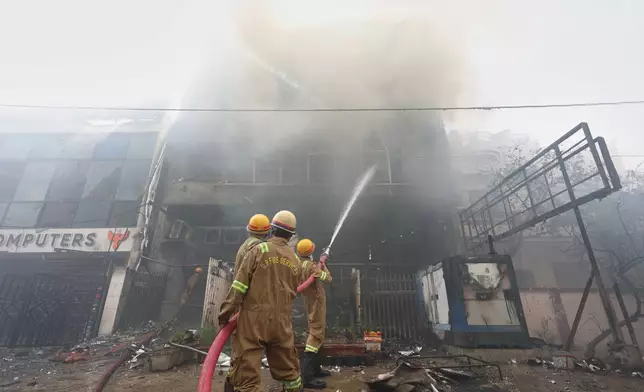
Firefighters douse a fire that broke out at a study centre in Lucknow, India, Monday, June 22, 2026. (AP Photo/Sumit Kumar)
Firefighters work to put out a fire in a commercial building in Lucknow, India, Monday, June 22, 2026. (AP Photo/Sumit Kumar)
Uttar Pradesh Deputy Chief Minister Brajesh Pathak said 14 bodies had been recovered at the site. At least 10 people were rescued and taken to a hospital for treatment, officials said.
The cause of the fire was not immediately known.
Videos on social media showed people climbing out of broken windows. One video appeared to show a man falling from an upper floor while trying to escape. Local media said he survived and was hospitalized.
Officials said firefighters had to force their way into the building by breaking through a rear wall after dense smoke hampered rescue efforts. They said exhaust fans were brought in to clear the smoke while emergency crews searched rooms and washrooms for survivors.
Mohammad Asin, an employee at the animation studio, said workers had just returned from lunch when they were alerted to the fire.
“At first we thought it was a small fire. By the time we tried to leave, smoke had filled the rooms and passageways," he said.
Deadly fires are common in India, where building laws and safety norms are often flouted by builders and residents.
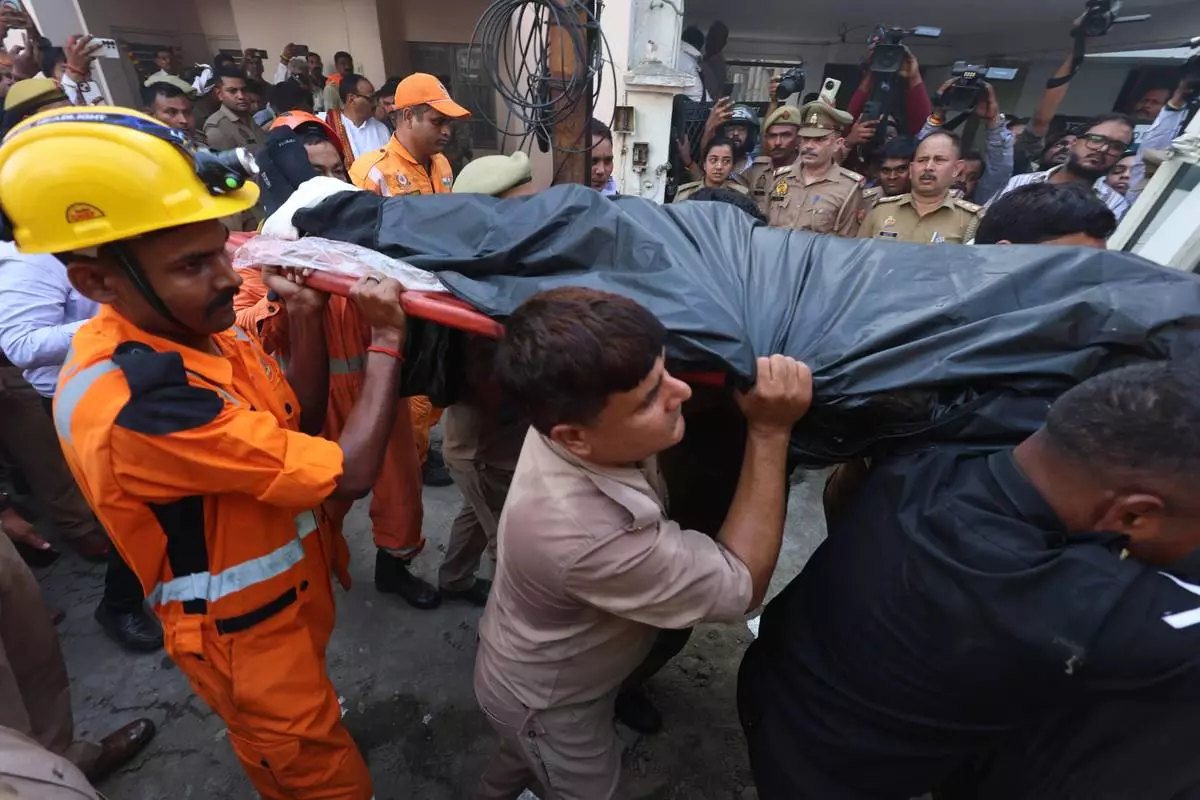
Rescue workers carry a victim on a stretcher after a fire broke out at a coaching centre in Lucknow, India, Monday, June 22, 2026. (AP Photo/Sumit Kumar)
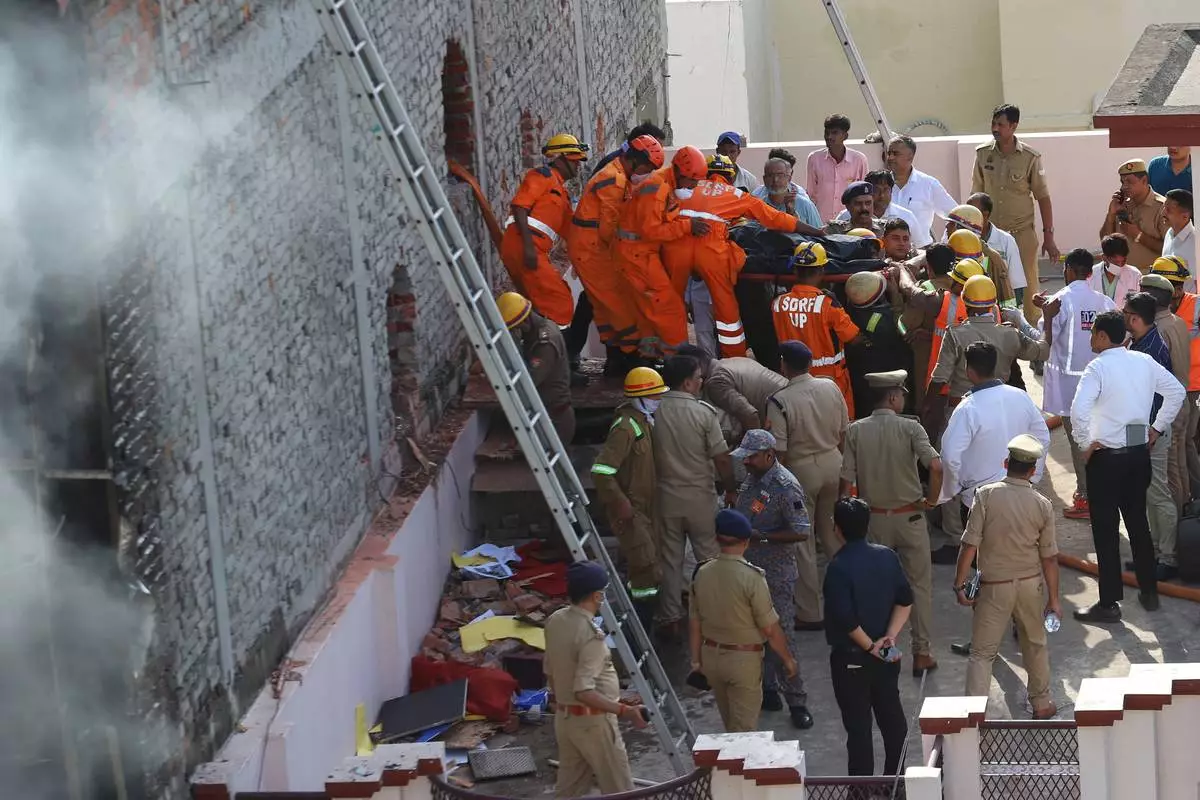
Firefighters carry a victim on a stretcher after a fire broke out at a coaching centre in Lucknow, India, Monday, June 22, 2026. (AP Photo/Sumit Kumar)
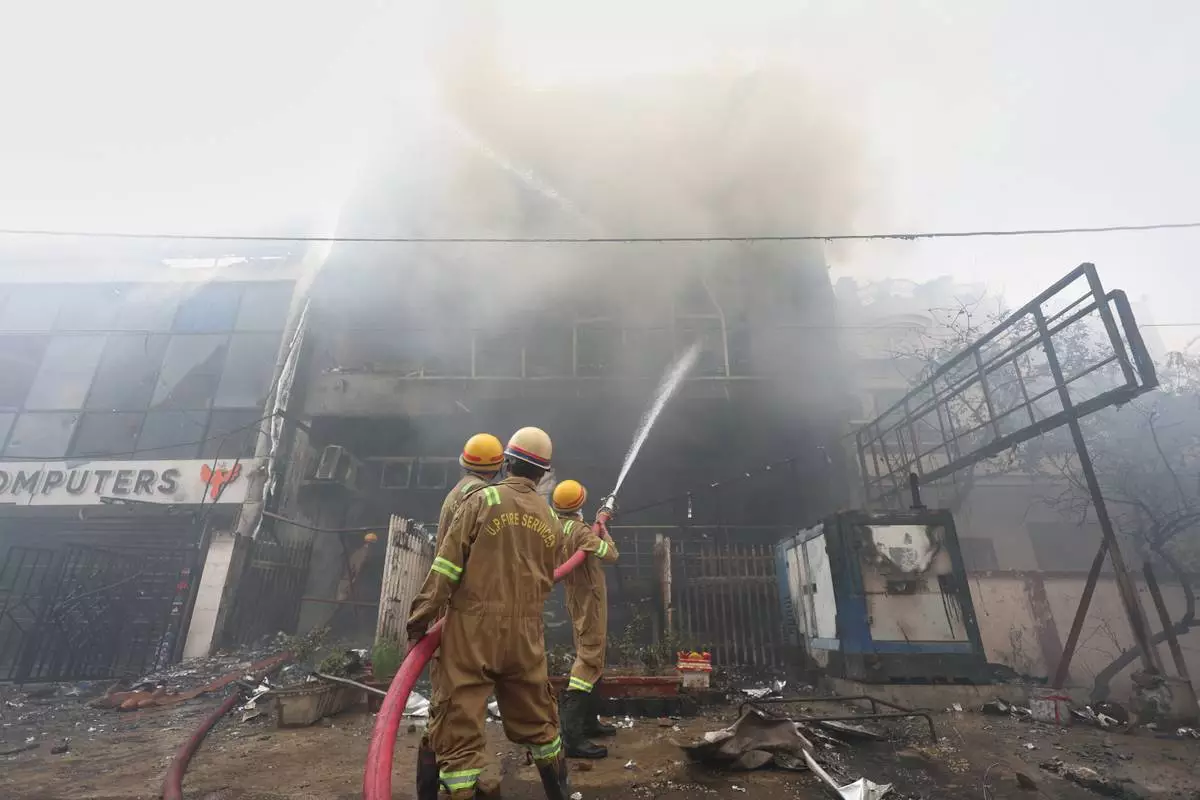
Firefighters douse a fire that broke out at a study centre in Lucknow, India, Monday, June 22, 2026. (AP Photo/Sumit Kumar)
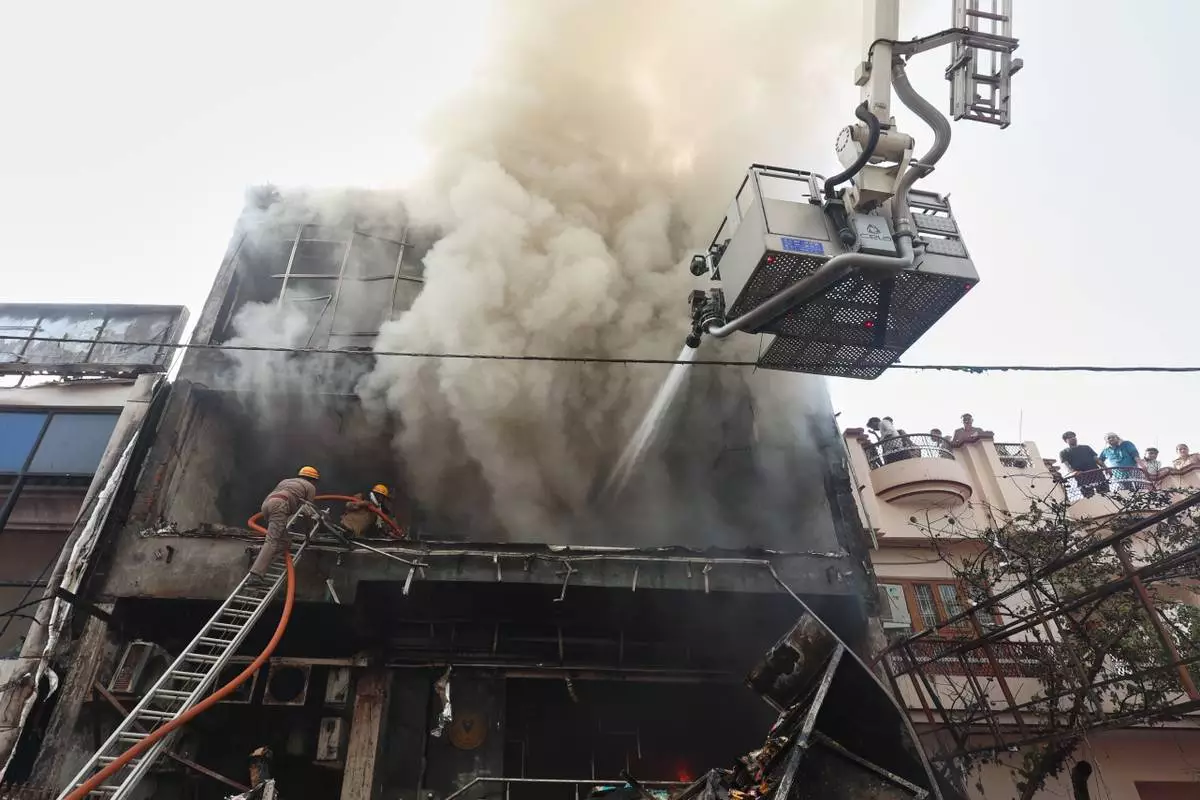
Firefighters work to put out a fire in a commercial building in Lucknow, India, Monday, June 22, 2026. (AP Photo/Sumit Kumar)
ALBUQUERQUE, N.M. (AP) — Jim Mustian reported and co-wrote an Associated Press story that revealed the U.S. Drug Enforcement Administration permitted hundreds of thousands of fentanyl pills to be distributed in New Mexico as part of an effort to build bigger federal prosecutions.
Mustian, along with AP journalist Joshua Goodman, reviewed hundreds of internal DEA records and interviewed current and former agents, including a whistleblower who claims his agency gambled with public safety and violated U.S. Justice Department rules about seizing the dangerous synthetic opioid. The White House last year designated fentanyl as a “ weapon of mass destruction.”
This is an interview of Mustian by Del Quentin Wilber, who edited the story.
Goodman, my AP colleague, first spotted the whistleblower complaint accusing the DEA of allowing fentanyl to hit the streets of New Mexico. The report was sent to the White House in September but escaped media attention at the time.
As government records often go, it was heavily redacted to shield not only the whistleblower’s identity but the amount of fentanyl that was not seized.
There was a critical oversight in the government’s redactions. I noticed that the whistleblower’s name ended in an “l” — a single letter that, for some reason, was missed by the black marker.
I sent a flurry of messages on LinkedIn to DEA agents whose named ended in “l” and had worked in Albuquerque. One afternoon in March, I was at my desk when I received a response from an agent who connected me to the whistleblower, David Howell. A couple weeks later I flew to New Mexico and met with Howell.
The simple answer: the sheer potency and lethality of fentanyl. In its “One Pill Can Kill” campaign, the DEA warns that just a couple of milligrams — an amount that would fit on the tip of a pencil — is enough to kill the average adult. Nowadays with fentanyl, we’re usually talking about counterfeit pills designed to mimic name-brand painkillers. The pills are almost always manufactured by cartels in Mexican labs and contain an unknown amount of fentanyl.
Our reporting highlighted the example of a 2023 fentanyl shipment that DEA agents monitored — but did not seize — at an Albuquerque mobile home park. Agents gathered such detailed intelligence that they wrote in their investigative report that 74,000 pills had been delivered. Howell told me that decision, which came as fatal overdoses hit their peak around the country, was akin to “providing one fentanyl pill to each person at a football stadium.”
Federal officials defended the decision to not seize the drugs.
Alex Uballez, the U.S. attorney in Albuquerque at the time, acknowledged that authorities sometimes “walk" drugs in the name of catching an ultimately “bigger fish” — an approach he said saves more lives than attempting to interdict every shipment.
The DEA said in a statement that “public descriptions suggesting that DEA knowingly permitted fentanyl to reach communities are false and fundamentally mischaracterize the facts.” Spokesperson Amanda Wozniak wrote in an email that “the investigative decisions at issue were lawful, reasonable under the circumstances and consistent with Department guidance.”
This story highlights the enormous gulf between what law enforcement does with taxpayer resources and what the public knows — or is supposed to know — about those activities. That’s true even in something as consequential as the drug war. Federal agents enjoy enormous discretion and make decisions every day that affect public safety.
In many instances, the government asks us to simply trust it’s doing the right thing. Indeed, the records we uncovered would not have been released under the Freedom of Information Act. These records and interviews with Howell revealed the complexity of these investigations that we rarely see. Even as Howell’s complaint was raising serious concerns about allowing fentanyl to reach drug users, DOJ rewrote its non-public rules to afford law enforcement more discretion in deciding whether to seize the deadly painkiller.
Howell, a 19-year veteran of DEA, filed a formal whistleblower in late 2023 with the Office of Special Counsel, a government agency that protects whistleblowers. He submitted DEA reports, emails and text messages, including one in which colleagues discussed a 100,000-pill transaction they witnessed but chose not to stop.
The OSC was initially so concerned that it found a “substantial likelihood of wrongdoing” and took the unusual step of asking the Justice Department to investigate.
The Justice Department’s Office of Professional Responsibility, a kind of internal affairs office, found in 2024 that the DEA and U.S. attorney’s office had made reasonable decisions in deciding to allow drugs to go unseized and that their inaction posed no “specific danger to public health.”
Howell and other critics said internal investigators overlooked the question of whether DEA permitted massive amounts of fentanyl to hit the streets.
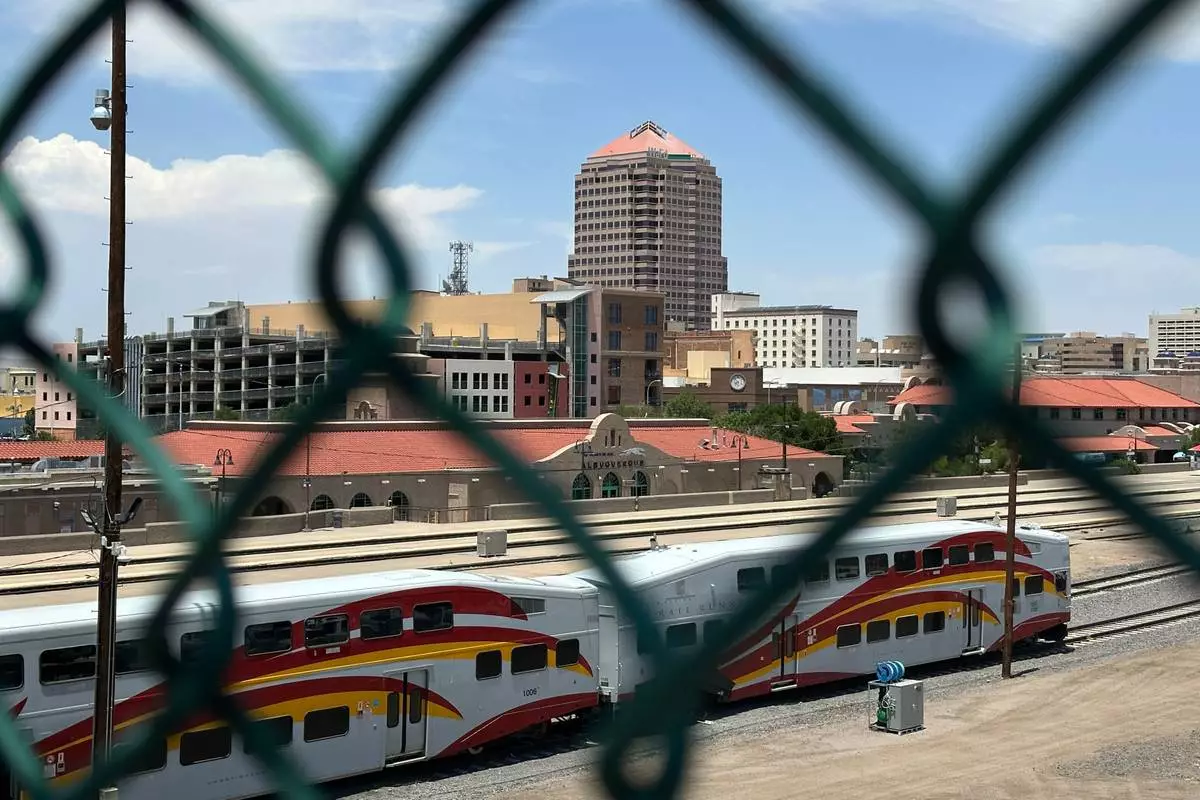
The tallest building in downtown Albuquerque, N.M., which houses the U.S. attorney's office, is seen beyond a chain link fence on Friday, June 12, 2026. (AP Photo/Susan Montoya Bryan)
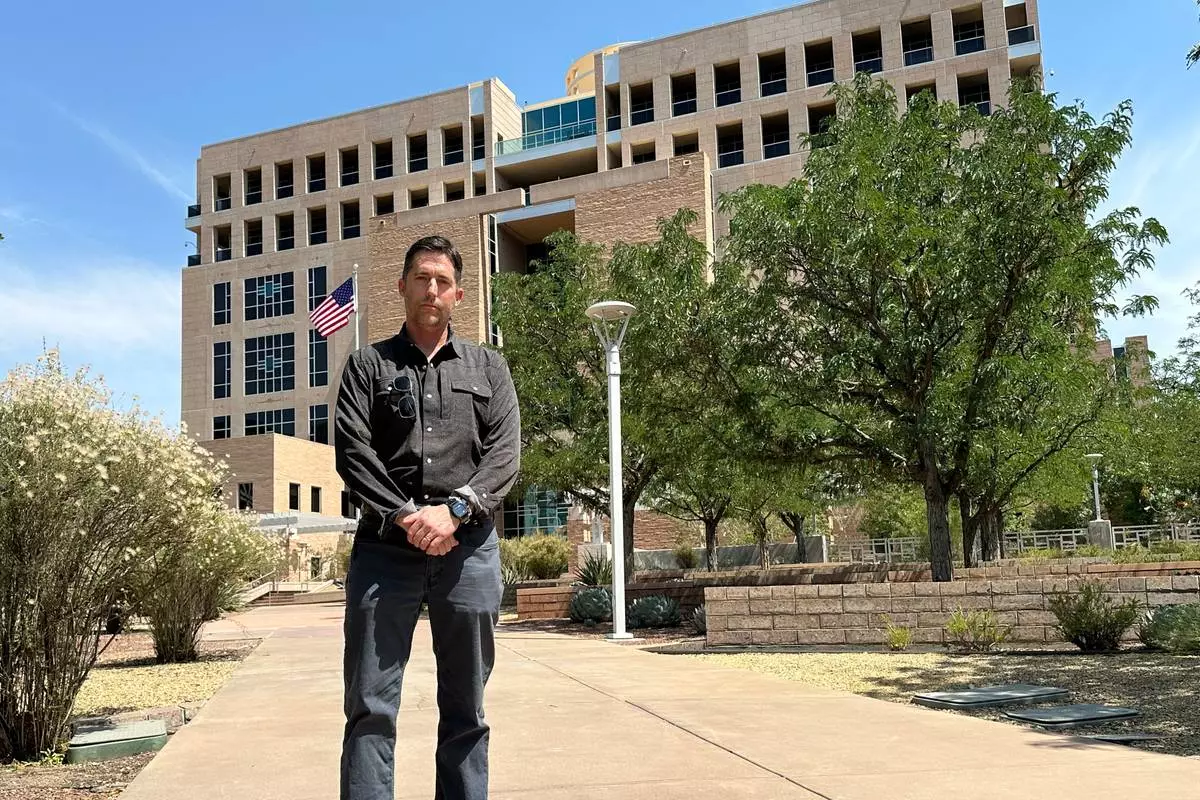
DEA Special Agent David Howell, who filed a whistleblower complaint, stands outside the U.S. district courthouse in Albuquerque, N.M., on Friday, June 12, 2026. (AP Photo/Susan Montoya Bryan)
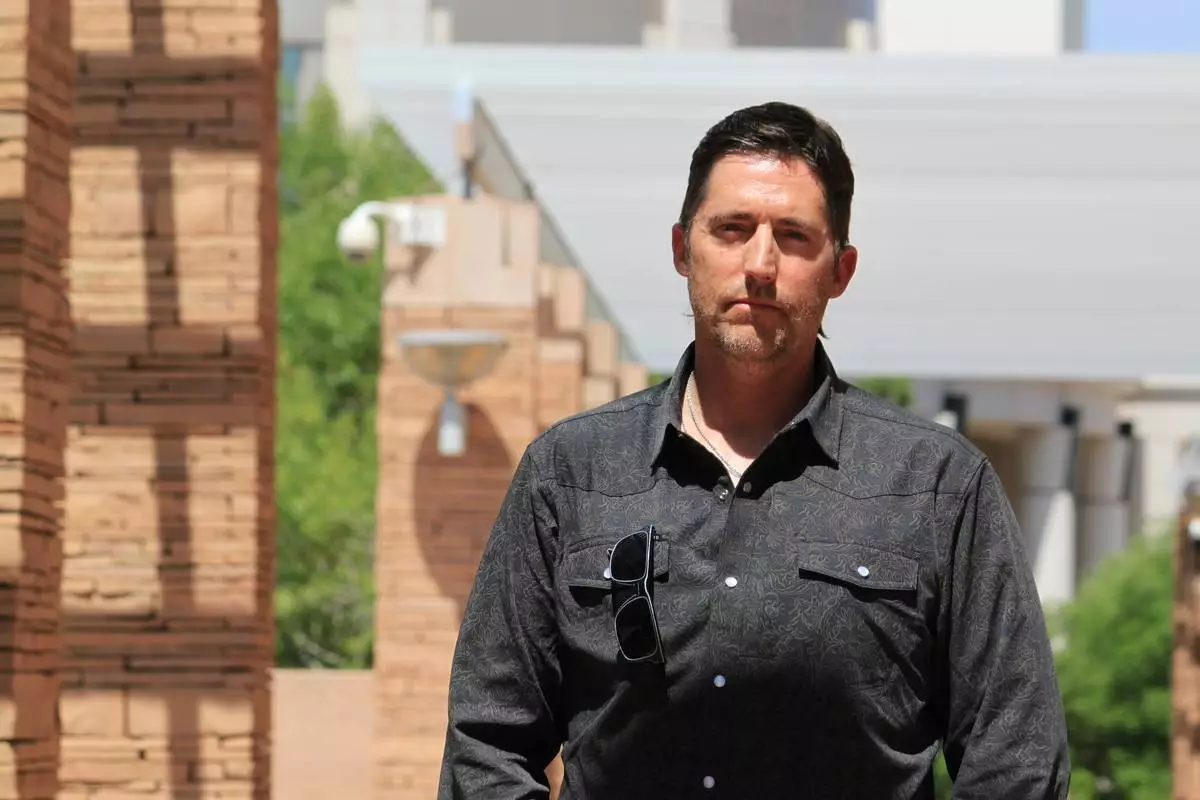
DEA Special Agent David Howell, who filed a whistleblower complaint, poses for a portrait outside the U.S. district courthouse in Albuquerque, N.M., on Friday, June 12, 2026. (AP Photo/Susan Montoya Bryan)
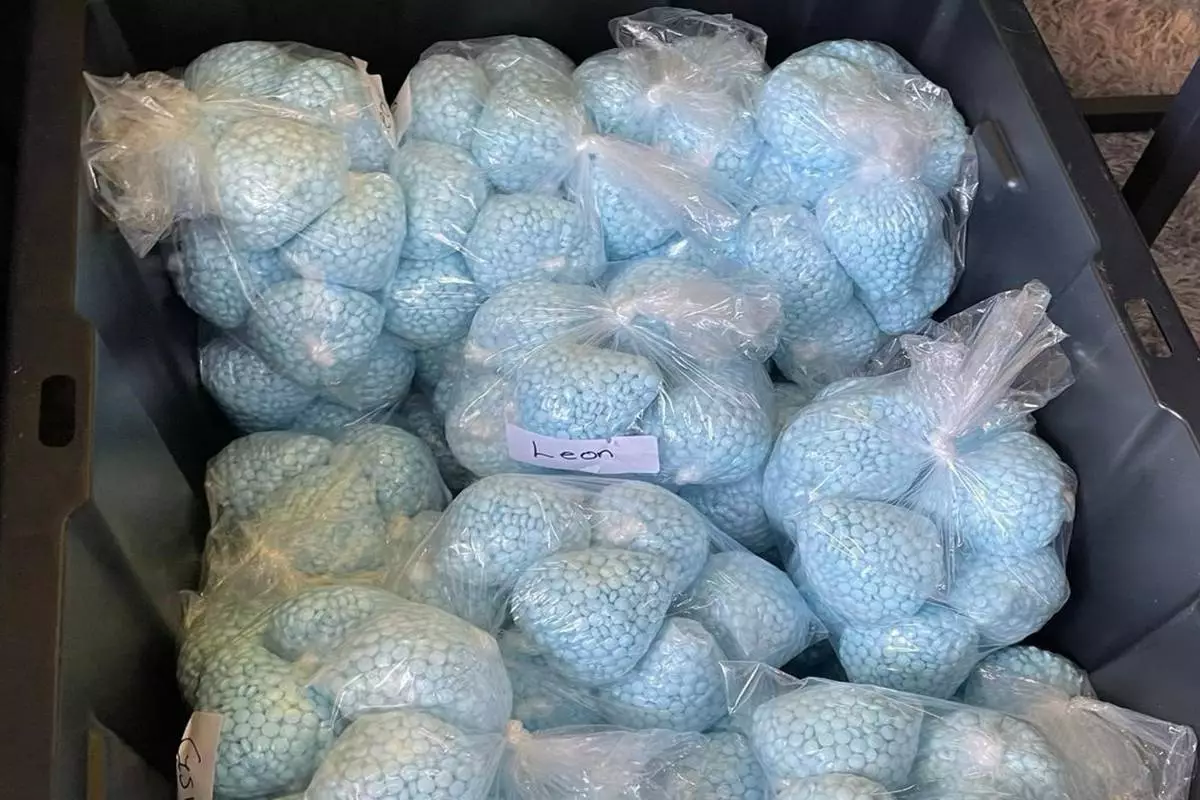
This photo provided by the U.S. Drug Enforcement Administration shows pills containing fentanyl which were seized by the DEA in New Mexico, on April 28, 2025. (DEA via AP)