The International Maritime Organization (IMO) on Tuesday announced an evacuation plan for more than 11,000 seafarers still stranded in the Strait of Hormuz.
The IMO has secured the necessary safety guarantees and verified safe navigation conditions to support the evacuation operation, IMO Secretary-General Arsenio Dominguez said in a statement.
The operation follows the signing of a memorandum of understanding between Iran and the United States, and will be carried out in close cooperation with Iran, Oman, other countries in the region, and the international maritime industry, Dominguez said.
Dominguez welcomed the peace agreement between Iran and the United States, saying it marks a decisive step toward restoring maritime security and ending attacks against civilian shipping, after months of conflict that have caused hardship for thousands of seafarers and disrupted global trade.
Moreover, Dominguez reaffirmed the organization's commitment to ensuring the safety of seafarers and the continuity of global trade
In the early hours of Wednesday, Oman issued a statement saying that, in view of its responsibility for the Strait of Hormuz and the waterway's significance to the global economy, and on the basis of observing international law and the UN Convention on the Law of the Sea, it has coordinated with the IMO to open a temporary sea lane for all vessels through the strait, in light of the outcomes of U.S.-Iran negotiations and mediation efforts.
According to the arrangement, the temporary channel will operate along coordinates released by the IMO and Omani authorities, and ships planning to use the lane are required to coordinate in advance with the IMO.
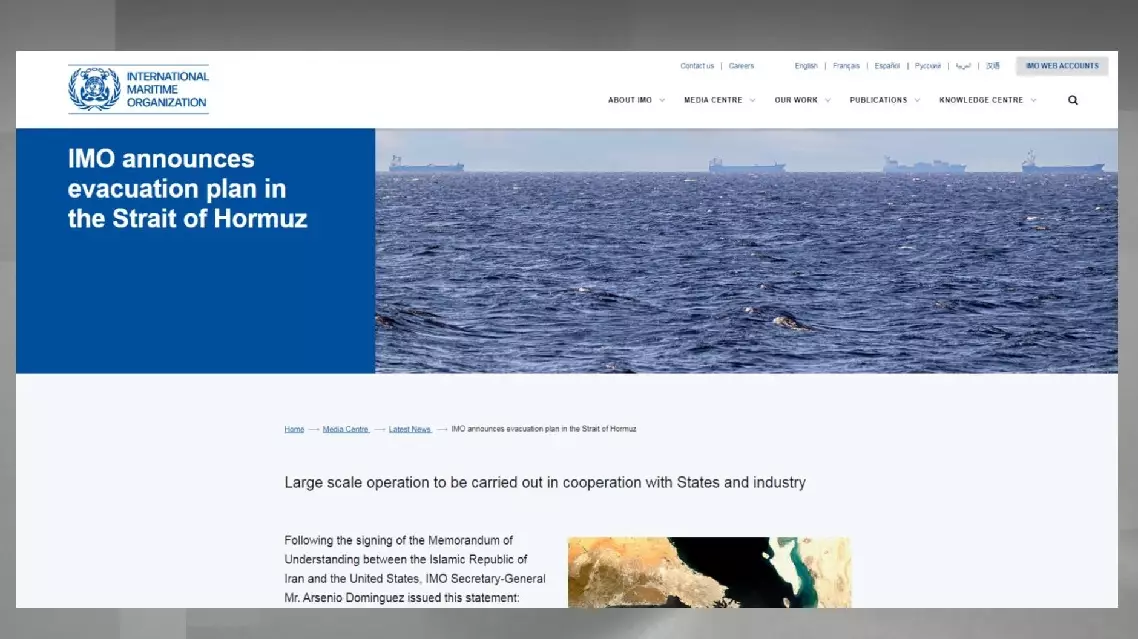
IMO to open temporary Hormuz passage, evacuate stranded crew with relevant parties
China's summer grain procurement has entered its peak season, with cumulative purchases exceeding 30 million tons nationwide, the National Food and Strategic Reserves Administration said on Tuesday.
During this year's peak season, the country's wheat procurement volume is expected to reach about 100 million tons, the same level as last year.
Procurement is progressing across all regions. Premium wheat varieties are selling well at higher prices than standard wheat, reflecting demand for high-quality commodities, the administration said.
"Currently, the average purchase price of wheat in major producing areas stands at 1.21 yuan per jin (about 0.36 U.S. dollars per kg), while the purchase price for high-quality varieties can fetch an additional 0.1 yuan more per jin. This additional pricing for high-quality grain has effectively motivated farmers to grow and sell better-quality grain," said Luo Shouquan, head of the grain reserves department under the National Food and Strategic Reserves Administration.
Major grain purchasing depots across China are stepping up their application of intelligent equipment to expedite the handling and storage of newly harvested grain.
In central China's Henan Province, a China Grain Reserves Group (Sinograin) depot has adopted a hydraulic unloading system that allows the grain to flow smoothly from the transport truck onto the conveyor belt by gravity.
For a group of four warehouse workers, the new system reduces the grain unloading labor time from nearly two hours to about 20 minutes.
"The grain quality inspection process is fully automated and very quick. We can make several more grain transportation trips in one day, which increases our income," said Liu Xiaofei, a local farmer.
This year, the peak summer grain purchasing period is expected to run through the end of September, and various regions have prepared storage capacity totaling 110 million tons in preparation. The Agricultural Development Bank of China has initially allocated 150 billion yuan (about 22 billion U.S dollars) in dedicated credit funds.
"Next, we will coordinate efforts to ensure market-based procurement and policy-driven storage, continuously strengthen market monitoring and early warning mechanisms, improve contingency plans for extreme weather, and enhance post-harvest services such as grain drying and cleaning to ensure stable market operations and smooth channels for farmers to sell their grain," said Luo.
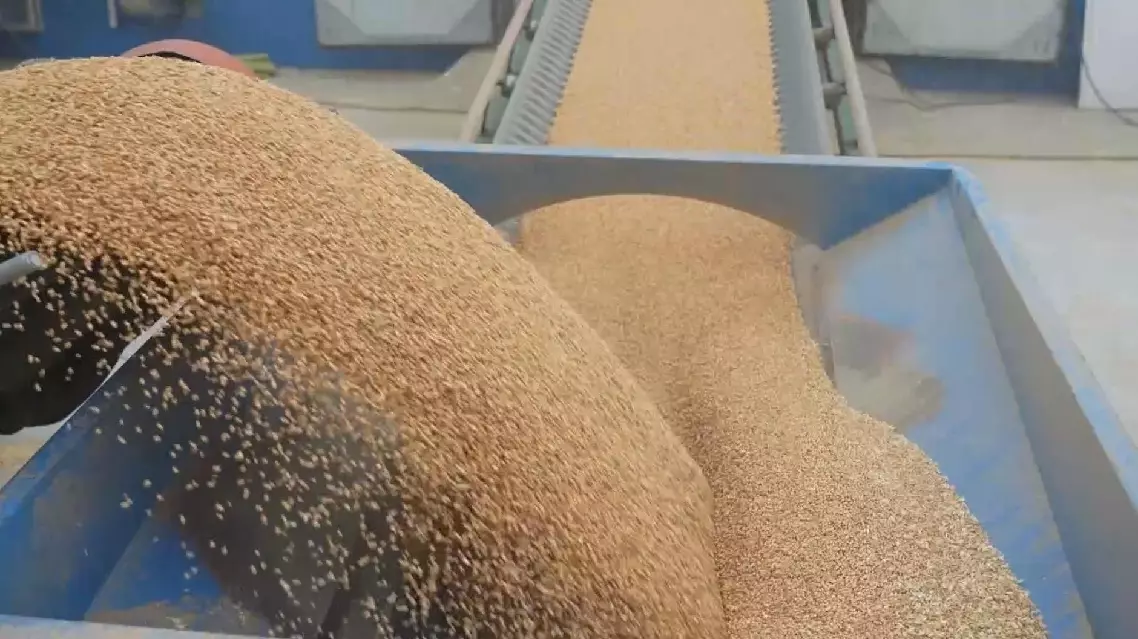
China's summer grain procurement surpasses 30 mln tons