With the increasing life expectancy of cats and dogs in Hong Kong, health management and end-of-life care for elderly pets are becoming increasingly important issues for owners. Bastille Post interviewed Dr. Florence Chan, Secretary of Hong Kong Veterinary Association (HKVA), Prof. Jane Yu, Specialist in Small Animal Medicine of CityU Veterinary Medical Centre, Dr. Olivia Fong, Chief Veterinary Surgeon (Wanchai) of SPCA, and Ms. Emily Chow, Deputy Chief Executive of OneDegree HK, to summarize the common causes of death in cats and dogs in Hong Kong, key points of daily monitoring, and considerations related to euthanasia.
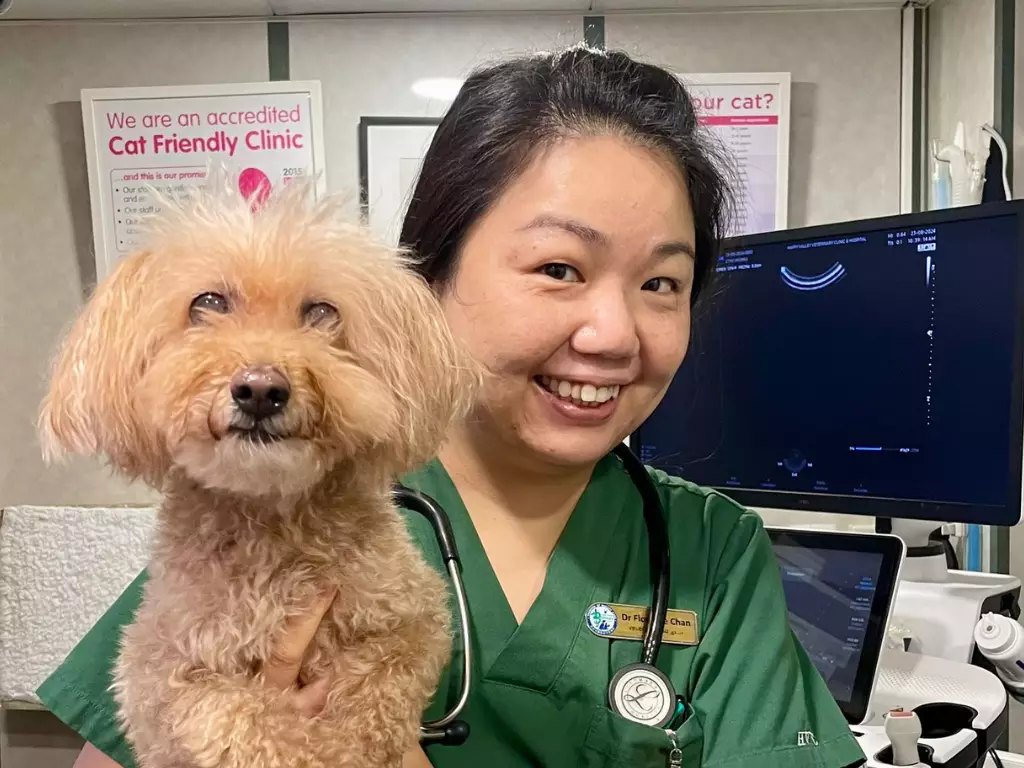
Dr. Florence Chan, Secretary of Hong Kong Veterinary Association (HKVA) and Veterinarian of Happy Valley Veterinary Clinic & Hospital, Photo by Bastille Post
Dr. Florence Chan, Secretary of Hong Kong Veterinary Association (HKVA) and Veterinarian of Happy Valley Veterinary Clinic & Hospital, believes that the average lifespan of cats and dogs in Hong Kong is showing an increasing trend, similar to the longevity trend in human society. In comparison, about 20 years ago, living to an average age of 14 years in Hong Kong was quite remarkable; now, living to 16 years is more common, and even dogs living to 17 or 19 years old are no longer uncommon.
Click to Gallery
Dr. Florence Chan, Secretary of Hong Kong Veterinary Association (HKVA) and Veterinarian of Happy Valley Veterinary Clinic & Hospital, Photo by Bastille Post

Prof. Jane Yu, Clinical Assistant Professor of CityU and Specialist in Small Animal Medicine of CityU Veterinary Medical Centre, Photo by Bastille Post

Ms. Emily Chow, Deputy Chief Executive of OneDegree HK, Photo by Bastille Post
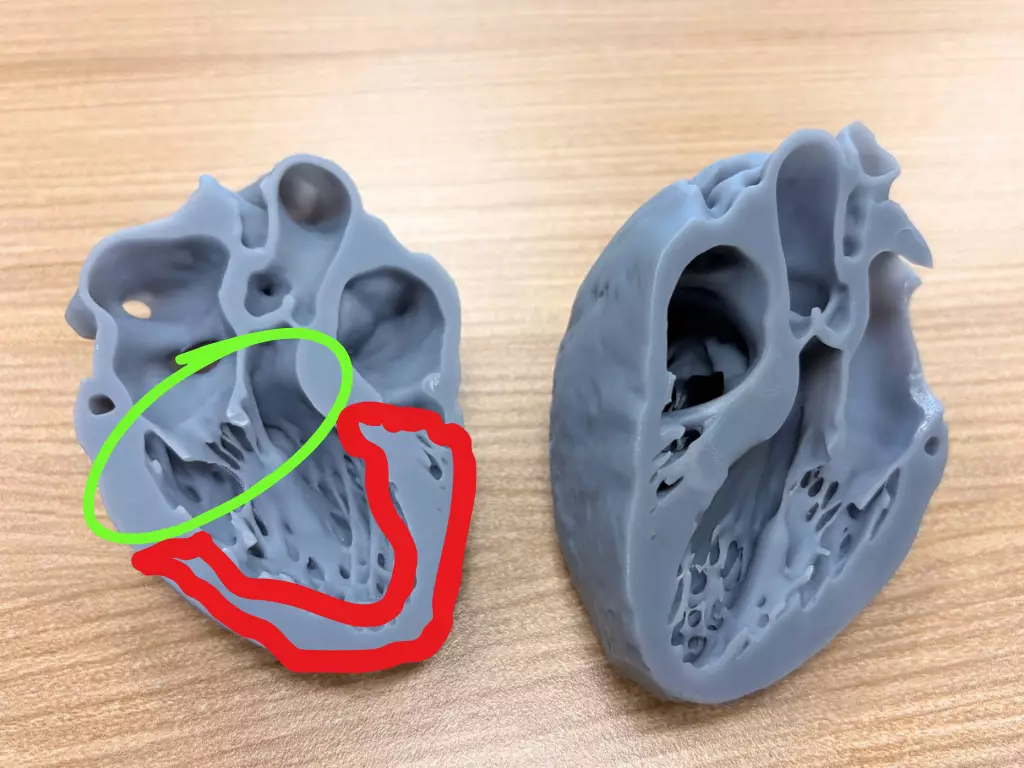
The green circle marks the location of the mitral valve in cats and dogs, while the red section indicates the areas where myocardial hypertrophy commonly occurs. Professor Yu pointed out that the most common heart disease in dogs is mitral valve disease, whereas in cats, hypertrophic cardiomyopathy is the most frequently diagnosed condition. Photo by Bastille Post
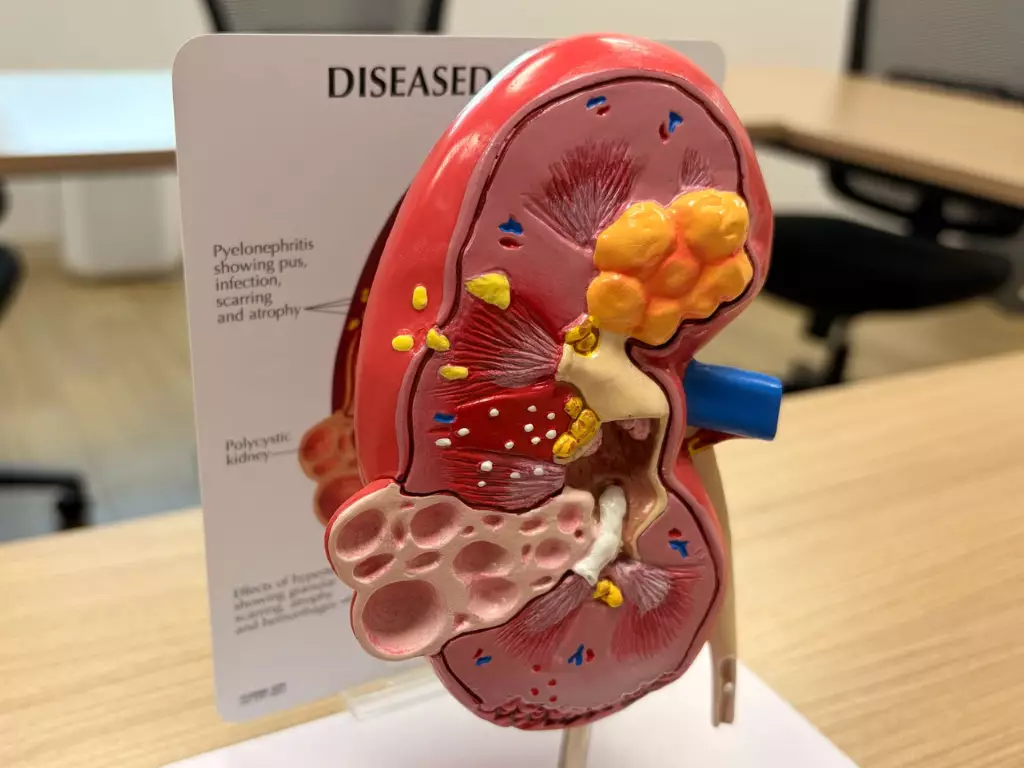
Professor Yu explained that kidney disease cannot be fully cured. One of its characteristics is that when one part of the kidney is damaged, the remaining healthy parts compensate by taking on more work, which over time places an increasing burden on those healthy areas. Photo by Bastille Post

Dr. Olivia Fong, Chief Veterinary Surgeon (Wanchai) of SPCA, Photo by Bastille Post

With the increasing life expectancy of cats and dogs in Hong Kong, health management and end-of-life care for elderly pets are becoming increasingly important issues for owners. Photo by Bastille Post

According to Prof. Yu, since pets cannot express how much they suffer, owners need to make decisions for them, and these decisions should be based on "what they want." Photo by Bastille Post
Top 3 Causes of Natural Death in Hong Kong's Pets
Dr. Chan stated that the three most common causes of natural death in cats and dogs in Hong Kong are: 1. Heart disease, 2. Kidney disease, and 3. Cancer, which includes bone cancer, stomach cancer, liver cancer, and lung cancer. Cancer cells in the liver and lung cancer can spread to other parts of the body, leading to worsening of the condition and making treatment more difficult.
Prof. Jane Yu, Clinical Assistant Professor of CityU and Specialist in Small Animal Medicine of CityU Veterinary Medical Centre, pointed out that cats and dogs, unlike humans, cannot clearly express discomfort. Many diseases have very subtle early symptoms, often not showing significant signs until organ function is significantly affected. Therefore, many cases of tumors and liver and kidney diseases are discovered in their late stages, resulting in fewer treatment options and potentially rapid disease progression. Treatment is mostly focused on managing the disease rather than curing it.
Prof. Jane Yu, Clinical Assistant Professor of CityU and Specialist in Small Animal Medicine of CityU Veterinary Medical Centre, Photo by Bastille Post
Prof. Yu stated that kidney disease cannot be fully cured; one characteristic is that when one part of the kidney is damaged, the other parts will compensate by taking on more work, which over time increases the burden on the healthy parts of the kidney, and kidney function may still gradually deteriorate.
Regarding heart disease, Prof. Yu pointed out that the most common disease in dogs is mitral valve disease, while the most common in cats is hypertrophic cardiomyopathy. She admitted that heart disease also cannot be fully cured, and treatment mainly involves medication to control the condition and reduce breathing difficulties caused by heart failure. In the late stages of heart disease, heart failure is likely to occur, with the most typical clinical manifestation being difficulty breathing. Once heart failure is diagnosed, long-term use of diuretics or other heart medications is usually required. She mentioned that one of the fatal causes of heart failure is pulmonary edema, which works on the same principle as drowning, causing cats and dogs to suffocate and die.
Ms. Emily Chow, Deputy Chief Executive of OneDegree HK, Photo by Bastille Post
Ms. Emily Chow, Deputy Chief Executive of OneDegree HK (the first virtual insurer in Hong Kong), stated that according to OneDegree's comprehensive statistics, the three main causes of death for cats and dogs in Hong Kong are heart disease, oncology, and kidney disease. She pointed out that while it's common knowledge that "nine out of ten cats have kidney disease," and kidney disease is considered the leading cause of death in cats, dogs can also suffer from it. She admitted that death claims account for a very low percentage of the corporation's overall claims, less than 1%; conversely, accidental ingestion of foreign objects and urinary tract problems in cats and dogs are the most common causes of claims in Hong Kong.
In addition to regular checkups and dietary adjustments, what can owners do for their pets in daily life to address these health threats? Dr. Chan emphasized that owners spend the most time with their pets each day, so the level of attention and care they provide is often more effective in detecting problems early than "occasional checkups." Owners can observe subtle changes in their pets through daily interactions, especially paying attention to whether their pet has lost weight, which can be considered a key warning sign. Secondly, owners should also pay attention to their pet's mental state, appetite, gastrointestinal condition (whether diarrhea or vomiting), whether their stools are normal, whether their water intake has suddenly increased, and whether their breathing is too rapid or their cough has increased.
Dr. Chan mentioned that if a pet has liver or gallbladder problems, owners can observe whether the pet's urine turns dark yellow, and whether its gums and the whites of its eyes turn yellow. She encourages owners to proactively ask their veterinarians about these issues. She also pointed out that pets don't cry out in pain like humans and often silently endure it; if a pet's right paw hurts, its first reaction is to avoid using its right paw, "because it feels pain and won't put its right paw on the ground."
The green circle marks the location of the mitral valve in cats and dogs, while the red section indicates the areas where myocardial hypertrophy commonly occurs. Professor Yu pointed out that the most common heart disease in dogs is mitral valve disease, whereas in cats, hypertrophic cardiomyopathy is the most frequently diagnosed condition. Photo by Bastille Post
For cats and dogs with chronic illnesses, Dr. Chan recommends a check-up approximately every three months, including examinations of the blood and heart. For healthy pets without obvious pain, she recommends at least one check-up per year, covering the eyes, ears, mouth/teeth, skin, and weight assessment.
Senior Dogs: Start Biannual Checkups from Age 7
Another veterinarian, Prof. Yu, recommends that dogs entering their senior years, around 7 or 8 years old, should have a check-up every six months, and suggests at least one blood test and a full blood test per year. She points out that changes in blood and indices can help determine if kidney failure in dogs "suddenly and rapidly" occurs, how liver indices have changed in the past, etc., increasing owners' awareness of their pets' health. She specifically mentioned that increased food intake and frequency in cats and dogs can be symptoms of illness, such as gastrointestinal diseases, hyperthyroidism, and diabetes, all of which can cause pets to eat more. If there is a domestic helper in the household, she suggested that owners should ask and cross-check: Has the pet urinated or defecated today, and is the excrement normal?
5 Signs of a Pet’s Final Days
Birth, aging, illness, and death are inevitable parts of life. If owners can recognize the critical signs their pets give early, they can more calmly accompany them on their final journey. What signs will a cat or dog show before death? Dr. Chan points out five signs that indicate a cat or dog is near death: First, the cat or dog's breathing rate remains excessively rapid even at rest; second, the cat or dog's abdomen heaves noticeably, a phenomenon known as abdominal breathing. Normally, a cat or dog's belly should not heave violently. If the abdominal muscles are clearly engaged during breathing and the abdomen heaves very noticeably, it may indicate breathing difficulties, cardiopulmonary problems, or internal organ pain; third, the cat or dog refuses to sit or lie down, opting instead to stand. When a pet is struggling to breathe, it may tend to stand to avoid chest compression or obstruction, allowing for easier breathing; fourth, the cat or dog's nostrils will widen, elongate, or straighten its neck; fifth, the cat or dog's forelimbs and elbows will flare out to expand its chest cavity and inhale more oxygen.
Dr. Chan believes the difference between cats and dogs lies in the fact that breathing difficulties in cats are less easily detected because cats rarely vocalize their discomfort like dogs. Owners must rely more on posture and breathing patterns to assess their cat's condition. She pointed out that cats may stretch their necks and widen their nostrils when they have difficulty breathing. Even when uncomfortable, cats may remain relatively calm and won't necessarily pant with their mouths wide open like dogs unless they are in great distress.
Professor Yu explained that kidney disease cannot be fully cured. One of its characteristics is that when one part of the kidney is damaged, the remaining healthy parts compensate by taking on more work, which over time places an increasing burden on those healthy areas. Photo by Bastille Post
When a pet's life is nearing its end, what criteria do veterinarians use to assess the timing of euthanasia? Dr. Chan pointed out that euthanasia for some pets is usually a decision made after careful consideration by both the veterinarian and the owner. She stated that the role of veterinarians is somewhat "passive," and they can only offer advice and analysis, helping owners, even amidst strong emotions and reluctance, to understand their pet's current "quality of life" needs. "I sometimes tell owners that deciding whether or not to euthanize their pets is both their 'right' and 'responsibility.' When it's impossible to reduce their suffering, and it's known that the pet will only continue to suffer, deciding to end their suffering is a responsibility the owner must face."
5 Quality‑of‑Life Factors for Euthanasia Decisions
Regarding the criteria veterinarians use to determine whether a pet needs euthanasia, Dr. Chan stated that veterinarians use five categories of "quality of life" to make their judgment. These include: 1. Self-feeding ability: Does the pet want to eat? 2. Bowel and bladder control: Can the pet control its urination and defecation? 3. Mobility: Can the pet move around independently and stand up on its own? 4. Willingness to interact/mental state: Is the pet willing to communicate and interact with its family? 5. Pain level: Is the pet experiencing persistent or unbearable pain?
Dr. Chan pointed out that euthanasia drugs are a type of anesthetic, with strong effects and higher dosages than those used for surgical anesthesia. After the euthanasia medication is administered, the pet's breathing and heartbeat will quickly cease. During this process, the pet will not experience pain or cry out; they may simply feel tired and sleepy. After euthanasia, the pet may convulse or urinate/defecate due to muscle relaxation.
"I strongly encourage owners to stay with their pets before euthanasia. Even if the pet is very weak, having their closest owner by their side in their final moments will make them feel at peace," said Dr. Chan. She suggested that owners pet their pets and talk to them, allowing them to pass away in a relaxed, sleep-like state.
Dr. Olivia Fong, Chief Veterinary Surgeon (Wanchai) of SPCA, Photo by Bastille Post
As for the decision to euthanize, Dr. Olivia Fong, Chief Veterinary Surgeon (Wanchai) of SPCA, admitted that a common psychological burden for owners is feeling guilty for "personally" killing their pets. She emphasized that this is a decision "jointly undertaken by the veterinarian and the owner," rather than placing the responsibility solely on the owner. The veterinarian will consider multiple factors, including the animal's compliance with the home treatment plan, the animal's quality of life, scientific evidence (blood tests, imaging), and the potential suffering after treatment, as guiding principles. She believes that in addition to considering the pet's condition, owners also need to assess whether they have sufficient time, energy, and funds to care for a seriously ill pet.
Dr. Fong mentioned that there are many medical options available, including injections, medication, and surgery, but euthanasia is also a treatment option. Its ethical core is that "pets should not suffer," and a balance must be maintained between well-being and treatment, taking it seriously. She even pointed out that the English word "euthanasia" originates from Greek, literally meaning "good death," and actually refers to allowing the pet to pass away peacefully, rather than enduring extreme suffering in its final moments.
With the increasing life expectancy of cats and dogs in Hong Kong, health management and end-of-life care for elderly pets are becoming increasingly important issues for owners. Photo by Bastille Post
Regarding the judgment and stance on euthanasia, different veterinarians will have their own considerations and emphases based on their clinical experience and communication with the owner's wishes. Prof. Yu, Specialist in Small Animal Medicine of CityU Veterinary Medical Centre, also shared her observations on the owner's decision-making process based on her clinical experience.
Prof. Yu points out that regardless of the decision an owner makes, they often feel remorse and guilt; therefore, veterinarians tell owners that "there is no right or wrong answer." Since pets cannot express how much they suffer, owners need to make decisions for them, and these decisions should be based on "what they want." She admits that in many cases, "persuading" owners to accept euthanasia is impossible; the reason is that she herself would find it difficult to make a completely rational decision in the same situation. If the owner refuses euthanasia, the veterinarian's primary task is to ensure the pet is not in pain and that painkillers or other methods are available to alleviate discomfort.
She mentions that if the disease is terminal and incurable, she will carefully assess whether the pet is suitable for discharge based on the clinical situation; the prerequisite is that its vital signs are relatively controllable and basic comfort can be maintained through medication. Under appropriate circumstances, owners can choose palliative care under the guidance of a veterinarian, with the primary goal of alleviating discomfort. Such arrangements must prioritize the pet's well-being; not all cases are suitable for home care; she will only consider this option if the pet's pain is under control and there is adequate medical support.
According to Prof. Yu, since pets cannot express how much they suffer, owners need to make decisions for them, and these decisions should be based on "what they want." Photo by Bastille Post
Prof. Yu stated that she had studied and worked in Australia, where she observed that owners often arranged for veterinarians to come to their homes or took their pets to a clinic for euthanasia. In Hong Kong, however, most owners are not fully accepting of euthanasia and prefer their pets to "pass away peacefully and naturally" at home.
She specifically mentioned a personal experience from Australia. While working there, she witnessed a veterinarian colleague euthanize a family's pet. The family's grief was so severe that the next day, the family members "completely forgot" the pet had died. They returned to the clinic to inquire about the pet's whereabouts, reflecting the profound psychological impact of a pet's death on its owner. Prof. Yu emphasized that owners should not blame themselves for any decision they make; the choices made for their pets during difficult times are essentially expressions of love.