SPIELBERG, Austria (AP) — Formula 1 drivers will carry extra cooling gear for this week’s Austrian Grand Prix after “heat hazard” rules were activated as hot weather causes disruption across Europe.
It's the first time that F1's heat rules, introduced last year, have been used for a race in Europe.
A heat hazard applies when temperatures above 31 degrees C (88 F) are forecast for race day. It can get much hotter inside the cockpit. A forecast on the F1 website dated Wednesday said the maximum temperature expected for Sunday's race was 32 C.
The declaration made Thursday by governing body the FIA means drivers either need to use cooling equipment or carry extra weight to ensure there's no competitive advantage from not using the equipment.
Drivers wear vests which pump cooling liquid through a network of tubes, linked to pumping equipment inside the car. Some drivers dislike wearing the equipment because they say it's uncomfortable or distracting.
The FIA started work on cooling technology for drivers after the Qatar Grand Prix in 2023 saw drivers require medical attention after feeling unwell in the heat.
Heat hazard rules were first used at the hot and humid Singapore Grand Prix last year and also for the United States Grand Prix in Austin, Texas.
AP auto racing: https://apnews.com/hub/auto-racing
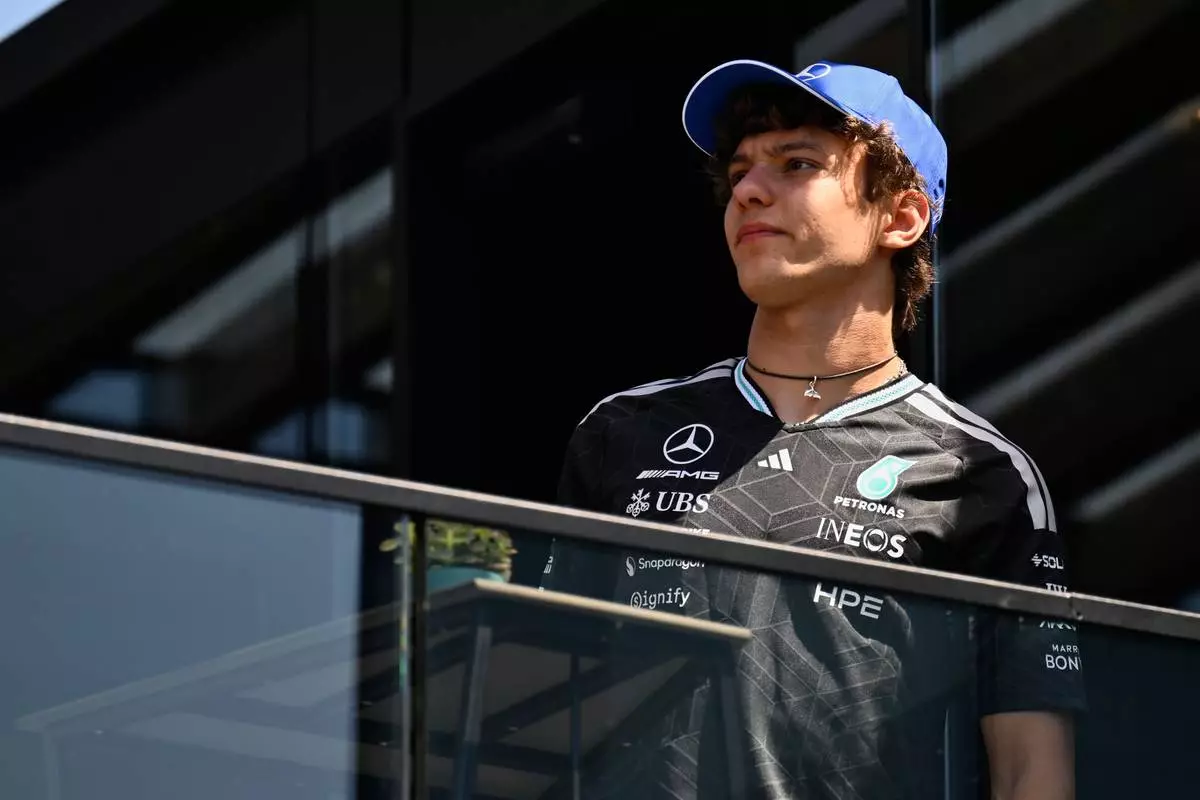
Mercedes driver Andrea Kimi Antonelli of Italy looks from a balcony before the Austrian F1 Grand Prix, in Spielberg, Austria, Thursday, June 25, 2026. (AP Photo/Denes Erdos)
MILAN (AP) — Luxury consumers are cautiously resuming purchases of apparel, handbags and cosmetics despite continued geopolitical uncertainty, fueling a likely return to modest growth in the sector this year, the Bain & Company consultancy said Thursday.
After two years of contraction, global sales of personal luxury goods are forecast to grow 2% to 4% in 2026, reaching 365 billion euros to 373 billion euros ($415 billion to $424 billion), up from 358 billion euros last year, Bain said in a semi-annual study. The recovery is expected to be led by the Americas, where some U.S. luxury brands posted first-quarter growth of as much as 15%.
“People are still alive and want to live their better lives,” said co-author Claudia D’Arpizio, a partner at Bain, considered the leading consultancy for luxury goods. “So there is this mega trend of looking for good quality of life, of improving their lives and finding the meaning and living the experiences that is stronger than the fear of the future.”
Following a consumer rebellion over steep price hikes, prices have stabilized with more entry-level offerings, and consumers are returning to the luxury arena, D’Arpizio said. She called it “a healthier situation vis-a-vis two years ago,” but added that brands will continue to have to fight to regain “customer love that has been a little bit broken in the previous years.”
The base-case scenario assumes Middle East conflicts stabilize, local spending helps to offset uneven tourist flows and demand in China gradually improves. Bain’s downside scenario calls for flat growth, while easing geopolitical tensions and accelerated growth in China could lift growth to as much as 6%.
U.S. shoppers were spending on everyday casualwear, jewelry and beauty products, with young consumers under 35 years old fueling sales.
China is forecast to return to growth, helped by online sales of ready-to-wear, while Europe is lagging due largely to a dip in tourism caused by geopolitical tensions. Even Dubai has seen locals return to stores.
“People want to live a normal life, that’s a stronger feeling,” D’Arpizio said.
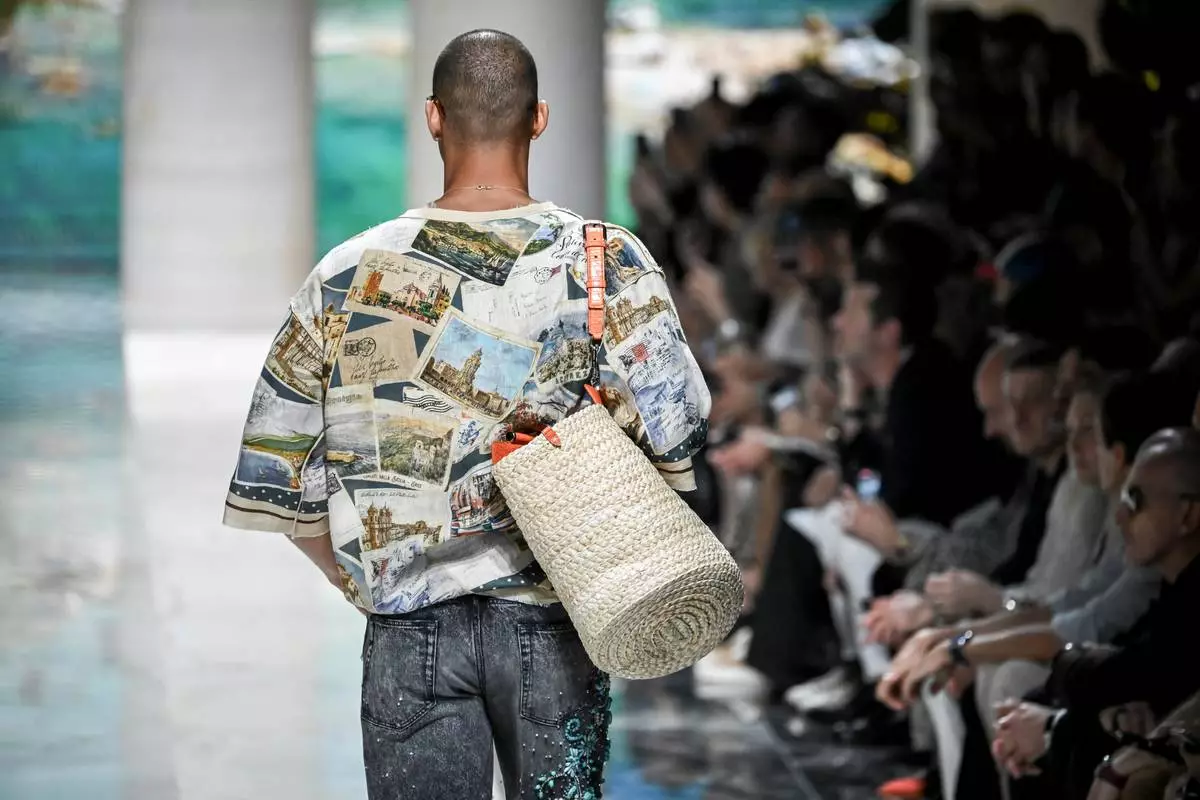
A model wears a creation from the Dolce & Gabbana Spring/Summer 2027 Men's collection presented in Milan, Italy, Saturday, June 20, 2026. (AP Photo/Nicola Marfisi)