PHILADELPHIA (AP) — Ivory Coast coach Emerse Faé slammed what he considered were racist comments made about his team by former Germany player Bastian Schweinsteiger.
Schweinsteiger made the comments on German broadcaster ARD before Germany played Ivory Coast last weekend, when he spoke about what the German players could expect from their opponents.
Click to Gallery
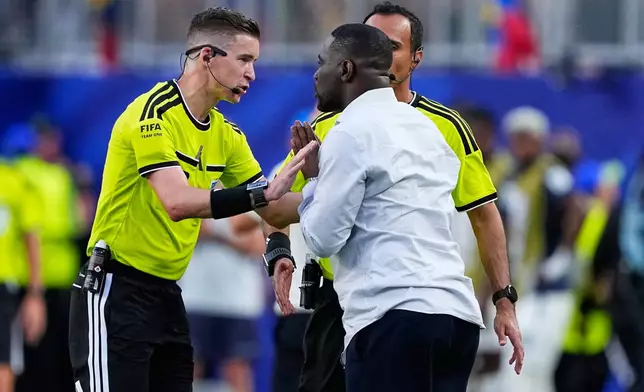
Referee Francois Letexier gestures to Ivory Coast head coach Emerse Fae during the World Cup Group E soccer match between Ivory Coast and Ecuador in Philadelphia, Sunday, June 14, 2026. (AP Photo/Petr David Josek)
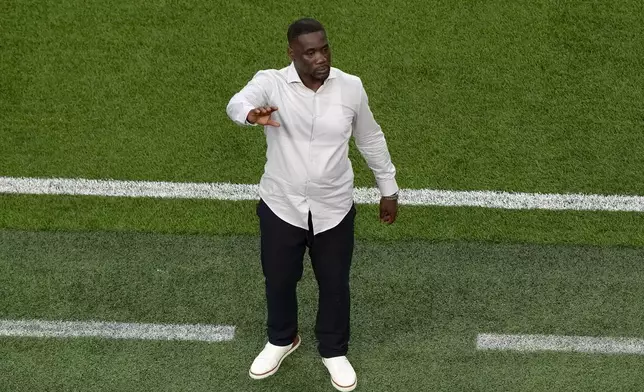
Ivory Coast head coach Emerse Fae during the World Cup Group E soccer match between Ivory Coast and Ecuador in Philadelphia, Sunday, June 14, 2026. (AP Photo/Matt Rourke)
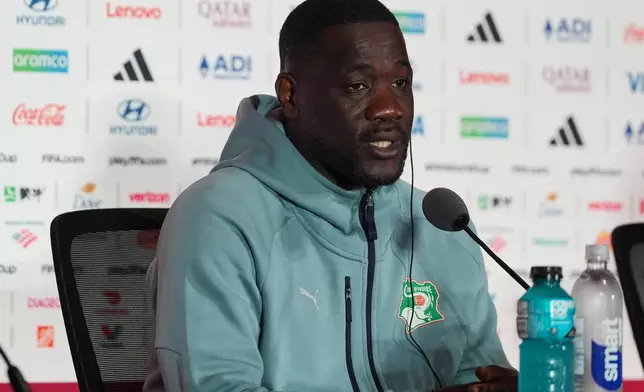
Ivory Coast head coach Emerse Fae speaks during a press conference on the eve of the team's World Cup soccer match against Germany, Friday, June 19, 2026, in Toronto. (AP Photo/Stephanie Scarbrough)
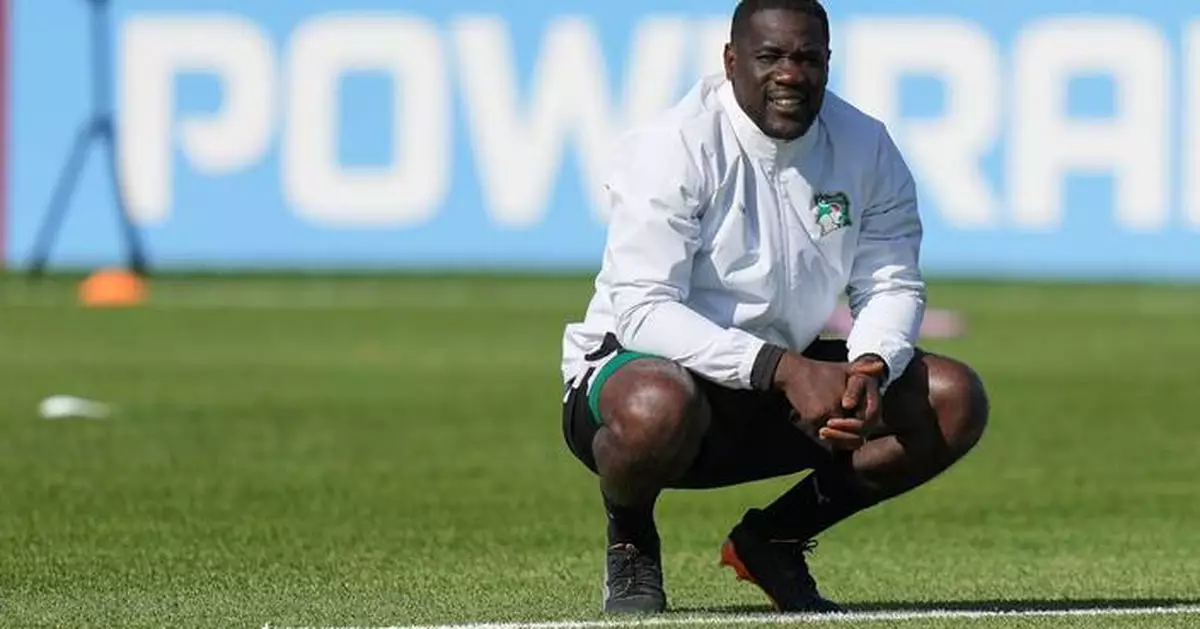
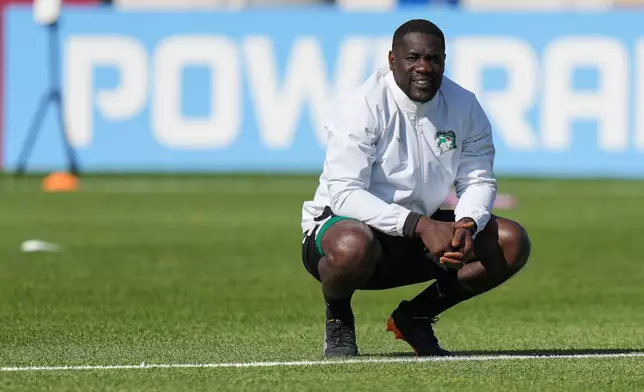
Ivory Coast head coach Emerse Fae watches a training session on the eve of the team's World Cup soccer match against Germany, Friday, June 19, 2026, in Toronto. (AP Photo/Stephanie Scarbrough)
“A bit African football, a bit unorthodox, a bit wild, a bit perhaps also not so conditioned by tactics. We have to be prepared for it to be unpredictable,” Schweinsteiger said.
Faé led Ivory Coast into the World Cup knockout round for the first time in national team history with a 2-0 win over Curaçao on Thursday.
Faé said after the win he hoped Schweinsteiger had made a “clumsy statement that's not necessarily reflective of what's in his life.”
“We could call it racist, if we were calling a spade a spade,” Faé said.
Schweinsteiger’s comments were criticized earlier this week as playing into racist stereotypes.
Sports commentator Patrick Schnitzler wrote on Instagram of “racist prejudices that we are all passing on unnoticed,” and journalist Philipp Awounou, who’s Black, wrote in Der Spiegel magazine that the characterizations played on old racist tropes rooted in colonialism. Awounou said he did not think Schweinsteiger is racist.
Faé said the West African team uses smarts and strategy to win just as much as physical toughness to advance this far in the World Cup. He questioned if Schweinsteiger was trying “to create a buzz” in his broadcast career by leaning on outdated racial tropes.
“When I heard his comment, I was disappointed,” Faé said. “Disappointed in the man. It is odd he would speak that way."
See more of AP’s World Cup coverage here
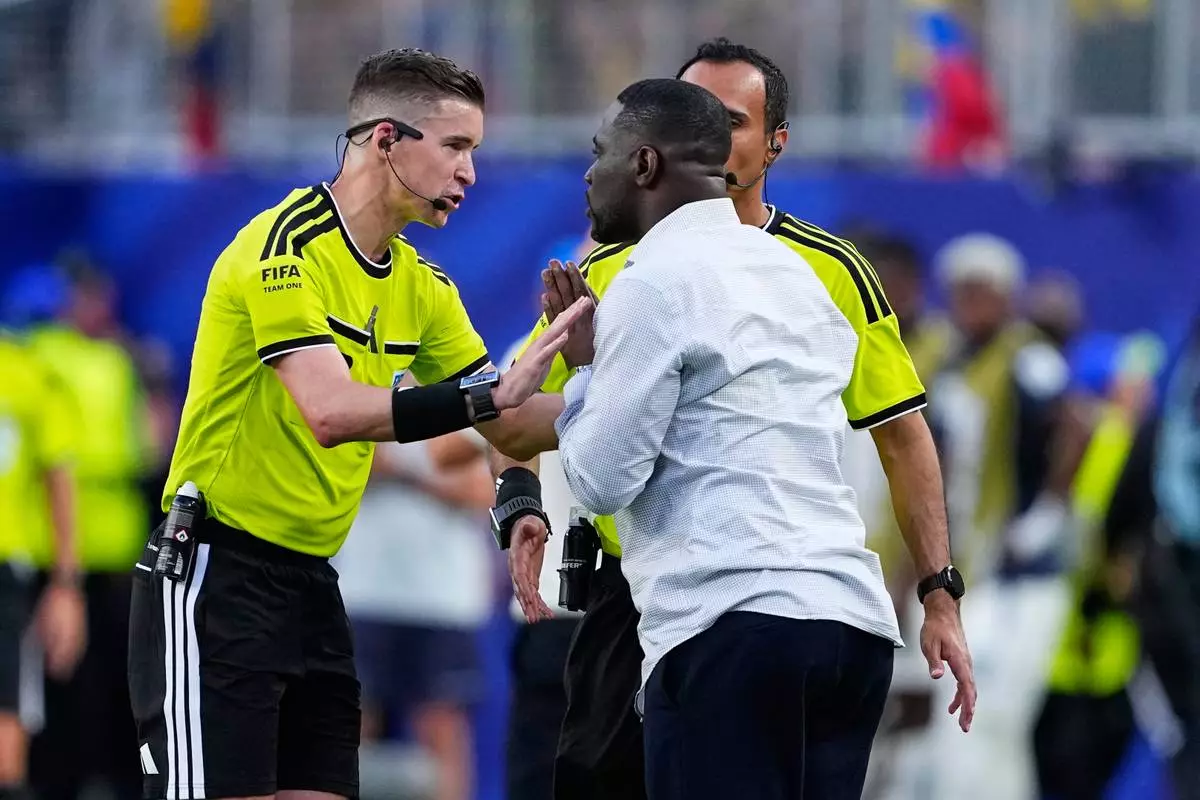
Referee Francois Letexier gestures to Ivory Coast head coach Emerse Fae during the World Cup Group E soccer match between Ivory Coast and Ecuador in Philadelphia, Sunday, June 14, 2026. (AP Photo/Petr David Josek)
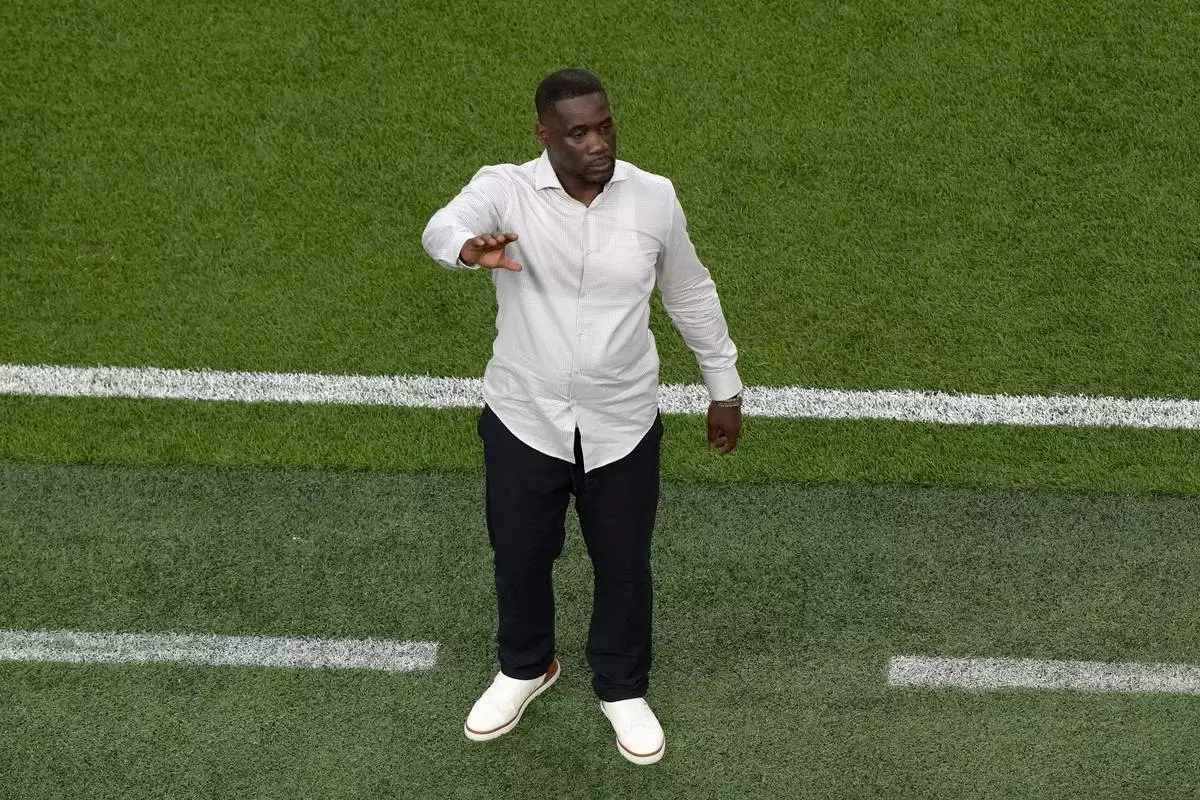
Ivory Coast head coach Emerse Fae during the World Cup Group E soccer match between Ivory Coast and Ecuador in Philadelphia, Sunday, June 14, 2026. (AP Photo/Matt Rourke)
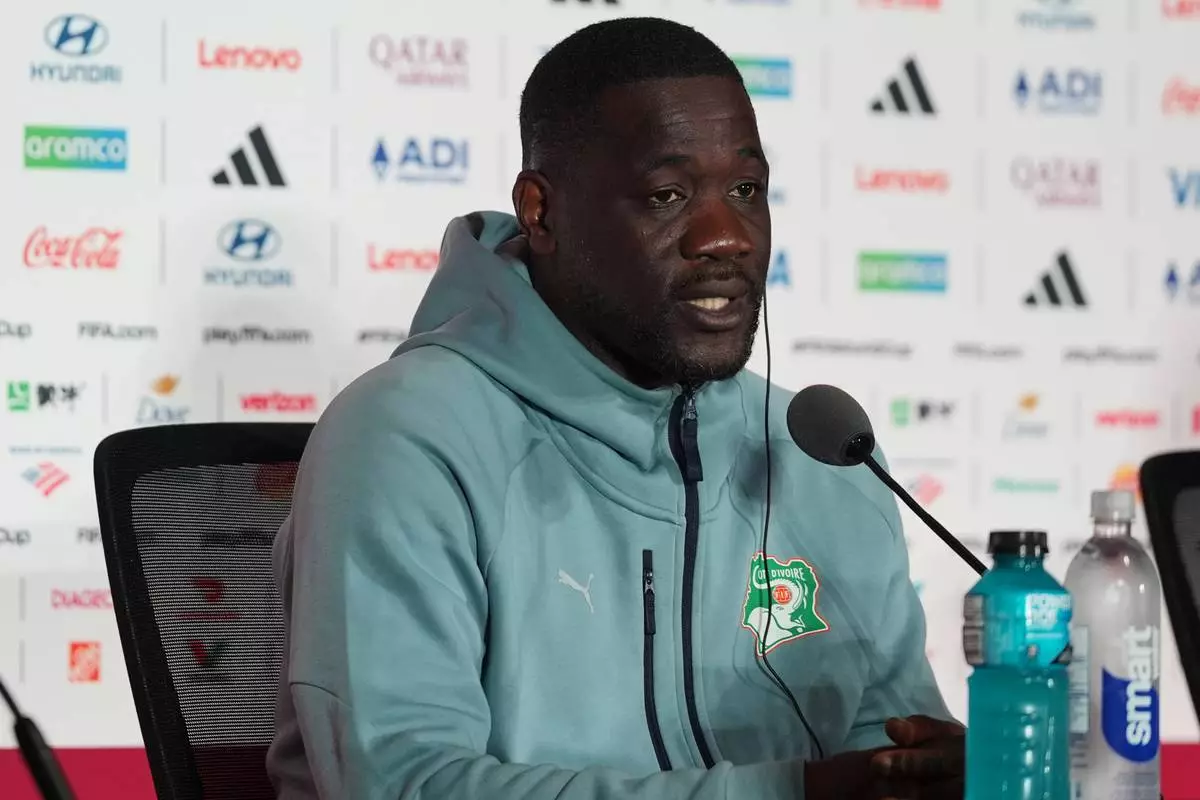
Ivory Coast head coach Emerse Fae speaks during a press conference on the eve of the team's World Cup soccer match against Germany, Friday, June 19, 2026, in Toronto. (AP Photo/Stephanie Scarbrough)
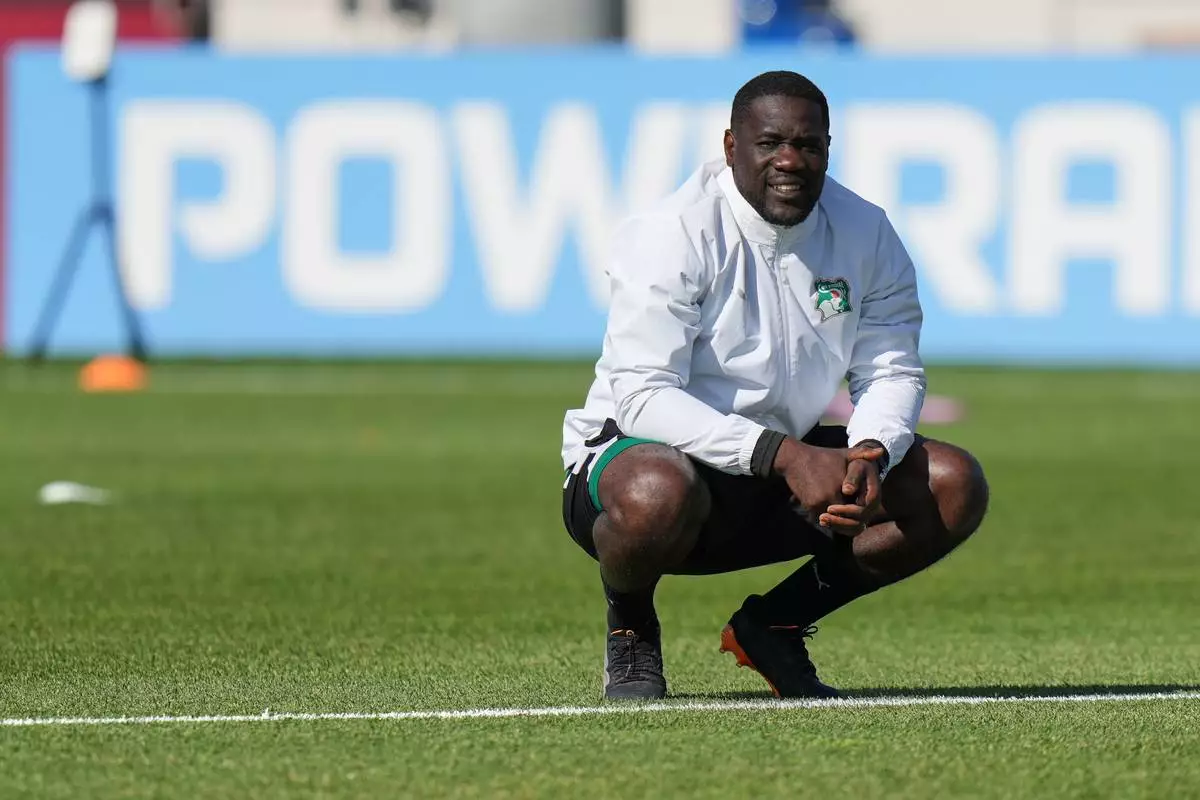
Ivory Coast head coach Emerse Fae watches a training session on the eve of the team's World Cup soccer match against Germany, Friday, June 19, 2026, in Toronto. (AP Photo/Stephanie Scarbrough)
ATLANTA (AP) — Players who leave the NFL to return to college won't be allowed to come back to the league this season.
NFL executive Troy Vincent reiterated the longstanding policy at the league's meetings Wednesday, saying players who go back to college will be ineligible to play in 2026. Vincent said any player who does that would instead become a free agent for the 2027 season.
The comments came one day after the Southeastern and Big Ten conferences banned players who were on NFL rosters from being able to play at their schools. Atlantic Coast and Big 12 conference leaders were also discussing the topic this week.
At least two players who signed with NFL teams as undrafted free agents this offseason were hoping to return to college and play at No. 11 LSU.
Tight end Dae'Quan Wright originally signed with Philadelphia as an undrafted free agent out of Mississippi following the draft. He was waived by the Eagles on Aug. 10 and claimed by Cleveland the following day. He spent about two weeks with the Browns without playing in an exhibition game before being waived on Monday. He cleared waivers Tuesday and now wants to go to LSU to play for his former Ole Miss coach Lane Kiffin.
Defensive lineman Zxavian Harris signed with New Orleans in May as an undrafted free agent out of Ole Miss and participated in the offseason program. He was placed on the non-football injury list at the start of training camp in July and was waived Aug. 8. He wasn't claimed by any team and also wants to go back to college to play for Kiffin.
Both players entered the NFL draft because they had used up their four years of eligibility. The NCAA announced a rule change in June allowing players who began college in 2023 or later to have five years to play five years of sports in college.
That rule didn't apply to Wright and Harris, who entered college in 2022 but they are among the players who have sued the NCAA, arguing they’re being deprived of education and potential NIL financial benefits by being excluded from the rule.
Cal football general manager Ron Rivera said Wednesday he hopes the ACC joins the Big Ten and SEC in turning away former pros.
“I think when somebody makes a decision, goes in a certain direction, I think they’ve made their decision,” said Rivera, a former NFL player and coach. “I’m disappointed that people are looking for ways to cheat the system or beat the system.”
In Tennessee, the state's Court of Appeals granted the NCAA’s motion that puts on hold an order that would have given former Vanderbilt player Jalen Washington and 18 other basketball players a fifth year of eligibility.
The ruling gives the NCAA a win in ongoing litigation across the nation in federal and state courts involving college athletes who contend they should get a fifth year of competition under revised NCAA eligibility rules adopted in June.
Washington, who transferred to Tennessee, and the other plaintiffs are now ineligible pending resolution of the NCAA’s appeal of the lower court’s ruling.
Washington was the lead plaintiff in a complaint filed July 6 by the Texas Trial Group seeking the injunction. Others included Chendall Weaver, last at Texas; A.J. Storr of Mississippi; Jason Edwards of Providence; and Daniel Egbuniwe of St. Bonaventure.
The NCAA also has won stays of injunctions in Ohio and New Jersey state courts and in a federal court in Colorado.
Sign up for Top 25 poll alerts here. Visit the Top 25 here and see AP’s full college football coverage here.
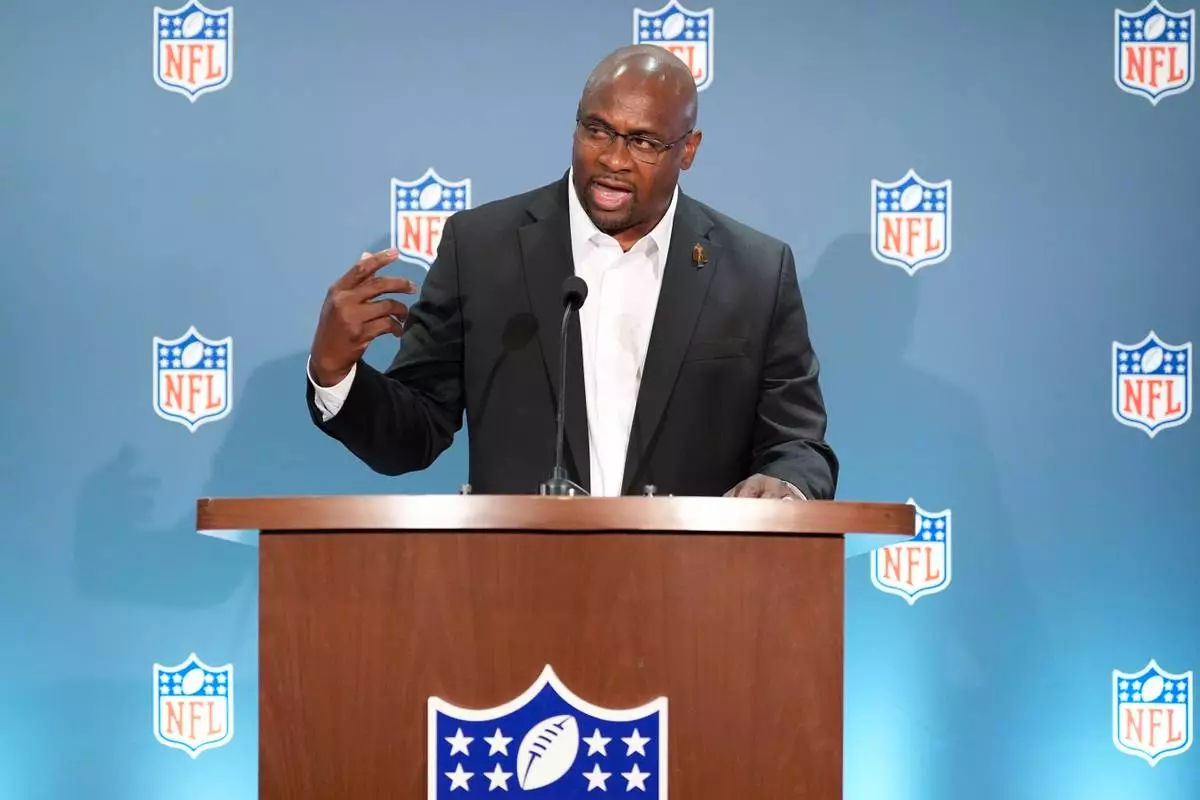
Troy Vincent speaks during a news conference at an NFL football owners meeting on Wednesday, Aug. 26, 2026, in Atlanta. (AP Photo/Brynn Anderson)
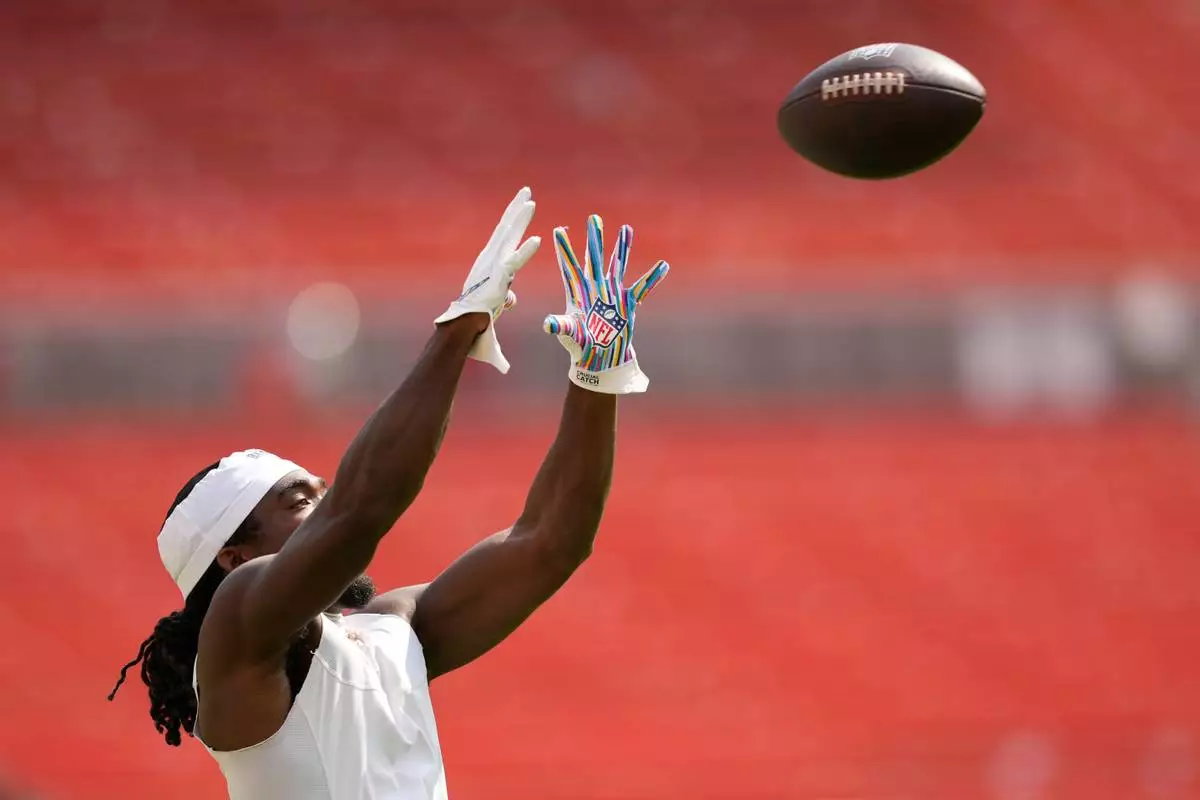
Cleveland Browns tight end Dae'Quan Wright warms up before a preseason NFL football game against the Buffalo Bills, Saturday, Aug. 22, 2026, in Cleveland. (AP Photo/Carolyn Kaster)