China has put forward a new strategic concept called "full-domain electrification," projecting that the entire industrial chain will surpass 8 trillion yuan (about 1.18 trillion U.S. dollars) by 2030, according to a report released on Wednesday.
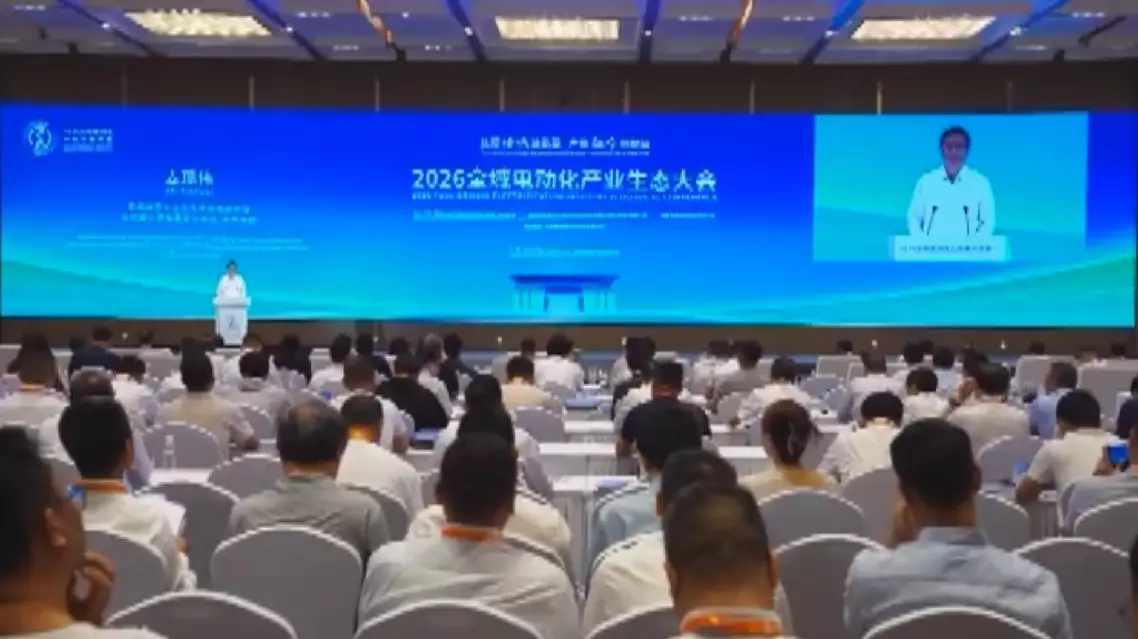
The report was released by China Electronics and Information Industry Development Institute (CCID) at the 2026 Full-Domain Electrification Industry Ecological Conference held in Tacheng City, northwest China's Xinjiang Uygur Autonomous Region.
"Full-domain electrification is built on a new-type power system as the foundation. It is supported by advanced equipment manufacturing covering source, grid, load, and storage segments, and takes new energy vehicles, electric ships, electric construction machinery, and electric aircraft as key end-use carriers. It will be widely applied in urban public services, transportation, and other fields," said Liu Wenqiang, deputy director of CCID.
According to the report, full-domain electrification involves multiple aspects such as power generation, energy storage, electric equipment manufacturing, charging and battery-swapping infrastructure, and battery recycling.
The report projects that the overall market size of China's full-domain electrification industry will reach around 5 trillion yuan in 2025 and surpass 8 trillion yuan by 2030, with a compound annual growth rate of 10 percent.
China proposes 'full-domain electrification' concept, eyes 8 trln yuan industry by 2030
Villagers in east China's Dezhou City shared their personal stories of rural transformation with President Xi Jinping during his inspection trip on Wednesday, expressing gratitude for the policies that have modernized farming and boosted household incomes.
Xi, also general secretary of the Communist Party of China (CPC) Central Committee and chairman of the Central Military Commission, visited Dezhou in Shandong Province, where he received a warm welcome from residents. During the trip, he spoke with grain growers and villagers about agricultural production and rural development.
At Dongyujia Village, the president toured farmland, learning about the local wheat harvest, corn planting, and agricultural supplies. He emphasized the importance of improving farmland infrastructure and making agriculture more productive and resilient.
One of the villagers who spoke with President Xi said the conversation left a deep impression on him.
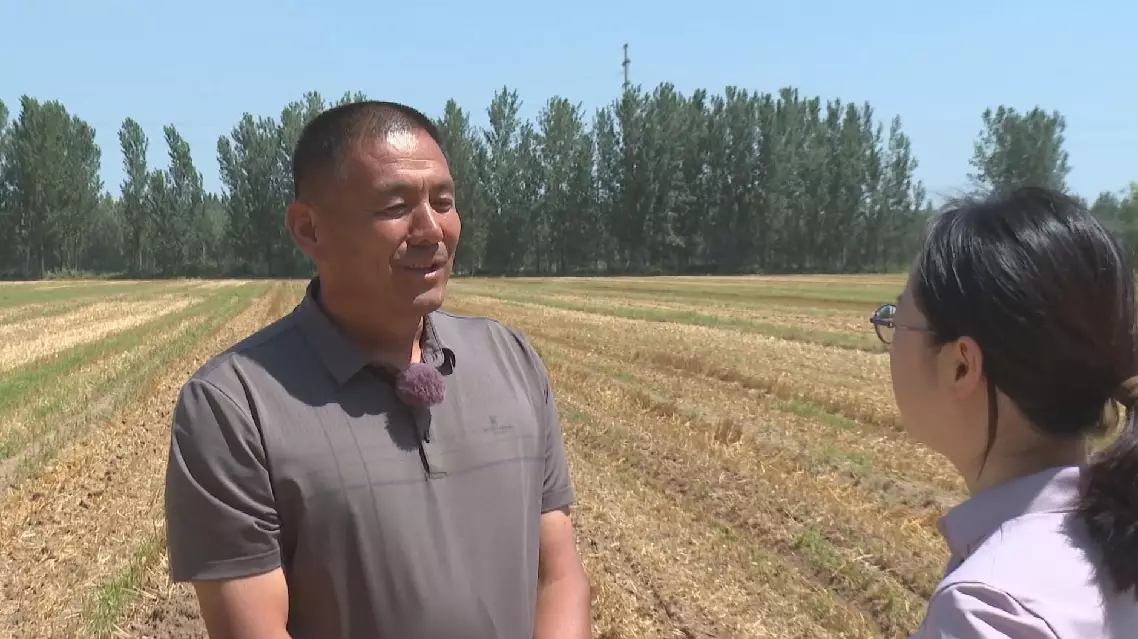
"I'm overjoyed. I told him I'm a farm machinery operator with two farm machines and four tractors at home. I also mentioned I usually work around the local area," said Song Zhijie.
Having operated machinery for decades, Song described how modern equipment has transformed his work.
"I've run farm machines for 20 years. Old tractors were weak and crude, leaving us muddy and worn out. Higher farm equipment subsidies let us buy modern machines with air-conditioned cabs and Beidou navigation, making work effortless," he said.
President Xi has called for solid measures to advance the modernization of agriculture and rural areas. In Dezhou, high-standard farmland is turning that vision into reality. For local farmers, the benefits are clear: better land, stronger harvests and higher incomes.
Producing more than seven million tonnes of grain each year, Dezhou is one of China's major grain producing regions.
During the visit, Xi also stressed the importance of building a beautiful and harmonious countryside tailored to local conditions.
In nearby Xiyujia Village, he visited villager Shi Yanyun and her family, where he learned about their daily lives, family income, children's education and the health of elderly family members.
Shi said she was impressed by how closely the president's questions were related to everyday life in the village.
"President Xi asked if we wanted city lives. I prefer the countryside. Land transfers let us take local nearby jobs. We have cheap, fresh greenhouse veggies, clean villages and easy transport," said the villager.
Xi's visit, Shi said, reflects his concern for rural revitalization policies and the well-being of ordinary families.
"I thought he'd focus on national issues, yet he cared deeply about our daily lives. He felt like a warm family elder," she said.
Local residents say the visit has further encouraged them to work hard, improve their lives and contribute to the continued development of their community.
Villagers share life improvements with President Xi during his inspection to Dezhou