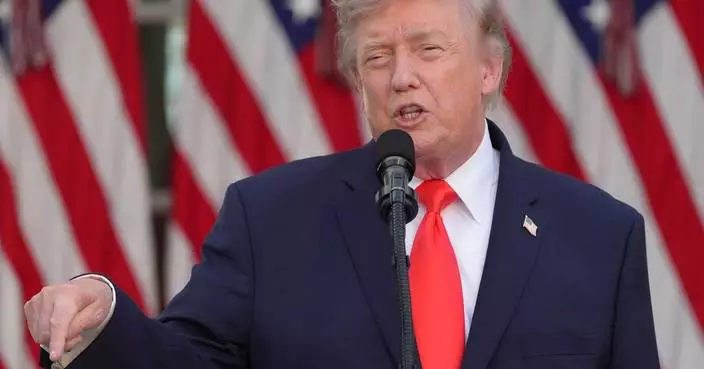
WASHINGTON (AP) — U.S. President Donald Trump on Friday blamed Iran for carrying out a drone strike on a cargo ship in the Strait of Hormuz, calling it a “foolish violation” of the ceasefire agreement with the United States.
One drone damaged the upper deck of the ship, but the vessel was able to proceed, Trump said. The U.S. shot down three other drones aimed at the ship, he said.
Trump's post on social media did not identify the ship or the time of the strike, but on Thursday the British military said a vessel was hit by a projectile off the coast of Oman.
The development came during a fragile time for the U.S. and Iran as they work to negotiate a permanent end to the war. Iran has increasingly challenged the region and the U.S. over its control of the Strait of Hormuz, even with the current interim deal it reached with the U.S. last week.
The attack on the cargo ship happened while a United Nations maritime agency was beginning an operation to move stranded ships out of the strait this week, using an alternative route, hugging the shores of Oman rather than sailing through the central part of the strait.
The International Maritime Organization halted the evacuations after the attack and said on Friday they won’t resume until there are guarantees that the other ships won’t be attacked.
About 115 ships were able to move out of the strait in recent days, leaving about 500 still in the area, said Arsenio Dominguez, the agency’s secretary-general.
The opening of the alternative passage through the strait was expected to relieve pressure on the world economy and remove Iran’s main source of leverage in ongoing peace talks with the U.S.
The U.S. and Iran are still negotiating terms of the deal, including issues such as getting ships through the key strait and addressing the future of Iran’s stockpile of highly enriched uranium. Under the interim deal, the two sides have 60 days to work out the details.
Shipping analysts said the drone strike cast a shadow over what had been a growing stream of trapped vessels finally leaving the Gulf and an increasing flow of tankers carrying crude oil.
“A week of widening commercial confidence in the Strait of Hormuz has hit its first significant test,” said marine data company Windward on X. It said that while the strait remains operationally open with 43 transits recorded after the incident, “the pace of normalization has slowed.”
On Wednesday before Thursday’s drone strike, 78 vessels transited the strait, the highest since the war began, although below the prewar averages of 130 or more per day.
At least two tankers reversed course while attempting to transit the strait on the U.N.-backed route near Oman after Iran insisted vessels use only the Teheran-approved routes, according to marine data and analytic firm Lloyd’s List Intelligence.
Earlier on Friday, a missile warning in the United Arab Emirates caused by a technical glitch underscored the ongoing tensions in the region, following the attack on the cargo vessel and Israeli strikes in Lebanon over the past few days.
The mobile phone alert startled many across the city-state of Dubai, the first such alert since the interim ceasefire.
A short time after the alert, the Emiratis said there was a telephone call between Foreign Minister Sheikh Abdullah bin Zayed Al Nahyan and Iranian Foreign Minister Abbas Araghchi. It quoted Sheikh Abdullah as telling Araghchi that the UAE “emphasized the importance of full commitment” to the interim deal between Iran and the U.S.
“Serious diplomacy and responsible dialogue are the optimal path for addressing all regional and international crises,” it said.
Gambrell reported from Dubai, United Arab Emirates. Associated Press writers David McHugh in Frankfurt, Germany, and John Seewer in Toledo, Ohio, contributed to this report.
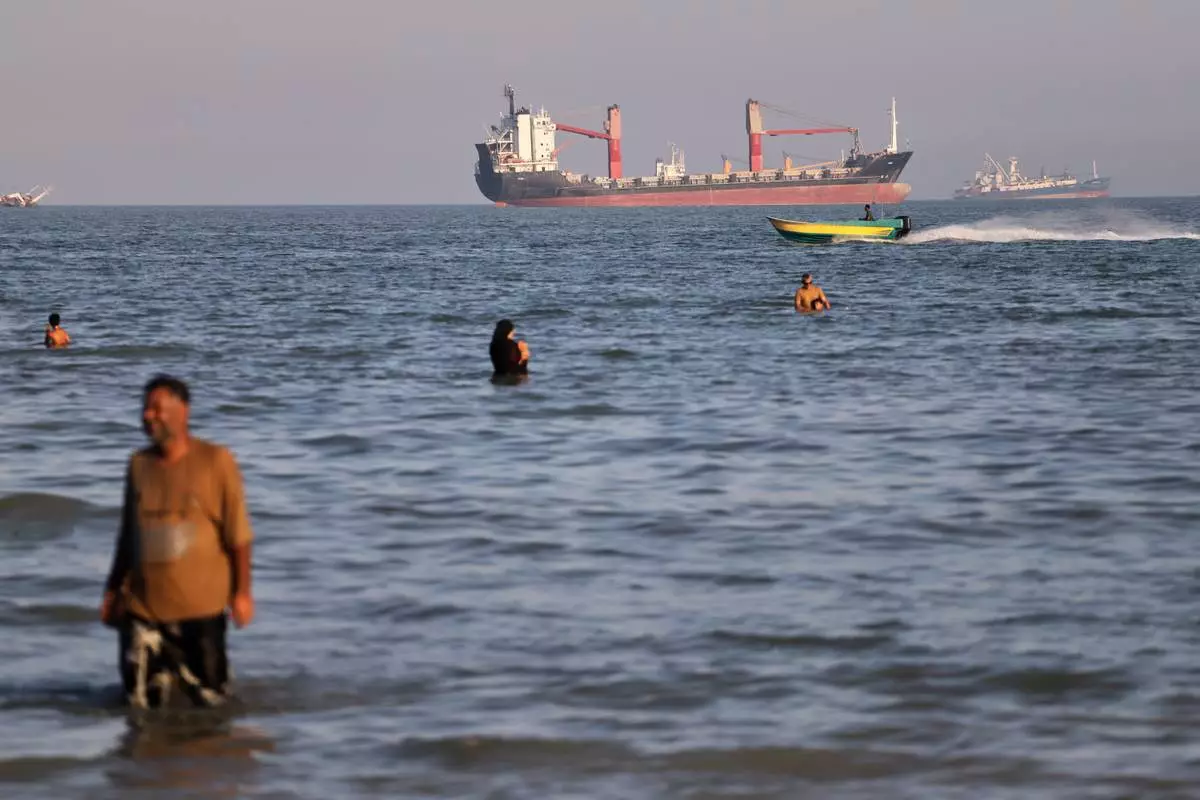
Residents swim in the waters of the Strait of Hormuz as a small motorboat passes cargo ships and other commercial vessels offshore near Bandar Abbas, Iran, Wednesday, June 17, 2026. (Amirhosein Khorgooi/ISNA via AP)
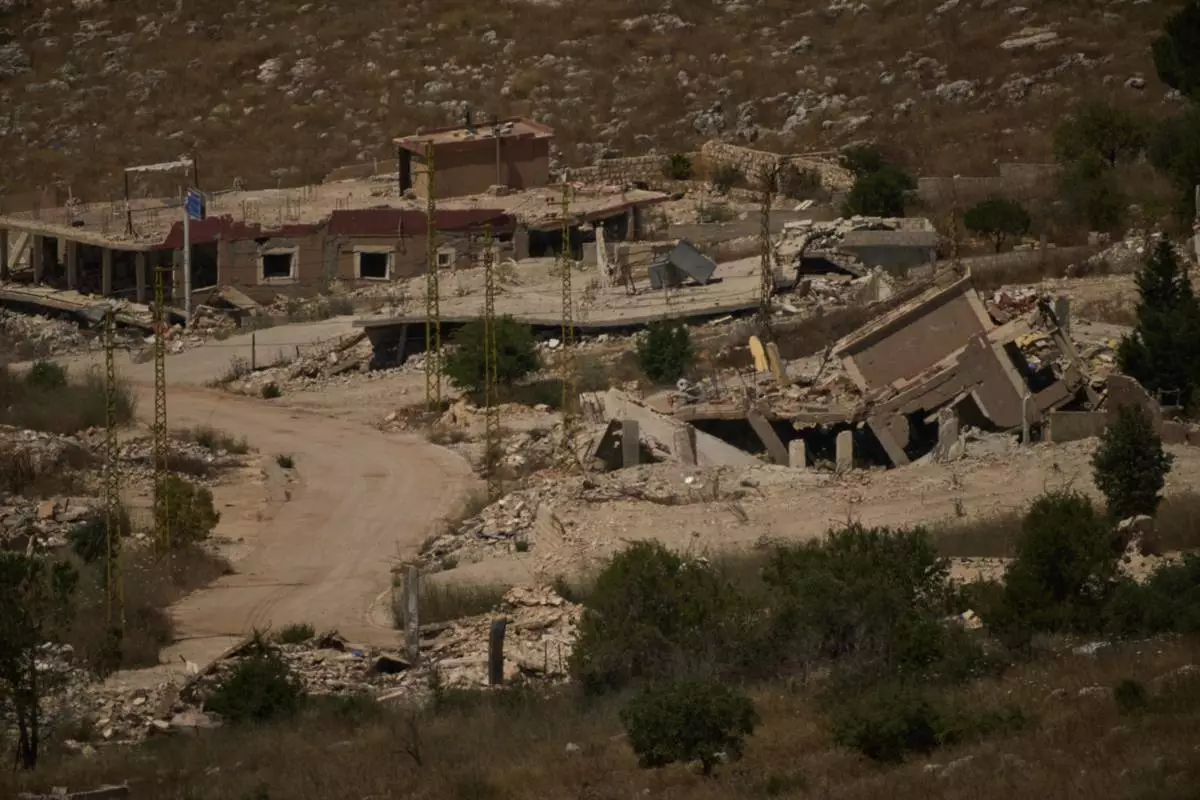
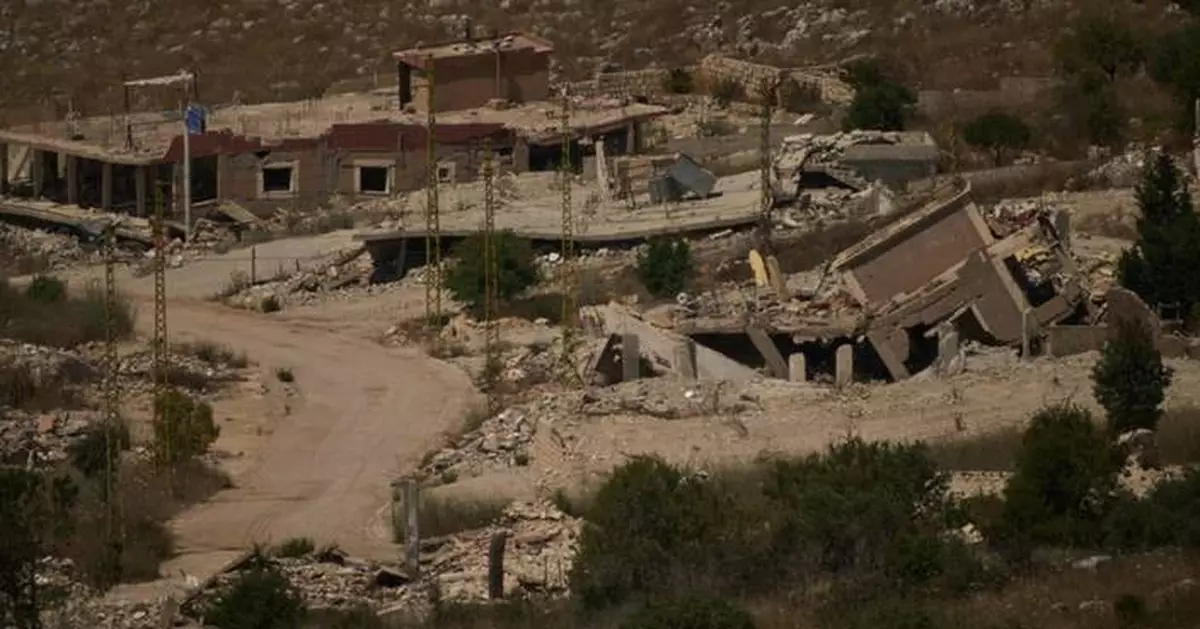
Destroyed buildings in a village in southern Lebanon as seen from northern Israel, Friday, June 26, 2026. (AP Photo/Leo Correa)
MEXICO CITY (AP) — A father holds the hand of his daughter dressed as a fairy. A 24-year-old man in a pilot uniform stares proudly at the camera. A family embraces on a soccer field.
They are among the images posted by relatives within Venezuela and abroad desperately searching for their missing loved ones following two powerful, back-to-back earthquakes on Wednesday evening.
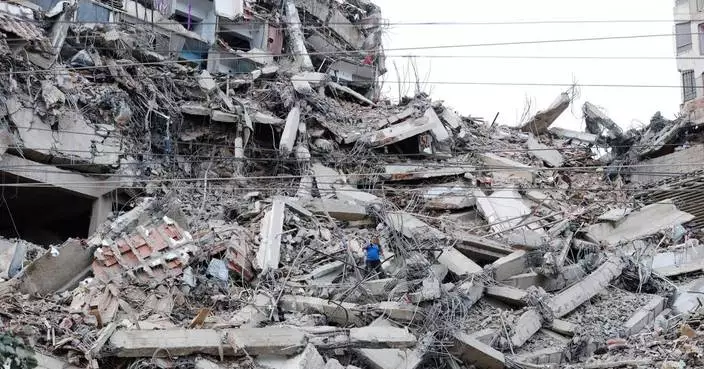
Hundreds have been killed and thousands injured. The number of casualties is expected to climb after the 7.2- and 7.5-magnitude quakes that caused widespread damage and were among the strongest to strike Venezuela in more than a century.
With communication patchy, social media and online registries have become a crucial tool for many Venezuelans seeking information and resources beyond sparse government statistics. Independent online registries documenting up to 40,000 people missing far surpass the official government account.
While some rushed to search beneath the rubble of collapsed buildings, others created digital flyers on WhatsApp, Facebook and X with their relatives’ details.
Among them was Vanesa Marcano, 31, who posted photos from Madrid of her uncle and aunt, who live in La Guaira state, north of the capital Caracas, which suffered some of the heaviest damage and casualties.
Marcano posted the images in the hopes that they were only unreachable due to damaged communication lines. Her uncle’s daughter and his 7-year-old grandson were visiting from the United States and also are missing.
“It’s a feeling of impotence and uncertainty,” Marcano said by phone. “I know you must stay calm and focus on the actions you can take. But it’s very easy to fall into despair.”
Jhoyser Concalves, a Venezuelan from the northern coastal city of Catia La Mar, was talking to his partner and her daughter just minutes before the shaking. It was the last he heard from them.
When the earthquake stopped, Concalves ran out of his house to their apartment building, where they lived on the sixth floor. There was only debris and people desperately trying to rescue neighbors from the rubble.
Concalves posted a flyer reading “MISSING” on X and Facebook in a desperate attempt to find them.
“They are pulling people out of the building alive. So I still have hope that they are in there alive,” he said.
The search was complicated by the country's restrictions on social media and messaging platforms.
On Thursday, the U.N. human rights mission in Venezuela issued a statement calling on the government to lift local restrictions on social media and saying timely access to reliable information can save lives.
Sites including X and messaging app Signal were blocked in August 2024 by then-President Nicolás Maduro in an attempt to suppress communication among those who rejected his claim of victory in the presidential election. Former Vice President Delcy Rodríguez became the acting president in January after the U.S. captured and removed Maduro from power.
Shortly after the U.N.’s request Thursday, Venezuelans in the country were able to access X.
Outside the country, such sites have become even more important for many of the 8 million people who have migrated from Venezuela in recent years and were unable to check on their loved ones.
Elibel Tovar's 70-year-old father moved to Brazil more than 20 years ago but was in La Guaira for business. Félix Ramón Tovar Hernández was planning to travel Friday to Chile for his first reunion with his son in more than a decade. But Tovar, 38, said he hasn't heard from his father.
“I feel powerless because I don’t know how this is affecting him: the shock, the decisions he’s having to make, whether he is physically okay, or even whether he is still alive,” said Tovar, who registered his father on the website for the missing.
“Being in Chile makes it very difficult to get information, and everything we see feels confusing,” he said via WhatsApp.
In Madrid, Marcano said she was trying to stay calm for the sake of her 1-year-old daughter.
“You keep hoping someone will organize a fundraiser or some kind of initiative where you can help,” Marcano said. “But the truth is, from far away, there is very little you can do.”
Hughes reported from Rio de Janeiro.
Follow AP’s coverage of Latin America and the Caribbean at https://apnews.com/hub/latin-america
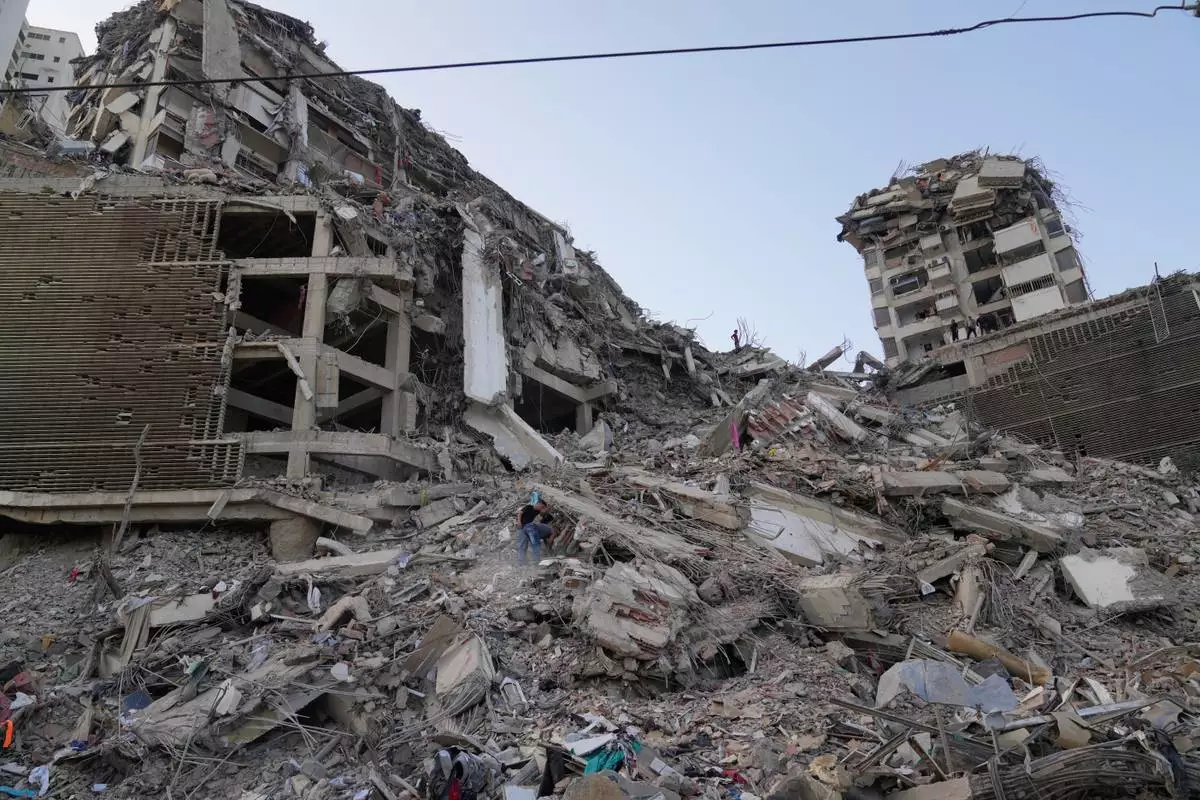
Residents search through the rubble two days after an earthquake struck La Guaira, Venezuela, Friday, June 26, 2026. (AP Photo/Ariana Cubillos)
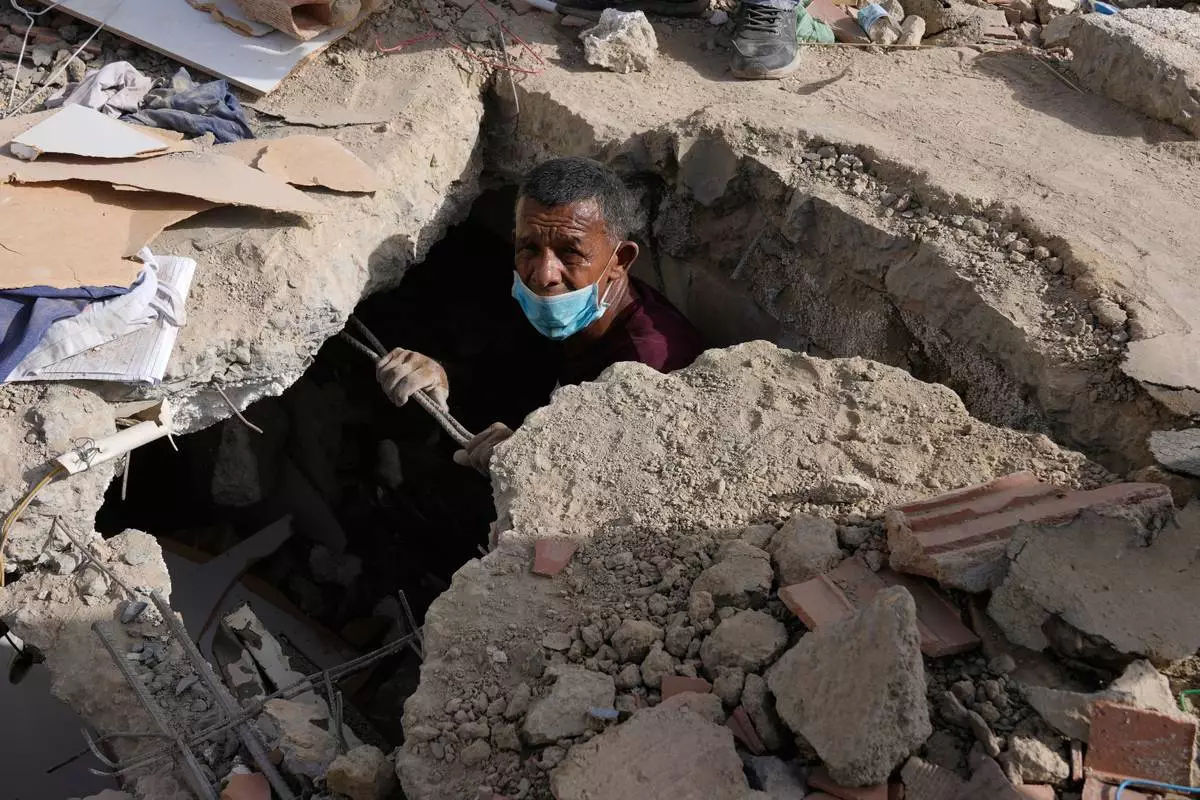
Franklin Fuentes searches for missing relatives in the collapsed building where they lived two days after earthquakes struck La Guaira, Venezuela, Friday, June 26, 2026. (AP Photo/Ariana Cubillos)
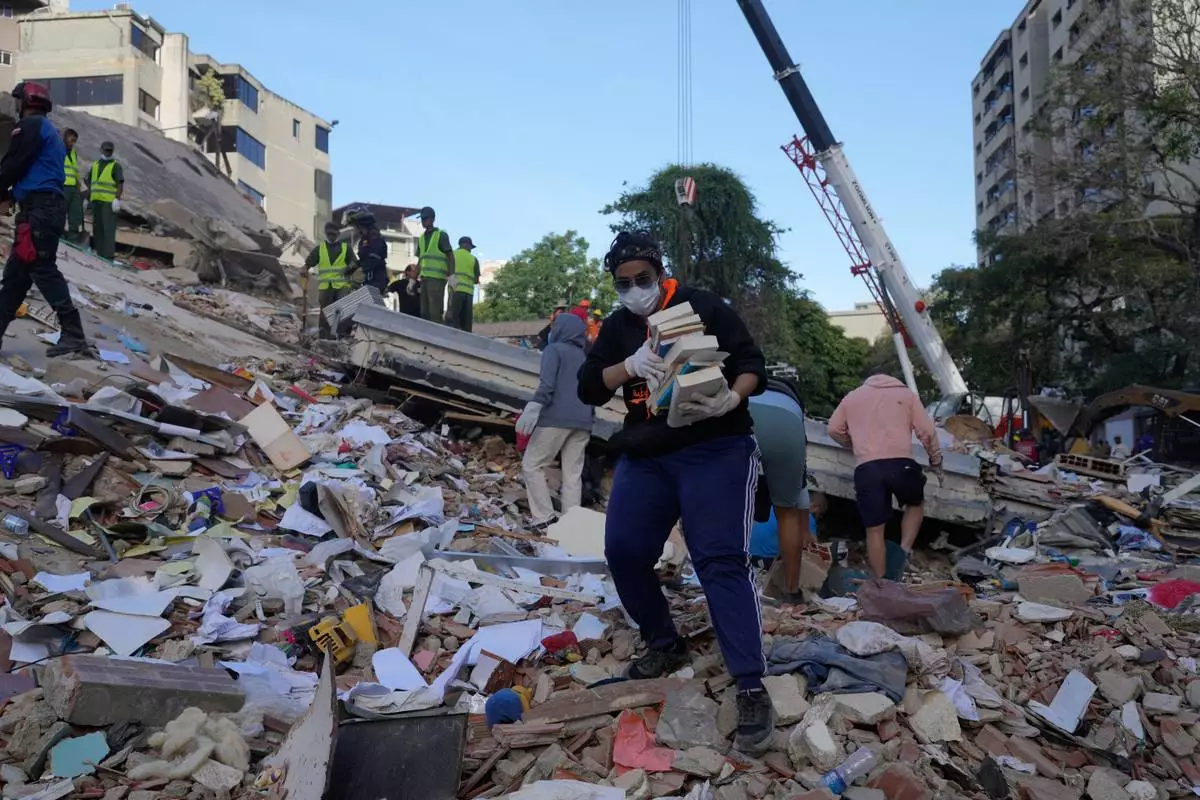
Residents search through the rubble of a building that collapsed in an earthquake in Caracas, Venezuela, Thursday, June 25, 2026. (AP Photo/Ariana Cubillos)
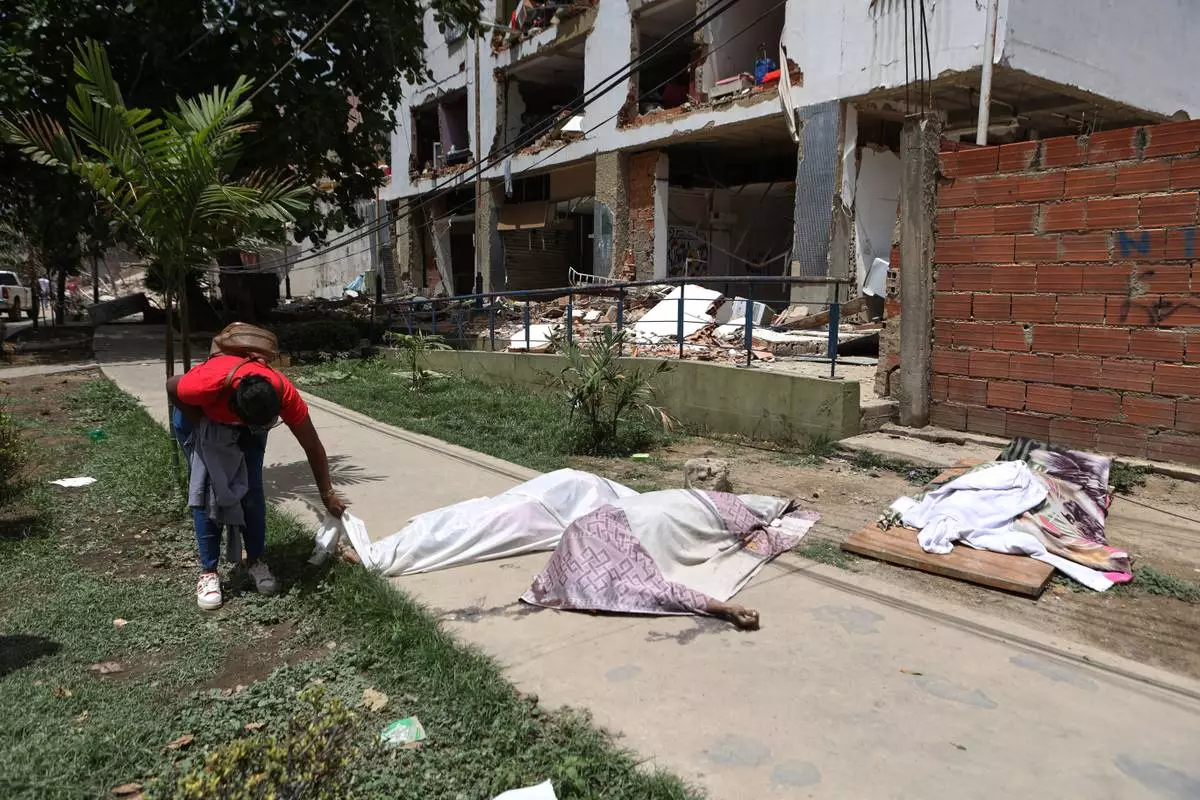
A man looks at covered bodies in front of a damaged building the day after earthquakes and several aftershocks struck La Guaira, Venezuela, Thursday, June 25, 2026. (AP Photo/Pedro Mattey)
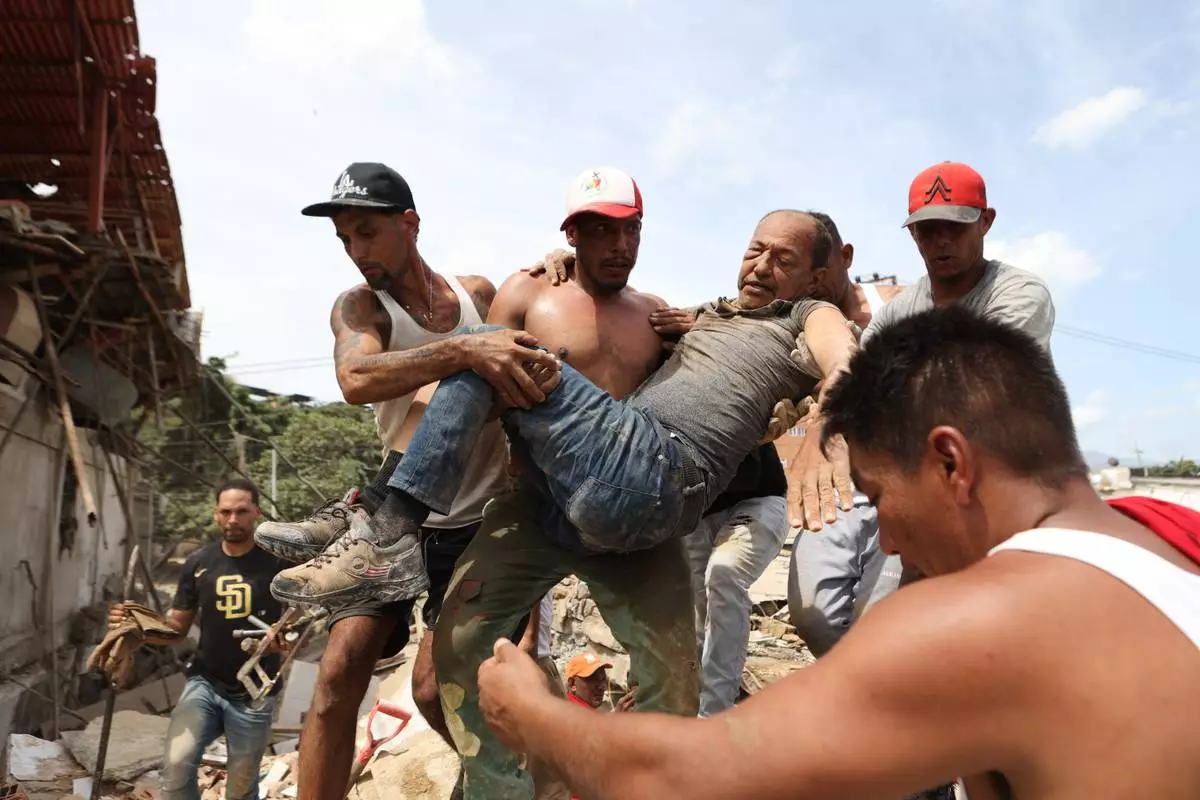
Neighbors carry a man rescued from the rubble of a collapsed building the day after earthquakes struck La Guaira, Venezuela, Thursday, June 25, 2026. (AP Photo/Pedro Mattey)
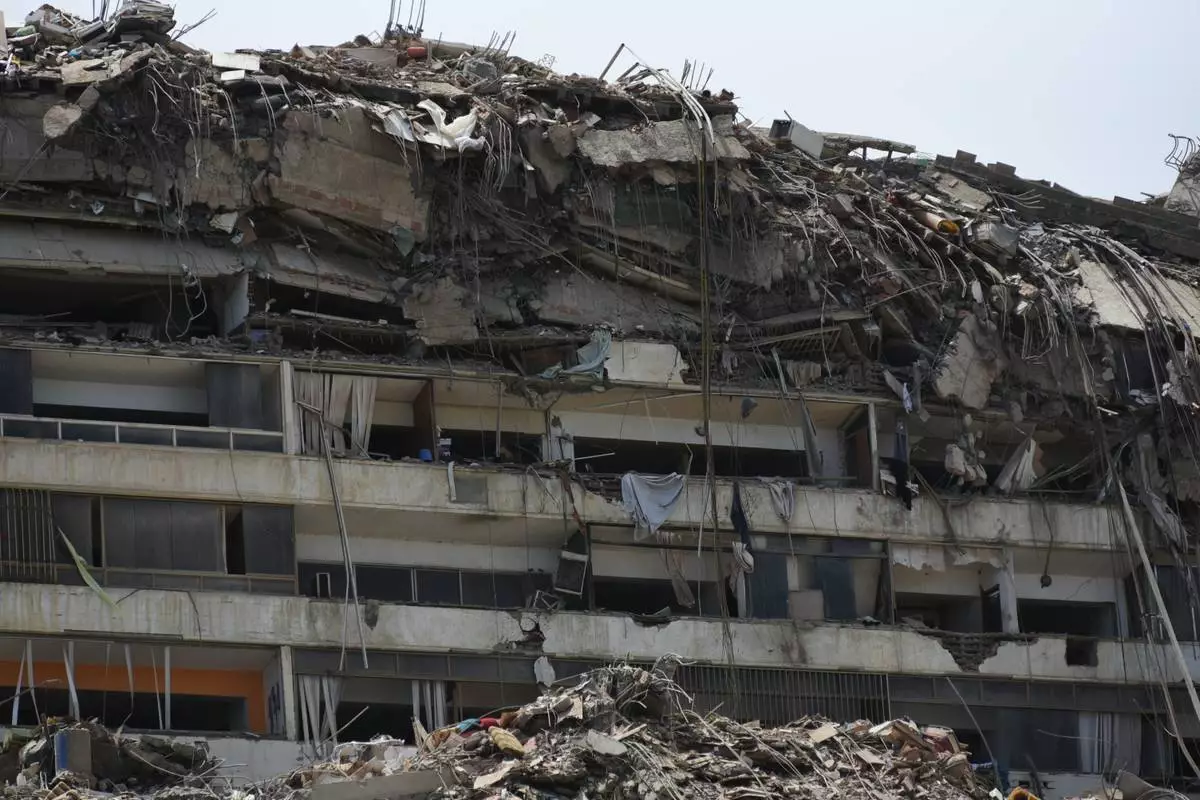
Damaged buildings stand in Catia La Mar, Venezuela, a day after an earthquake and several aftershocks struck the city, Thursday, June 25, 2026. (AP Photo/Jonathan Lanza)
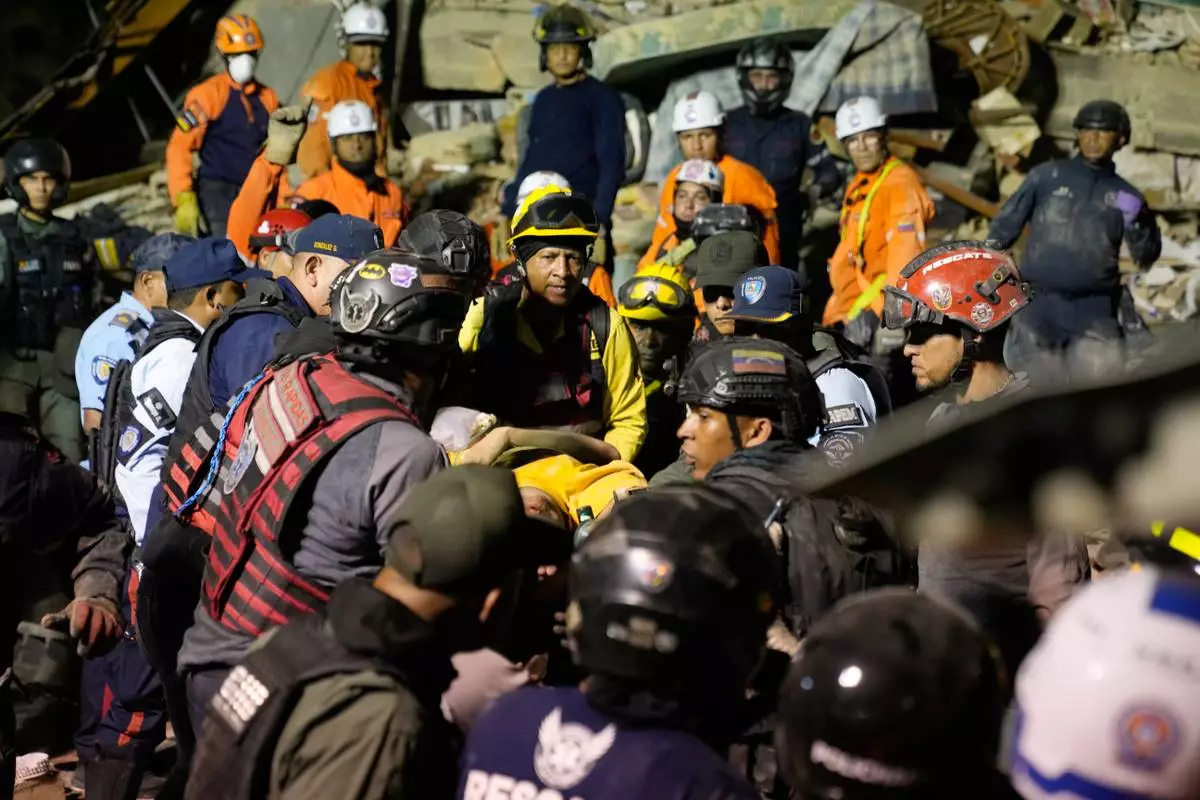
Rescue workers search through the rubble of a collapsed building after earthquake in Caracas, Venezuela, Wednesday, June 24, 2026. (AP Photo/Ariana Cubillos)