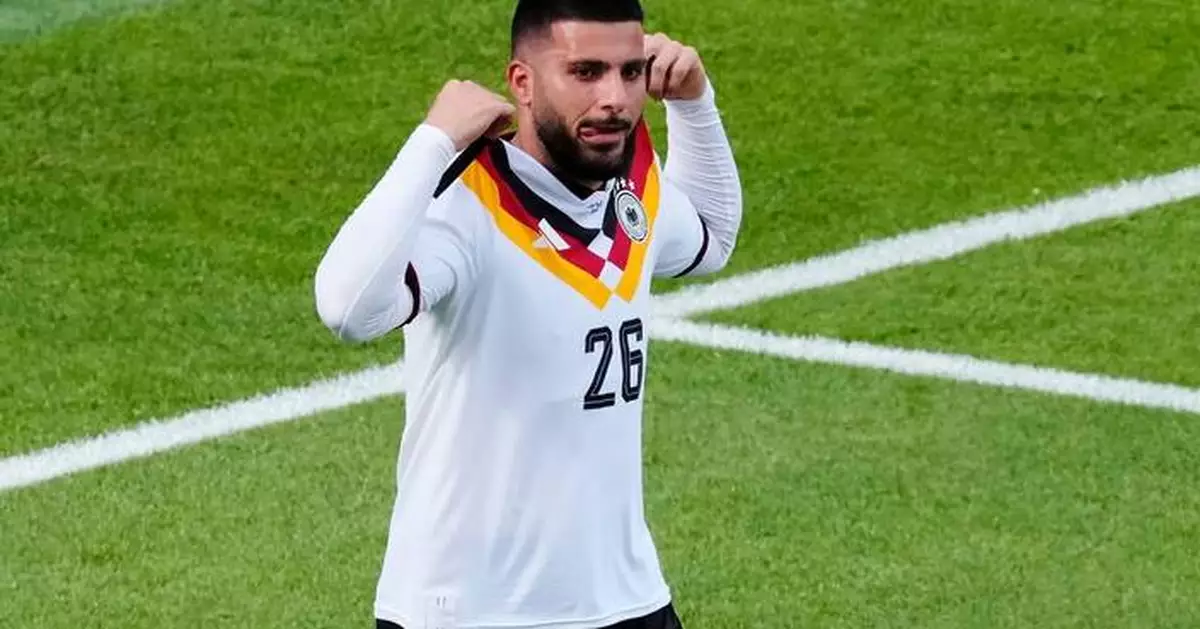
KHIRBET AL-GHAZAL, Syria (AP) — Deniz Undav, one of the surprise stars of this World Cup, is playing for powerhouse Germany. Yet with his Yazidi and Kurdish heritage, the 29-year-old striker is representing two communities on the global stage with no realistic chance of having World Cup teams of their own.
After entering as a substitute for Germany, Undav scored three goals and set up two more, putting him just behind top-scoring superstars such as Argentina’s Lionel Messi, Kylian Mbappé of France and Vinicius Jr. of Brazil on the leaderboard.
Click to Gallery
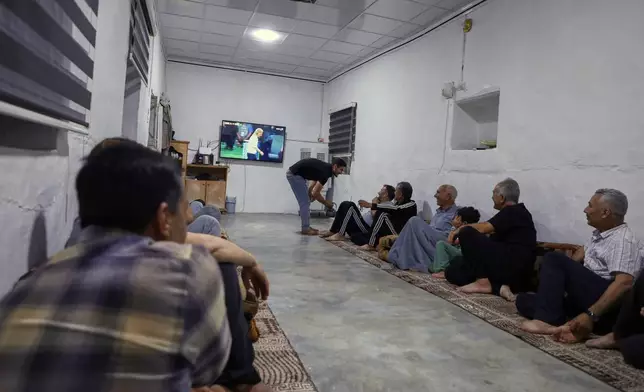
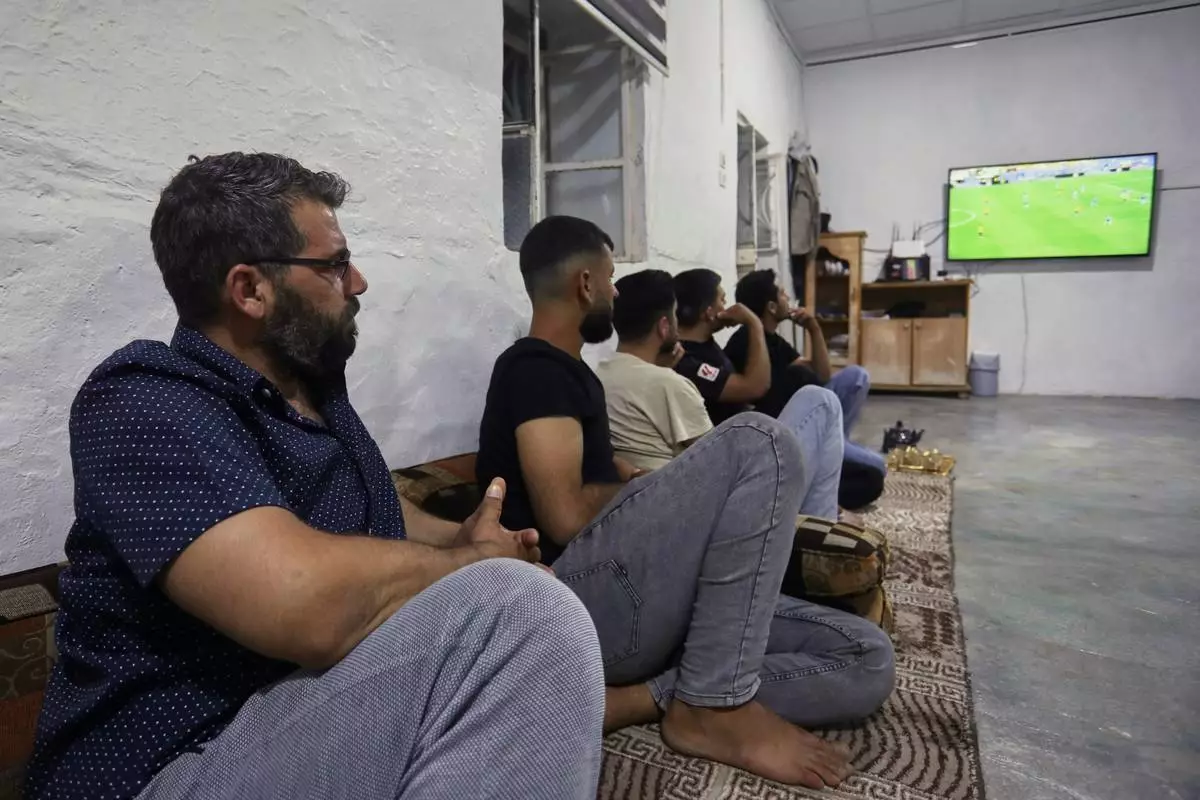
A small group of Yazidis gather to watch the Germany-Ecuador match at the home of community leader Ismail Dalaf in Khirbet al-Ghazal, northeastern Syria, late Thursday, June 25, 2026.(AP Photo/Hogir Al Abdo)
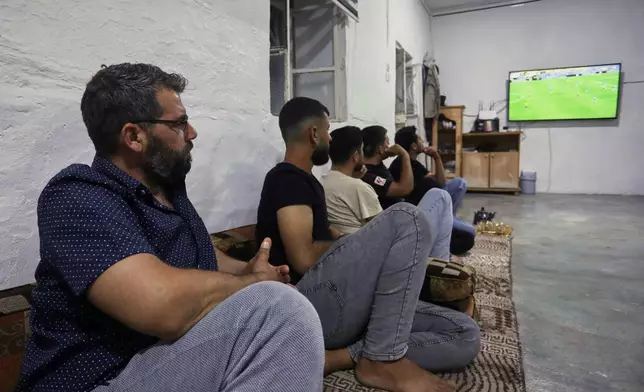
A small group of Yazidis gather to watch the Germany-Ecuador match at the home of community leader Ismail Dalaf in Khirbet al-Ghazal, northeastern Syria, late Thursday, June 25, 2026.(AP Photo/Hogir Al Abdo)
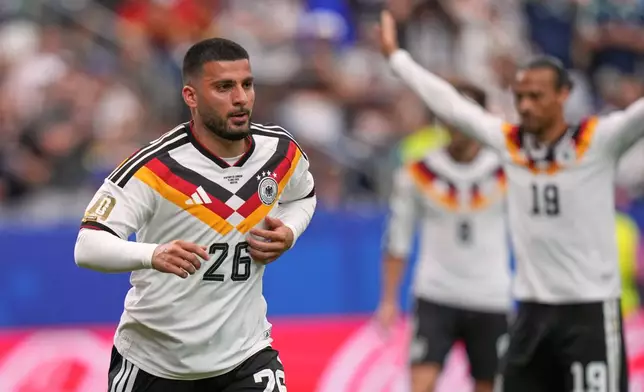
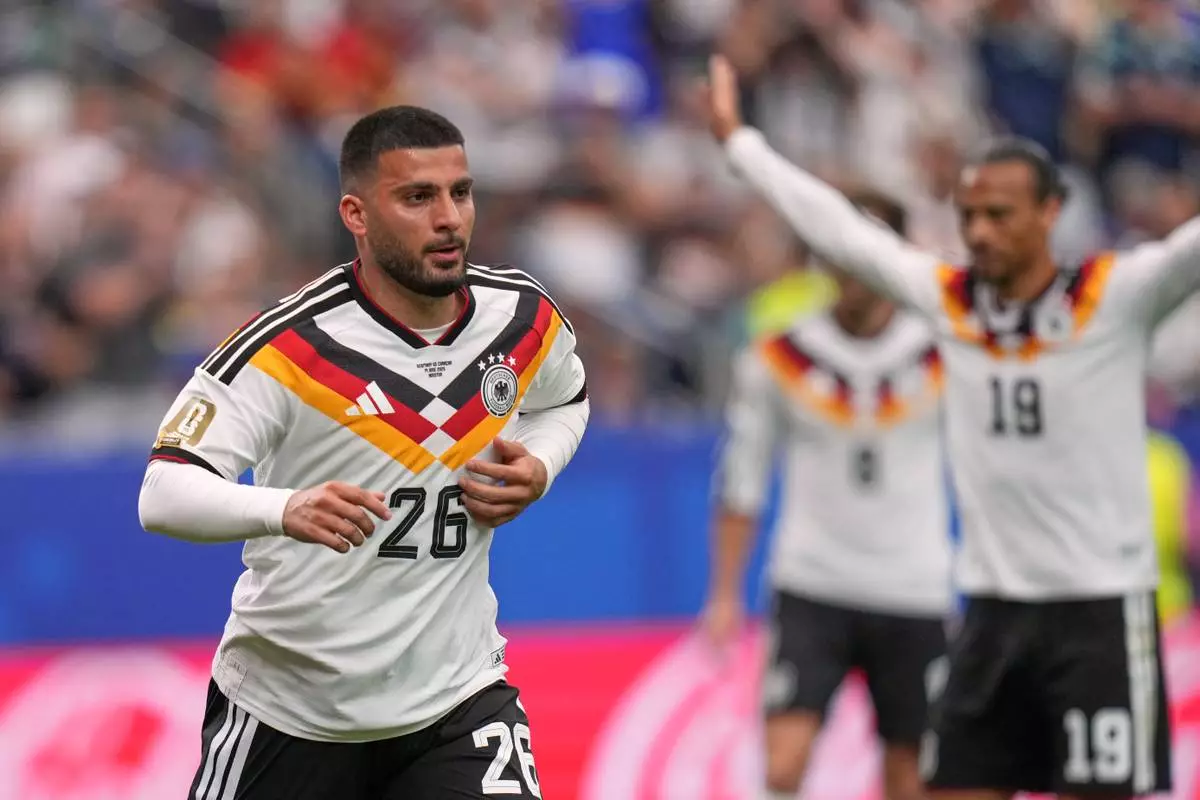
Germany's Deniz Undav reacts after scoring during the World Cup Group E soccer match between Germany and Curacao in Houston, Sunday, June 14, 2026. (AP Photo/Eric Gay)
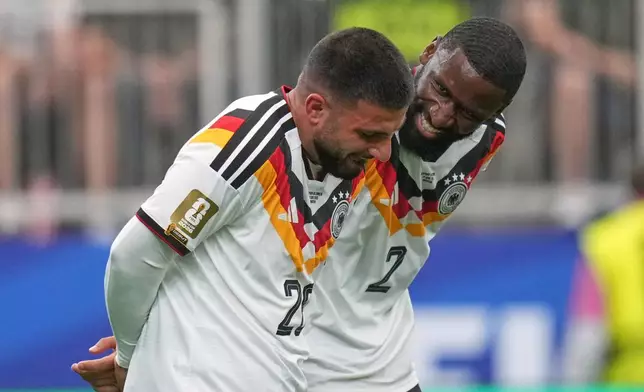
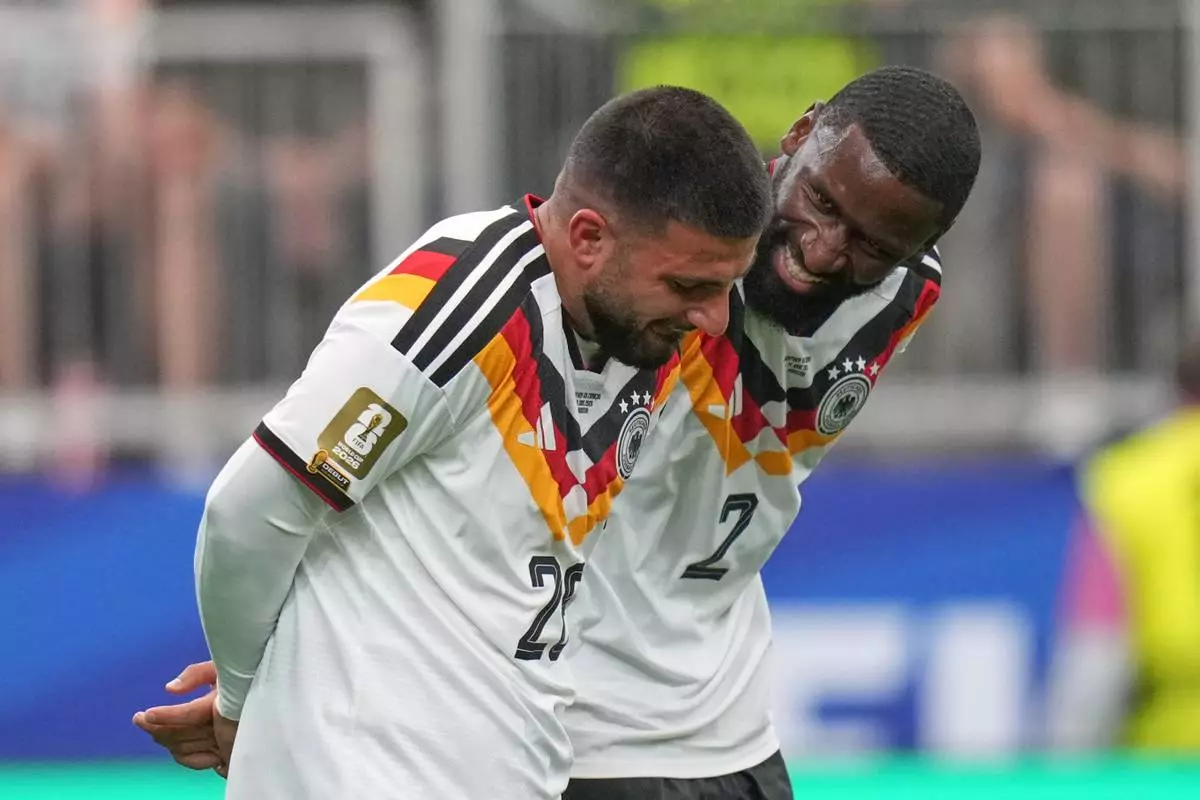
Germany's Deniz Undav, left, and Antonio Ruediger reacts after scoring the sixth goal during the World Cup Group E soccer match between Germany and Curacao in Houston, Sunday, June 14, 2026. (AP Photo/Eric Gay)
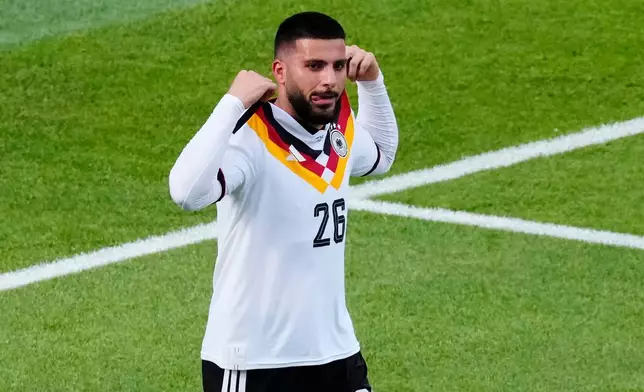
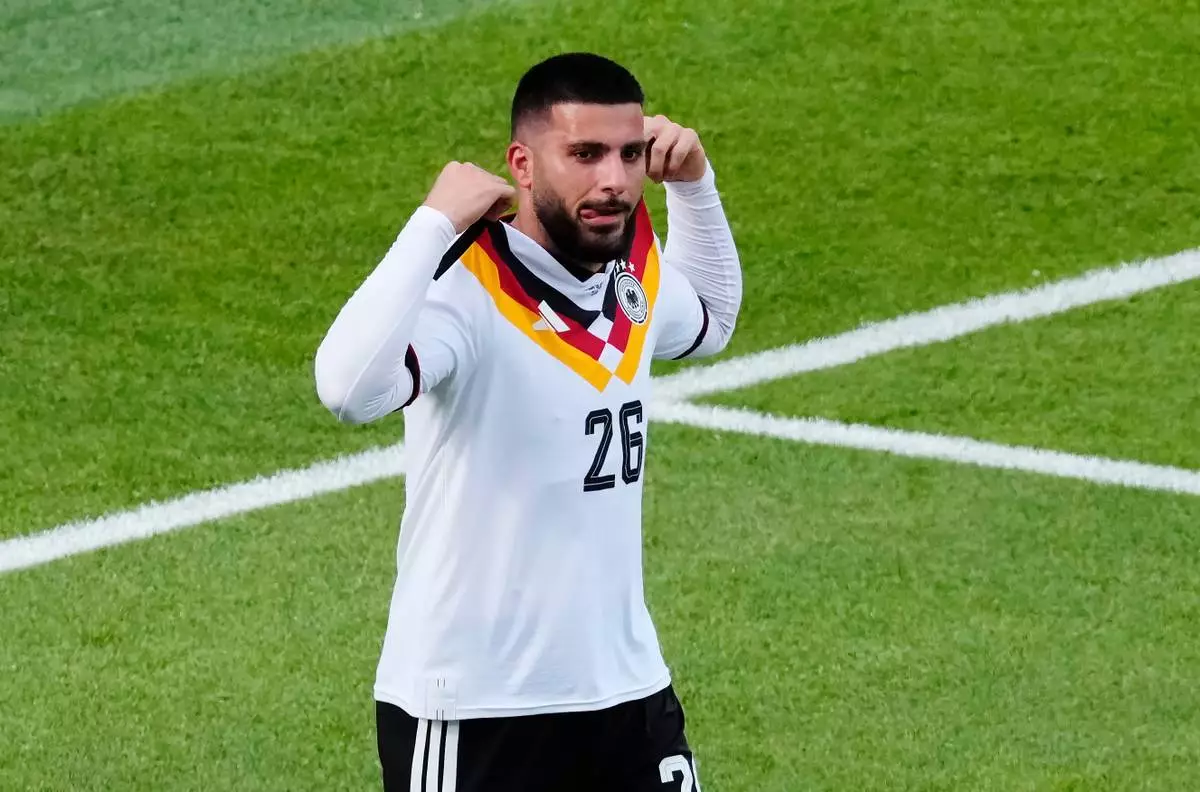
Germany's Deniz Undav (26) celebrates after scoring their second goal during the World Cup Group E soccer match between Germany and Ivory Coast in Toronto, Saturday, June 20, 2026. (Chris Young/The Canadian Press via AP)
Undav, who identifies as a Kurdish Yazidi, is the son of Yazidi refugees. His success is being celebrated by a small, insular community that has endured decades of oppression and violence, notably a 2014 onslaught in which thousands of Yazidis in Iraq's Sinjar region were killed or abducted by militants from the Islamic State group who considered them to be heretics.
Responding to a question at a news conference Wednesday, the German-born Undav said he hoped his performance would inspire fans everywhere, especially within the Yazidi community.
“I always get the news from my parents how they view me, how they see me and it’s making me proud, you know, that we finally have somebody,” he said.
In the village of Khirbet al-Ghazal in northeastern Syria, a small group of Yazidis gathered Thursday night to watch the Germany-Ecuador match at the home of community leader Ismail Dalaf. Many residents are related to Undav’s mother, who is from a now-deserted nearby village whose residents left for economic reasons or fled during Syria’s long civil war that began in 2011.
Dalaf said Undav’s World Cup performance has made him “a symbol that shows Yazidis can reach a higher position and be seen with respect.”
“When people see a Yazidi entering the field, scoring goals and changing the result of matches, it changes public perception,” he said. “It tells the world that Yazidis have a role in the world.”
The Kurds are among the largest stateless ethnic groups in the world, with roughly 30 million living as minorities in Turkey, Iraq, Iran and Syria. Yazidis are a Kurdish-speaking religious minority mostly found in Syria, Iraq and Turkey. There are around 235,000 Yazidis living in Germany today, according to Irfan Ortac, chair of the Central Council of Yazidis in Germany. Many arrived after the 2014 onslaught.
“Until now, we have mostly been known as victims of violence,” Ortac said. “Whenever we spoke about Yazidis, we always had to talk about genocide, discrimination, and displacement. It makes us very proud and happy to be able to talk about something positive.”
In Iraq — home to the largest concentration of Yazidis in the world and the location of their most holy site, the Lalish temple — members of the community also have embraced Undav's success.
“It makes me very happy to see a Yazidi bringing our name to the World Cup and playing in front of the whole world,” said Luqman Sleiman, spokesperson for the temple.
Diyar Bakir, 29, a Yazidi from Sinjar, hopes to travel to Germany one day to see Undav play.
His family "came from a place where his ethnicity and religion were not appreciated, yet he is now recognized and valued by a great team like Germany,” Bakir said. “He emerged from the womb of suffering, and we wish him every success.”
At times, Undav has faced abuse over his heritage from spectators and on social media.
When his club team Stuttgart played in Turkey at Fenerbahce last year, German media reported the outbreak of obscene chants about his mother. Two Kurdish anti-discrimination groups said social media insults were part of a growing campaign of “racist and ethnically motivated hostility.”
Undav’s decision to represent Germany and not Turkey, as other eligible German-born players have done in the past, also resulted in some online hostility from Turkish fans. But now, his popularity is surging.
Düzen Tekkal, a German documentary filmmaker and author of Kurdish Yazidi heritage, is from northwestern Germany, like Undav. She is the co-founder of Scoring Girls(asterisk), a nonprofit offering free soccer classes for girls from diverse backgrounds.
“There definitely is a Deniz Undav effect and it’s very important,” she said, referencing children who can celebrate their heritage and feel they belong in Germany at a time when migration is often treated as a political problem.
“It is no coincidence that he plays with this lightness and freedom,” Tekkal added. “People are asking how come he’s so good under pressure or he can cope with so much pressure? Because he doesn’t know it any other way. That is the DNA, that is the resilience. ... That’s how he scores these goals because what is that pressure compared to being Kurdish or Yazidi?”
When Undav scored one of those goals, against Curacao, he broke into a Yazidi-inspired jig with his hands clasped behind his back. He was joined by Antonio Rüdiger, a Black German soccer star who has faced racist and anti-Muslim abuse during his career, in what Tekkal called “one of the highlights, no matter how this World Cup goes from here.”
“Dancing is a form of expressing resistance for us,” Tekkal emphasized. “We dance on the graves of our dead. Our mantra is that resistance is life. He’s dancing there for his forefathers who were oppressed.”
Mahmoud Kanabi, a Kurd from Irbil, moved to Berlin in 2020 and works in a Kurdish restaurant. Because of Undav, he purchased a Germany jersey.
“Unfortunately, for us Kurds, we don’t have a team because we don’t have a country,” he said. “Now, when a Kurdish player is in a team, we have to be fans of it. It doesn’t matter what team it is.”
Martany reported from Irbil, Iraq; Fahey from Berlin and Ellingworth from Duesseldorf, Germany. AP Sports Writer Ron Blum in East Rutherford, New Jersey, contributed reporting.
Associated Press religion coverage receives support through the AP’s collaboration with The Conversation US, with funding from Lilly Endowment Inc. The AP is solely responsible for this content.
See more of AP’s World Cup coverage here
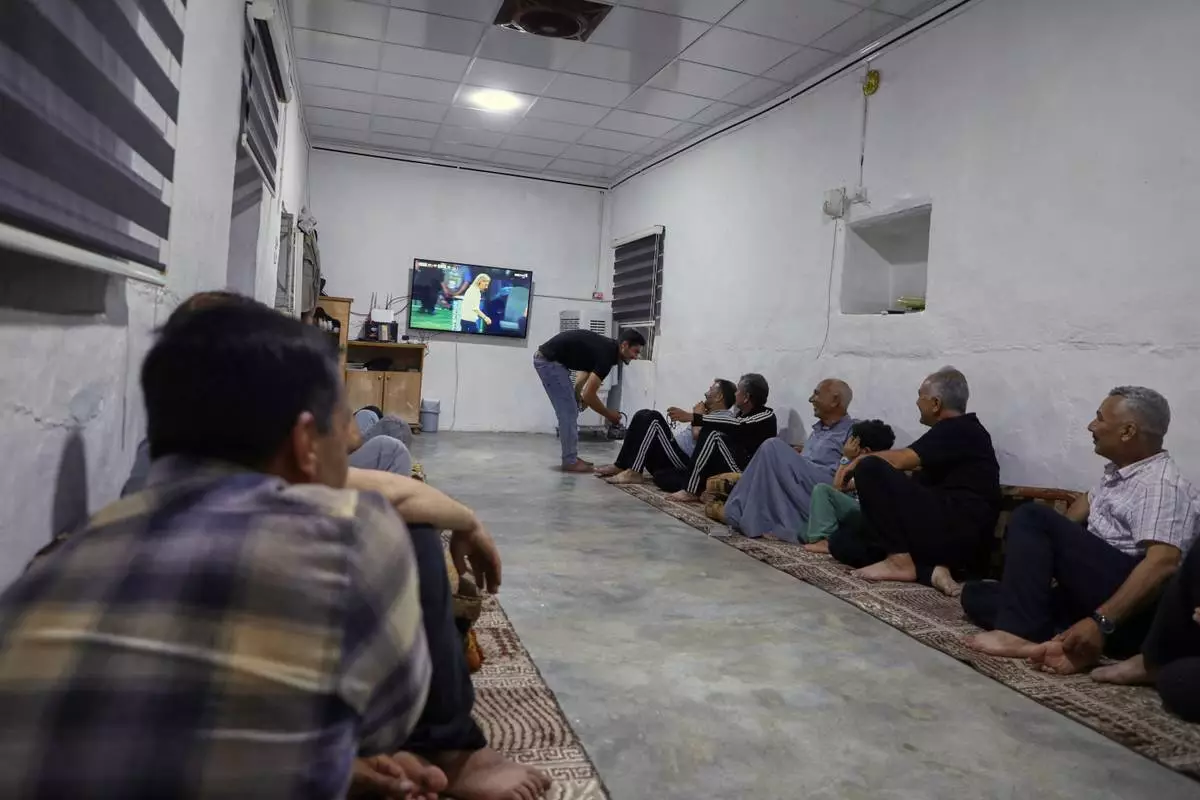
A small group of Yazidis gather to watch the Germany-Ecuador match at the home of community leader Ismail Dalaf in Khirbet al-Ghazal, northeastern Syria, late Thursday, June 25, 2026.(AP Photo/Hogir Al Abdo)
A small group of Yazidis gather to watch the Germany-Ecuador match at the home of community leader Ismail Dalaf in Khirbet al-Ghazal, northeastern Syria, late Thursday, June 25, 2026.(AP Photo/Hogir Al Abdo)
Germany's Deniz Undav reacts after scoring during the World Cup Group E soccer match between Germany and Curacao in Houston, Sunday, June 14, 2026. (AP Photo/Eric Gay)
Germany's Deniz Undav, left, and Antonio Ruediger reacts after scoring the sixth goal during the World Cup Group E soccer match between Germany and Curacao in Houston, Sunday, June 14, 2026. (AP Photo/Eric Gay)
Germany's Deniz Undav (26) celebrates after scoring their second goal during the World Cup Group E soccer match between Germany and Ivory Coast in Toronto, Saturday, June 20, 2026. (Chris Young/The Canadian Press via AP)