The summer wheat harvest is in full swing in Qixian County, Shanxi Province, in northern China, and is expected to be completed by the end of June.
A total of 22,000 mu (nearly 1,500 hectares) of wheat have ripened in the county. Harvesters are working across wheat fields, completing wheat gathering, threshing, cleaning, and grain storage.
The county is making the most of the key summer farming period, with coordinated efforts covering planting, field management, and harvesting. About 75 combine harvesters have been put into operation, and the wheat is set to be fully harvested by the end of June.
"Due to autumn rains last year, most of the wheat in Qixian County was sown late. To address this issue, we implemented targeted field management measures, including introducing mixed use of agricultural chemicals against crop diseases and pests, dry and hot wind, and premature aging, and aiding the healthy growth of wheat, which have effectively improved crop conditions. This year, the wheat is growing well and a good harvest is in sight," said Li Gefei, a senior agronomist with the Qixian County Bureau of Agriculture and Rural Affairs.
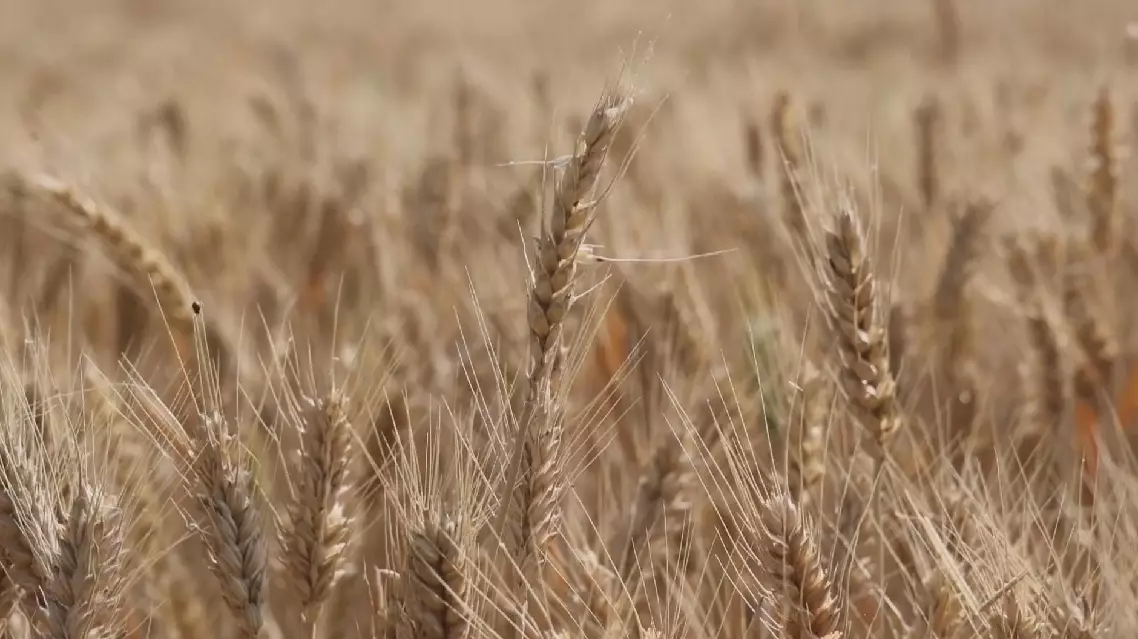
Summer wheat harvest in full swing in Shanxi's Qixian County
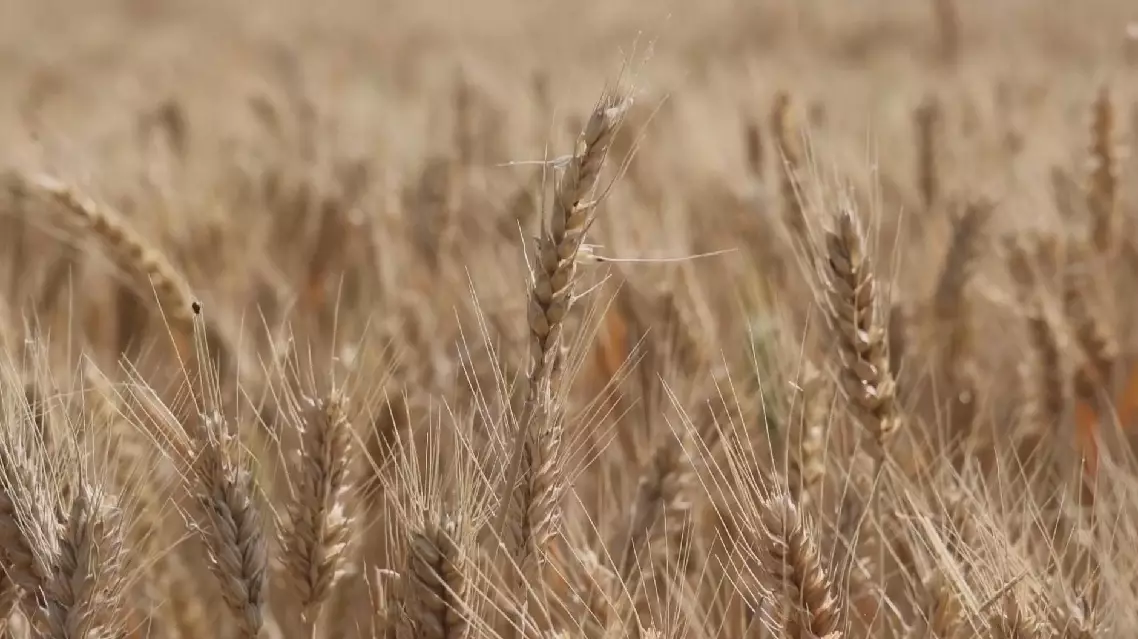
Summer wheat harvest in full swing in Shanxi's Qixian County
A dedicated natural gas pipeline supplying the Xiong'an New Area was officially put into operation on Saturday, strengthening the area's energy security by establishing a dual-source gas supply system and supporting its transition toward cleaner energy.
The 5.8-km pipeline links the Shaanxi-Beijing gas transmission network to Xiong'an in north China's Hebei Province, complementing the already operational Mengxi pipeline.
Equipped with two stations and designed with an annual transmission capacity of 3.16 billion cubic meters, the new line will provide stable natural gas supplies for industrial production, residential heating and daily household use.
"The dedicated pipeline enables natural gas from the second Shaanxi-Beijing pipeline to be delivered directly to the Xiong'an New Area, helping establish a diversified, interconnected gas supply network. It will better meet the energy needs of local businesses as well as residents for heating and everyday consumption," said Liu Gang, director of the project management center of Beijing Pipeline Company under PipeChina.
The pipeline passes through the Wen'anwa flood detention area, where high groundwater levels and a dense network of rivers and canals posed significant construction challenges.
To minimize environmental impact, a special drilling technique was employed.
"We adopted non-excavation horizontal directional drilling technology at four sections when crossing the Wen'anwa flood detention area. The pipeline was installed underground, leaving the cultivated soil layer intact so that farmland along the route can continue normal agricultural production," said Liu.
According to project officials, the pipeline's annual gas transmission capacity is equivalent to replacing about 4.2 million tonnes of standard coal, reducing carbon dioxide emissions by approximately 4.62 million tonnes each year.
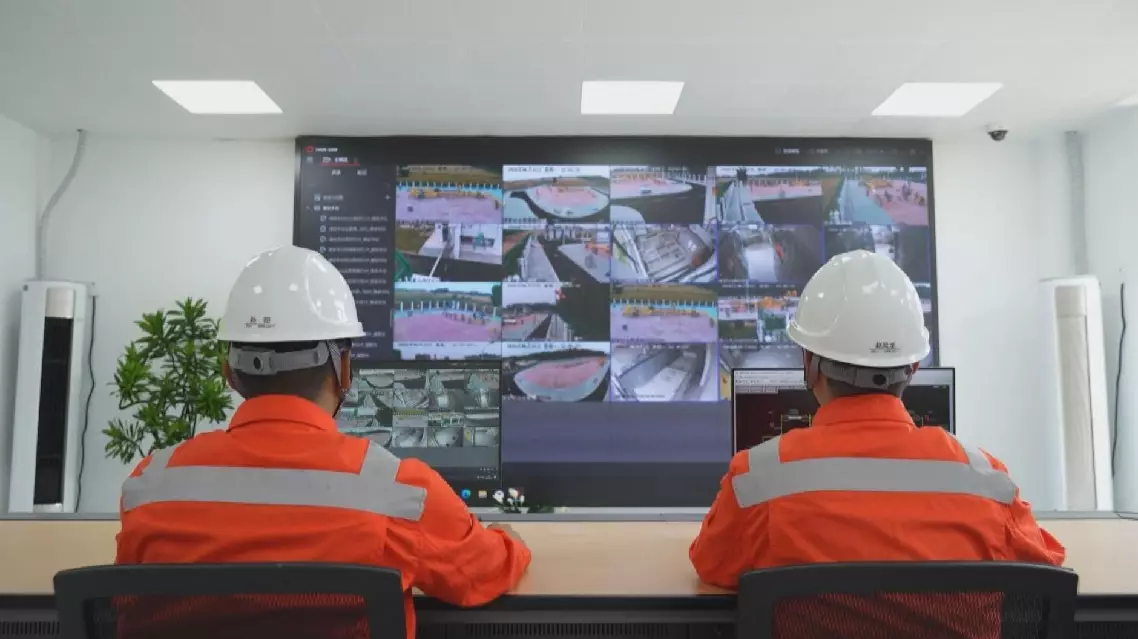
Dedicated natural gas pipeline commissioned to bolster clean energy supply in Xiong'an