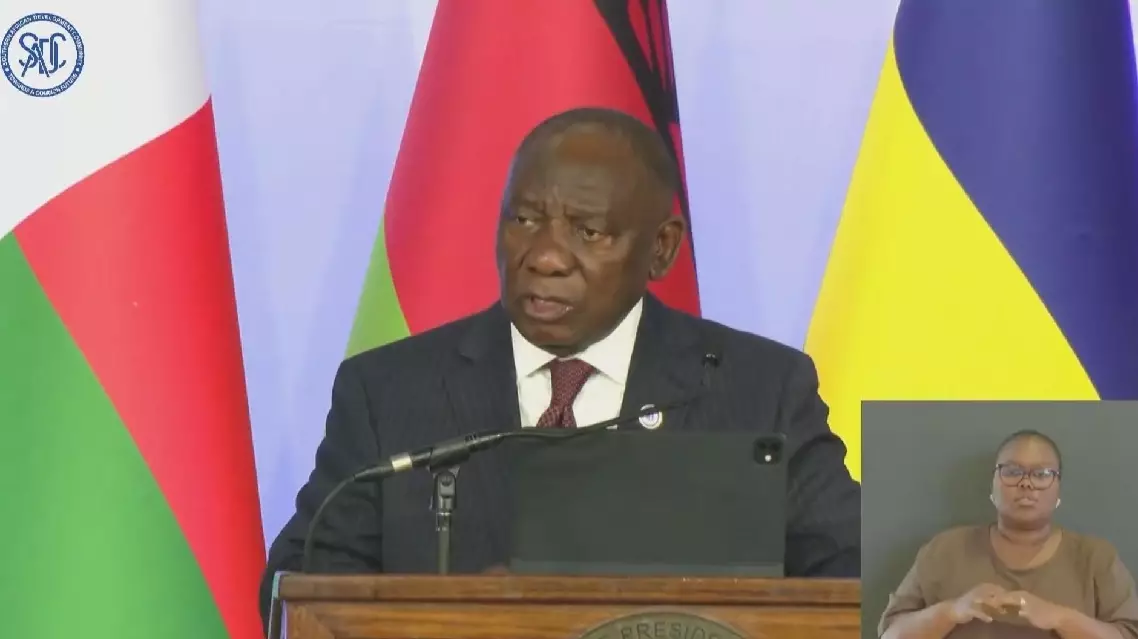
Guinean Prime Minister Amadou Oury Bah thanked China for its role in the Simandou iron ore project in an interview on Wednesday, describing it as a landmark venture that combines mining, railways, and port facilities to unlock one of the world's richest iron ore deposits.
Bah spoke with China Media Group in Dalian, northeast China, where he attended the World Economic Forum's 17th Annual Meeting of the New Champions.
Located in southeastern Guinea, the Simandou iron ore project, which officially entered production in November last year, is one of the world's largest mining projects and contains some of the highest-quality iron ore resources.
The project, with a total cost of approximately 20 billion U.S. dollars, brings together industry giants, including Rio Tinto, Chinalco, and China Baowu Steel Group, and involves mining, railways and ports.
According to Bah, the project's heavy-haul railway has been put into use, an ore transport port has been built, and mining operations have officially begun. "In the past, many people believed that the Simandou iron ore project was a dream that would never come into reality. The project's eventual launch was undoubtedly due to President Doumbouya's determination and unwavering will, but it also owes much to the strong support from Chinese enterprises. It was the joint efforts of both sides that prompted other participating parties to gradually follow suit. So I want to thank Chinese enterprises and thank China. Today, many Chinese enterprises have taken root in Guinea around the Simandou iron ore project. This enables us to plan and implement more new projects, whether in mining or other sectors," he said.
The Guinean leader expressed strong optimism about his country's future, saying the large-scale project will have major economic and social benefits for Guinea and help it achieve long-term prosperity.
"In fact, the Simandou iron ore project has become a crucial foundation for our national development strategy. Based on this project, we have launched the Simandou 2040 program, which includes several large projects that will fundamentally reshape Guinea's economy. In this sense, it is the Simandou iron ore project that gives us the confidence to propose and implement the plan. For Guinea, it represents a new driving force for future development and represents progress and prosperity for many years to come. For the whole of Africa, it serves as a model," Bah said.
Regarding ties with China, Bah said Guinea will strengthen alignment between its Simandou 2040 and China's 15th Five-Year Plan (2026-2030), while also extended invitation to Chinese investors.
"Our Simandou 2040 program features three five-year development plans, each for a five-year phase. We are drawing on China's development experience and have been paying close attention to the development goals outlined in China's 15th Five-Year Plan and its future development direction. Against the backdrop of profound changes in the current global geopolitical landscape, we are also considering how to seize the opportunities brought about by these changes and how to attract investment to Guinea. Therefore, we invite Chinese private enterprises and hope more Chinese enterprises will invest in Africa, especially in Guinea," Bah said.
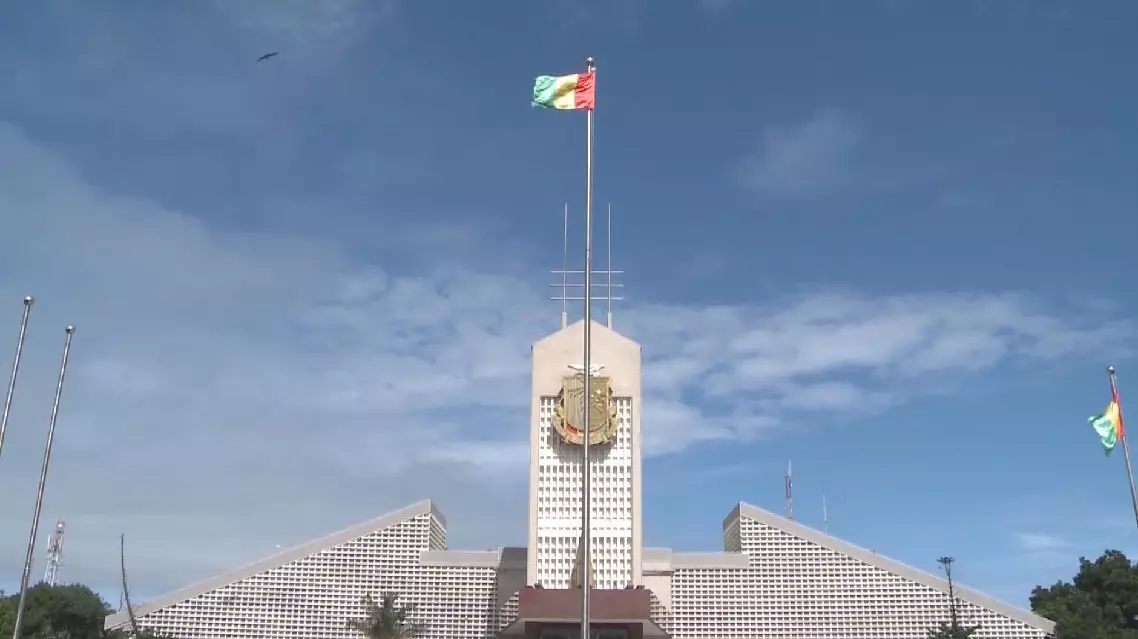
Guinea PM Bah hails China’s role in Simandou iron ore project