An intense heatwave has swept across the UK, breaking records and forcing residents to find ways to cope with scorching temperatures, with officials in London warning that pavement temperatures in parts of the capital have reached as high as 57 degrees Celsius.
Temperature records have been shattered multiple times this June, with the Met Office warning that climate change is making extreme heat increasingly common. UK summers are usually mild, most homes, schools and public venues lack air conditioning. Buildings are designed to retain heat rather than disperse it, leaving residents struggling to adapt.
Residents say the soaring temperatures have disrupted daily life, leaving them exhausted, improvising ways to stay cool, and questioning how to live with climate change.
"So I'm working from home. So it's hot. It's hot and my brain is melted," said a local resident.
"Do you go to the office so you get air conditioning? But then you have to brave the tube all the way there because, you know, or just stay at home and then take like five showers. The weather has been crazy everywhere in Europe and not only in Europe," another resident said.
"I don't know whether we can at this point do anything about the climate change, but we can definitely do something about how we deal with it and like how we live with it," said the resident.
In addition, fountains in the city parks became popular spots for residents to escape summer heat amidst the sweltering and humid conditions.
The London Ambulance Service said emergency 999 calls surged by 50 percent during the heatwave, as pavement temperatures in parts of the capital climbed to 57 degrees Celsius, according to the BBC.
Scientists warn that extreme heatwaves, once rare in Britain, are expected to become more frequent, longer‑lasting and more deadly in the years ahead.
UK heatwave shatters records as residents struggle to cope
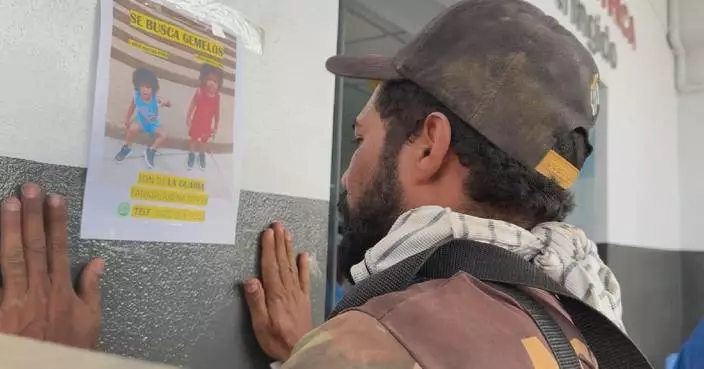
Hundreds of earthquake survivors are sheltering in temporary camps in Venezuela's La Guaira state, but a severe lack of water, basic supplies, and medication is making their daily struggle even harder.
Many residents have been unable to return to their homes for days due to collapsed buildings or structural safety concerns. The temporary shelter is now accommodating about 1,500 displaced people.
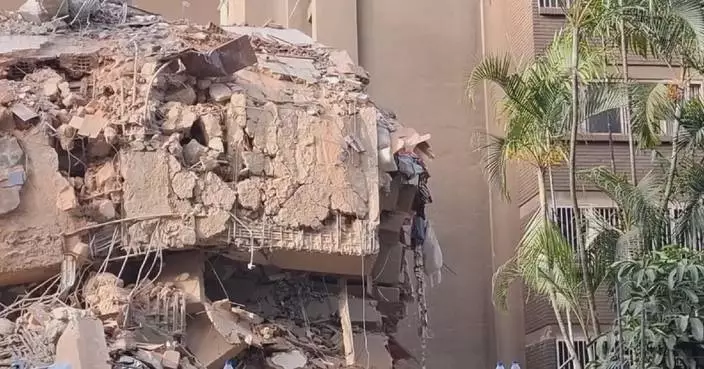
"This is our fourth day at the shelter. My home was right by the sea in the worst-hit area. So many buildings collapsed there. I lived in Building 26, and the earthquakes brought it down. My family and I were trapped under the rubble. After we were rescued, my children and I were all injured. My daughter had nearly 300 stitches running from her entire leg all the way up her back," said a local resident.
Piles of clothes are stacked along the streets outside the shelter. With no laundry facilities and the sweltering heat, residents have to sift through the piles just to find something relatively clean to wear. The shelter is currently facing severe shortages of all kinds of supplies.
Local authorities, together with the military and volunteers, are continuing to deliver drinking water, food, blankets, and hygiene products to the shelter, in an effort to meet the basic needs of those displaced.
"We're short on drinking water and basic daily necessities. We have patients who need medicine. Things are really tough right now," said a resident.
The death toll from the earthquakes that struck Venezuela within seconds of each other on Wednesday had risen to 1,430, Venezuelan National Assembly President Jorge Rodriguez said Saturday.
Rodriguez said on state television that 3,238 people had been injured and 3,142 families affected by the disaster.
After the two powerful quakes, Venezuela has recorded 430 light to moderate aftershocks, Rodriguez said in the latest government update on the national emergency.
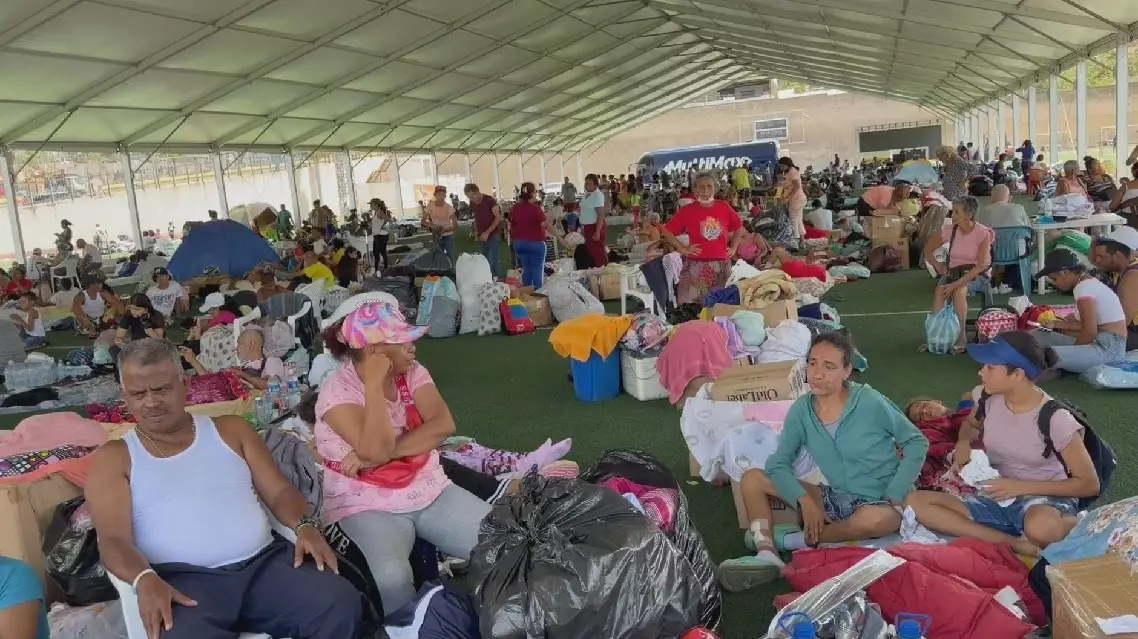
Shelters in Venezuela's La Guaira state in supply crunch after quakes