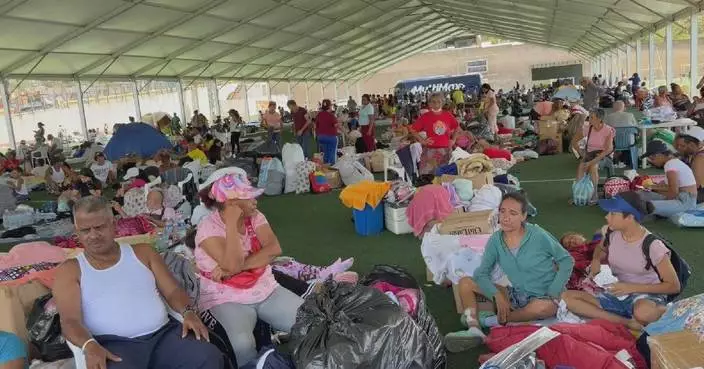
Survivors of Venezuela’s twin earthquakes are pleading for intensified rescue efforts after the disaster killed at least 1,430 people, injured more than 3,200, and left thousands of families displaced.
The quakes, measuring magnitude 7.2 and 7.5, struck central Venezuela less than a minute apart on Wednesday, according to the U.S. Geological Survey (USGS).
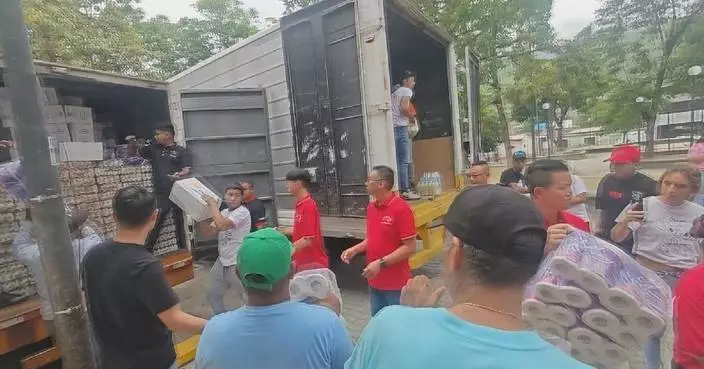
National Assembly President Jorge Rodriguez said Saturday that 3,142 families have been affected, while rescuers, overwhelmed by the scale of destruction and stretched thin on resources, continue combing rubble as international aid pours into the South American nation.
A China Global Television Network (CGTN) correspondent in Caracas interviewed survivors who described scenes of terror, loss, and fragile hope, underscoring the urgency of saving lives amid more than 430 aftershocks recorded nationwide.
In Caracas, survivor Miguel Moncada said he saw a nearby building collapse, with friends buried inside as the quake tore through the city.
"A complete shaking that wouldn't let me stand. It almost knocked me from side to side, and the walls in front of me started to crack open. And I stayed there for a while. I don't know how long it was, because for me that shaking of the building felt very long. And when it calmed down, I ran down the stairs, but unfortunately, the neighboring building next door was already toppled to the ground, with many friends inside," said Moncada.
With official rescue crews spread thin, Venezuelans themselves are joining the search for survivors.
"I went through a lot of emotions, but I gradually calmed down. I heard the news and ran here, so that I could help and support. I felt powerless. I couldn't help anyone. I didn't find anyone. I have been here since midnight and I haven't been able to help anyone," said Ivan Aljorna, another survivor.
Moncada, who lost his house and everything inside, said civil defense groups and other institutions have been caring and helpful.
"We were left without clothes, absolutely without anything. The car was also buried there. We were left with nothing, just what I'm carrying. We have quite a lot of support, and people have been very caring. We should recognize those groups from the civil defense department and other institutions who have been very helpful, at least in my case," said Moncada.
Survivors acknowledged lasting loss, but stressed that the immediate task is to save lives before more are lost.
"[It’s] the anxiety, because above all there is the rush to see if there are still people alive and to be able to rescue them. That is the most important thing, so that not so many human lives are lost. Because the material things are already lost. It’s more important to save as many lives as possible. The rescuers are doing what they can, really, because there is too much damage across the whole country," said Dairo Montero, another survivor.
"I'm not a professional rescuer or anything. I'm actually an actor, and I think all civilians can contribute a lot. Rescue teams have left here. I mean the civil defense forces, because there are other areas that are worse. And if there are no people to help, the chance that the people who are there can be rescued decreases. So, I think that, as much as people can go out to the places in need and help, and they contribute a lot," said Francisco, another survivor.
The quakes have left Venezuela facing one of its worst disasters in decades, with recovery expected to test the nation’s resilience for months to come.
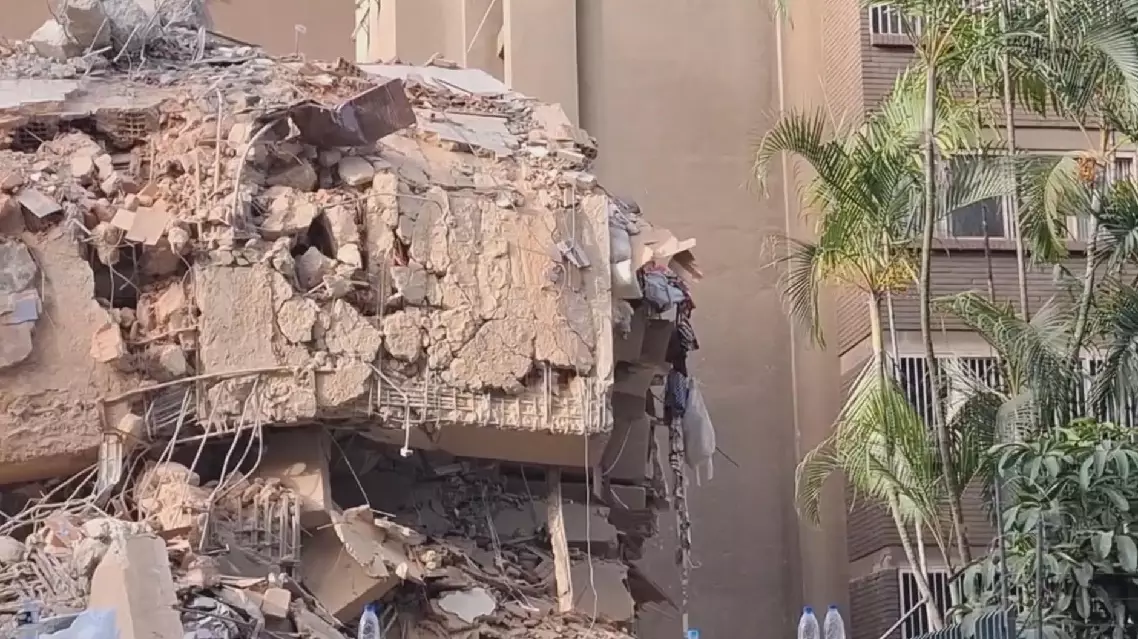
Survivors urge intensified rescue efforts after Venezuela's deadly earthquakes