Hundreds of earthquake survivors are sheltering in temporary camps in Venezuela's La Guaira state, but a severe lack of water, basic supplies, and medication is making their daily struggle even harder.
Many residents have been unable to return to their homes for days due to collapsed buildings or structural safety concerns. The temporary shelter is now accommodating about 1,500 displaced people.
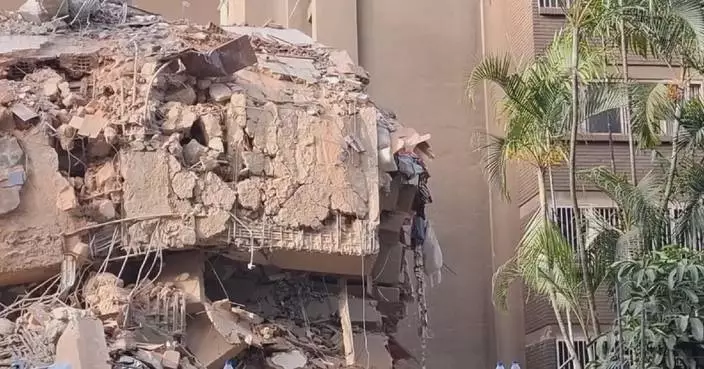
"This is our fourth day at the shelter. My home was right by the sea in the worst-hit area. So many buildings collapsed there. I lived in Building 26, and the earthquakes brought it down. My family and I were trapped under the rubble. After we were rescued, my children and I were all injured. My daughter had nearly 300 stitches running from her entire leg all the way up her back," said a local resident.
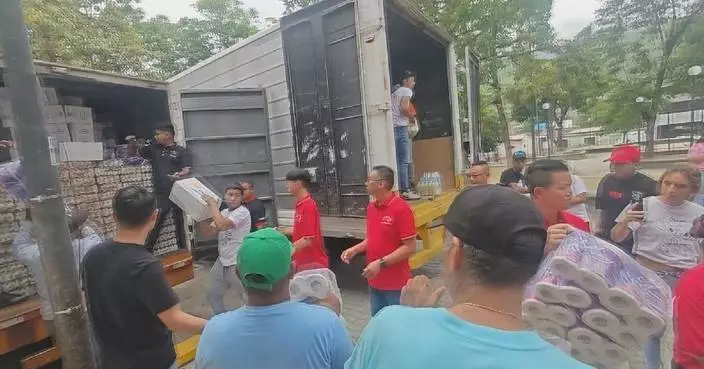
Piles of clothes are stacked along the streets outside the shelter. With no laundry facilities and the sweltering heat, residents have to sift through the piles just to find something relatively clean to wear. The shelter is currently facing severe shortages of all kinds of supplies.
Local authorities, together with the military and volunteers, are continuing to deliver drinking water, food, blankets, and hygiene products to the shelter, in an effort to meet the basic needs of those displaced.
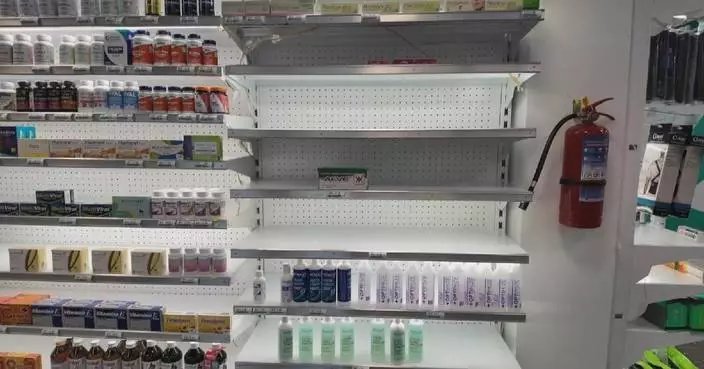
"We're short on drinking water and basic daily necessities. We have patients who need medicine. Things are really tough right now," said a resident.
The death toll from the earthquakes that struck Venezuela within seconds of each other on Wednesday had risen to 1,430, Venezuelan National Assembly President Jorge Rodriguez said Saturday.
Rodriguez said on state television that 3,238 people had been injured and 3,142 families affected by the disaster.
After the two powerful quakes, Venezuela has recorded 430 light to moderate aftershocks, Rodriguez said in the latest government update on the national emergency.
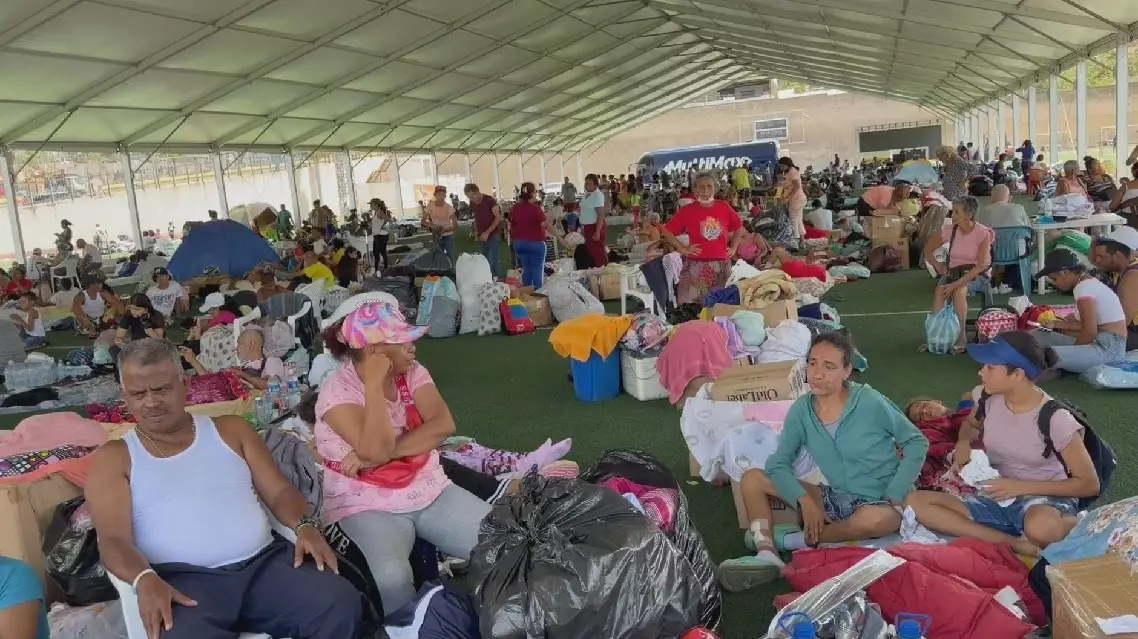
Shelters in Venezuela's La Guaira state in supply crunch after quakes
Hospitals in Caracas and neighboring La Guaira are overwhelmed with casualties, with desperate families moving from one facility to another in search of missing loved ones.
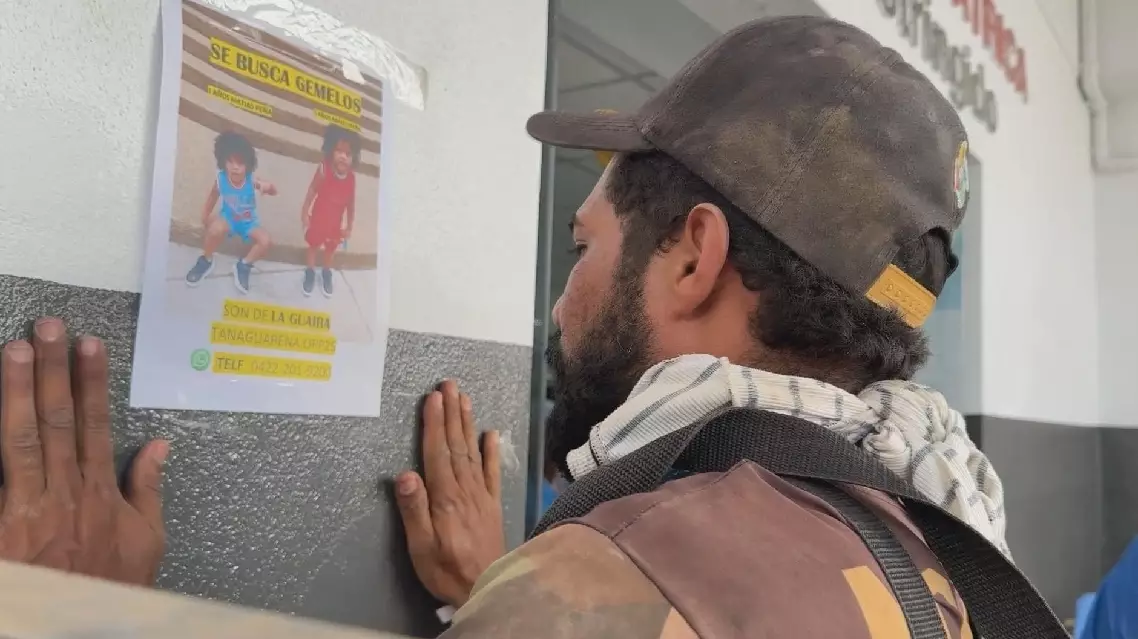
The disaster has killed at least 1,430 people, injured more than 3,200, and displaced thousands of families. The twin quakes, measuring magnitude 7.2 and 7.5, struck central Venezuela less than a minute apart on Wednesday, according to the U.S. Geological Survey (USGS). At the Jose Maria Vargas Hospital in Caracas, Luis Pena and his wife arrive from hard‑hit La Guaira after hearing unverified reports that their twin sons, Matias and Mateo, who have been missing since the earthquakes, had been rescued and transferred to the capital. The anxious parents put up missing‑person posters in pediatric emergency areas and on hospital walls, hoping someone will provide a clue that allows them to hold their children again.
"We are looking for our twins -- who, it seems, were found in the rubble last night -- and I'm heading up to various locations in Caracas and hospitals to see if I can find my children. They are in good condition, as they have already been found," said Pena, the twins' father.
Inside the hospital, pediatric wards have become the emotional epicenter of the disaster, filled with children separated from their families amid the chaos.
"The situation is truly critical. We have received an overwhelming number of patients. Many arrived without families or homes, or others have absolutely nothing left, but the clothes on their backs. We have critically ill patients with nowhere to live and no family members to take care of them. Many children also arrived without their parents or any other relatives by their side," said Naomi Gonzalez, nurse.
For some of those children, the reality of the disaster has been shielded by medical staff and volunteers trying to comfort them.
"My job is to accompany these children in the pediatric ward. Many of them do not yet know that their parents dead in the disaster in La Guaira while they are transferred here," said Fiorella Mora, a volunteer at the hospital.
As night fell over Caracas, the influx of anxious families showed no signs of slowing down. Relying on fragments of information from social media and word-of-mouth, many spent the evening checking casualty lists.
"I have been to every single hospital in Caracas and still haven't found him. I have been to the Bello Monte morgue but I didn't find him. I went there to check bodies to see if he was among them, but he wasn't. They told me to come to the Vargas Hospital here in Caracas, saying it was most likely he would be brought here," said Yuliana Eyzaguirre,
With emergency rooms pushed past their limits, medical personnel and responders continue to work through the night, attempting to save lives as both the casualty numbers and death tolls mount.
Quake-hit Venezuelans search packed hospitals for missing loved ones