Fertilizer and food-related costs are expected to rise significantly, with fertilizer prices projected to increase by between 15 and 20 percent, while food costs could rise by around 8 percent, given Malaysia's heavy reliance on imported inputs, Economy Minister Akmal Nasrullah Mohd Nasir said on Monday.
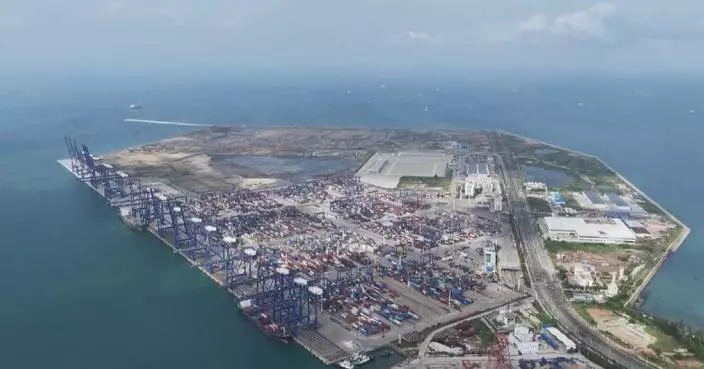
This is in part due to 63 percent of the country's fertilizer being imported, leaving the country's agricultural sector particularly exposed to global disruptions, Akmal told parliament.
Small and medium enterprises (SMEs) have been identified as highly vulnerable due to limited financial buffers, with cash flow pressures expected to intensify as input costs rise sharply, he said, adding that the government is working to ensure the security of essential goods, control the prices of basic goods and improve the efficiency of distribution channels in order to reduce the impact of price increases.
Akmal said the government has set out a broad policy response to what it describes as a prolonged global supply crisis. Current rice stocks, including buffer reserves, are sufficient for five to six months, while supplies of essential food items such as chicken, eggs, fish, milk and fruit are adequate for at least one month.
The government's strategy is structured around four pillars: protecting citizens, stabilizing supply and prices, supporting SMEs and industry, and strengthening long-term economic resilience with targeted cash aid and fuel subsidies expected to continue.
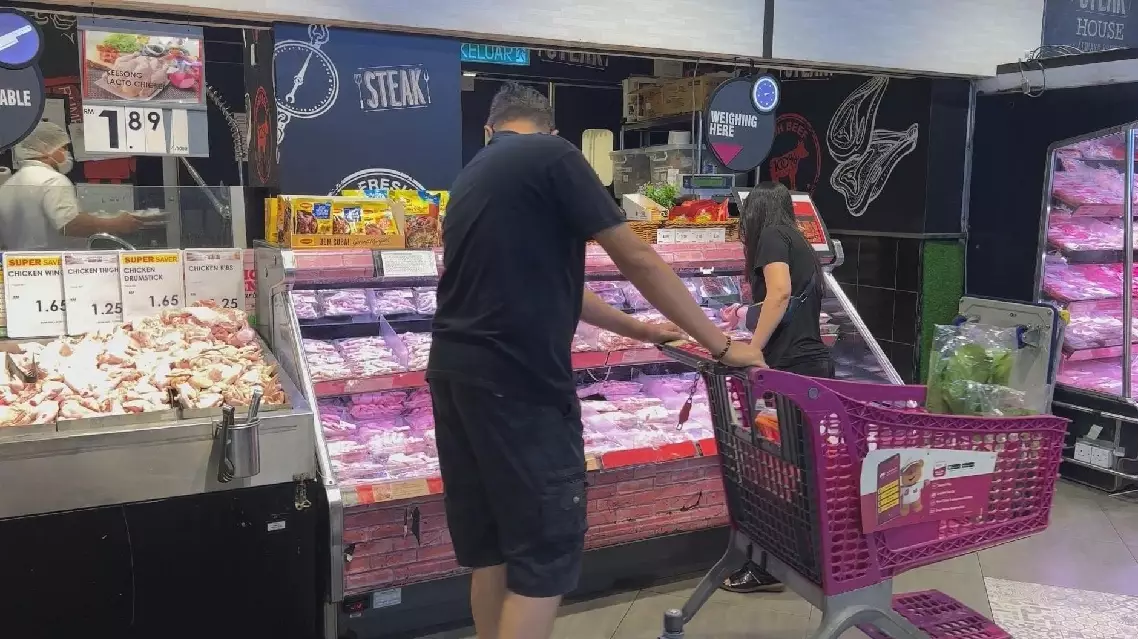
Malaysian food prices expected to rise by 8 pct, says Malaysian official
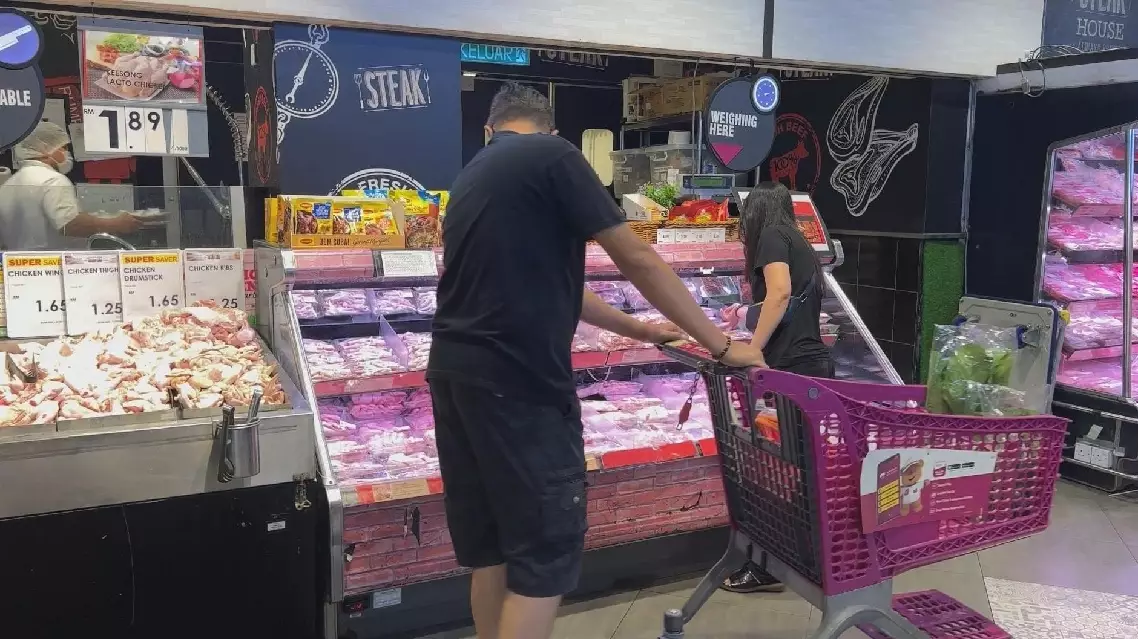
Malaysian food prices expected to rise by 8 pct, says Malaysian official
With tensions resurfacing barely two weeks after the United States and Iran signed a peace memorandum of understanding (MoU), an Iranian political expert has warned the U.S. is adopting a contradictory posture -- pursuing negotiations while continuing military pressure.
Fresh clashes have raised serious doubts about the durability of the fragile truce, with both sides accusing each other of violations.
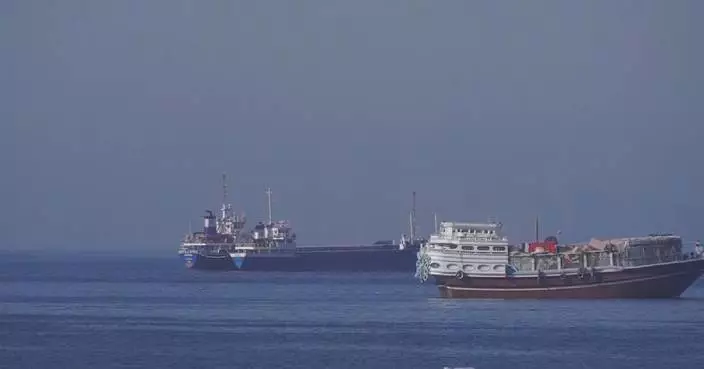
The U.S. conducted strikes on Iranian targets on Friday and Saturday, citing "continued Iranian aggression against commercial shipping" in the Strait of Hormuz. Iran responded by striking U.S. military positions in the region.
During an interview with China Global Television Network (CGTN), Foad Izadi, an associate professor at the University of Tehran, argued that Iran's actions in the Strait of Hormuz are in line with the MoU, contrary to U.S. accusations.
"Article 1 is very clear that a ceasefire means ceasing fire. The United States has violated that with regard to Iran. The excuse they have is that Iran is trying to manage the Strait of Hormuz in terms of the passage of ships. But apparently, they have not read Article 5, because based on Article 5 of the MoU, that is what Iran is supposed to do, at least for the next 60 days. And the management of the Strait of Hormuz is going to be decided between the two coastal states. That is Iran and Oman," he said.
Izadi warned that the U.S. actions undermine the possibility of genuine diplomacy, though Iran keeps that on the table.
"Diplomacy can work if the United States wants it to work. If they want to have these talks to keep oil prices low, because if these talks break down, it may affect oil prices. They don't want to do that. They want to keep oil prices low, and they want to attack Iran at the same time, and they don't want to do what they are supposed to do under the agreement. You see, they are already violating Articles 1 and 5 of the agreement. So they want to have it both ways. They want to have these negotiations, but they don't want to engage these negotiations seriously, and they are preparing for their next attack. This is something that Iranian officials realize," he said.
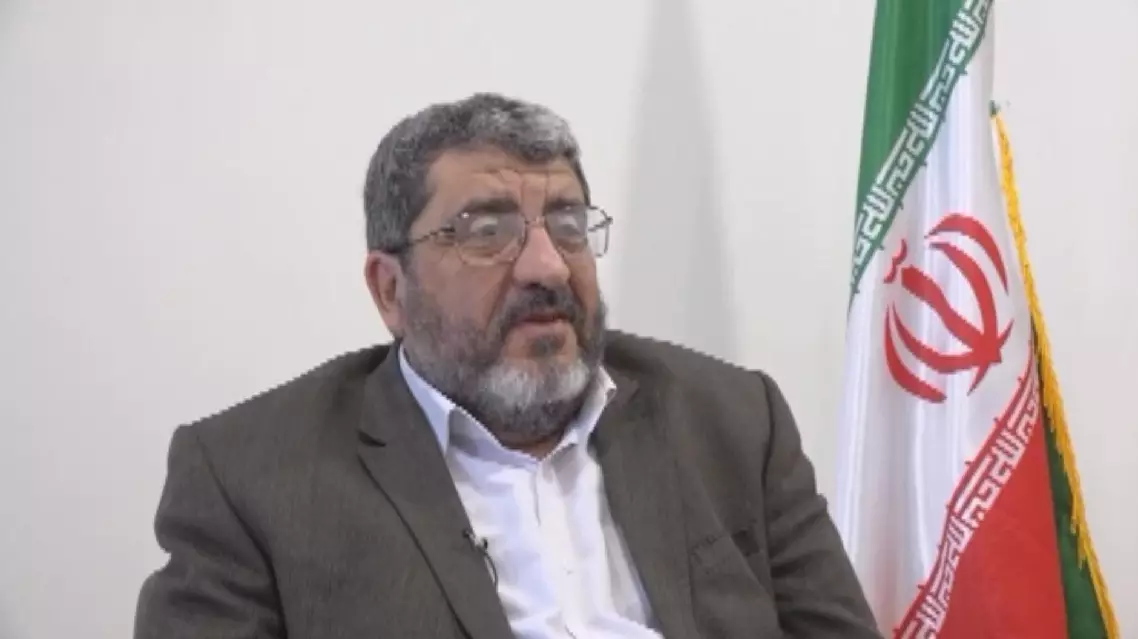
Iranian expert warns US violations undermine fragile ceasefire with Iran
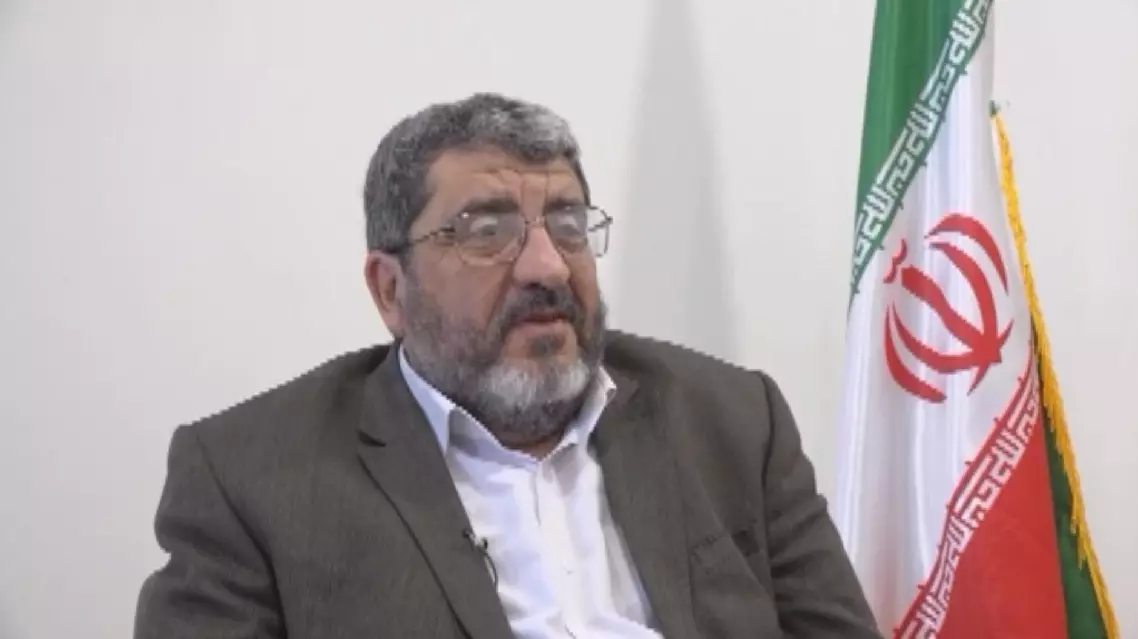
Iranian expert warns US violations undermine fragile ceasefire with Iran