China's trade promotion authorities issued more trade-related certificates in May, underscoring the resilience of the country's foreign trade and deepening economic cooperation with global partners, the China Council for the Promotion of International Trade (CCPIT) said on Tuesday.
China's trade promotion system issued 717,000 certificates, including certificates of origin and Admission Temporaire/Temporary Admission (ATA) Carnets, in May, up 12.14 percent year on year, according to the CCPIT at a monthly press conference in Beijing.
The value of non-preferential certificates of origin reached 30.256 billion U.S. dollars during the month, an increase of 14.36 percent from a year earlier.
The sustained growth in certificate issuance reflects the strong performance and steady growth momentum of China's foreign trade, according to Wang Yifei, spokeswoman for the CCPIT.
It also demonstrates China's deepening practical economic and trade cooperation with global partners, the expanding international presence of Chinese foreign trade enterprises, and the growing competitiveness and resilience of the country's exports driven by technological innovation and industrial upgrading, Wang said.
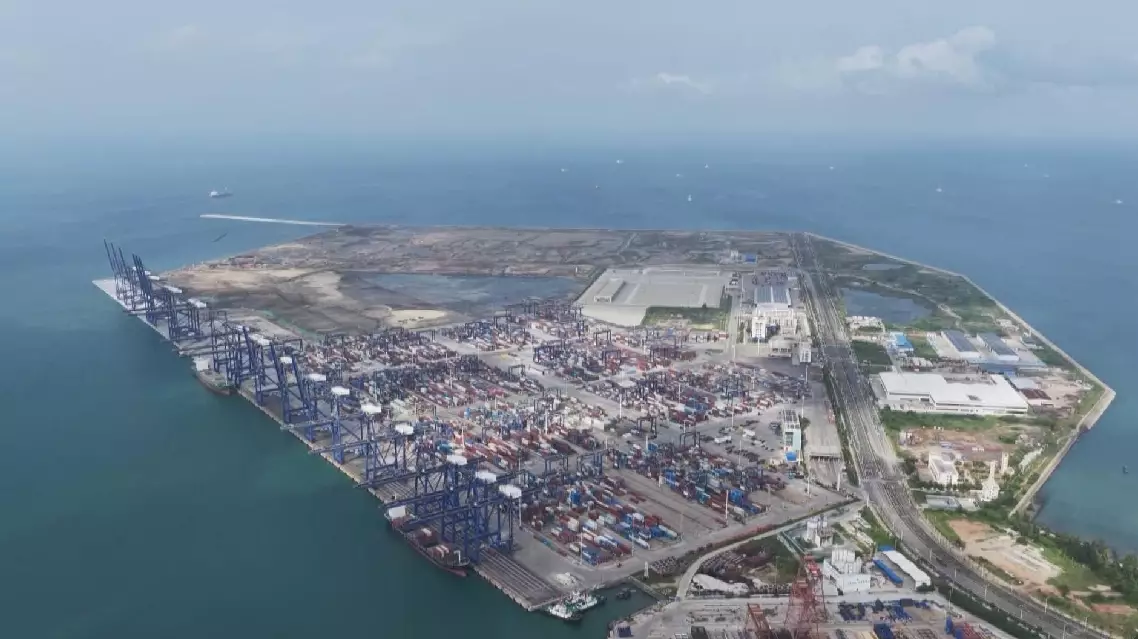
China's trade certificate issuance up 12.14 pct in May: CCPIT
Fertilizer and food-related costs are expected to rise significantly, with fertilizer prices projected to increase by between 15 and 20 percent, while food costs could rise by around 8 percent, given Malaysia's heavy reliance on imported inputs, Economy Minister Akmal Nasrullah Mohd Nasir said on Monday.
This is in part due to 63 percent of the country's fertilizer being imported, leaving the country's agricultural sector particularly exposed to global disruptions, Akmal told parliament.
Small and medium enterprises (SMEs) have been identified as highly vulnerable due to limited financial buffers, with cash flow pressures expected to intensify as input costs rise sharply, he said, adding that the government is working to ensure the security of essential goods, control the prices of basic goods and improve the efficiency of distribution channels in order to reduce the impact of price increases.
Akmal said the government has set out a broad policy response to what it describes as a prolonged global supply crisis. Current rice stocks, including buffer reserves, are sufficient for five to six months, while supplies of essential food items such as chicken, eggs, fish, milk and fruit are adequate for at least one month.
The government's strategy is structured around four pillars: protecting citizens, stabilizing supply and prices, supporting SMEs and industry, and strengthening long-term economic resilience with targeted cash aid and fuel subsidies expected to continue.

Malaysian food prices expected to rise by 8 pct, says Malaysian official