Skip to Content Facebook Feature Image

One of China's top hydropower resources hits clean energy milestone

China

China

China

One of China's top hydropower resources hits clean energy milestone

2026-06-30 17:20 Last Updated At:18:27

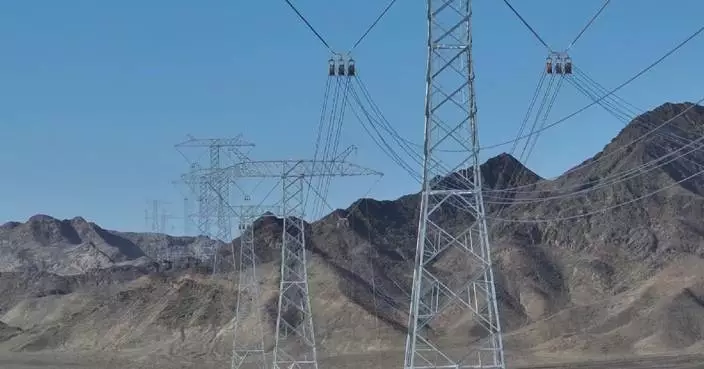
The Dadu River Basin in southwest China's Sichuan Province, one of the country's top hydropower resources, has become one of the first regions to achieve large-scale, centralized hydropower development under the nation's 15th Five-Year Plan (2026-2030) for national socioeconomic development, with its new clean energy capacity surpassing two million kilowatts.

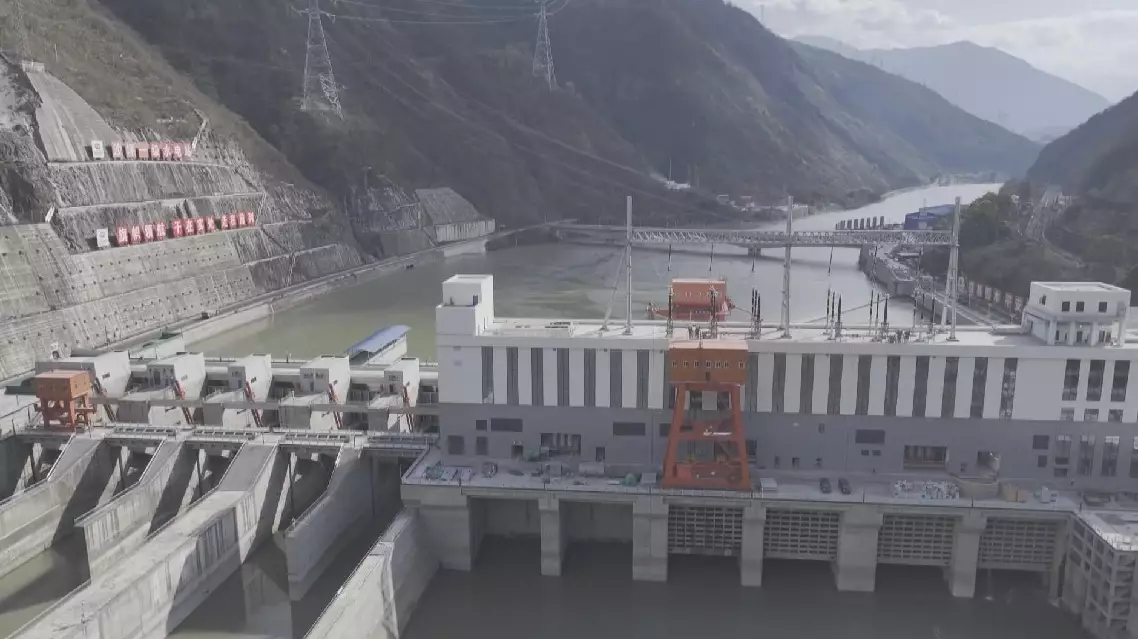
The Shaping First-level Hydropower Station, situated in Jinkouhe District, Leshan City of Sichuan, successfully brought all six of its generating units online as of Tuesday, reaching its full installed capacity of 360,000 kilowatts.

The full commissioning of this project marks a significant step for the Dadu River hydropower base, which has, in the opening phase of the 15th Five-Year Plan, successfully launched five hydropower plants, one photovoltaic project, and 17 generator units, adding a total of 2.172 million kilowatts of new capacity. This achievement makes the basin one of the first in China to realize large-scale hydropower commissioning during this period.

"We now have a capacity of nearly 15 million kilowatts of hydropower in operation within the Dadu River Basin. Our total joint storage capacity at full reservoir levels accounts for about 30 percent of all major nationally regulated reservoirs in Sichuan," said Xue Nianhua, director of the Dadu River Company under China Energy.

"At the moment, we are accelerating construction of the remaining units at the Shuangjiangkou Hydropower Station, along with six other hydropower projects on the upper reaches of the Jinsha River, including Xulong and Benzilan, and a number of new energy projects. Our hydropower and photovoltaic projects currently under construction have a combined capacity of over ten million kilowatts," Xue said.
One of China's top hydropower resources hits clean energy milestone


One of China's top hydropower resources hits clean energy milestone
Fertilizer and food-related costs are expected to rise significantly, with fertilizer prices projected to increase by between 15 and 20 percent, while food costs could rise by around 8 percent, given Malaysia's heavy reliance on imported inputs, Economy Minister Akmal Nasrullah Mohd Nasir said on Monday.

This is in part due to 63 percent of the country's fertilizer being imported, leaving the country's agricultural sector particularly exposed to global disruptions, Akmal told parliament.

Small and medium enterprises (SMEs) have been identified as highly vulnerable due to limited financial buffers, with cash flow pressures expected to intensify as input costs rise sharply, he said, adding that the government is working to ensure the security of essential goods, control the prices of basic goods and improve the efficiency of distribution channels in order to reduce the impact of price increases.

Akmal said the government has set out a broad policy response to what it describes as a prolonged global supply crisis. Current rice stocks, including buffer reserves, are sufficient for five to six months, while supplies of essential food items such as chicken, eggs, fish, milk and fruit are adequate for at least one month.

The government's strategy is structured around four pillars: protecting citizens, stabilizing supply and prices, supporting SMEs and industry, and strengthening long-term economic resilience with targeted cash aid and fuel subsidies expected to continue.

Malaysian food prices expected to rise by 8 pct, says Malaysian official

Malaysian food prices expected to rise by 8 pct, says Malaysian official

Recommended Articles