Many bars in Shanghai have adjusted their operating hours during the 2026 FIFA World Cup to align with the match schedule, catering to passionate fans watching the matches.
Some bars have opened earlier, extended their hours, or even stayed open around the clock.
At 7:00 on Sunday, at a bar on Shanghai's Xikang Road, British fans Ricky and Justin had already been watching the match of their country in front of the screen for two full hours.
"I slept from 23:00 to 4:00, got five hours of sleep, woke up and came here to enjoy the football," said Ricky.
After England's 2-0 victory, the two fans decided to move to another bar on Shaanxi North Road to catch the next match between Portugal and Colombia.
Normally, this bar doesn't open until 11:00 or 15:00, but during the World Cup, its opening hours have been temporarily adjusted to match the match schedule.
"There were two high-profile matches in the morning as well. The bar owner knew there would be a lot of fans, so he adjusted the time specifically. I took the subway for over an hour to get here," said Liang, a football fan.
"I just got back from a business trip, and I thought it was perfect that I had a day off, so I had to come and watch!" said Xu, another football fan.
The 2026 FIFA World Cup, which kicked off on June 11 at Mexico City's Azteca Stadium, will run until July 19. This edition, co-hosted by the United States, Mexico, and Canada, features 48 teams and 104 matches for the first time ever.

Bars in Shanghai adjust opening hours for World Cup
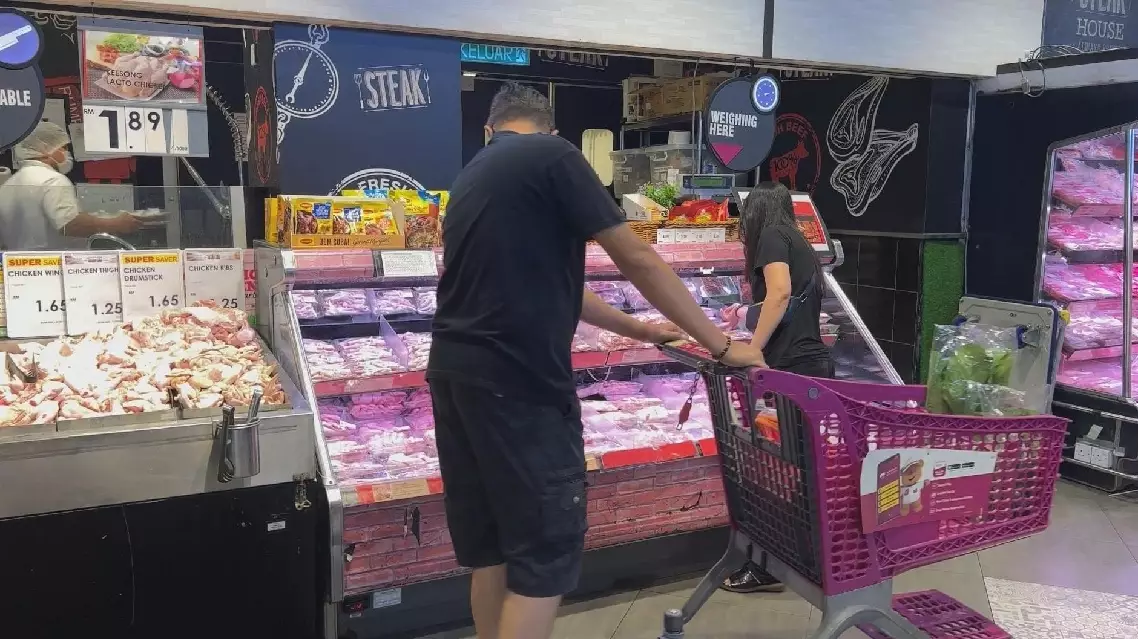
Fertilizer and food-related costs are expected to rise significantly, with fertilizer prices projected to increase by between 15 and 20 percent, while food costs could rise by around 8 percent, given Malaysia's heavy reliance on imported inputs, Economy Minister Akmal Nasrullah Mohd Nasir said on Monday.
This is in part due to 63 percent of the country's fertilizer being imported, leaving the country's agricultural sector particularly exposed to global disruptions, Akmal told parliament.
Small and medium enterprises (SMEs) have been identified as highly vulnerable due to limited financial buffers, with cash flow pressures expected to intensify as input costs rise sharply, he said, adding that the government is working to ensure the security of essential goods, control the prices of basic goods and improve the efficiency of distribution channels in order to reduce the impact of price increases.
Akmal said the government has set out a broad policy response to what it describes as a prolonged global supply crisis. Current rice stocks, including buffer reserves, are sufficient for five to six months, while supplies of essential food items such as chicken, eggs, fish, milk and fruit are adequate for at least one month.
The government's strategy is structured around four pillars: protecting citizens, stabilizing supply and prices, supporting SMEs and industry, and strengthening long-term economic resilience with targeted cash aid and fuel subsidies expected to continue.
Malaysian food prices expected to rise by 8 pct, says Malaysian official