Xiangride River, a crimson-colored river in Haixi Mongolian and Tibetan Autonomous Prefecture, northwest China's Qinghai Province, has entered high water season during summer, revealing spectacular views.
The river derives its distinctive hue from the sandstone and sediment it carries from the red-layer formations along its course.
Seen from above, the winding river carves through the southeastern edge of the Qaidam Basin, creating a breathtaking landscape against the sweeping plateau backdrop.
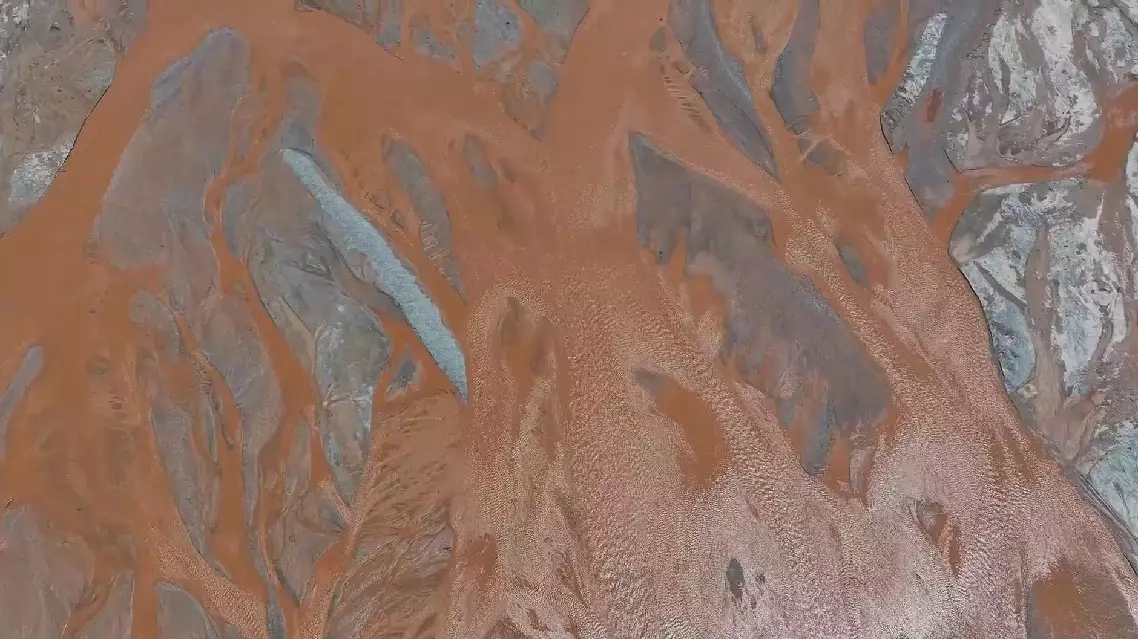
Crimson-colored Xiangride River presents stunning patterns during summer
With tensions resurfacing barely two weeks after the United States and Iran signed a peace memorandum of understanding (MoU), an Iranian political expert has warned the U.S. is adopting a contradictory posture -- pursuing negotiations while continuing military pressure.
Fresh clashes have raised serious doubts about the durability of the fragile truce, with both sides accusing each other of violations.
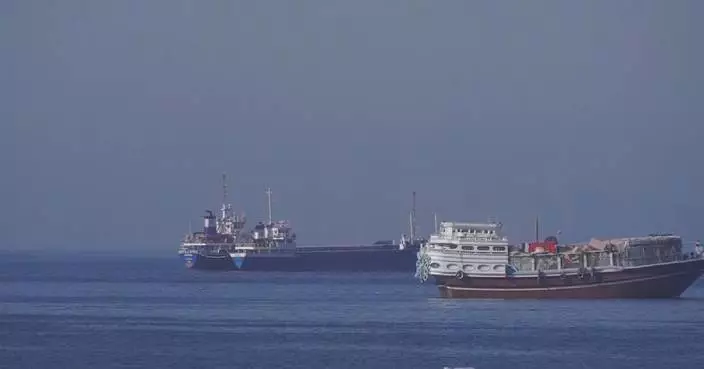
The U.S. conducted strikes on Iranian targets on Friday and Saturday, citing "continued Iranian aggression against commercial shipping" in the Strait of Hormuz. Iran responded by striking U.S. military positions in the region.
During an interview with China Global Television Network (CGTN), Foad Izadi, an associate professor at the University of Tehran, argued that Iran's actions in the Strait of Hormuz are in line with the MoU, contrary to U.S. accusations.
"Article 1 is very clear that a ceasefire means ceasing fire. The United States has violated that with regard to Iran. The excuse they have is that Iran is trying to manage the Strait of Hormuz in terms of the passage of ships. But apparently, they have not read Article 5, because based on Article 5 of the MoU, that is what Iran is supposed to do, at least for the next 60 days. And the management of the Strait of Hormuz is going to be decided between the two coastal states. That is Iran and Oman," he said.
Izadi warned that the U.S. actions undermine the possibility of genuine diplomacy, though Iran keeps that on the table.
"Diplomacy can work if the United States wants it to work. If they want to have these talks to keep oil prices low, because if these talks break down, it may affect oil prices. They don't want to do that. They want to keep oil prices low, and they want to attack Iran at the same time, and they don't want to do what they are supposed to do under the agreement. You see, they are already violating Articles 1 and 5 of the agreement. So they want to have it both ways. They want to have these negotiations, but they don't want to engage these negotiations seriously, and they are preparing for their next attack. This is something that Iranian officials realize," he said.
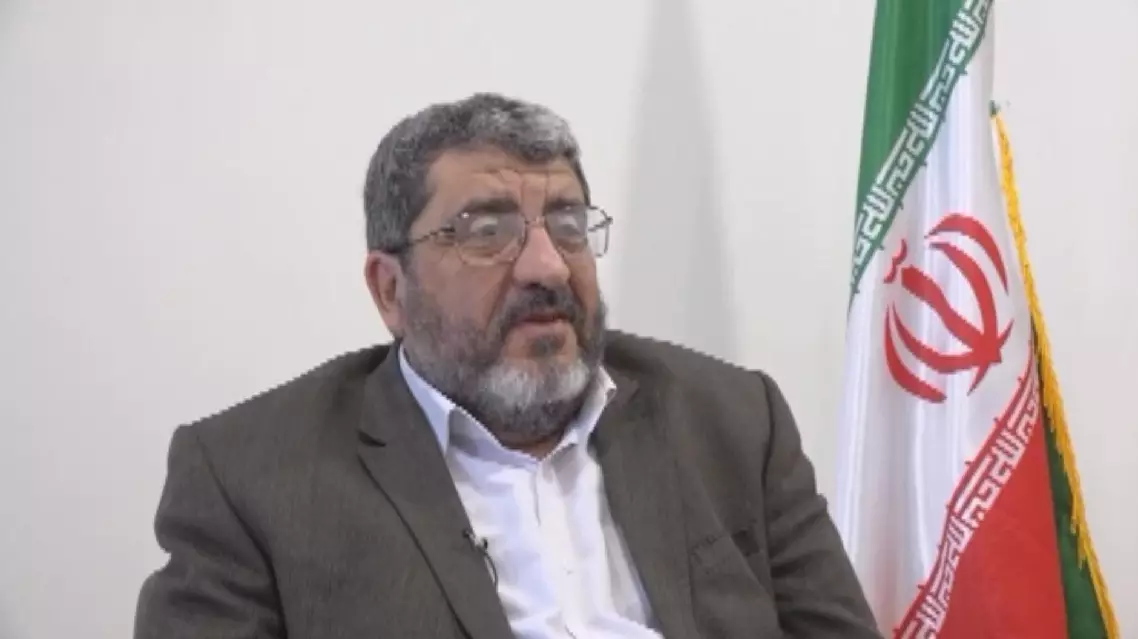
Iranian expert warns US violations undermine fragile ceasefire with Iran
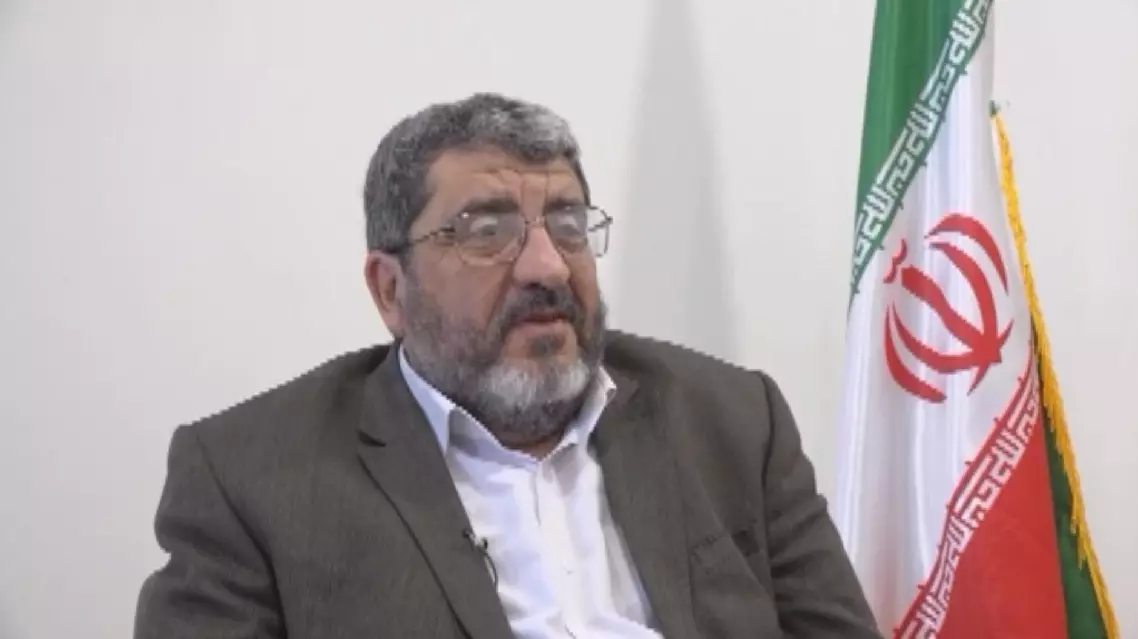
Iranian expert warns US violations undermine fragile ceasefire with Iran