Children are rapidly adopting artificial intelligence (AI) technologies, according to a statement issued by the United Nations Children's Fund (UNICEF) on Tuesday.
Based on an analysis of the latest data from 10 countries, UNICEF estimates that at least 20 million children worldwide have already used AI, and many are embracing it more than three times as fast as adults.
Over two million children said they would turn to AI for advice on issues they worry about, while around 13 million said they use AI to support learning and complete schoolwork.
While growing numbers of children worldwide are using AI, governance frameworks, including safeguards for children, have yet to keep pace.
Children are more exposed to AI systems but lack the capacity to avoid or challenge them. Across the 10 countries surveyed, one third of child respondents worried that AI could be used for scams or disinformation, and one quarter feared their images or videos might be manipulated into inappropriate content.
The UNICEF called on governments, the private sector and partners around the world to integrate children's rights, particularly the right to safety and protection, into global AI governance.
The UN agency stressed that choices made around AI today will shape children's safety, privacy, well-being and access to equal opportunity for decades to come.
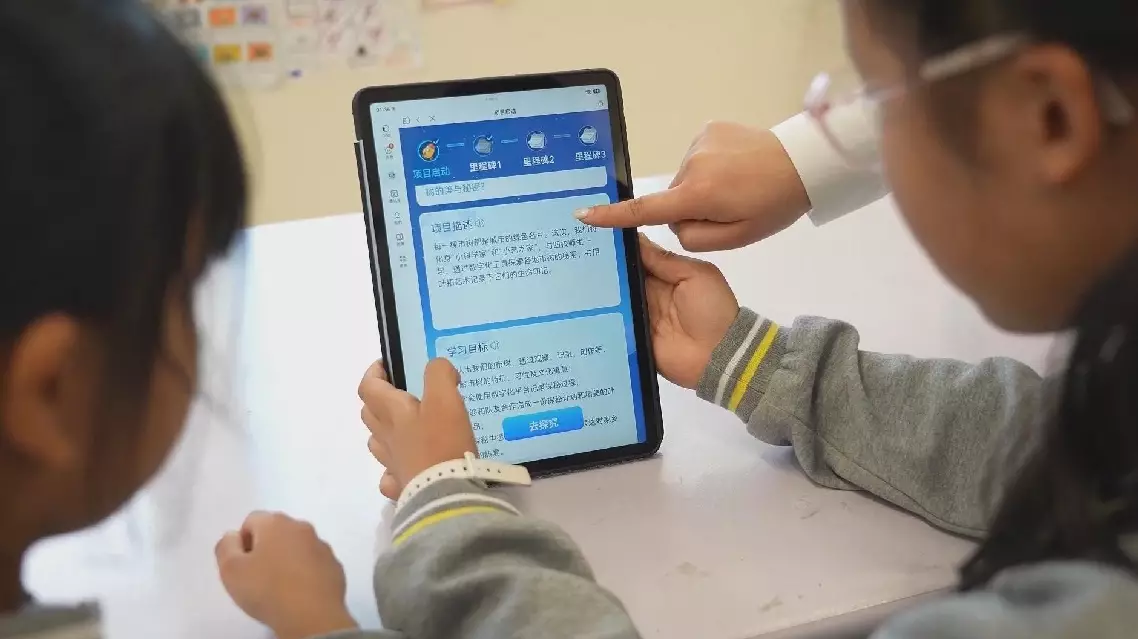
Children adopt AI technologies much faster than adults: UN report