India is grappling with the economic fallout of the Iran conflict, as disruptions to global oil supplies push fuel prices higher and poor rainfall adds pressure on household expenses.
In Mumbai, residents said daily grocery bills have climbed noticeably in recent weeks. Dry weather and crop losses have disrupted supplies of fruits and vegetables, while higher fuel prices have increased transportation and distribution costs, adding pressure across the supply chain.
"I can see how the price, more than 10 percent is going up within a month. Last month, I picked up, it was 40 rupees (about 0.42 U.S. dollars), okay. Today, it took 50 rupees. Similarly, other foods also. Of course, vegetable also going up," said Shravani, a local resident.
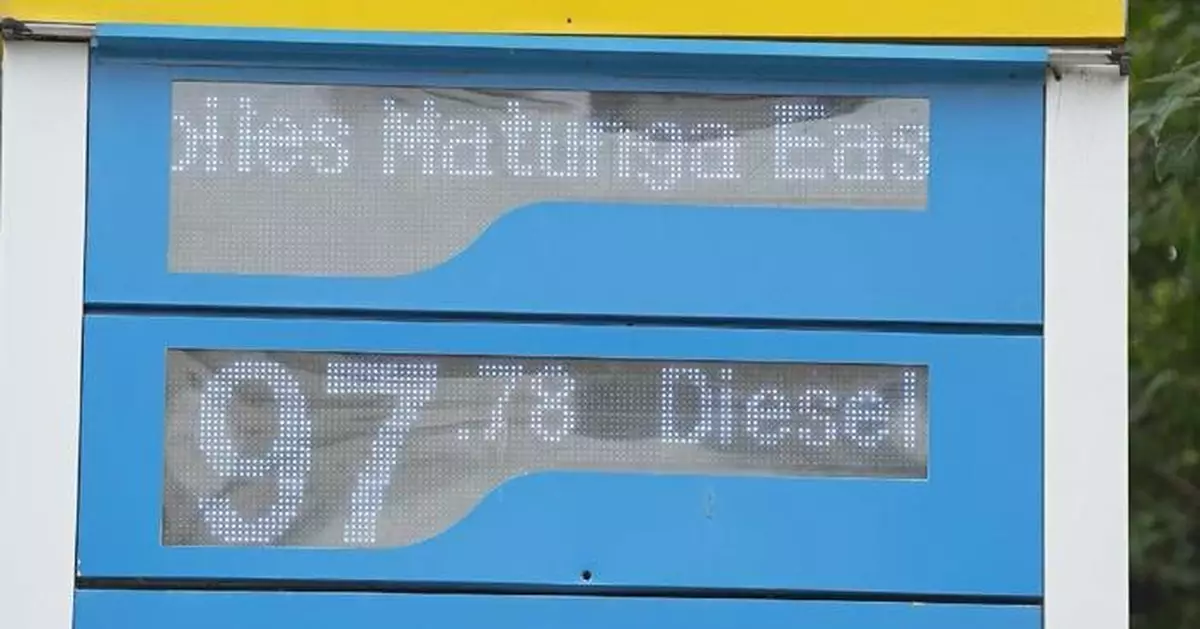
Since the war began, compressed natural gas (CNG) prices in India have risen between 7 and 10 percent. Diesel prices, closely linked to commercial transport, have increased by as much as 9 percent. The higher fuel costs are feeding into broader price increases beyond the pump.
Fast-moving consumer goods companies have responded by either raising prices by 3 to 5 percent or reducing product sizes, a practice known as grammage cuts, meaning consumers end up paying the same price for less.
As supply chains become more expensive, fast-moving consumer goods companies have responded either by raising prices by 3 to 5 percent or by reducing product quantities through grammage cuts, meaning consumers end up paying the same price for less.
India's retail inflation climbed to a 16-month high in May, driven largely by rising food and fuel prices. While easing global energy prices could provide some relief, below-average rainfall threatens to offset those gains by limiting agricultural output.
Rural areas, where incomes are closely tied to farming, are already feeling the strain more acutely than cities. Agriculture accounts for around 18 percent of India's GDP and employs roughly 43 percent of the population. Any decline in farm incomes can directly affect domestic consumption and overall economic growth.
Lower crop yields could further push up food prices, an issue India's central bank said it is monitoring closely. Economists said any revision to India's growth forecasts will likely depend on how the monsoon season develops and whether rainfall shortfalls persist.
"Specifically, vegetable price inflation and all we have seen it to be very volatile. But again, if you go with our historical experience with poor monsoon, it's not that all years of weak monsoon have been associated with high inflation. Government does intervene through various measures, through reducing import duty on some components or with export restrictions," said Rajani Sinha, chief economist of the CareEdge Ratings, one of India's leading credit rating agencies.
While policy measures and government interventions may help soften supply shocks, they are unlikely to provide immediate relief from mounting pressure on household budgets.
As the geopolitical effects of the West Asia conflict intersect with increasingly unpredictable climate patterns at home, the real challenge for Indian policymakers will be sustaining economic growth while easing the cost burden on ordinary citizens.
Conflict in Iran, weak monsoon squeeze Indian households with rising costs