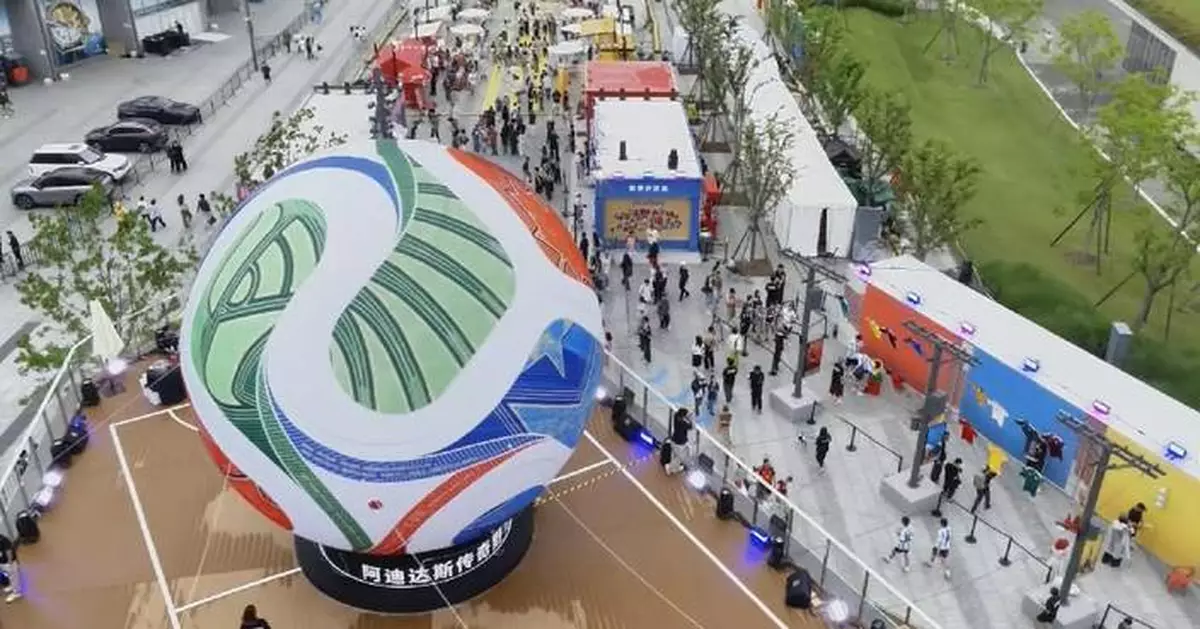
Excitement for the 2026 FIFA World Cup is transforming Shanghai into a vibrant testing ground for a new kind of consumer economy, one in which sports, social life and spending are becoming increasingly inseparable.
The city's consumer landscape is shifting. From pop-up exhibitions and official merchandise to themed dining, a commercial model is emerging that blends sport with social life and immersive experiences.
"My friends and I play football together every weekend. For the World Cup, we'll either be at a friend's home or a nearby bar to watch the games," said Tian Wuji, a football fan and a lawyer.
"I'm self-taught in German and French, so I've grown into European football culture. By subscribing online for the original commentary, I can practice my language skills while enjoying the match," said Wang Mengyuan, a football fan and a company manager.
"I studied in France, where my friends took me to a few games, and I got swept up in the atmosphere. I just bought this football-shaped bag when the tournament started," said Guan Lin, a football fan and an exhibition curator.
This passion for the World Cup is fueling local consumption and drawing fans from around the world. For these international visitors, Shanghai offers not just matches but a uniquely immersive consumer experience.
"This is the first game that I've watched. And it's really nice, I really like it here. I think it's more international than in my hometown. I've been in Shanghai a little less than a year. It's really fun," said Clara Barrios, a Mexican football fan.
Across the country, this fusion of sport, entertainment and business is empowering urban spaces, attracting crowds and boosting nighttime economies.
Experts say this surge in consumer spending signals a major commercial shift. Rather than watching games alone at home, fans are now planning vacations around the matches. Families are booking local hotels specifically for their high-quality viewing experiences.
That single decision can trigger a cascade of spending on accommodations, transportation, dining, sightseeing and leisure. The economic impact now extends far beyond the 90-minute match, turning the tournament into a powerful catalyst for urban consumption.
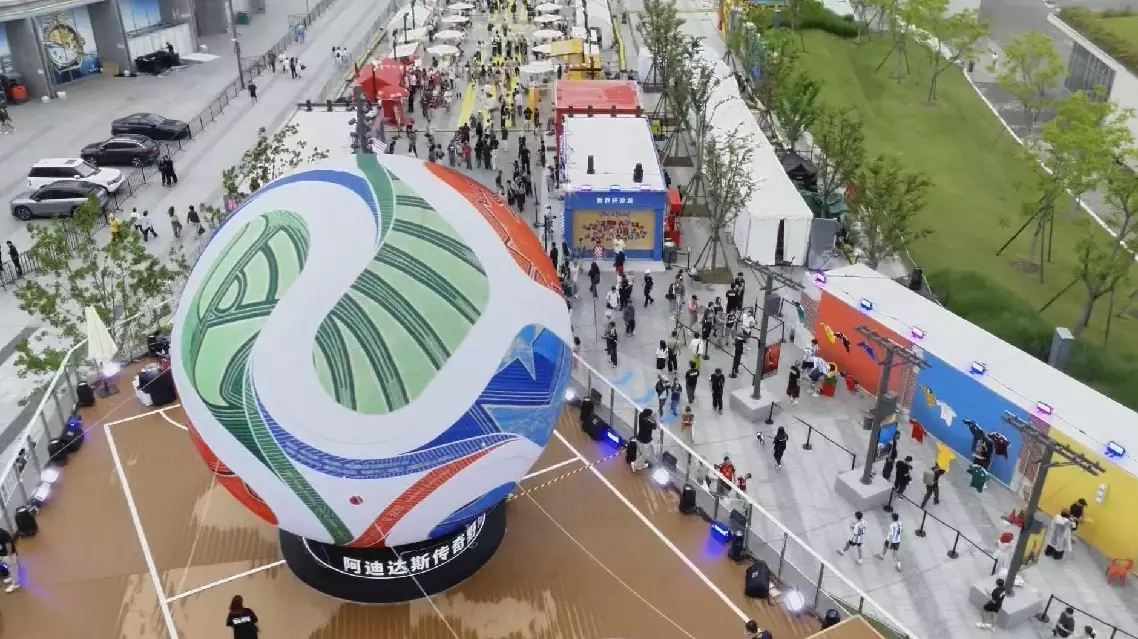
World Cup fever powers new consumer economy in Shanghai