WASHINGTON (AP) — The head of the FBI's Chicago field office is abruptly leaving his position, according to a resignation message he sent to colleagues and multiple people familiar with the situation who said he was told to retire.
Douglas DePodesta has served as special agent in charge in Chicago, one of the FBI's largest offices, for nearly two years and has been with the bureau since 2002.
He told colleagues that his last day would be Monday, according to a message seen by The Associated Press. Multiple people familiar with the matter, speaking on condition of anonymity to discuss a personnel move, said DePodesta had been pushed to retire.
The events leading up to his departure were not immediately clear, but DePodesta alluded in his farewell note to a conflict that he suggested had precipitated it.
“I've never backed down from a fight, as long as it meant our personnel could continue serving the FBI's mission,” DePodesta wrote in the message. “Unfortunately, that has proved unpopular over time and my departure is a consequence of that.”
The move is part of a broader upheaval in the FBI’s workforce as Director Kash Patel has sought to force out line agents and supervisors alike who are perceived as not supporting the Trump administration agenda. It also comes amid prolonged tumult in the law enforcement community in Chicago, whose top federal prosecutor, Andrew Boutros, described this week a sweeping review of more than 1,000 grand jury presentations made by Illinois prosecutors following the dismissal of a high-profile case over misconduct.
The FBI declined to comment Thursday, but the bureau's “rapid response” social media account on X responded to a separate post about DePodesta's departure by saying: “It’s simple: Anyone who is not on board with THIS FBI under the leadership of President Trump — which has achieved the lowest murder rate ever — is free to leave.”
DePodesta also quoted in his note from a farewell message from Patel's predecessor, former Director Chris Wray, who reminded the workforce that “you have been who the American people have turned to in their darkest moments” and praised them for having “stayed true to the values that define who we are, and to the qualities for which we stand: Fidelity, Bravery and Integrity.”
DePodesta joined the FBI in Chicago in 2002 and worked drug investigations. He later held senior roles at FBI headquarters in Washington and in Detroit and Memphis before being named top agent in Chicago in August 2024.
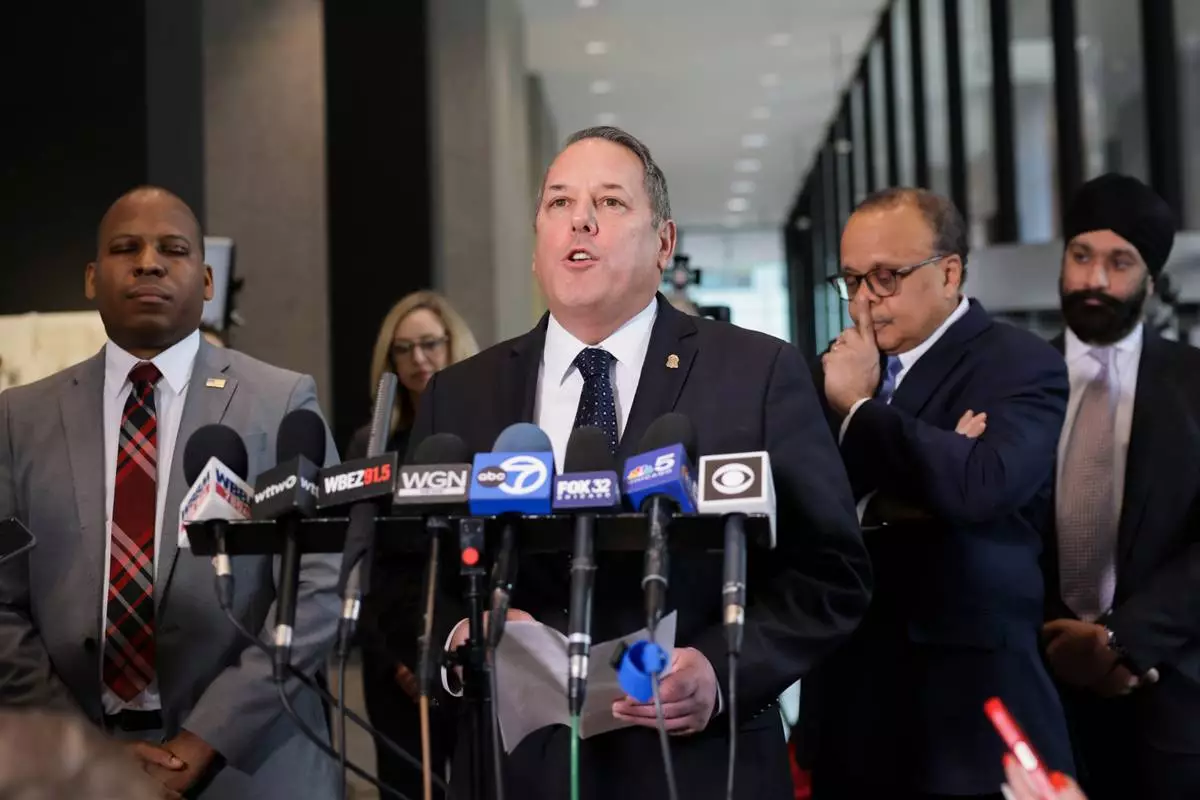
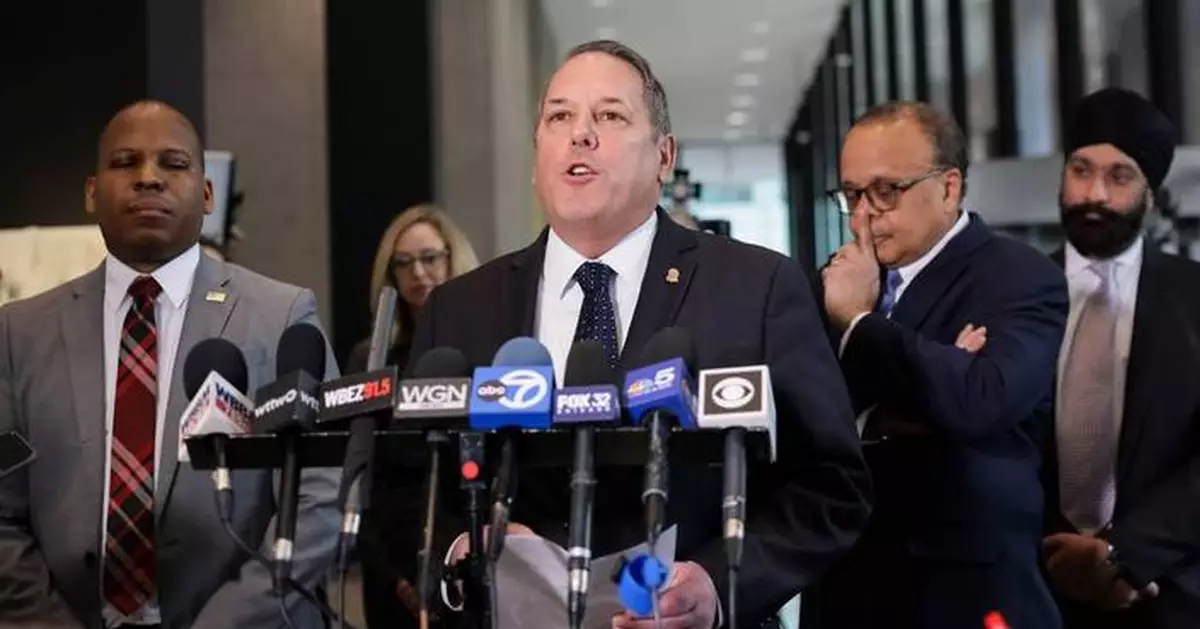
Douglas DePodesta, special agent in charge of the Chicago Field Office, speaks with reporters at the Dirksen Federal Courthouse in Chicago, Feb. 12, 2025. (Anthony Vazquez/Chicago Sun-Times via AP, File)
CATIA LA MAR, Venezuela (AP) — Black smoke from fires in flattened buildings and the smell of decomposing bodies spread across ruins Thursday, eight days after Venezuela’s devastating earthquakes, while rescue teams pulled on a thread of hope that they might still find survivors trapped beneath the rubble.
As officials carried body bags and stacked caskets in the port city of Catia La Mar, joy briefly broke through the pervading misery that has blanketed Venezuela's northern La Guaira on Thursday morning when rescue teams pulled a 43-year-old man out of the rubble he was buried under for nearly eight days.
Rescuers from across the Americas had worked for about 100 hours to pull Hernán Alberto Gil Flores from the collapsed shopping mall under which he was buried. Trapped in an air pocket, he'd survived on the water and sustenance rescuers passed him through the rubble. He was pulled out of the ruins on a stretcher and was carried to an ambulance as throngs of people cheered in a rare moment of victory.
Thousands more did not make it that far.
Venezuela's government said as of Wednesday that at least 2,295 were killed and more than 11,000 were wounded. Thousands more were sleeping in crowded shelters or outside, or remained missing as family members searched the rubble. The aftermath has left medics worried that the fallout could pave the way for a widening medical crisis of untreated injuries and infectious diseases in a healthcare system already on the brink.
Acting President Delcy Rodríguez continued to face mounting criticisms by Venezuelans over the government's inadequate handling of the earthquakes — civilian and international rescue efforts have far overshadowed the Venezuelan government response.
The criticism came just a day before the extension of Rodríguez’s 180-day mandate as acting leader was set to expire. Rodríguez served as deputy to former President Nicolás Maduro until he was ousted by the United States in January and she became interim leader with the backing of the Trump administration.
With little transparency by Venezuelan officials, it was unclear what would happen once the deadline passes on Friday.
Under Venezuela’s constitution, temporary absences are to be filled by the vice president — which was Rodríguez’s former role — for up to 90 days. These interim appointments can be extended by the national assembly for an additional 90 days.
The Venezuelan leader has strong support from lawmakers and the Trump administration. The National Assembly, controlled by Rodríguez’s party, can trigger a snap election if lawmakers declare the post permanently vacant.
The U.S. continued to throw support behind her government Wednesday in the face of criticism, and officials said there were 900 military personnel currently on the ground to support relief and rescue operations.
John M. Barrett, the U.S. chargé d’affaires to Venezuela, pushed back against accusations that Rodríguez was politicizing response efforts.
During a call with reporters, Barrett said the U.S. response “does require a high level of coordination with local authorities to be successful.”
“And what I can say with confidence is that the local authorities have fully complied with our requests and have accelerated this massive humanitarian response,” Barrett said.
Gen. Francis Donovan, head of U.S. Southern Command, added during the call that “decades of poor investment in the people of Venezuela” had “made this even more challenging for the current government.”
“It is a big problem for any leader to deal with a challenge of this magnitude,” Donovan said.
Janetsky reported from Mexico City. Associated Press journalist Ben Finley contributed to this report from Washington D.C.
Corrects that the deadline for the acting president expires on Friday, not Thursday.
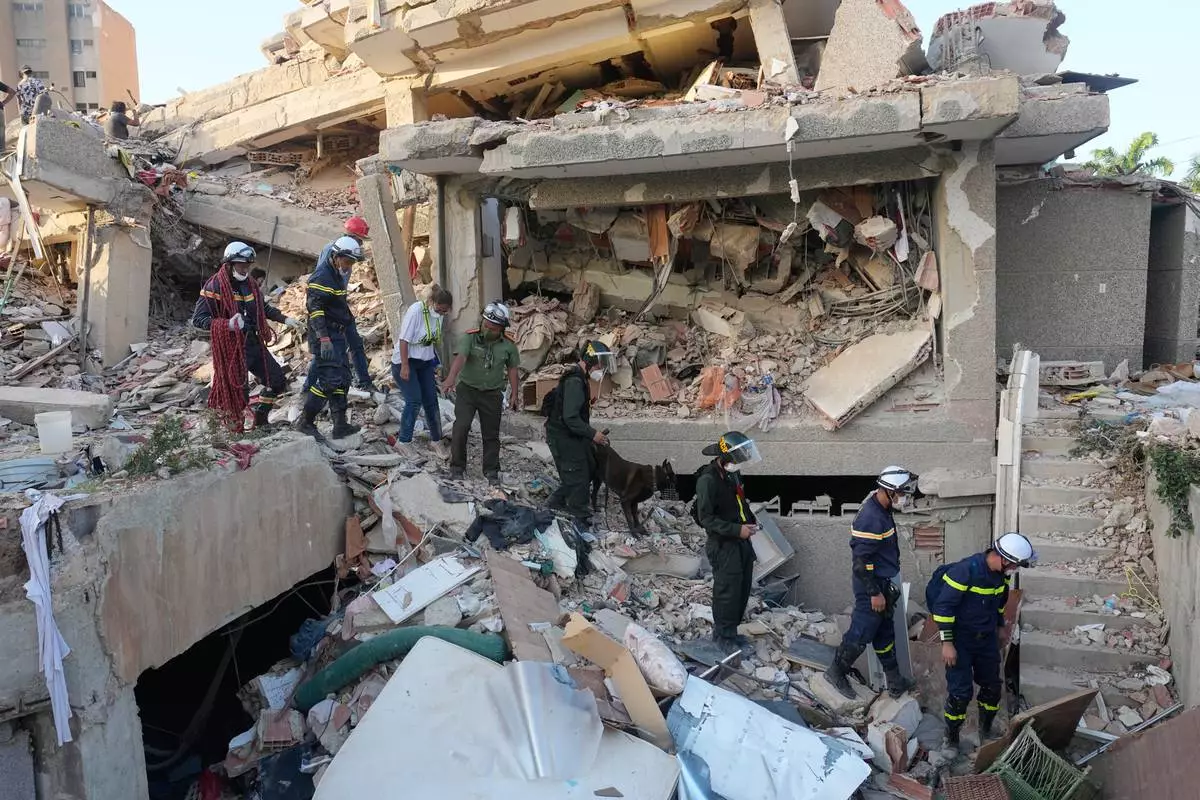
Vietnamese rescuers searches a building that collapsed during back-to-back earthquakes in Catia La Mar, Venezuela, Wednesday, July 1, 2026. (AP Photo/Fernando Vergara)
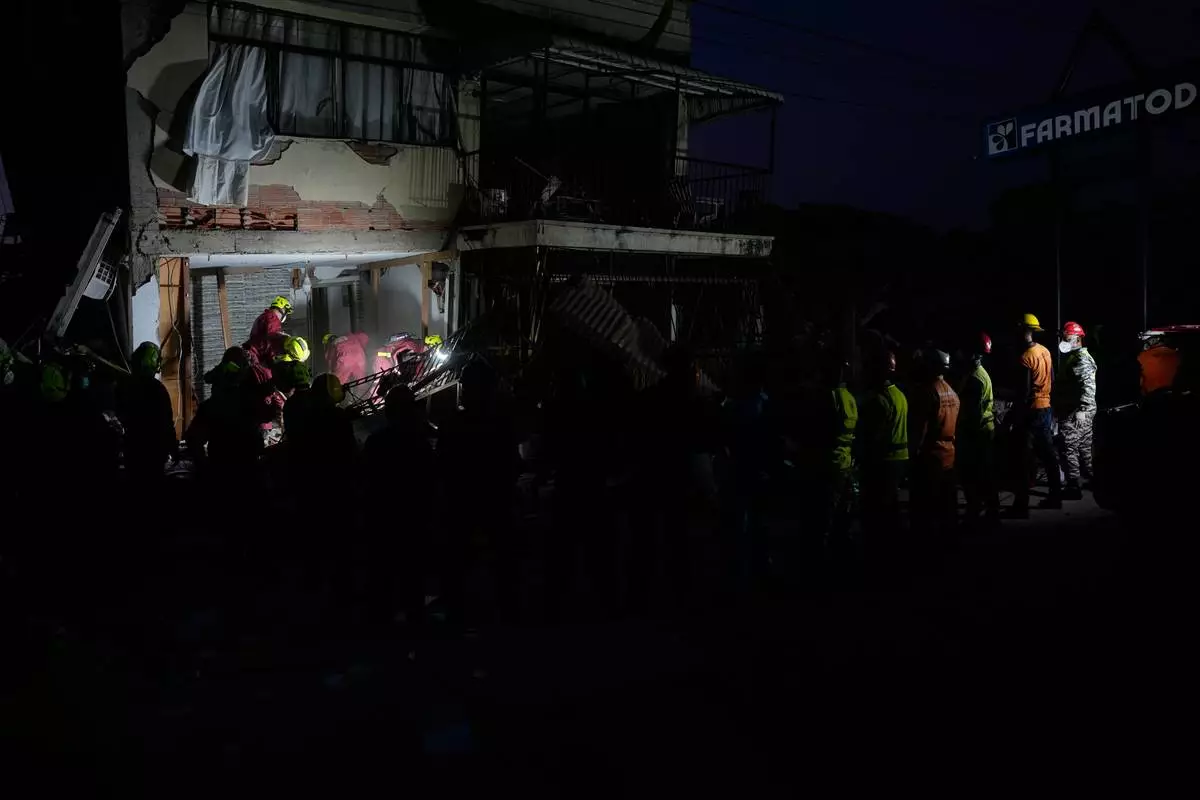
Rescuers from Argentina search a building damaged by back-to-back earthquakes after residents reported hearing noises from beneath the rubble in Catia La Mar, Venezuela, Wednesday, July 1, 2026. (AP Photo/Fernando Vergara)
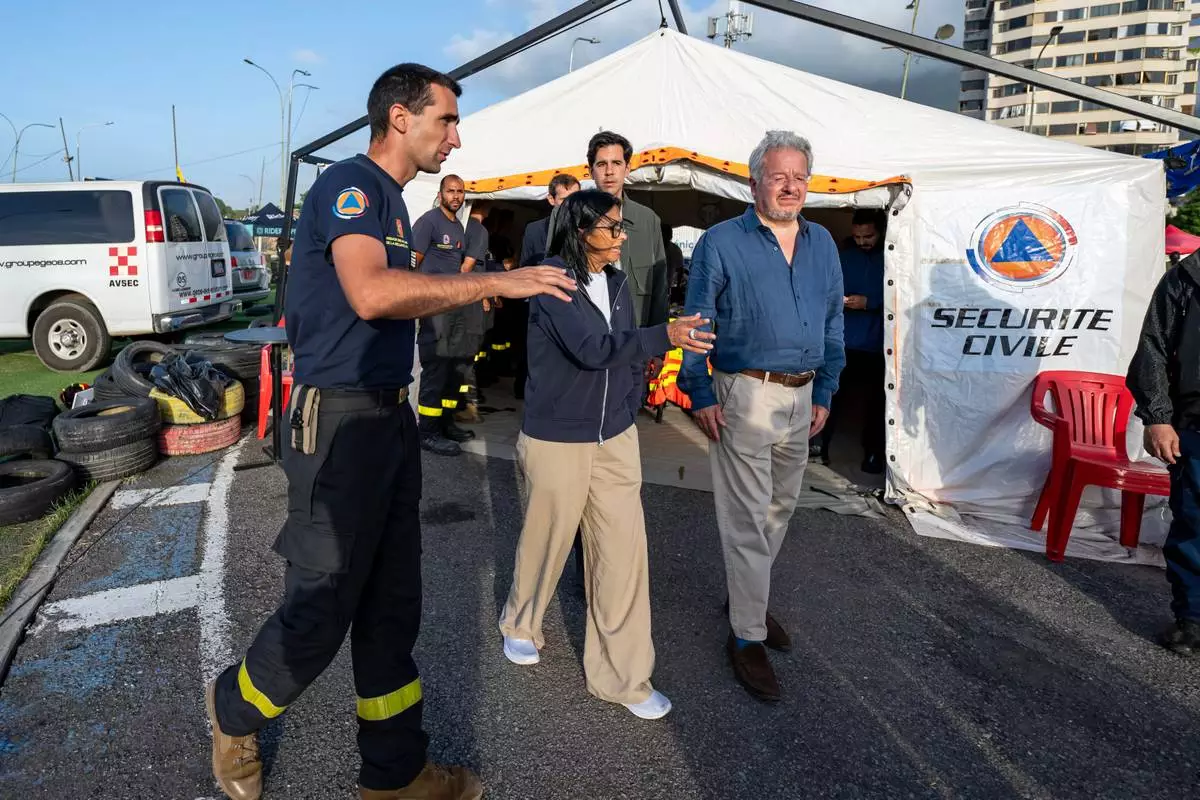
Lieutenant-Colonel Vianney Labbe, left, head of the detachment of the French 7th Civil Security Training and Intervention Regiment (RIISC 7), Venezuela's interim President Delcy Rodriguez, center, Oliver Blanco, Venezuela's Vice Minister for Europe and North America, and French ambassador to Venezuela Emmanuel Pineda, right, visit a temporary camp of the French Civil Security in La Guaira, Wednesday, July 1, 2026, following the June 24 earthquakes. (Miguel Medina/Pool Photo via AP)
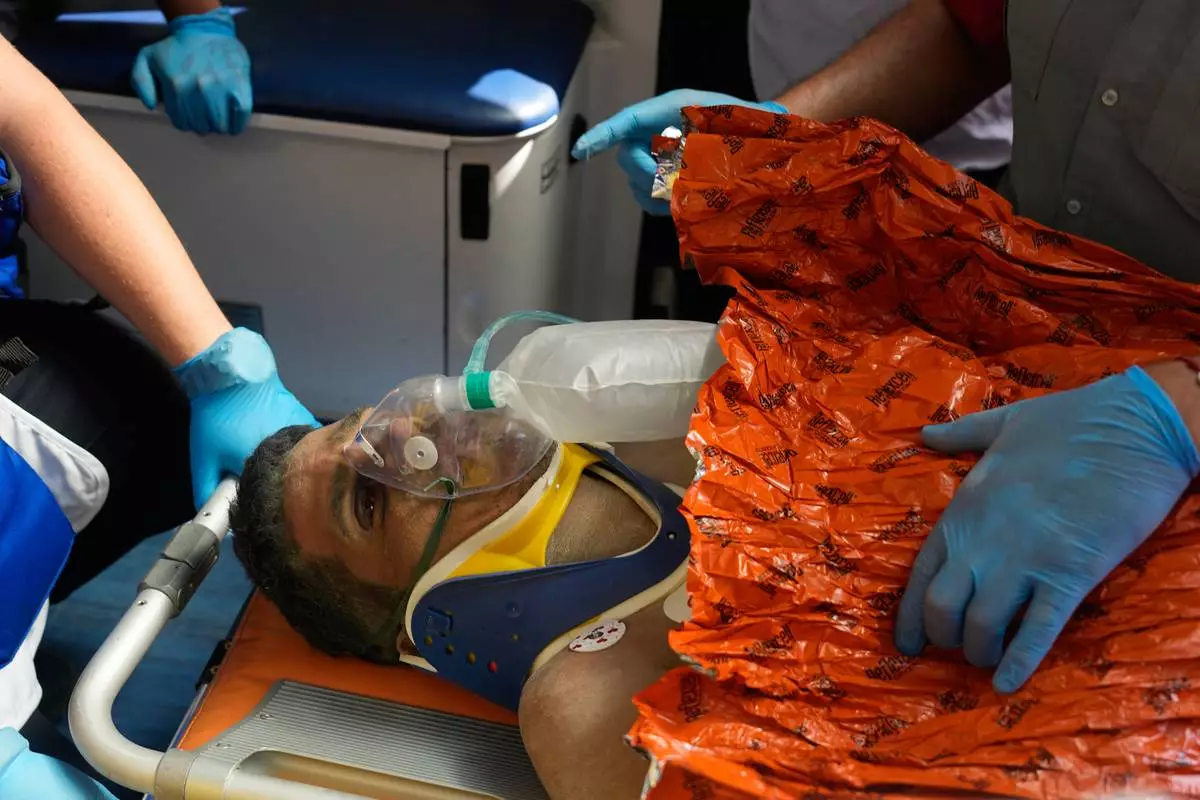
Rescue workers attend to Hernán Alberto Gil Flores after he was pulled from the rubble eight days after he was trapped by twin earthquakes that struck Catia La Mar, Venezuela, Thursday, July 2, 2026. (AP Photo/Fernando Vergara)
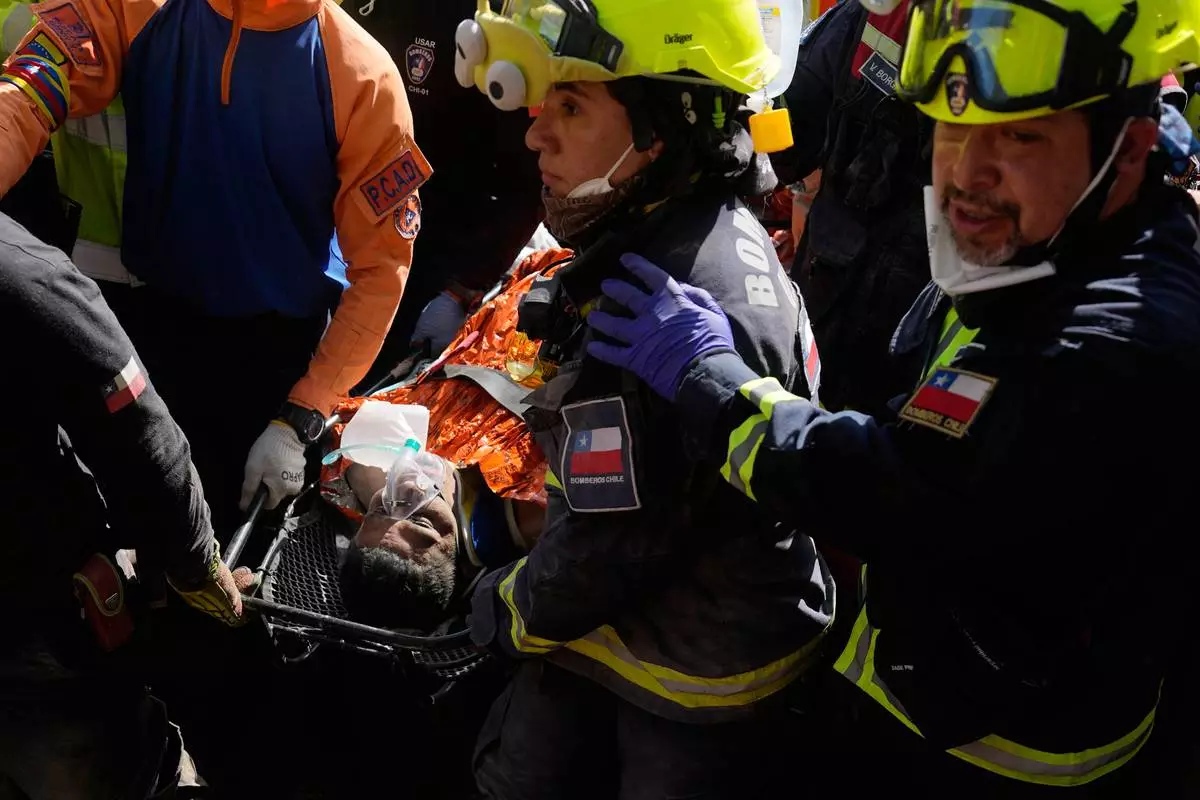
Chilean rescue workers carry Hernán Alberto Gil Flores after he was pulled from the rubble eight days after he was trapped by twin earthquakes that struck Catia La Mar, Venezuela, Thursday, July 2, 2026. (AP Photo/Fernando Vergara)