Iranian Parliament Speaker Mohammad Baqer Qalibaf said on Friday that the Strait of Hormuz should be jointly managed by Iran and Oman.
Qalibaf made the remarks during a meeting with his Iraqi counterpart, Haibet al-Halbousi, saying that a recently signed memorandum of understanding with the United States had already set out provisions on the management of the strait.
He added that Iran is currently consulting with Persian Gulf countries, including Iraq, on the matter.
Qalibaf also congratulated al-Halbousi on his election as speaker of the Iraqi Parliament and thanked him for attending the farewell ceremony for Iran's late Supreme Leader Ayatollah Ali Khamenei.

Strait of Hormuz should be jointly managed by Iran, Oman: Iranian Parliament speaker
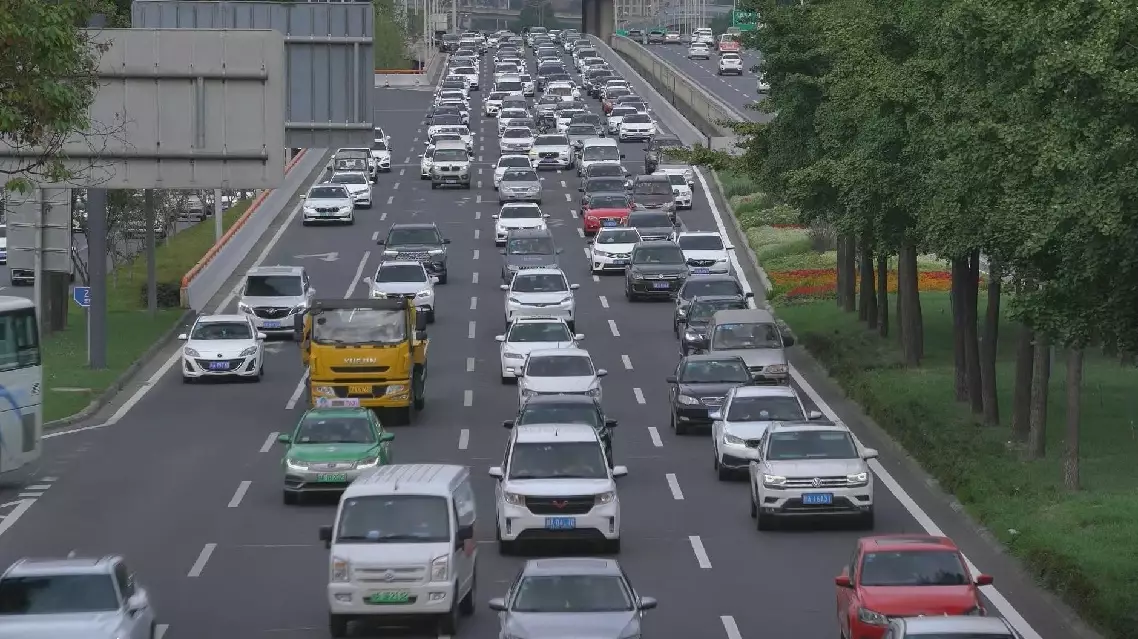
Chinese authorities announced Friday that starting from January 1, 2027, the country will cancel the policies of halving the vehicle and vessel tax for energy-saving vehicles and exempting certain new energy vehicles (NEVs), including pure electric commercial vehicles, plug-in hybrid electric vehicles, and fuel cell commercial vehicles from the tax.
With the adjustment, taxpayers who have acquired or will acquire the above-mentioned vehicles will be required to pay the annual tax starting next year, according to the Ministry of Finance.
However, pure electric passenger vehicles and fuel cell passenger vehicles remain unaffected by this policy adjustment and will continue to be exempt from the tax, as the two categories do not fall within the taxable scope stipulated by the vehicle and vessel tax law.
The vehicle and vessel tax is a property tax levied annually on the owners or managers of vehicles and vessels. Provincial-level regions can set region-specific applicable tax amounts within a certain range of tax rates.
Since 2012, China has implemented preferential vehicle and vessel tax policies to support the growth of the NEV industry and promote energy conservation and emission reduction. In recent years, the sector has witnessed rapid growth, along with rising challenges brought about by the preferential treatment to tax equity and the regulatory role of tax.
Analysts believe that this policy adjustment will help promote tax equity and guide the sound development of the NEV industry.
China to cancel vehicle and vessel tax preferential policy for energy-saving vehicles, NEVs