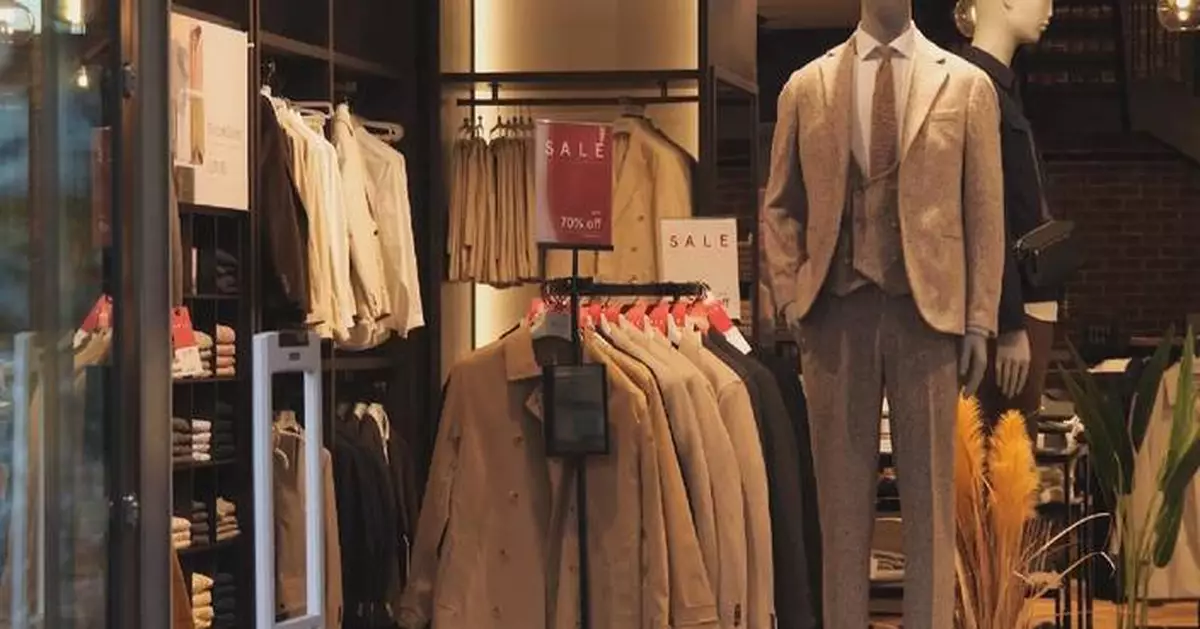
For months, the cost of a shopping basket for people in Europe has been slowly creeping up. The same is true for trips to the local high street.
One reason is the current disruption in the Middle East. Not only does the Strait of Hormuz directly impact oil prices, but it's also acting as a hidden cost multiplier on everything from baby products to fast fashion.
Whether people are filling the cupboards or refreshing the wardrobe, the receipts can make painful reading.
"[Something] that I used to pay 1.54 pound for has now gone up to 2.10 pound," said a resident in Bristol.
A rapid and sustained rise in oil prices was the first thing to hit consumers after hostilities broke out in Iran.
That pain at the pumps soon spread to hundreds of other products. And no matter where you look in your house, prices are being driven up by what's happening thousands of kilometers away.
"There is some kind of a difference between the price it was before the war and now. So definitely there is an increase in the price," said a resident.
The cost of oil isn't solely to blame. The British fashion giant Next announced it was raising prices as a direct result of the war.
Higher costs for energy, shipping and raw materials have all been blamed, along with supply-chain delays.
"You're working for pennies and then you're paying extreme premiums or prices of things that aren't worth it," said another resident.
In the UK, the government insists tackling high prices is an urgent priority.
But the interconnected nature of the global economy has left consumers facing a harsh reality. The cost of instability will be paid on high streets around the world, one purchase at a time.
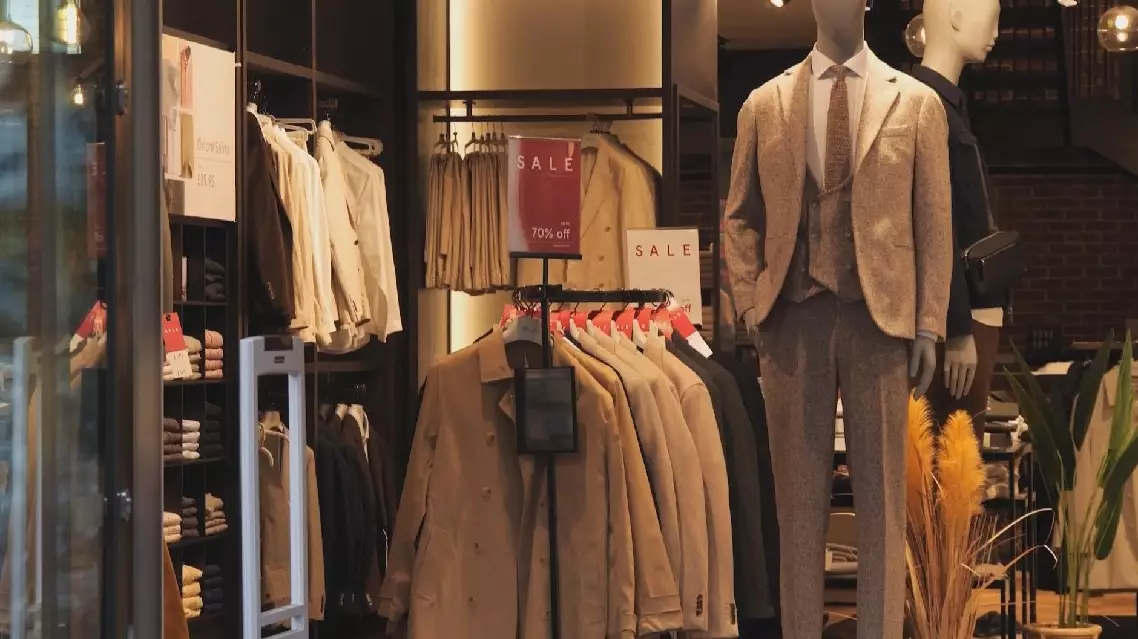
Price increases affect people's daily life in UK after disruption in Middle East