Kentucky Gov. Andy Beshear is directly asking Sen. Mitch McConnell, the state's most powerful figure in Congress, to disclose more about his condition after three weeks of silence from the 84-year-old since he was hospitalized in Washington.
The letter released Wednesday from Beshear, a Democrat who is considered a potential presidential candidate in 2028, to the former Senate Republican leader says “Kentuckians have grown increasingly concerned about the current state of your health and well-being, and ability to hold office.”
McConnell, whose physical condition has visibly declined in recent years, was hospitalized June 14. He has not released a public statement, photos or videos since. Aides have disclosed nothing specific about his condition, other than to say last week that McConnell “continues to improve, and is working closely with his staff on Kentucky and Senate matters while the Senate is out of session.”
That lack of detail has fueled rampant speculation about his prognosis and whether he will return to the Senate when it reconvenes next week. The firestorm was enough that Republican Senate leaders on Tuesday made public statements saying they had talked to McConnell and that he was alert and discussing current events.
McConnell is retiring at the end of his term in January, and the campaign to elect his successor already is underway. Kentucky’s Senate succession law, which Republican legislators have twice changed during Beshear’s tenure, does not give the governor a role in picking a temporary successor should McConnell’s seat become vacant before his term ends.
Under the latest change in 2024, Beshear would call a special election if the seat became vacant. The winner of that election could take office after the result is certified. The general election winner would be sworn in as part of the new Congress in January. But there are unresolved questions about the timing of a special election under the untested law and the possibility the seat could remain vacant until January.
Beshear ended the letter by wishing McConnell “a safe and speedy recovery.”
A look at what an absence from the Senate or a vacancy could mean.
There is not much, if anything, that Beshear, Kentucky lawmakers or the Senate could do if McConnell remains in office but is unable to perform his duties between now and when the current Congress expires in January.
Senate rules do not allow proxy voting. But there have been extended Senate absences before, and the chamber has continued its business with however many senators are in attendance. Republicans currently hold a 53-47 advantage. Without McConnell, that means a maximum of 52 Republican votes are available.
McConnell had been among the senators blocking war powers resolutions that seek to limit President Donald Trump's military options in Iran. Without him, the administration has less of a buffer. On the other hand, McConnell already had been among the Republicans refusing to support Trump's sweeping elections law overhaul.
The 17th Amendment to the U.S. Constitution calls for Senate vacancies to be filled by popular elections. But it allows state legislatures to empower governors to appoint an interim senator to serve through those campaigns. Most states have taken this option, according to the Congressional Research Service.
Kentucky law allowed interim appointments until 2021, when McConnell and other state GOP leaders persuaded the Republican-run Legislature to make a change. They did not want Beshear to shift the partisan balance in Washington if he got the opportunity. They called for a committee of the previous senator's state party to select three people from whom the governor could choose an interim senator. In this case, that would mean Beshear picking which Republican would fill a vacancy. Several states have this system.
Kentucky lawmakers changed the law again in 2024 to require a special election. The only role for the governor is to call that election.
Beshear vetoed the 2021 and 2024 changes but Republican lawmakers overrode him.
The 2024 law says Beshear “shall” issue a proclamation for a special vote but it does not say when he should make that proclamation or what the election date must be. Separate laws require certain minimum windows between a proclamation and the election date, but not necessarily a maximum window.
Some officials have argued that any vacancy after Aug. 3 would mean a special election concurrent with the general. They have even speculated that at some point, it would be impractical to have a special election at all given the regular election already taking place.
The Kentucky secretary of state’s office declined to speculate on a hypothetical time frame.
If a special election was needed, the simplest option would be to hold it at the same time as the regular general election.
For the full Senate term that begins in 2027, Republicans nominated U.S. Rep. Andy Barr and Democratic nominee is former state lawmaker Charles Booker. Concurrent elections would be separate, requiring new nominations by the parties, though they could choose Barr and Booker. Regardless, in this scenario voters would be electing the immediate replacement and the full-term lawmaker on the same Election Day.
Multiple vacant House seats have been filled that way with little national attention.
Yes. The 2024 law has never been tested. If a vacancy occurred, there could be different interests between parties and even among Republicans about special election timing and whether to hold one at all. That could create any number of legal questions and disputes that have to be settled by the courts.
Beshear's office did not immediately respond to an inquiry about how he interprets the law.
This story has been corrected to reflect that it depends on what the governor might do to determine whether there might be a special election if there was a Senate vacancy after Aug. 3 and whether the seat might remain vacant until January.
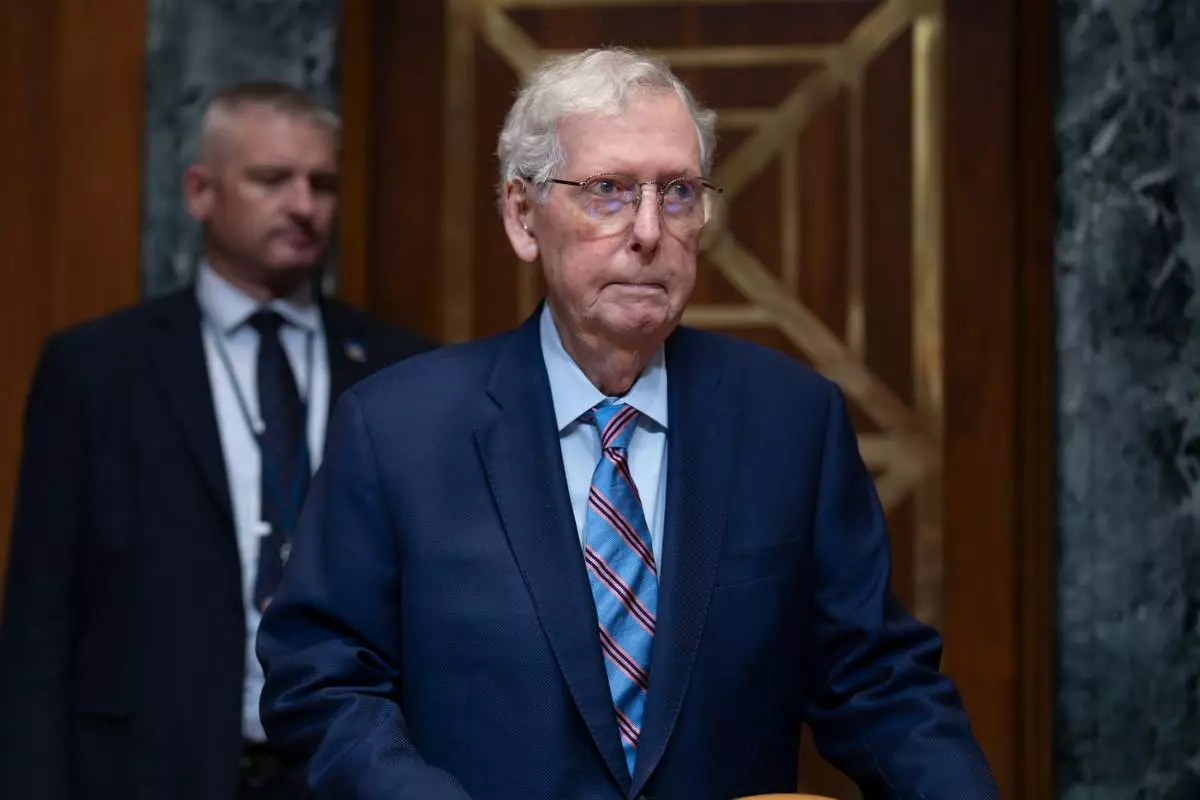
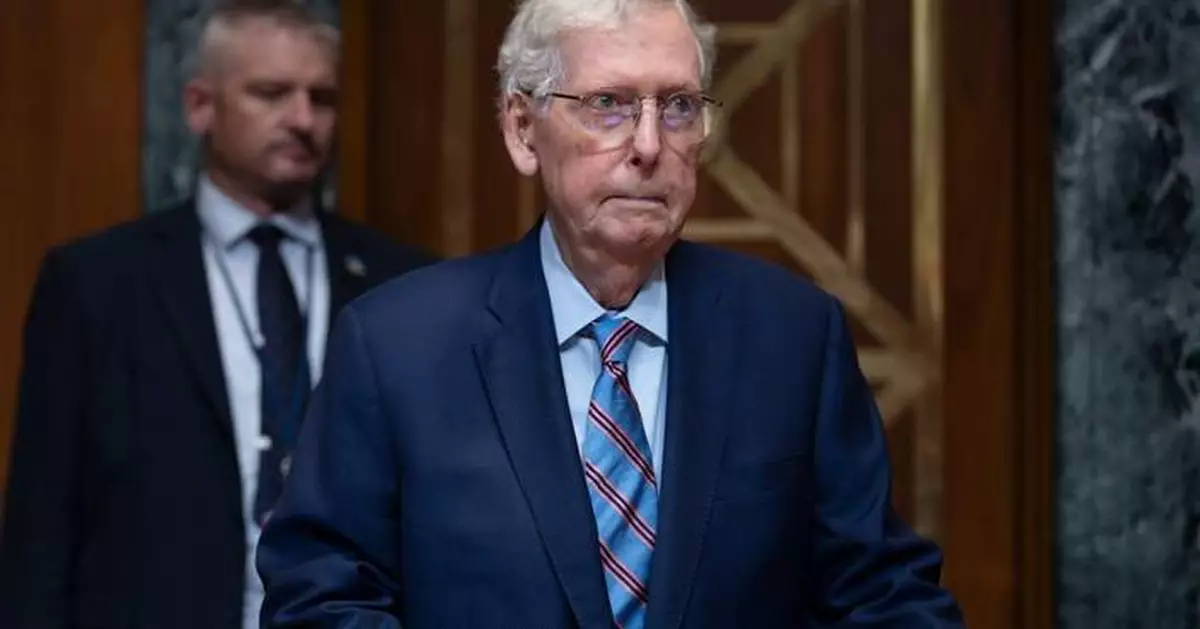
FILE - Sen. Mitch McConnell, R-Ky., arrives for a hearing at the Capitol in Washington, Tuesday, May 19, 2026. (AP Photo/J. Scott Applewhite, File)