WELLINGTON, New Zealand (AP) — Australia will begin to sell uranium to India for peaceful purposes after the two countries' leaders signed an administrative deal Thursday, enacting an agreement on exports of the material that was held up for years over concerns about weapons use.
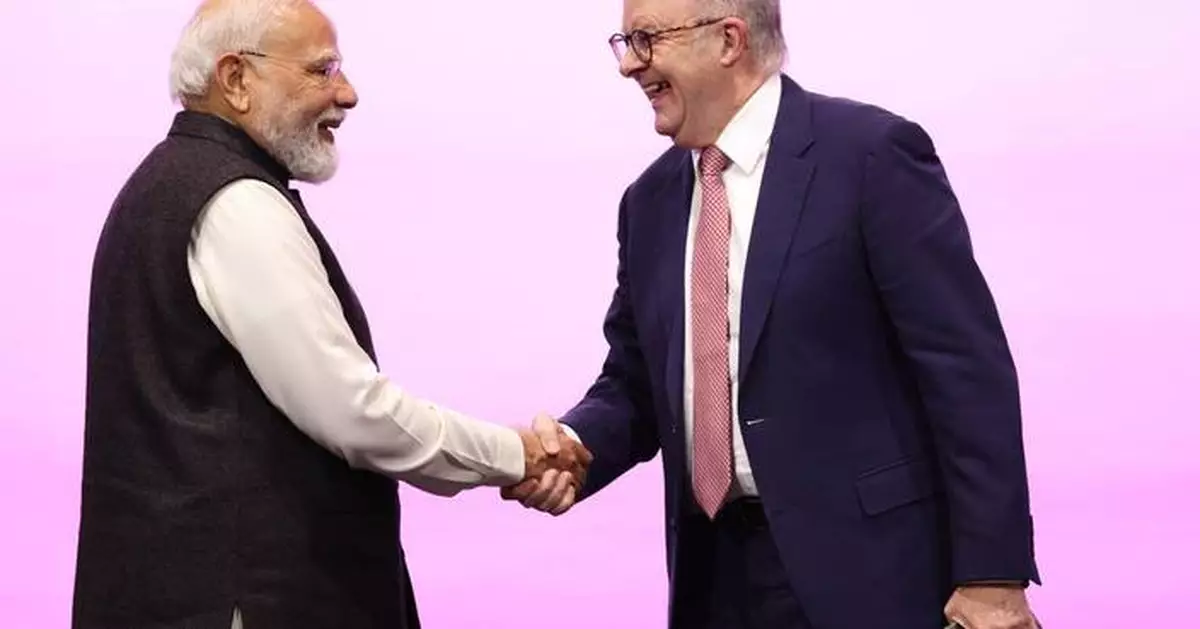
Australia's Prime Minister Anthony Albanese and India's Prime Minister Narendra Modi made the joint announcement after a meeting in Melbourne.
Click to Gallery
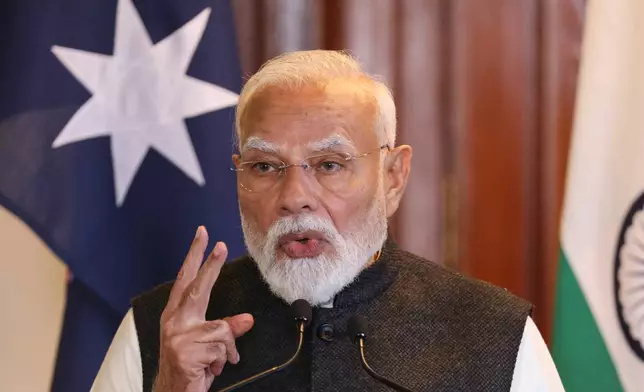
Indian Prime Minister Narendra Modi gestures as he speaks during a joint press conference with Australian Prime Minister Anthony Albanese in Melbourne, Australia, Thursday, July 9, 2026. (AP Photo/Hamish Blair)
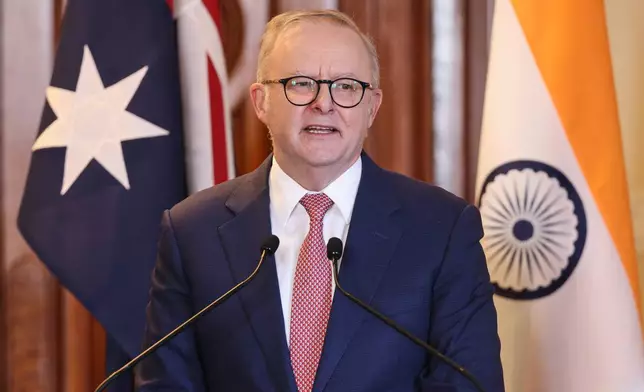
Australian Prime Minister Anthony Albanese speaks during a joint press conference with Indian Prime Minister Narendra Modi in Melbourne, Australia, Thursday, July 9, 2026. (AP Photo/Hamish Blair)
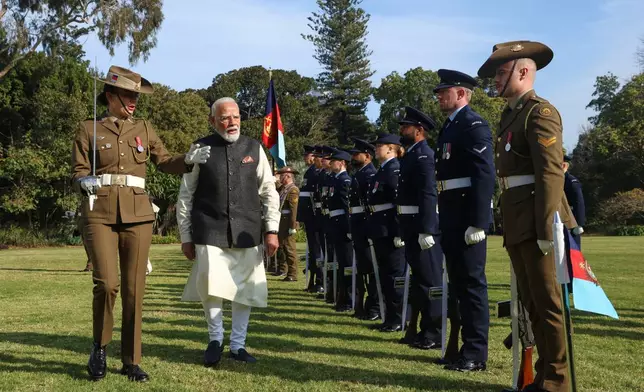
Indian Prime Minister Narendra Modi inspects a guard of honour during a ceremonial welcome at Government House in Melbourne, Australia, Thursday, July 9, 2026. (AP Photo/Hamish Blair)
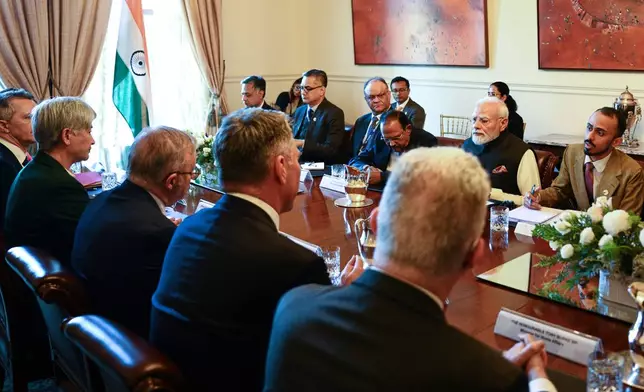
India's Prime Minister Narendra Modi, second right, talks to Australian Prime Minster Anthony Albanese, third left, during the Annual Leaders' Summit at Government House in Melbourne, Australia, Thursday, July 9, 2026. (Izhar Khan Pool via AP)
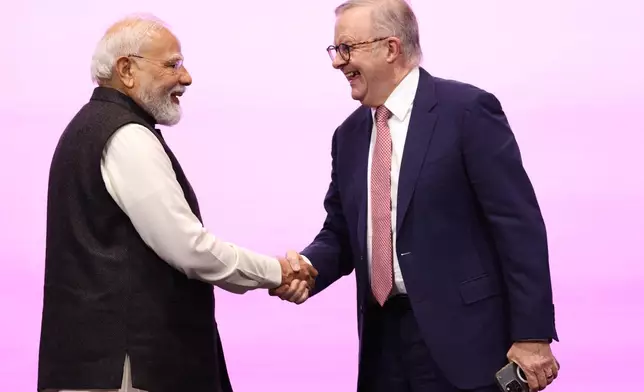
Indian Prime Minister Narendra Modi, left, is welcomed to the stage by Australian Prime Minister Anthony Albanese to address the Australia-India Economic Roadmap Business Reception in Melbourne, Australia, Thursday, July 9, 2026. (AP Photo/Hamish Blair)
The leaders didn't immediately supply details of how much uranium would be sold, or when. Exports of Australian uranium to India stalled after an agreement to do so in 2014, because of concern that the material could be used to make weapons.
Australia has the world's largest known uranium resources, but the country doesn't use any nuclear power or weapons and all uranium is exported. India, which has a population of 1.4 billion people and a growing middle class, wants to install 100 gigawatts of nuclear power by 2047 — enough to power nearly 60 million Indian homes a year. But obtaining uranium hasn’t been simple.
India has doubled the amount of nuclear power installed in the country in the last decade, but that still makes up just 3% of its electricity.
India isn't a signatory to the Nuclear Non-Proliferation Treaty, which recognizes only the United States, China, Britain, France and Russia as nuclear weapons powers. Australia, which is a signatory country, refuses to sell uranium to non-signatories.
India says the treaty is discriminatory because it recognizes as legitimate nuclear weapon states only those that tested nuclear devices before January 1967, which would would disqualify it permanently. The country was hit with international technology sanctions and uranium trade bans after it conducted nuclear tests in 1998.
The Nuclear Suppliers Group of countries, which includes the U.S., in 2008 granted a waiver allowing India to buy uranium from its members and Delhi has since pursued bilateral pacts to permit sales of the material. It inked such a deal with Canada in March.
Australia's leaders historically ruled out doing the same until Delhi signed the treaty. Canberra's position has eased, however, and it agreed to allow exports in 2014, subject to International Atomic Energy Agency Safeguards and “separation of the Indian civilian and military nuclear programs,” according to a government website.
Thursday's administrative agreement was expected to remove obstacles to enacting the earlier deal.
Modi is visiting Australia for an annual leaders' summit between the two countries. In their joint statement, Modi and Albanese also pledged greater defense and security cooperation in the Indo-Pacific, “reflecting a step‑change in the depth and ambition” of the relationship, the text of the statement read.
The pledge for closer cooperation on regional security came days after Australia criticized China for test firing a long-range ballistic missile from one of its nuclear-powered submarines into the South Pacific Ocean, an area protected by an anti-nuclear treaty.
The two leaders did not cite China when they announced the bolstered strategic ties, and didn't take questions from reporters after their statements Thursday. Thousands of people turned out in the city of Melbourne in hopes of seeing India's Prime Minister during his visit.
India is Australia’s fifth largest trading partner, with two-way trade in goods and services valued at 54.4 billion Australian dollars ($37.7 billion) in the 2024-2025 financial year, according to Australian government figures.
Earlier this week, Modi visited Indonesia and on Friday he'll travel to New Zealand for his first visit to the country. India and New Zealand signed a free trade agreement in April.
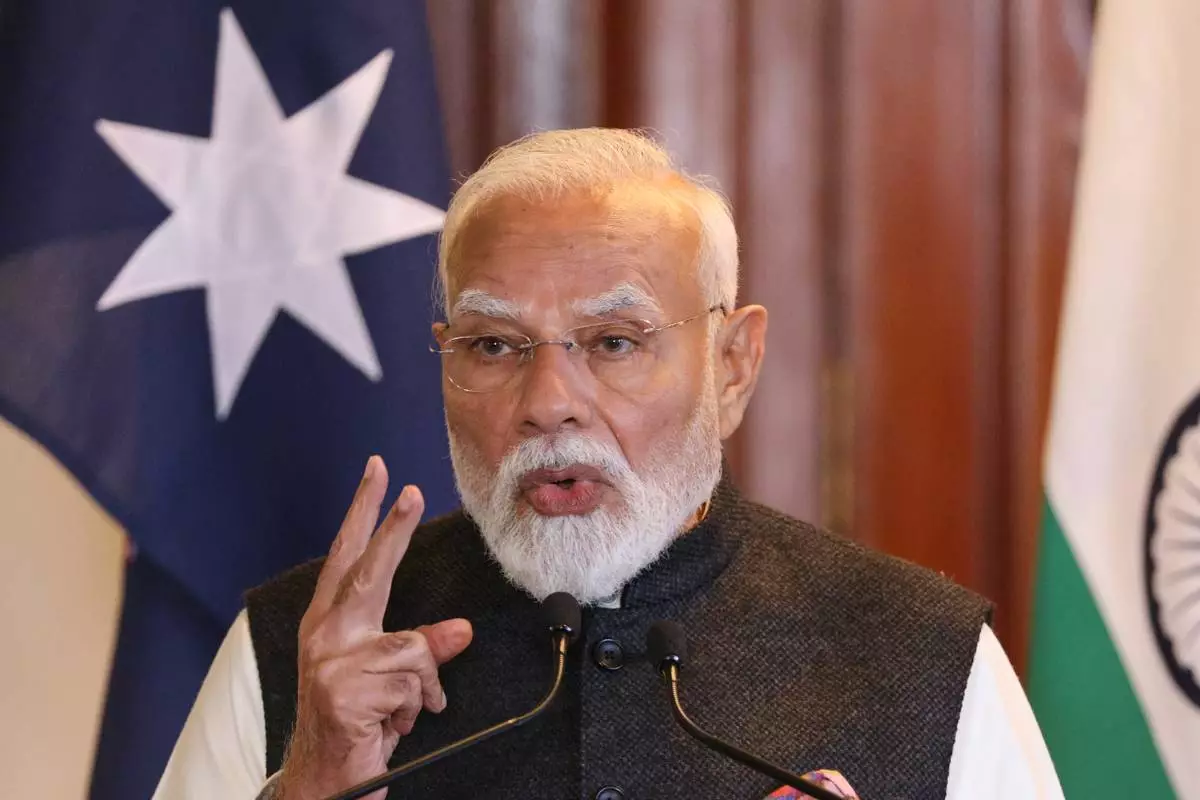
Indian Prime Minister Narendra Modi gestures as he speaks during a joint press conference with Australian Prime Minister Anthony Albanese in Melbourne, Australia, Thursday, July 9, 2026. (AP Photo/Hamish Blair)
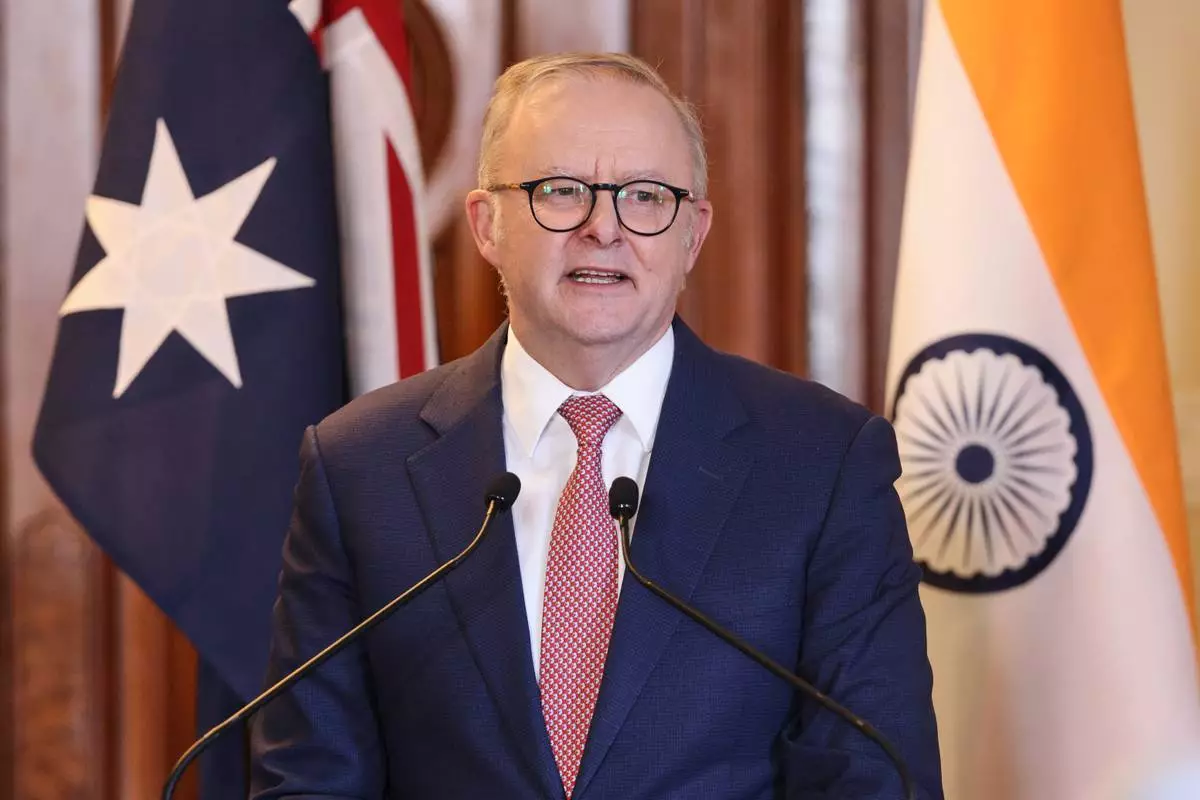
Australian Prime Minister Anthony Albanese speaks during a joint press conference with Indian Prime Minister Narendra Modi in Melbourne, Australia, Thursday, July 9, 2026. (AP Photo/Hamish Blair)
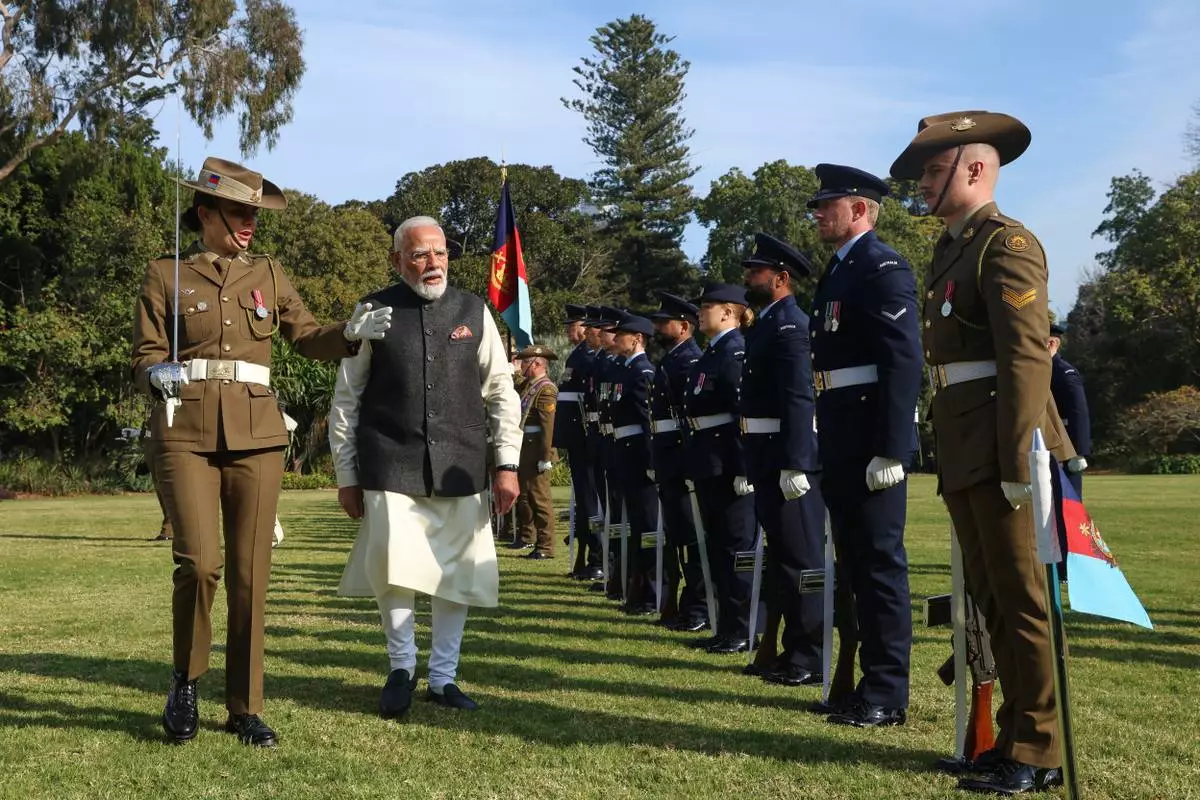
Indian Prime Minister Narendra Modi inspects a guard of honour during a ceremonial welcome at Government House in Melbourne, Australia, Thursday, July 9, 2026. (AP Photo/Hamish Blair)
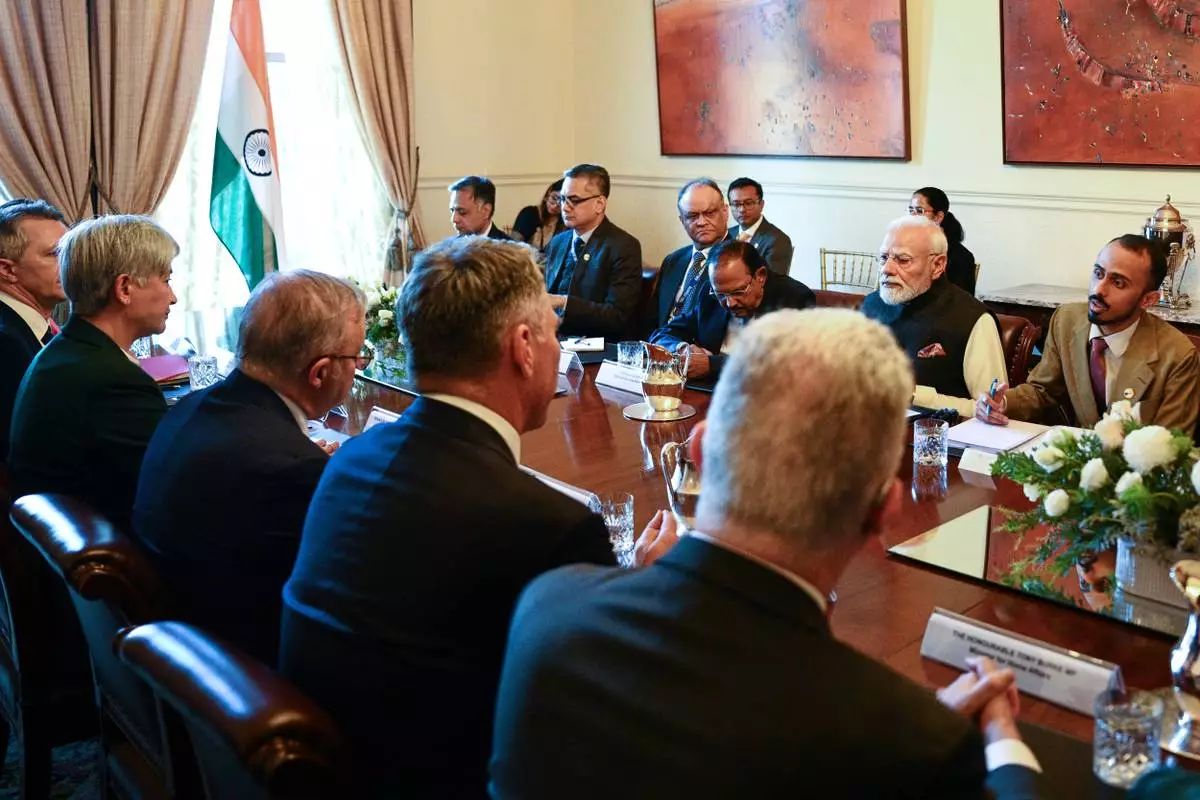
India's Prime Minister Narendra Modi, second right, talks to Australian Prime Minster Anthony Albanese, third left, during the Annual Leaders' Summit at Government House in Melbourne, Australia, Thursday, July 9, 2026. (Izhar Khan Pool via AP)
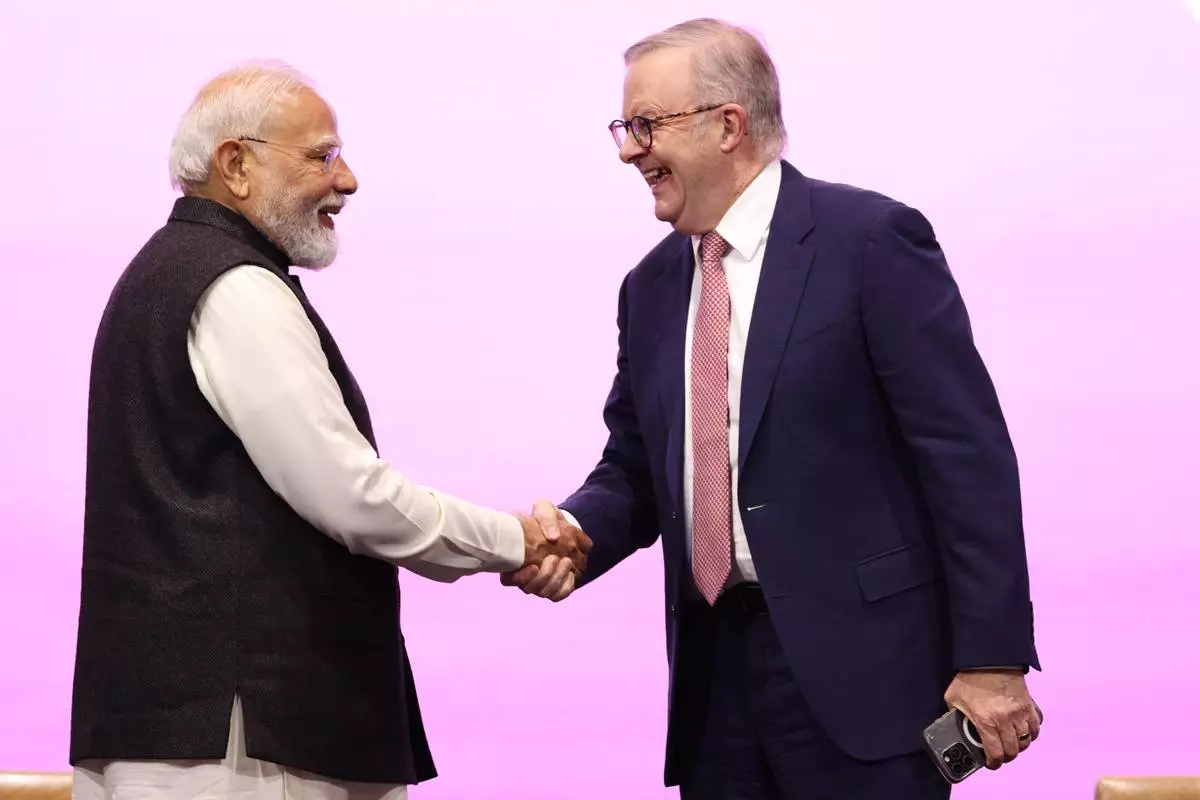
Indian Prime Minister Narendra Modi, left, is welcomed to the stage by Australian Prime Minister Anthony Albanese to address the Australia-India Economic Roadmap Business Reception in Melbourne, Australia, Thursday, July 9, 2026. (AP Photo/Hamish Blair)