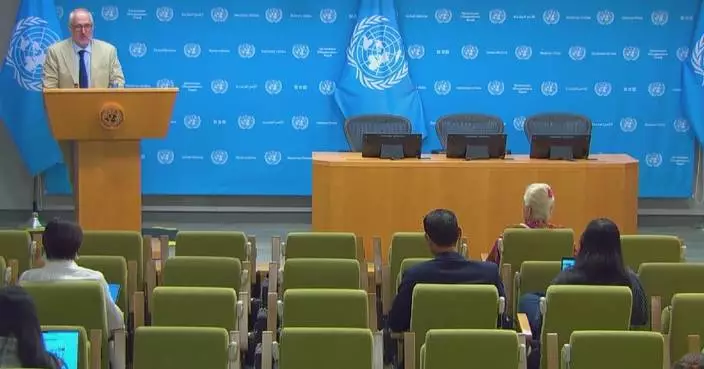
A Chinese representative submitted a proposal to the World Trade Organization (WTO) on advancing trade-investment integration to promote industrialization ahead of a series of meetings held by the body from Monday to Wednesday in Geneva, Switzerland.
The Chinese representative said at the meeting that China proposed to discuss advancing industrialization through trade-investment integration at the WTO both because of China's experience accumulated across different stages of its industrialization, and as a response to the demand of the Global South for universally beneficial and inclusive development of economic globalization.
The Chinese side proposed that the follow-up discussions should center on three key areas: exchanging members' practical experience in boosting industrialization via trade-investment integration, reviewing existing relevant WTO rules and instruments, and leveraging multilateral development cooperation mechanisms such as Aid for Trade.
The Comoros, Benin, Chad, Mali and The Gambia announced their co-sponsorship of China's proposal at the meeting.
The Gambia, which serves as the coordinator of the Least Developed Countries (LDCs) Group, spoke highly of China's proposal, noting that it aligns closely with the group's economic development priorities and supports follow-up discussions on the proposal.
Developed members including the European Union, Britain and Norway expressed positive comments on the constructive nature of China's proposal and expressed willingness to engage in follow-up discussions on trade-investment integration.
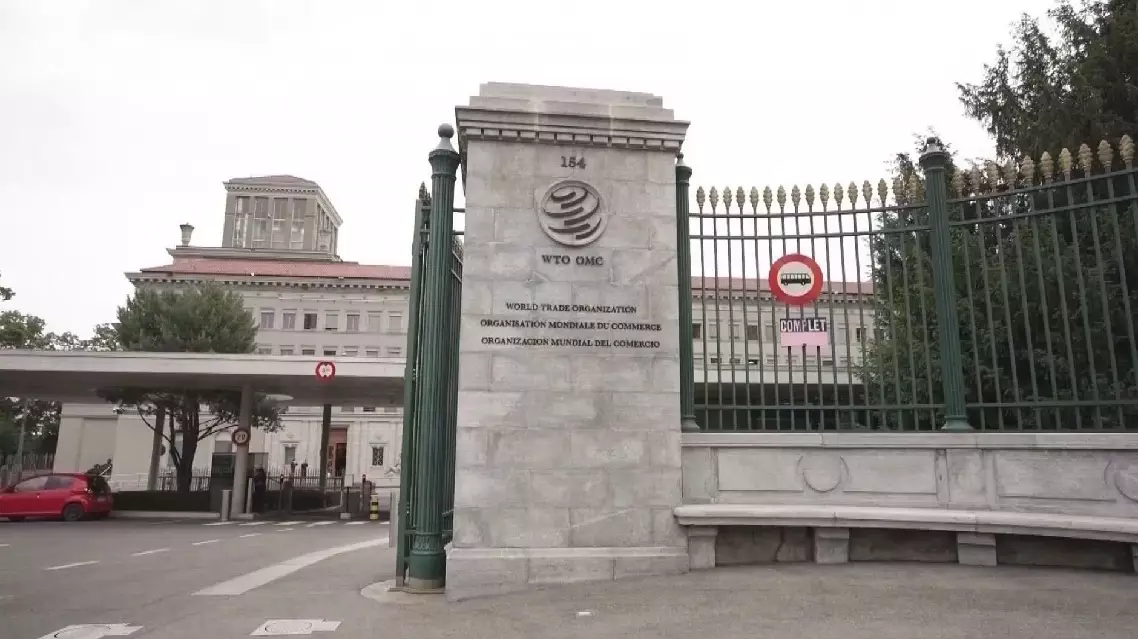
China advocates trade-investment integration at WTO meeting
Chinese Premier Li Qiang emphasized advancing agricultural modernization and ensuring food security when making investigation in northeast China's Heilongjiang and Jilin provinces from Monday to Wednesday.
In Heilongjiang Province, Li, also a member of the Standing Committee of the Political Bureau of the Communist Party of China Central Committee, visited a state farm and observed the growth of soybean, corn, and rice crops. He stressed that autumn grain accounts for the bulk of annual output, calling for stepped-up farmland management and policy support to ensure grain harvest.
Visiting an agricultural science park and a rice research institute, Li asked about seed breeding innovation and black soil conservation, highlighting the importance of science and technology in pursuing higher yields and calling for further efforts in seed breeding, advanced machinery, and smart farming.
At a major water conservancy project, Li reviewed construction progress, urging faster completion to improve flood control, irrigation, and ecological benefits while supporting stable, high-yield harvests.
In Jilin Province, Li visited an agricultural cooperative and learned about its operations. He called for developing diverse forms of appropriately scaled agricultural operations and improving services for agriculture to help smallholders connect with modern agriculture.
At a grain processing plant, Li inspected a corn oil production line and called for boosting intensive processing of agricultural products to extend industrial chains and raise value.
Li also visited the Chagan Lake and learned about the ecological fisheries. He called for actively developing modern eco-aquaculture, promoting integrated development of the farming, forestry, livestock, and fishing industries as well as the development of eco-tourism.
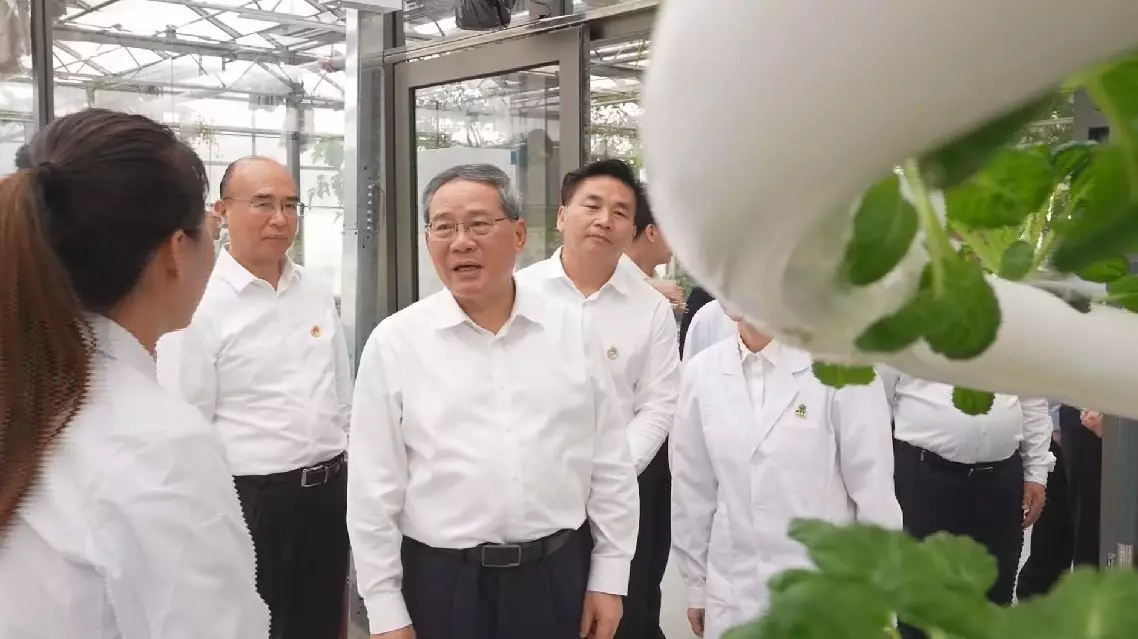
Chinese premier stresses agricultural modernization, food security