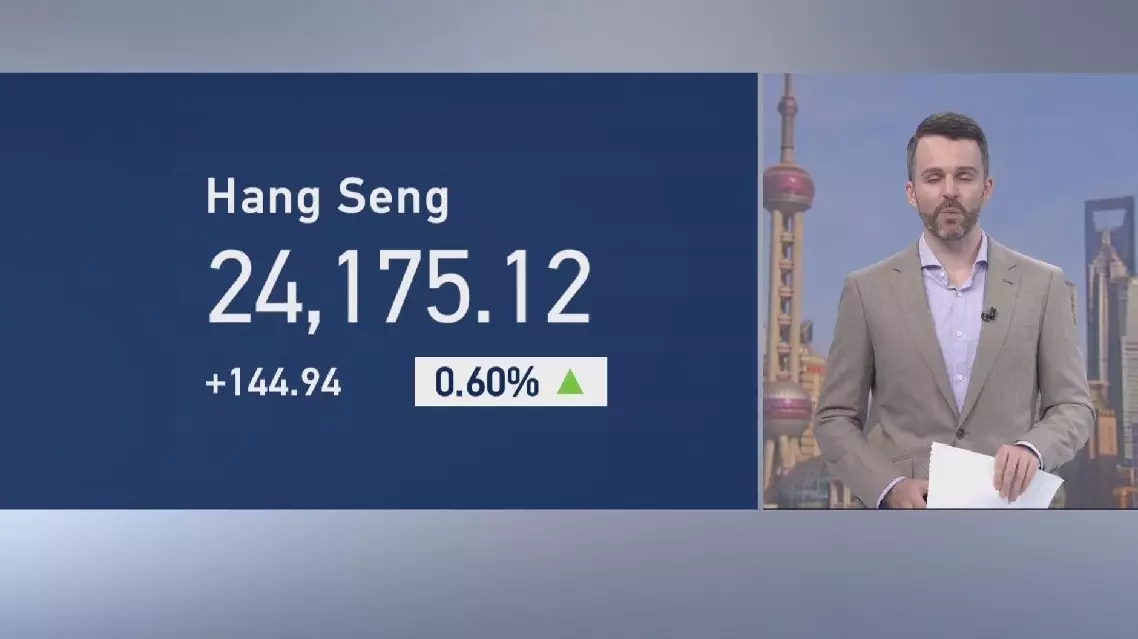
The chip sector became a major contributor to the losses in China's stock markets on Friday amid investor worries over potentially bloated valuation, said China Global Television Network (CGTN) analyst Timothy Pope.
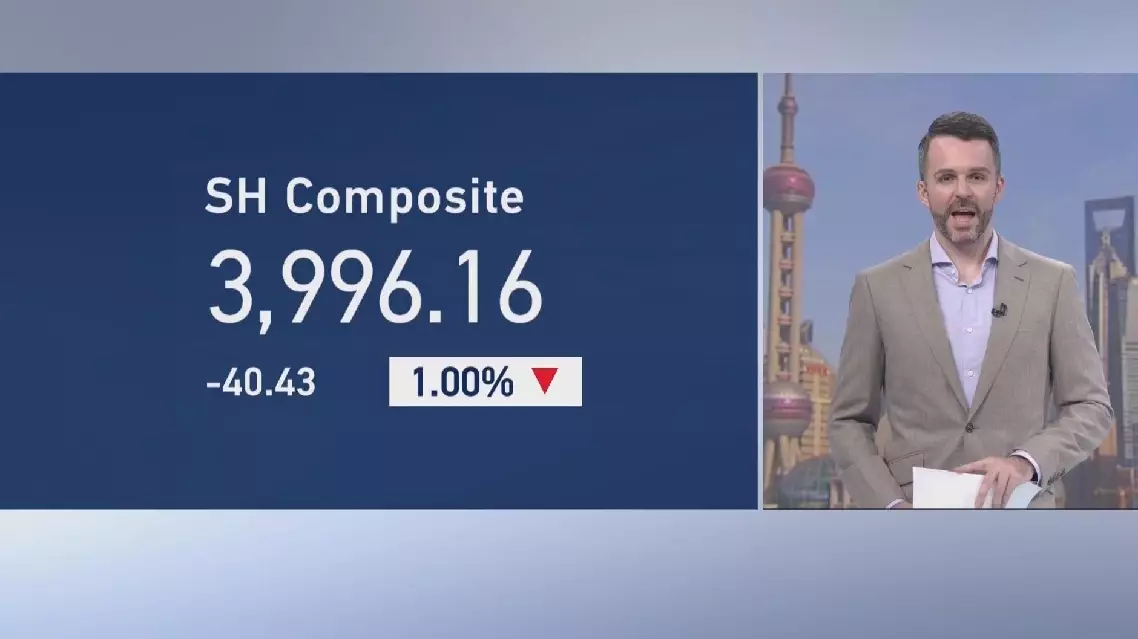
Chinese stocks closed lower on Friday, with the benchmark Shanghai Composite Index down 1.00 percent to 3,996.16 points.
The Shenzhen Component Index closed 2.29 percent lower at 15,046.67 points, while the ChiNext Index, tracking China's Nasdaq-style board of growth enterprises, lost 4.37 percent to close at 3,842.73 points.
The afternoon slump mirrored the sharp retreat in chip stocks, with sector heavyweights dragging benchmarks lower, Pope said.
"The Shanghai Composite Index was really a mirror of these stocks today. It had been trading quite strongly throughout the morning session, but as we hit the afternoon, things soured and the index fell, giving up its early gains and ending 1 percent lower. Other indexes sort of had a more exaggerated version of this slump. The Shenzhen Component [Index] closed 2.3 percent lower, and the STAR 50 was down 5.5 percent. Now it's the top contributors to the decline in Shanghai that tell you exactly what happened here. And it was those chip sector stocks, Cambricon, Foxconn, GigaDevice, Hygon. They are four of China's so-called 'Seven Sisters.' These tech stocks analogous to 'The Magnificent Seven' in the U.S. These stocks have been fluctuating sharply really since the start of this month, but this week we saw it again. On the one hand, there's worry about valuations in the sector and whether they're getting bloated. They're still not approaching the U.S. levels of evaluation, but you know, still there is some concern about that," said Pope.
"And on the other hand, there is this sentiment boost from the IPO pipeline in Shanghai and Shenzhen. At the moment we have of course the upcoming IPO of ChangXin Technologies, the memory chipmaker here in Shanghai and that one is going to start book building next week in preparation for the IPO and subscriptions and hopes to raise about 30 billion yuan -- 29.5 billion [yuan]. So, that is sort of an increasing sentiment as well. Also, this week we got some sentiment boost from the PBOC's operations. Firstly, there was an announcement that it would be keeping policy accommodative and increasing support for domestic consumption. June consumption data wasn't all that encouraging. It shows that supply is still far outstripping demand. That followed on from a 1-trillion-yuan liquidity injection into the markets at the beginning of the week after three months of tapering operations. So, that gave the market a bit of a lift as well," said Pope.
Chip sector leads losses in China's stock markets: analyst